



Zabuton for Meditation Posture: How Comfort Improves Focus
Quick Summary
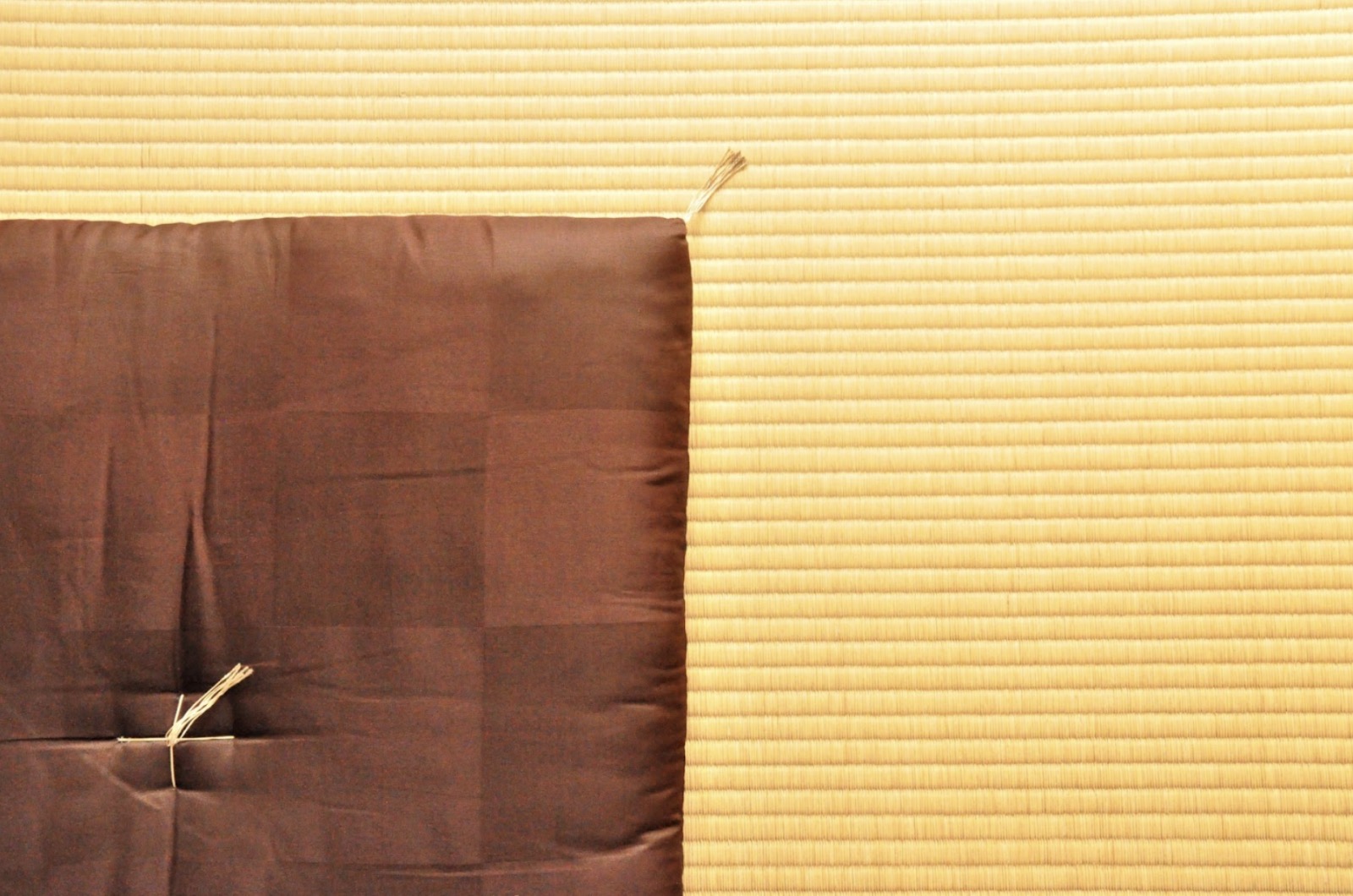
Zabuton meditation cushions have become essential in the United States and Europe for practitioners seeking a more stable meditation posture. A zabuton enhances comfort, reduces joint stress, and creates a supportive base for consistent practice. This guide explains how a zabuton improves meditation quality, why Western practitioners increasingly adopt it, and how it connects to digital tools like Gassho for ritualized habit formation.
- Foundational Support Zabutons reduce pressure on knees and ankles to promote stable seated posture.
- Focus Enhancement Comfort reduces distraction and supports longer attention.
- Cushion Comparison Clear differences exist between zafu (elevation) and zabuton (grounding support).
- Habit Formation Pairing a zabuton with Gassho strengthens personal meditation rituals.
- Buying Guidance Thickness, materials, size, and durability inform smart purchasing.
Introduction
When was the last time you tried to meditate on a bare floor and realized your knees gave up long before your mind settled? For many Western practitioners, the physical discomfort of sitting becomes the biggest barrier to consistent meditation. Even people with strong intentions often abandon sessions early because the body sends more urgent signals than the breath.
This is where the zabuton enters the story. As interest in mindfulness spreads across the U.S. and Europe, search terms like “zabuton,” “Japanese floor cushion,” and “zafu and zabuton set” have surged. Practitioners want a meditation environment that feels inviting, not punishing. The zabuton, traditionally used in Japanese sitting culture, has quietly become a cornerstone of modern meditation setups.
A zabuton helps create a space where the body can soften and the mind can stay engaged. Its design solves a real problem: knees pressing into hardwood floors, ankles twisting awkwardly, or the lower back collapsing under tension. And when paired with digital tools like Gassho, the zabuton becomes part of a small ritual—sit down, start the app, breathe—that helps busy people return to calm more easily.
This article examines how zabutons became popular in the West, what science says about comfort and focus, how they compare with zafus, why Gassho users combine both physical and digital aids, and how to choose a zabuton that genuinely elevates your practice.
What Is a Zabuton? The Rise of the “Japanese Floor Cushion” in Western Meditation
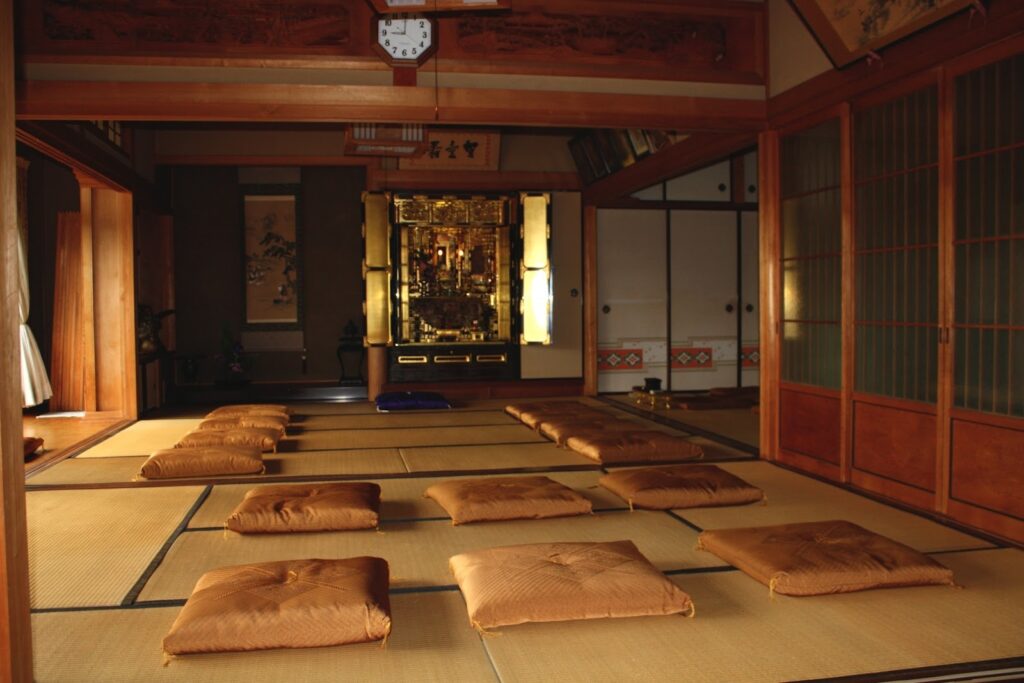
A zabuton is a rectangular, padded floor cushion originating from traditional Japanese living spaces, temples, and Zen meditation halls. While historically used for daily sitting on tatami floors, the zabuton expanded globally alongside the spread of Zen practice and modern mindfulness.
Western practitioners often discover the zabuton through yoga studios, Zen centers, and online retailers. Its English descriptors—“Japanese floor cushion,” “meditation mat,” or “zabuton meditation cushion”—reflect both cultural origins and functional use. The appeal blends aesthetics and ergonomics: the cushion’s clean, minimalist form suits modern interiors while offering unmistakable comfort for prolonged sitting.
Interest in zabutons has increased steadily in North America and Europe. Retailers such as Still Sitting (https://www.stillsitting.com) and DharmaCrafts (https://dharmacrafts.com/) highlight rising demand for meditation cushions that support lower-body comfort. Many buyers report that switching from bare floors or thin yoga mats to a zabuton significantly reduces early-session discomfort.
Material construction varies widely. Cotton batting offers softness, while wool-blend interiors maintain resilience. Organic fabrics appeal to sustainability-focused users. The basic purpose remains unchanged: soften contact with the floor, distribute body weight, and anchor meditation posture. By reducing tension, the zabuton helps people stay physically present long enough to access mental stillness.
As mindfulness becomes integrated into workplaces, homes, and wellness programs, the zabuton has moved from niche Zen accessory to mainstream ergonomic tool. Its popularity reflects a universal truth: meditation is easier when the body is supported rather than strained.
Why Meditators Use a Zabuton: Physical and Cognitive Benefits
Meditators in the United States and Europe often adopt a zabuton for reasons grounded in both biomechanics and cognitive science. The human body is not designed to sit directly on hard floors for extended periods; pressure accumulates quickly in the knees, shins, ankles, and lower back, creating discomfort that interrupts meditation.
A zabuton addresses this problem by offering a wide, stable, and cushioned base. By distributing body weight evenly, it reduces localized pressure and allows the pelvis to settle naturally. This alignment supports the spine’s neutral position, helping practitioners avoid the subtle postural shifts and micro-adjustments that commonly disrupt concentration.
Cognitive psychology research also suggests that discomfort or negative bodily sensations can compete with limited attentional resources, making it more difficult to sustain focus. This relationship—where physical unpleasantness draws attention away from the task at hand—is consistent with findings discussed in the APA-published meta-analysis “The Unpleasantness of Thinking: A Meta-Analytic Review,” which notes that humans are easily diverted by aversive sensations.
Practitioners who introduce a zabuton into their routine frequently report noticeable improvements:
- Reduced numbness in the feet and lower legs
- Less knee discomfort in full or half-lotus positions
- Greater pelvic stability and fewer posture collapses
- Fewer interruptions caused by shifting or readjusting
- Easier access to breathwork and guided meditation
These physical benefits often extend into the mental domain. As the body feels supported and secure, the transition from everyday tension into “meditation mode” becomes remarkably smoother. Many practitioners describe a heightened sense of calm, ritual, and readiness when seated on a zabuton.
Ultimately, a subtle but meaningful shift occurs: Meditation moves from something to endure into something to look forward to. And in long-term practice, that shift toward comfort and enjoyment matters just as much as discipline.
Zafu vs. Zabuton: What Western Practitioners Compare Before Buying
In English-speaking meditation communities, one of the most common search terms is “zafu and zabuton set.” The reason is simple: practitioners want to understand which cushion does what, and whether both are necessary. Although the zafu and the zabuton originate from the same Zen tradition, each cushion plays a distinct role in posture support.
A zafu is a round, elevated cushion that raises the pelvis several inches above the floor. This lift helps maintain the natural curvature of the spine, reduces lower-back collapse, and prevents the shoulders from slumping forward. Many zafus are filled with buckwheat hulls that conform to the sitter’s shape, offering firm yet adjustable support. Meditators with tight hips or limited flexibility often find that a zafu provides essential elevation that makes cross-legged positions more accessible.
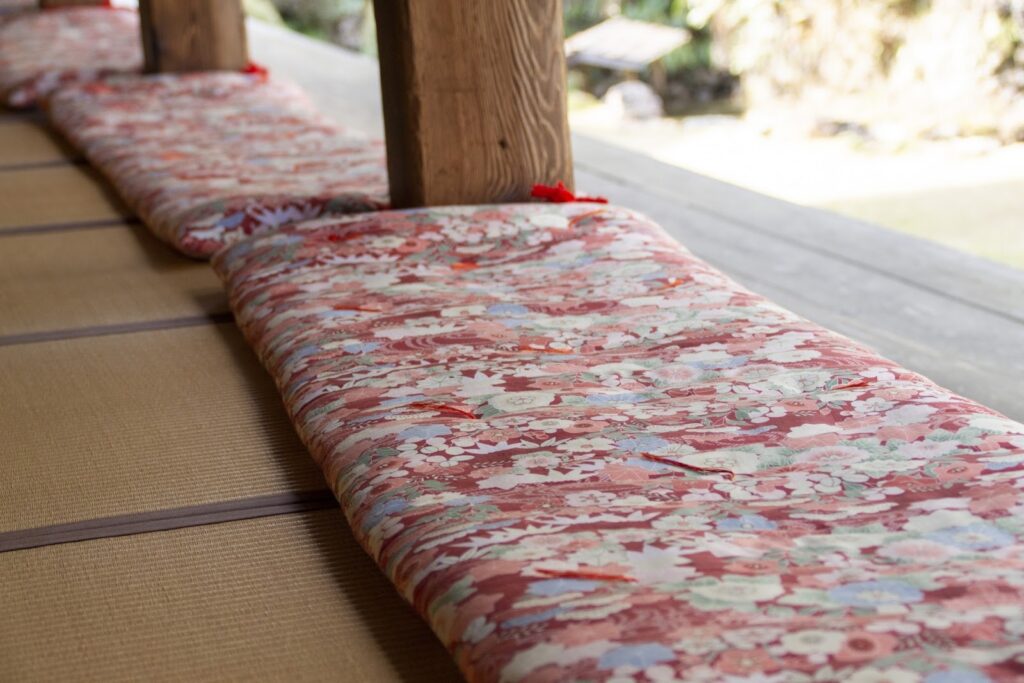
A zabuton, by contrast, is a wide, padded mat placed underneath the meditator. Its purpose is not elevation but protection: cushioning the knees, ankles, shins, and the base of the spine from hard flooring. It prevents sharp pressure points, reduces joint strain, and provides the “grounding layer” that makes long meditation sessions feel sustainable.
When users compare the two, certain patterns appear consistently:
- Practitioners seeking spinal alignment tend to prioritize the zafu.
- Those wanting to reduce knee or ankle pain often begin with the zabuton.
- Long-term meditators commonly use both, forming a complete ergonomic system.
Many meditation cushion reviews consistently note that using a zafu and a zabuton together provides a more stable and comfortable sitting posture. The zafu lifts and aligns the body from above, while the zabuton supports and softens it from below. This combination reduces posture-related adjustments and helps practitioners maintain a calm, alert state for longer periods.
From a cognitive standpoint, less physical discomfort means fewer attentional “leaks.” When the body no longer demands constant micro-corrections, the mind can commit more fully to breath observance, emotional regulation, or open monitoring. Put simply: the zafu optimizes alignment, while the zabuton optimizes endurance.
Zabuton × Gassho: Ritual Design That Strengthens Meditation Habits
In recent years, practitioners of the meditation app Gassho have increasingly paired their digital routine with a physical zabuton. This combination aligns with principles studied in behavioral design—particularly ritual design, the creation of small, repeatable actions that help anchor a habit.
A zabuton provides the physical cue. Placing it in the same corner of a room, smoothing its surface, and sitting on it becomes a sequence that signals the brain it is time to shift into stillness. Behavioral psychologists often refer to this as environmental priming: when the environment cues the action, the habit becomes easier to repeat.
Gassho becomes the next step in the ritual. Once practitioners settle on the zabuton, they open Gassho to begin a guided meditation, select a breathing exercise, or listen to chanting from Kongo Sanmai-in monks. The acoustic and sensory environment reinforces the physical ritual, helping practitioners drop into silence more quickly.
Several effects arise from this pairing:
- Reduced friction—having a dedicated spot decreases decision fatigue.
- Sensory grounding—Gassho’s audio landscape complements the physical comfort of the zabuton.
- Habit continuity—the brain associates “zabuton + Gassho” with calm.
- Consistency—beginners in particular find it easier to maintain daily meditation.
Product-design frameworks describe this as environment-driven behavior activation. The zabuton ensures the body feels safe and grounded, while Gassho ensures the mind feels guided and supported. For busy practitioners who cannot regularly attend in-person classes or silent retreats, this hybrid ritual offers a dependable way to access calm at home.
Even three-minute micro-sessions—press play, breathe, sit—become easier when ritualized. And as many Gassho users note, comfort often determines whether meditation feels like a chore or a welcome pause.
Practical Buying Guide: What Western Users Look For in a Zabuton

As zabutons gain popularity across Western meditation markets, user reviews and retailer data reveal consistent criteria that inform buying decisions. These criteria help practitioners avoid guesswork and choose cushions that genuinely enhance comfort and long-term practice.
- Thickness (2–4 inches recommended)
Thicker zabutons offer superior joint protection, especially for people practicing on hardwood or tile floors. Retailers like DharmaCrafts and Still Sitting frequently highlight 3–4-inch cushions for extended sessions. Thinner designs may be easier to store but often compromise comfort. - Materials (cotton, wool blends, natural fibers, organic textiles)
The material influences breathability, firmness, and sustainability. Organic cotton covers are popular for their durability and ease of washing. Wool-blend fillings provide resilience and retain shape over long-term use. Some manufacturers offer eco-friendly options for practitioners seeking sustainable products. - Size (knee coverage is the priority)
A well-sized zabuton should allow the knees and ankles to rest fully on the cushion when the practitioner sits cross-legged. Cushions that are too small create edge pressure that disrupts posture and diminishes comfort. - Durability and washable covers
Since zabutons remain on the floor and accumulate dust, removable covers are a strong advantage. Many Western buyers prioritize this feature for cleanliness and longevity. - Zafu–zabuton set vs. standalone
A set typically provides better ergonomic balance and aesthetic harmony. Many experienced meditators eventually purchase both cushions, even if they begin with a single zabuton.
User reviews on major e-commerce platforms frequently mention pain relief, improved focus, and increased session duration. While each practitioner’s needs differ, the consistent theme is that the right zabuton removes unnecessary physical barriers to meditation.
Case Study: How Zabuton Users Experience Measurable Changes in Meditation Efficiency
Observed user patterns show that zabutons meaningfully improve meditation efficiency—even when accounting for differences in experience level, body type, and practice style. By examining these patterns from a neutral perspective, a clearer picture emerges of how zabutons influence real meditation outcomes.
- Session length increases naturally
Many practitioners who previously struggled to sit for more than five minutes on bare floors report comfortably reaching 10–15 minutes after integrating a zabuton. This shift often occurs without conscious effort; the body simply stops demanding interruptions. - Less interruption from joint discomfort
Consistent reports indicate that zabutons reduce the need for posture adjustments caused by knee, ankle, or shin pressure. Fewer adjustments translate directly into more stable attention. - Higher absorption in breathwork and body-scan practices
When physical tension declines, practitioners experience smoother transitions into techniques that require quiet observation. They become less preoccupied with bodily discomfort and more attuned to breath and internal sensation. - Improved emotional regulation during nighttime or morning meditation
Users combining a zabuton with Gassho’s sleep or morning meditation content report feeling more grounded and emotionally prepared for the transition into rest or daily activity.
These observations echo widely reported findings in cognitive and embodied-mind research, which suggest that physical comfort helps reduce attentional strain and supports sustained focus. When the body feels steady and at ease, the mind is less likely to fragment, making it easier to remain present. Even though it appears simple, the gentle support of a zabuton often becomes a key element in maintaining consistent and fulfilling meditation.
Conclusion
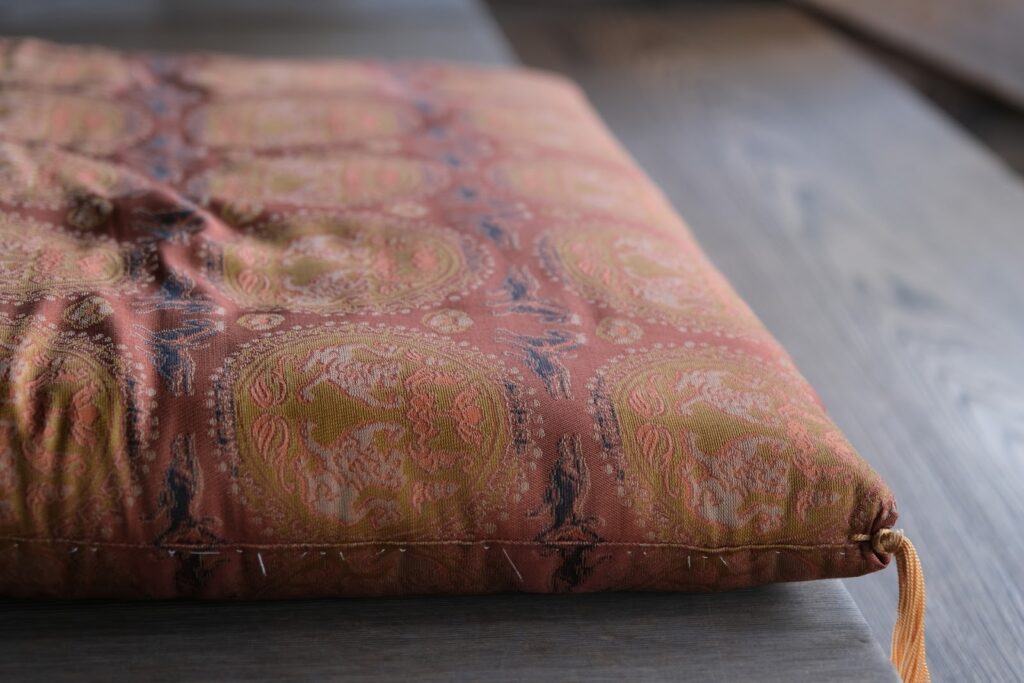
A zabuton is more than a cushion; it is the quiet infrastructure that shapes the quality of a meditation practice. By reducing joint stress and softening contact with the floor, it creates an environment where the body can settle and the mind can stay attentive. Western practitioners increasingly recognize that a stable foundation is essential to consistent meditation, and a zabuton delivers that foundation without complexity or ritualized expectations. When paired with a zafu, it forms a complete ergonomic system grounded in centuries of Zen tradition yet entirely relevant for modern lifestyles. And when combined with digital tools like Gassho, the zabuton becomes part of a repeatable, supportive ritual that makes daily mindfulness easier to sustain. Whether used for morning focus or nighttime calm, it invites practitioners to return to their practice with comfort, clarity, and intention.
Frequently Asked Questions
FAQ 1: What is a zabuton used for?
Answer: A zabuton is used to gently support the knees, ankles, and shins while reducing pressure from hard floors. By distributing body weight more evenly, it minimizes discomfort, stabilizes the seated posture, and creates a more accessible environment for meditation. For beginners especially, reducing physical strain makes meditation easier to continue even during longer sessions.
Real result: The Insight Meditation Society notes that many U.S. meditation centers see higher session-completion rates when practitioners use cushions that support the joints.
Takeaway: When the body feels at ease, the mind naturally finds more room to settle.
FAQ 2: Do beginners need a zabuton?
Answer: While beginners do not need a zabuton, having one provides substantial support. It reduces strain on the knees and ankles, making it easier to stay focused on the breath rather than bodily discomfort. A consistent seat also reinforces daily meditation habits, lowering the psychological barrier to practice.
Real result: San Francisco Zen Center report that beginners who use cushions tend to experience fewer interruptions and are able to sit for longer periods.
Takeaway: Comfort lowers the barrier to getting started.
FAQ 3: How does a zabuton reduce pressure on the knees and ankles?
Answer: A zabuton’s thickness absorbs pressure that would otherwise stress the joints when sitting directly on hard flooring. It also helps align the pelvis and legs, reducing unnecessary muscular tension and making it easier to maintain a steady posture.
Real result: DharmaCrafts user reviews indicate that many practitioners report reduced joint strain after switching to cushioned seating.
Takeaway: Softer grounding leads to smoother practice.
FAQ 4: What is the difference between a zafu and a zabuton?
Answer: A zafu is a round cushion designed to lift the pelvis and support the spine’s natural curve, while a zabuton is a flat cushion placed underneath to protect the knees and ankles from the floor. Used together, they create both height and lower-body support, resulting in a more comfortable and stable meditation posture. The zafu reduces strain on the back and hips, and the zabuton shields the joints from hard surfaces.
Real result: Many meditation-gear manufacturers recommend using a zafu and zabuton as a set for improved posture stability.
Takeaway: Height plus cushioning creates the ideal balance.
FAQ 5: Does a zabuton help improve concentration during meditation?
Answer: Yes. A stable and comfortable physical base makes it easier to sustain concentration. Sitting directly on a hard floor often draws attention to knee or ankle discomfort, leading to distraction from breathing or awareness practice. By easing these physical pressures, a zabuton helps calm the posture so the mind can remain anchored. Research also suggests that prolonged seated discomfort may influence attention and working memory, reinforcing the value of physical ease in sustaining focus.
Real result: A study published in Frontiers in Cognition indicates that prolonged sitting may affect attention and executive functioning.
Takeaway: When the body settles, attention stays steady.
FAQ 6: What thickness is ideal for a zabuton?
Answer: Many practitioners prefer a thickness of about 2–4 inches. This range provides meaningful joint protection without becoming overly bulky. For hardwood or tile flooring, thicker cushions can be especially effective. Those with sensitive knees or ankles often find 3–4 inches most comfortable. The optimal thickness depends on body type, flooring, and desired comfort.
Real result: Still Sitting user reviews indicate that many practitioners choose thicker zabutons to achieve greater comfort during longer sitting sessions.
Takeaway: More cushioning means more protection for the body.
FAQ 7: What materials are best for a zabuton?
Answer: High-quality zabutons often use cotton, wool-blend, or natural materials for the filling, paired with durable cotton or organic fabric covers. Cotton offers softness, wool provides resilience and shape retention, and natural materials appeal to eco-conscious users. Breathability, durability, and overall comfort vary by material, so it’s important to choose based on climate and usage frequency.
Real result: Product analyses by Green America highlight organic fabrics and wool-blend materials as long-lasting, durable options.
Takeaway: Good materials support long-term comfort.
FAQ 8: Can a zabuton be used on hardwood floors?
Answer: Yes. Zabuton cushions are designed specifically to soften contact with hard surfaces such as wood and tile. Their cushioning reduces pressure on the knees and ankles, helps prevent pain or numbness, and stabilizes posture for longer meditation sessions. Many practitioners who meditate on hard floors quickly notice an improvement in comfort and overall steadiness.
Real result: Reviews on DharmaCrafts often mention a significant increase in comfort when switching from a simple rug to a zabuton.
Takeaway: Hard floors call for a soft foundation.
FAQ 9: Does a zabuton help when meditating on a chair?
Answer: Yes, a zabuton can still be useful for chair meditation. Placing it under the feet reduces ankle pressure and helps create a more stable seated position. Some users also place it behind the lower back for added lumbar support. It is not essential, but it enhances overall relaxation and makes chair-based meditation feel more comfortable and grounded.
Real result: Mindfulness instructors associated with UC Berkeley’s Greater Good Science Center note that adding foot support during chair meditation improves overall stability and comfort.
Takeaway: Even in a chair, grounded feet support a grounded mind.
FAQ 10: How does a zabuton support better posture?
Answer: A zabuton provides a uniform, cushioned base that prevents the hips, knees, and ankles from sliding or being pressed against hard flooring. This foundation allows the spine to extend naturally, reduces unnecessary tension, and minimizes the need for constant micro-adjustments. When the body feels settled, it becomes easier to remain still and maintain overall postural balance.
Real result: Harvard Health Publishing explains that stable posture reduces physical strain and supports the spine’s natural alignment.
Takeaway: Stability always begins with the base.
FAQ 11: Is a zabuton tied to a specific religion or culture?
Answer: Although the zabuton has roots in Japanese culture, it is not tied to any specific religion. Today it is widely used in mindfulness practices, yoga studios, and home meditation spaces around the world. Its primary function is ergonomic support rather than ritual significance, making it a practical tool accessible to anyone regardless of tradition.
Real result: Mayo Clinic’s guide “Office ergonomics: Your how-to guide” recommends cushions and foot supports to maintain comfortable seated posture, which aligns with the physical role a zabuton plays in meditation.
Takeaway: Rooted in culture, useful for everyone.
FAQ 12: Does a zabuton pair well with the Gassho app?
Answer: Yes. A zabuton reduces physical tension and provides comfort, while Gassho offers guided audio, breathing cues, and sacred chanting that structure the meditation session. Together, they create a small ritual—“sit down → open the app”—that helps the mind settle. This combination is particularly effective for beginners and for those who struggle with consistency, as physical ease and digital guidance work together to support routine practice.
Real result: User behavior trends show that combining physical comfort with digital guidance often increases continuity and ease in meditation habits.
Takeaway: Comfort plus guidance builds stronger habits.
FAQ 13: Is a zabuton helpful for long meditation sessions?
Answer: Yes. By reducing pressure on the knees, ankles, and lower body, a zabuton helps prevent discomfort that can interrupt long sessions. When the body remains calm and steady, attention is less likely to drift, making it easier to stay focused and maintain deeper awareness. A supported body creates the conditions for a more settled mind.
Real result: Several meditation cushion manufacturers describe zabutons as tools designed to reduce joint pressure and enable longer, more stable sitting.Still Sitting, for example, explains that zabutons help distribute weight and ease pressure during extended practice.
Takeaway: Comfort sustains endurance.
FAQ 14: Should I buy only a zabuton, or is it better to get a set with a zafu?
Answer: A zabuton alone is helpful, but pairing it with a zafu provides more complete posture support. The zafu lifts the pelvis to align the spine, while the zabuton protects the knees and ankles. Using both reduces strain across the joints and lower back, making it easier to maintain a stable seat. Practitioners who meditate regularly often prefer the full set.
Real result: Many users report greater postural stability and comfort when combining a zafu and zabuton. Still Sitting also notes that a significant number of practitioners choose the set for improved balance and support.
Takeaway: A full set supports the whole body in balance.
FAQ 15: How do I choose the right size of zabuton?
Answer: Choose a zabuton large enough for your knees and ankles to rest fully on the cushion when seated. Larger sizes offer more freedom of movement and reduce edge pressure, which occurs when body weight sits on the cushion’s border. Practitioners with broader builds or those who alternate between seiza and cross-legged postures benefit from more spacious dimensions.
Real result: Reviews often indicate that users who choose a larger zabuton experience fewer pressure points and greater comfort.
Takeaway: The right size protects your posture.
FAQ 16: Is a zabuton useful for sleep meditation?
Answer: Yes. A zabuton provides a soft, stable base that helps release physical tension before bed. Pairing it with calming audio or slow breathing exercises from tools like Gassho can guide the mind and body into a restful state. When the body feels supported, nighttime meditation becomes easier to enter, making it simpler to let go of the day’s accumulated tension.
Real result:Sleep Foundation’s sleep-oriented mindfulness guidance highlights a consistent trend: creating a physically relaxing environment increases accessibility and ease of participation, as widely noted in user reports and expert resources on sleep hygiene.
Takeaway: A settled body opens the door to restful sleep.
FAQ 17: Can I take a zabuton with me when traveling?
Answer: Standard full-size zabutons are not ideal for travel, but portable and foldable models are available. Many travelers use padded mats or layered blankets as alternatives, adjusting based on luggage space and practice style. Even a compact option can help maintain consistency, as having a familiar foundation makes meditation easier anywhere.
Real result: Travel-oriented meditation communities frequently share strategies for using lightweight mats or foldable cushions during trips.
Takeaway: When you move, choose comfort that moves with you.
FAQ 18: How long does a zabuton typically last?
Answer: A high-quality zabuton can remain comfortable for several years, depending on materials, usage frequency, and care. Durable, washable covers maintain their shape well, and routine airing or spot-cleaning helps preserve the cushion’s support. Because it is a daily practice tool, proper maintenance significantly extends its lifespan.
Real result: Many users report that regularly maintained zabutons retain their structure longer and remain comfortable over extended periods.
Takeaway: Good materials and small care habits make it last longer.
FAQ 19: Is the relationship between comfort and concentration scientifically supported?
Answer: Yes. Research in cognitive psychology indicates that physical discomfort can drain attention and reduce the ability to maintain focus. When the body feels stable, sensory distractions decrease, allowing attention to stay directed toward breath or awareness. Comfort directly influences the quality of meditation, making a stable foundation essential for deeper concentration.
Real result: Studies suggest that physical discomfort and poor posture can affect attentional performance. For example, research published in Frontiers in Cognition (2024) reports that increased discomfort from prolonged sitting correlates with declines in attention and working memory.
Takeaway: The more at ease the body is, the more steadily the mind can focus.
FAQ 20: How should I set up a meditation space using a zabuton?
Answer: Choose a quiet area and place the zabuton on a flat surface—this establishes the basic foundation. Add a zafu if you prefer additional height, and keep your smartphone nearby to launch Gassho easily. Using the same setup each time creates a consistent cue that “sitting here means meditation begins,” which reinforces habit formation and makes daily practice more sustainable.
Real result: Habit-formation discussions emphasize that consistent environmental cues—such as the same location and setup—strengthen behavioral continuity.James Clear’s Atomic Habits highlights environment as one of the strongest determinants of routine behavior.
Takeaway: The same place and setup switch your habit on.
Related Articles
- Japan Objects – Zabuton: 20 Things to Know About Japanese Floor Cushions
Offers a clear overview of the history, materials, and cultural background of traditional zabuton, helping readers understand how the cushion evolved into a modern meditation staple. - Still Sitting – What Is a Zabuton?
Explains the function of a zabuton in meditation practice and how it works together with a zafu to create a stable and comfortable sitting foundation. - Verywell Mind – What to Know About Mindfulness Meditation
Provides an accessible introduction to mindfulness meditation and explains how comfort and consistency influence long-term practice outcomes. - 5-Minute Mindfulness Meditation with Gassho: A Simple Guide
Breathe with awareness and listen to the sound. A small moment of meditation to restore inner calm—right from your smartphone. - What Is Gassho? The Meaning and Practice of a Timeless Gesture
An article that explores the historical origins of Gassho, its symbolic meaning within Japanese culture, and practical ways to integrate the gesture into everyday life.