



Why Do Some People Turn to Buddhism After Stress, Loss, or Burnout
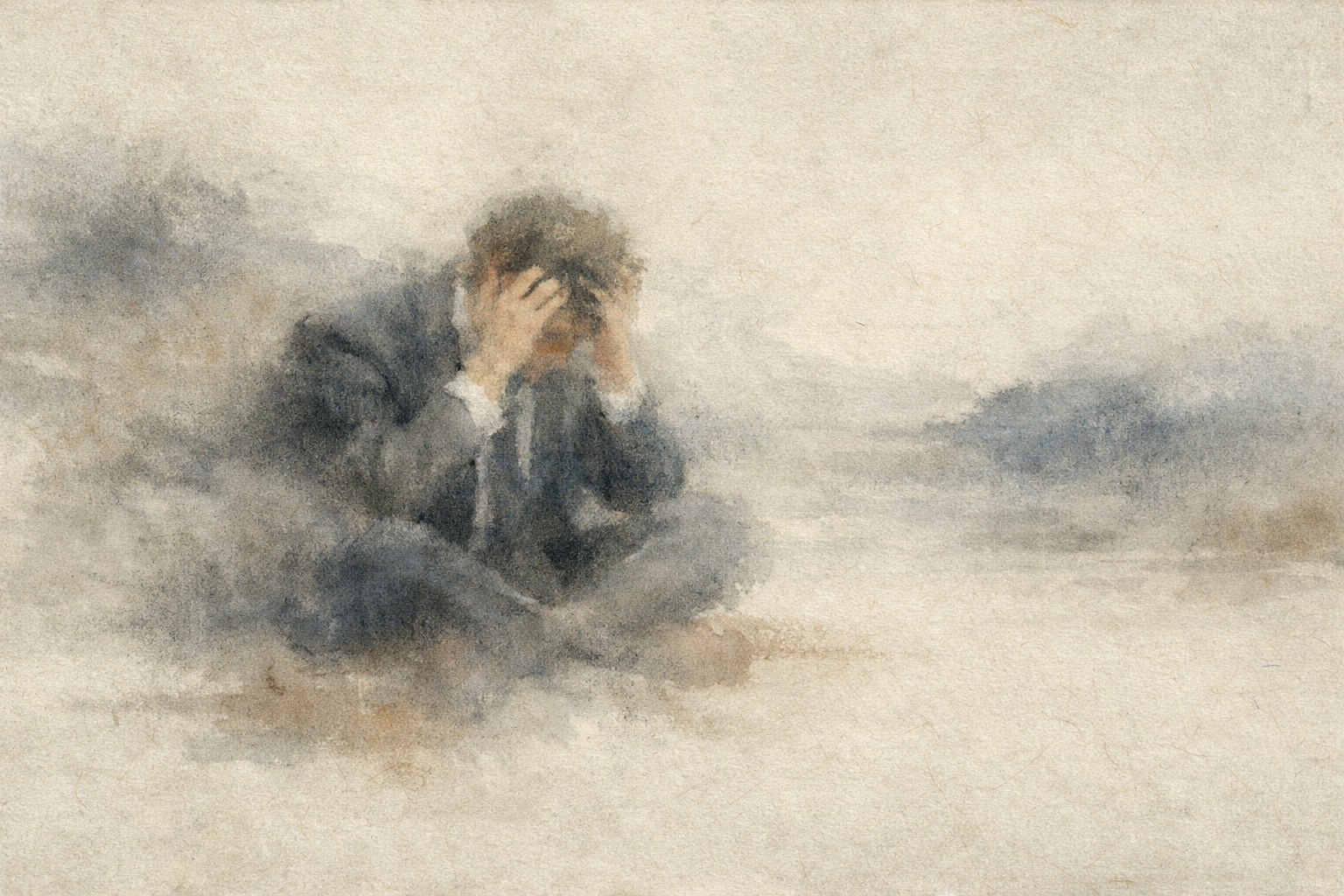
Quick Summary
- After stress, loss, or burnout, many people look for a way to relate differently to pain—not just “fix” it.
- Buddhism often appeals because it treats suffering as a human condition with practical causes and workable responses.
- It offers a lens: notice craving, resistance, and stories that intensify distress, then soften the grip.
- People are drawn to its emphasis on direct experience, not forced optimism or quick spiritual answers.
- Simple practices—attention, ethics, compassion—can feel stabilizing when life feels unmanageable.
- It can provide language for grief and exhaustion without labeling you as broken.
- The healthiest turn toward Buddhism supports real-world care (rest, boundaries, therapy) rather than replacing it.
Introduction
When stress finally breaks you open—through burnout, grief, or a season of relentless pressure—most advice starts to sound thin: “be positive,” “push through,” “take a vacation.” What you’re actually looking for is a way to live with what happened without being consumed by it, and that’s where Buddhism often feels unusually practical and honest. At Gassho, we write about Buddhist perspectives in plain language for real life.
People don’t usually turn to Buddhism because everything is going well. They turn because something stopped working: the old identity, the old pace, the old promises that effort alone guarantees stability. Stress, loss, and burnout can strip away the sense of control that used to hold life together, and in that stripped-down place, a teaching that starts with suffering can feel like relief rather than pessimism.
This doesn’t mean Buddhism is a cure-all, or that it replaces medical or psychological support. But it can offer a steady lens for understanding why the mind tightens under pressure, why grief repeats itself in waves, and why “getting back to normal” can feel impossible—because normal was part of the problem.
A Lens That Makes Suffering Understandable
A big reason some people turn to Buddhism after stress, loss, or burnout is that it frames suffering as something intelligible. Not as a personal failure, not as a punishment, and not as a sign you’re weak. It’s more like: pain happens, and then the mind adds layers—fear, resistance, self-blame, catastrophic stories—that can multiply the pain.
This lens is less about adopting beliefs and more about observing cause and effect in your own experience. When you’re burned out, you can often see the chain clearly: pressure leads to tension, tension leads to irritability or numbness, numbness leads to disconnection, disconnection leads to more anxiety. Buddhism tends to say: start there. See the pattern. Work with the pattern.
It also offers a different relationship to control. After loss, the mind often searches for a lever—something you could have done, something you can do now—to undo what happened. Buddhism doesn’t demand that you “accept” in a forced way; it invites you to notice where the fight with reality is exhausting you, and where a softer grip might conserve energy for what actually helps.
And because the emphasis is on direct experience, it can feel grounded. You don’t have to pretend you’re okay. You don’t have to rush to meaning. You can simply learn to meet what’s here—sensations, thoughts, emotions—without making it worse through constant inner argument.
GASSHO
Ask and learn about Buddhism in daily life.
GASSHO is a Buddhist community app where you can learn Buddhist teachings and ask questions to the head priest of Kongosanmaiin Temple on Mount Koya.
How It Shows Up in Everyday Moments
After burnout, a common experience is that your attention becomes fragile. You sit down to work and your mind scatters; you try to rest and your body stays on alert. A Buddhist approach often begins with noticing that this isn’t a moral issue. It’s a nervous system and a mind that learned to brace for impact.
In ordinary moments, the shift can look small: you catch the instant you start bargaining with reality—“this shouldn’t be happening,” “I can’t handle this,” “I have to fix this right now.” Instead of arguing with the thought, you recognize it as a stress response. That recognition alone can create a little space.
Grief often brings looping. You remember, you ache, you replay conversations, you imagine alternate outcomes. Buddhism doesn’t require you to stop loving or stop remembering. It points to the difference between feeling grief and being dragged by it. Sometimes the practice is simply: feel the wave, name it gently, and let it move without building a second wave of self-judgment.
Stress can also narrow your world into tasks and threats. You might notice you’re only scanning for what’s wrong: the email you missed, the tone in someone’s voice, the next deadline. A Buddhist lens encourages widening attention on purpose—feeling your feet on the floor, hearing ambient sound, noticing one neutral or pleasant detail—so the mind isn’t trapped in emergency mode all day.
Another lived experience is the urge to become someone else: the “strong” person, the “productive” person, the “spiritual” person who never breaks. Buddhism can be a relief here because it repeatedly points back to what’s happening now, not who you’re supposed to be. When identity loosens, even slightly, the pressure to perform your way out of pain can ease.
In relationships, burnout and loss often show up as reactivity: snapping, withdrawing, over-explaining, people-pleasing. A practical Buddhist move is to notice the body cue that comes before the reaction—tight chest, clenched jaw, heat in the face. If you can catch the cue, you sometimes get a choice: pause, breathe, respond more cleanly, or say you need time.
Over time, many people find that compassion becomes less like a virtue and more like a survival skill. When you’re depleted, harsh self-talk is expensive. Buddhism often trains a kinder inner tone—not to be nice, but because cruelty inside the mind drains the little energy you have left.
Misunderstandings That Can Get in the Way
One common misunderstanding is that turning to Buddhism after stress, loss, or burnout means you’re trying to escape life. Sometimes it is escapism, but often it’s the opposite: a wish to face life without being constantly overwhelmed. The difference shows up in whether practice helps you engage more honestly with your needs—rest, boundaries, support—or whether it becomes a way to bypass them.
Another misunderstanding is that Buddhism is about suppressing emotion. People hear words like “non-attachment” and assume it means not caring. In lived practice, it’s usually about caring without clinging—allowing love and grief to exist without demanding that reality be different so you can feel safe.
Some people also mistake Buddhist ideas for a command to “accept everything” immediately. After trauma or severe burnout, forced acceptance can become another form of self-pressure. A healthier interpretation is gradual honesty: acknowledging what is true today, and taking the next workable step without pretending it doesn’t hurt.
Finally, there’s the misconception that Buddhism should make you calm all the time. If you come to it after stress, you might expect quick relief. But the early benefit is often clarity rather than calm: seeing how the mind escalates, seeing what triggers you, seeing what you actually need. Calm may come later, and it may come and go.
Why This Turn Can Change Daily Life
When people turn to Buddhism after stress, loss, or burnout, they’re often looking for something that works on a Tuesday afternoon—not just during a crisis. The value is in small, repeatable shifts: pausing before reacting, noticing when you’re spiraling, choosing one kind action instead of one more self-attack.
It can also reshape how you measure a “good day.” Burnout trains you to evaluate life by output. Loss can make any day without the person or the old life feel like a failure. A Buddhist lens can quietly re-center the day around qualities you can actually practice: steadiness, honesty, patience, and care.
Ethics can matter here in a surprisingly practical way. When you’re depleted, you’re more likely to cut corners, lash out, or numb out—then feel worse afterward. Living with a bit more restraint and kindness isn’t about being perfect; it reduces the secondary suffering that comes from regret and conflict.
Many people also find community helpful, even if they’re not “joiners.” After burnout or grief, isolation can become a default. A simple, respectful community—online or in person—can normalize your experience and remind you that your mind isn’t uniquely broken; it’s human under strain.
Most importantly, Buddhism can support a realistic kind of hope. Not the hope that nothing bad will happen again, but the hope that you can meet what happens with more skill, less self-violence, and more room to breathe.
Conclusion
Some people turn to Buddhism after stress, loss, or burnout because it doesn’t insult their experience with easy answers. It offers a workable lens: suffering has causes, the mind adds layers, and attention plus compassion can change how those layers form. For many, that’s exactly what’s needed when life has proven it won’t stay controllable.
If you’re in that place now, the most helpful approach is gentle and practical: start small, stay grounded in your real needs, and let Buddhist ideas serve your life rather than become another standard you have to meet.
Ask a Buddhist priest
Have a question about Buddhism?
In the GASSHO app, you can ask questions about Buddhist teachings, daily concerns, and how to understand Buddhism in everyday life.
Frequently Asked Questions
- FAQ 1: Why do some people turn to Buddhism specifically after burnout?
- FAQ 2: Why does Buddhism appeal after a major loss?
- FAQ 3: Is turning to Buddhism after stress a form of escapism?
- FAQ 4: What does Buddhism offer that typical stress advice doesn’t?
- FAQ 5: Why do people seek Buddhism when they feel emotionally numb after burnout?
- FAQ 6: Does Buddhism say stress and suffering are inevitable, so nothing can change?
- FAQ 7: Why can Buddhist ideas feel comforting when life feels out of control?
- FAQ 8: Why do some people become interested in Buddhism after a panic or anxiety period?
- FAQ 9: Is it common to turn to Buddhism after a career-related burnout?
- FAQ 10: Why do people turn to Buddhism when they feel guilty for not coping better?
- FAQ 11: Can Buddhism help with grief without trying to “fix” it?
- FAQ 12: Why do some people turn to Buddhism after a relationship breakup that caused stress or burnout?
- FAQ 13: Does turning to Buddhism after burnout mean you have to become religious?
- FAQ 14: Why can Buddhist compassion practices feel relevant after chronic stress?
- FAQ 15: What’s a healthy way to explore Buddhism after stress, loss, or burnout?
FAQ 1: Why do some people turn to Buddhism specifically after burnout?
Answer: Burnout often collapses the belief that more effort will solve everything. Buddhism can feel relevant because it focuses on how striving, pressure, and mental resistance amplify suffering—and it offers practical ways to relate to experience with less struggle.
Takeaway: Burnout makes “how the mind works” feel urgent, and Buddhism speaks directly to that.
FAQ 2: Why does Buddhism appeal after a major loss?
Answer: After loss, many people need a framework that can hold grief without rushing it or explaining it away. Buddhism often resonates because it treats change and impermanence as central facts of life and emphasizes meeting pain honestly while reducing the extra suffering created by clinging and “if only” thinking.
Takeaway: It can validate grief while offering tools to soften the mind’s painful loops.
FAQ 3: Is turning to Buddhism after stress a form of escapism?
Answer: It can be, but it doesn’t have to be. It’s escapism if it’s used to avoid necessary action (rest, boundaries, honest conversations, professional help). It’s constructive if it helps you face stress more clearly, respond less reactively, and care for yourself and others more realistically.
Takeaway: The test is whether practice supports real-world responsibility and wellbeing.
FAQ 4: What does Buddhism offer that typical stress advice doesn’t?
Answer: Much stress advice aims at symptom relief or productivity recovery. Buddhism often goes deeper into the mechanics of suffering: how craving, aversion, and self-story intensify distress. That can feel more honest after burnout, when “just manage your time better” sounds disconnected from reality.
Takeaway: It addresses the inner drivers of stress, not only the outer schedule.
FAQ 5: Why do people seek Buddhism when they feel emotionally numb after burnout?
Answer: Numbness can be a protective response to prolonged overload. Buddhism can appeal because it encourages gentle, non-judging awareness of what’s present (including numbness) and helps people reconnect with experience gradually, without forcing big feelings or dramatic breakthroughs.
Takeaway: It offers a patient way to re-enter feeling and presence safely.
FAQ 6: Does Buddhism say stress and suffering are inevitable, so nothing can change?
Answer: Buddhism acknowledges that pain and change are part of life, but it also emphasizes that the mind’s added suffering can be reduced. People often turn to it after stress or loss because it offers a middle path: not denial, not despair—just workable steps to suffer less unnecessarily.
Takeaway: It’s realistic about pain while still pointing to meaningful relief.
FAQ 7: Why can Buddhist ideas feel comforting when life feels out of control?
Answer: Stress and loss often trigger a desperate search for certainty. Buddhism can be comforting because it normalizes uncertainty and trains steadiness in the middle of it—by returning attention to what’s actually happening now and loosening the demand that reality must cooperate for you to be okay.
Takeaway: It helps people stop fighting uncertainty as if it were a personal failure.
FAQ 8: Why do some people become interested in Buddhism after a panic or anxiety period?
Answer: Anxiety can make thoughts feel like facts and sensations feel like danger. Buddhism often attracts people because it trains observation: noticing thoughts as thoughts, sensations as sensations, and learning to respond rather than automatically react. That shift can reduce the spiral that keeps anxiety going.
Takeaway: It offers skills for changing your relationship to anxious thoughts and body signals.
FAQ 9: Is it common to turn to Buddhism after a career-related burnout?
Answer: Yes. Career burnout often exposes how identity can get fused with achievement and approval. Buddhism can resonate because it questions the idea that a stable self is built through constant proving, and it emphasizes values like clarity, compassion, and balance over endless performance.
Takeaway: Burnout can trigger a values reset, and Buddhism supports that shift.
FAQ 10: Why do people turn to Buddhism when they feel guilty for not coping better?
Answer: After stress or loss, guilt often comes from unrealistic expectations: “I should be stronger,” “I should be over this.” Buddhism can help because it treats suffering as impersonal and conditioned—something that arises due to causes—so you can replace shame with curiosity and care: “What’s happening, and what helps?”
Takeaway: It can shift the inner tone from self-blame to understanding.
FAQ 11: Can Buddhism help with grief without trying to “fix” it?
Answer: Many people turn to Buddhism because it makes room for grief as a natural response to love and change. The emphasis is often on meeting grief directly, reducing the mind’s secondary suffering (rumination, self-attack, resistance), and acting with kindness while the heart heals in its own time.
Takeaway: It supports grieving as a process, not a problem to solve quickly.
FAQ 12: Why do some people turn to Buddhism after a relationship breakup that caused stress or burnout?
Answer: Breakups can combine loss, identity disruption, and anxious rumination. Buddhism may appeal because it helps people observe attachment patterns—clinging, idealizing, resisting reality—without demonizing themselves, and it encourages compassion and steadiness while emotions fluctuate.
Takeaway: It offers a way to hold heartbreak without being ruled by the mind’s stories.
FAQ 13: Does turning to Buddhism after burnout mean you have to become religious?
Answer: Not necessarily. Many people engage with Buddhism as a practical lens and set of practices for working with stress and suffering, without adopting a religious identity. What matters is whether the approach helps you become more present, less reactive, and more compassionate in daily life.
Takeaway: For many, it’s a practice-based approach rather than a label.
FAQ 14: Why can Buddhist compassion practices feel relevant after chronic stress?
Answer: Chronic stress often turns the inner voice harsh and the nervous system defensive. Compassion practices can feel relevant because they directly counter self-criticism and threat-based thinking, which are common after burnout. This isn’t about being sentimental; it’s about reducing internal friction that drains energy.
Takeaway: Compassion can be a practical antidote to the inner brutality stress creates.
FAQ 15: What’s a healthy way to explore Buddhism after stress, loss, or burnout?
Answer: Start small and keep it grounded: short periods of quiet attention, simple reflection on what increases or reduces suffering, and gentle ethics like speaking truthfully and resting when needed. If you’re struggling significantly, pair spiritual exploration with appropriate professional support and practical life changes.
Takeaway: Explore gently, prioritize stability, and let practice support—not replace—real care.