



Why Do I Get Sleepy During Meditation? What Beginners Should Know
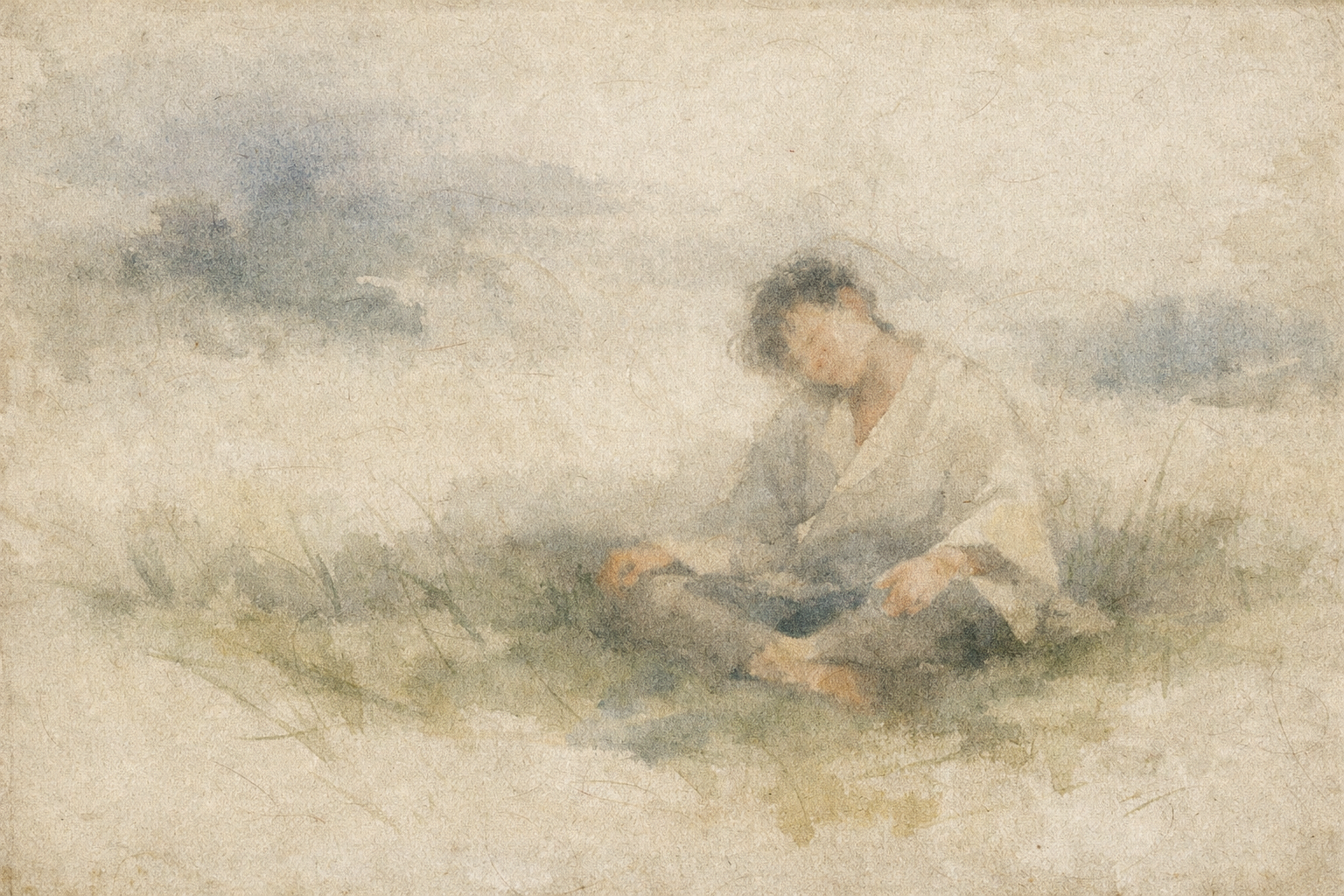
- Getting sleepy during meditation is common, especially for beginners, and it usually has practical causes.
- Drowsiness often shows up when the mind finally slows down and the body takes the chance to recover.
- Posture, breathing style, time of day, and sleep debt can quietly push you toward nodding off.
- “Calm” and “dull” can feel similar at first; learning the difference is part of training attention.
- Small adjustments (eyes, spine, breath, session length) usually work better than forcing willpower.
- If sleepiness is persistent, it can be a signal to improve rest, stress load, or overall health.
- The goal isn’t to “win” against sleepiness—it’s to notice it clearly and respond skillfully.
You sit down to meditate, and within minutes your head starts dipping, your thoughts blur, and you’re not sure if you’re practicing correctly or just taking a disguised nap. It’s frustrating because you may feel sincere and motivated, yet your body seems to vote for sleep the moment you get quiet. At Gassho, we’ve guided many beginners through this exact problem and the simple fixes that usually resolve it.
A Clear Lens: Sleepiness Is Information, Not Failure
A helpful way to understand “why do I get sleepy during meditation” is to treat sleepiness as information. When stimulation drops—no screens, no tasks, no conversation—the nervous system reveals what it has been carrying. Sometimes that’s tension and restlessness. Sometimes it’s fatigue that was being masked by busyness.
Meditation also changes the balance of attention. When you stop chasing thoughts and start resting with the breath or body sensations, the mind can become quieter. For many beginners, “quiet” is unfamiliar, and the brain interprets the low-input state as a cue for sleep. This doesn’t mean meditation is making you worse at focusing; it often means you’re finally noticing how tired you actually are.
There’s another layer: calm can slide into dullness. Calm is clear, steady, and present. Dullness is hazy, heavy, and drifting. Early on, the two can feel similar because both are less agitated than normal thinking. Learning to recognize the difference is a core skill, and it develops through gentle repetition rather than self-criticism.
So the central perspective is simple: sleepiness is not a moral verdict on your practice. It’s a signal about conditions—sleep, posture, breath, timing, stress—and about how your attention is being held. When you respond by adjusting conditions instead of blaming yourself, meditation becomes more workable and more honest.
GASSHO
Ask and learn about Buddhism in daily life.
GASSHO is a Buddhist community app where you can learn Buddhist teachings and ask questions to the head priest of Kongosanmaiin Temple on Mount Koya.
What Sleepiness Feels Like While You’re Sitting
Often it starts subtly. You’re following the breath, and then you realize you’ve been “gone” for a few seconds. The breath is still there, but it feels far away, like you’re listening from another room. You come back, and a minute later it happens again.
For some people, the body gives early warnings: warm heaviness in the face, drooping eyelids, a pleasant sinking feeling in the chest or belly. The mind may feel smooth and quiet, but not sharp. Thoughts become dreamlike—less like sentences and more like drifting images.
Another common pattern is the “micro-nod.” The spine slowly collapses, the chin drops, and you jolt awake with a small startle. That jolt can bring a wave of irritation or embarrassment, which then becomes the next distraction.
Sometimes sleepiness is actually avoidance in a very ordinary sense. When you begin to feel boredom, discomfort, or emotional tightness, the mind may prefer to blur out rather than stay present. This isn’t sinister; it’s a normal protective habit. The key is noticing the moment the clarity starts to fade—before you fully drift.
Breathing patterns matter more than most beginners expect. If your breath becomes too soft, too slow, or overly “relaxed on purpose,” the body can interpret it as a pre-sleep routine. On the other hand, if you’re subtly holding the breath or slumping, you may reduce oxygen and alertness, which can also feel like drowsiness.
Time of day can be decisive. Meditating late at night after work, after a heavy meal, or in a warm dim room can make sleepiness almost inevitable. In those moments, the practice isn’t “wrong”—the conditions are simply stacked toward sleep.
And sometimes the simplest truth is the most important: you’re tired. Meditation removes the usual stimulation that keeps you propped up. When the mind stops performing, the body finally asks for what it needs.
Common Misreadings That Make Drowsiness Worse
One misunderstanding is assuming that getting sleepy means you’re “bad at meditation.” In reality, many sincere practitioners meet sleepiness early on because they’re finally sitting still enough to notice fatigue and mental dullness. The skill is not never getting sleepy; it’s recognizing sleepiness quickly and responding without drama.
Another misreading is confusing dullness with peace. A quiet mind can feel pleasant, and it’s easy to settle for a foggy calm that’s actually a slow slide into sleep. A practical test is clarity: can you feel the breath distinctly, hear sounds cleanly, and notice thoughts as thoughts? If not, you may be drifting rather than resting.
Many beginners try to “power through” with tension—clenching the jaw, forcing the eyes open, or holding the breath. That can create a short burst of alertness, but it often backfires by making meditation feel like a struggle. A better approach is to adjust conditions: posture, gaze, breath tone, and session length.
It’s also common to treat sleepiness as something to suppress instead of something to observe. If you can label it simply—“sleepy, sleepy”—and feel how it manifests in the body, you’re already practicing. The moment you can see it clearly, you have options.
Finally, some people assume meditation should always be done with eyes closed. For many beginners, closed eyes strongly cue the brain for sleep. There’s nothing sacred about closed eyes; what matters is stable attention and wakeful presence.
Why This Matters Off the Cushion, Too
Learning to work with sleepiness during meditation trains a life skill: responding to low-energy states with clarity rather than autopilot. In daily life, dullness shows up as scrolling, snacking, procrastinating, zoning out in conversations, or pushing through exhaustion with caffeine and stress. Meditation makes the pattern visible in a simpler setting.
When you can recognize the early signs of drifting—heaviness, blur, collapse—you can respond earlier in everyday moments too. Maybe that means taking a short walk, drinking water, changing tasks, or simply admitting you need rest. That honesty is not indulgence; it’s realistic care.
It also protects the quality of your practice. If every sit becomes a battle with sleep, you’ll start avoiding meditation or judging yourself. But if you treat sleepiness as a condition to work with, you can keep practice gentle and consistent—shorter sessions, better timing, more supportive posture—without turning it into a test of character.
Over time, many people discover that meditation doesn’t just reveal sleepiness; it reveals the pace of their life. If your only quiet moment is at the end of an overfull day, your body may be telling the truth: it’s not time for deep contemplation, it’s time for recovery.
Conclusion: A Wakeful Practice Is Built from Small Adjustments
If you keep asking “why do I get sleepy during meditation,” start with the simplest answer: because stillness exposes what stimulation hides. Then get practical. Sit with a taller spine, keep a soft open gaze, choose a time when you’re naturally more alert, and shorten the session so you can stay clear. Sleepiness isn’t a sign you should quit—it’s a sign you should refine the conditions and learn the feel of wakeful calm.
Ask a Buddhist priest
Have a question about Buddhism?
In the GASSHO app, you can ask questions about Buddhist teachings, daily concerns, and how to understand Buddhism in everyday life.
Frequently Asked Questions
- FAQ 1: Why do I get sleepy during meditation even when I’m not tired?
- FAQ 2: Is getting sleepy during meditation a sign I’m meditating correctly?
- FAQ 3: Why do I get sleepy during meditation when I close my eyes?
- FAQ 4: Why do I get sleepy during meditation when focusing on the breath?
- FAQ 5: Why do I get sleepy during meditation after a meal?
- FAQ 6: Why do I get sleepy during meditation in the morning?
- FAQ 7: Why do I get sleepy during meditation at night?
- FAQ 8: Why do I get sleepy during meditation when I try to relax?
- FAQ 9: Why do I get sleepy during meditation even if I slept enough?
- FAQ 10: Why do I get sleepy during meditation when I’m sitting still but not when I’m active?
- FAQ 11: Why do I get sleepy during meditation and start dreaming?
- FAQ 12: Why do I get sleepy during meditation when I meditate longer than 10 minutes?
- FAQ 13: Why do I get sleepy during meditation when I’m stressed?
- FAQ 14: Why do I get sleepy during meditation and my head keeps nodding?
- FAQ 15: Why do I get sleepy during meditation, and when should I be concerned?
FAQ 1: Why do I get sleepy during meditation even when I’m not tired?
Answer: Meditation reduces stimulation and mental “doing,” so the brain can interpret the quiet as a cue to downshift. You may also be carrying hidden fatigue or stress that only becomes obvious when you stop moving.
Takeaway: Sleepiness can be a response to low stimulation, not proof you’re doing it wrong.
FAQ 2: Is getting sleepy during meditation a sign I’m meditating correctly?
Answer: Not necessarily. It can mean you’re relaxing, but it can also mean attention is becoming dull. “Correct” practice is more about clear awareness than about feeling calm or heavy.
Takeaway: Aim for relaxed clarity, not foggy comfort.
FAQ 3: Why do I get sleepy during meditation when I close my eyes?
Answer: Closed eyes often trigger sleep associations and reduce sensory input, which can quickly lower alertness. Many beginners do better with a soft, slightly downward gaze and relaxed facial muscles.
Takeaway: If closing your eyes makes you drowsy, try meditating with eyes gently open.
FAQ 4: Why do I get sleepy during meditation when focusing on the breath?
Answer: Breath focus can become monotonous if attention is too narrow or if you unconsciously slow the breath to “relax.” Keeping the breath natural and including broader body sensations can help maintain brightness.
Takeaway: Let the breath be natural and keep awareness vivid, not overly tight.
FAQ 5: Why do I get sleepy during meditation after a meal?
Answer: Digestion shifts blood flow and can increase heaviness, especially after large or carb-heavy meals. A lighter meal, more time between eating and sitting, or a short walk beforehand can reduce drowsiness.
Takeaway: Post-meal meditation is naturally sleepier—adjust timing or keep sessions shorter.
FAQ 6: Why do I get sleepy during meditation in the morning?
Answer: Morning drowsiness can come from sleep inertia, dehydration, or meditating too soon after waking. Washing your face, drinking water, getting a bit of light, or doing a few minutes of gentle movement can help.
Takeaway: Wake the body first, then sit.
FAQ 7: Why do I get sleepy during meditation at night?
Answer: At night your circadian rhythm is already pushing toward sleep, and meditation lowers stimulation further. If you only have evenings available, consider a shorter sit, a more upright posture, and a slightly brighter room.
Takeaway: Night meditation often needs extra support for alertness.
FAQ 8: Why do I get sleepy during meditation when I try to relax?
Answer: “Relax” can accidentally become “collapse.” If relaxation means slumping, softening too much, or drifting, the body reads it as pre-sleep behavior. Try relaxing tension while keeping the spine tall and the attention engaged.
Takeaway: Relaxation should release strain without losing uprightness and clarity.
FAQ 9: Why do I get sleepy during meditation even if I slept enough?
Answer: Sleep quantity isn’t the same as sleep quality. Stress, irregular schedules, alcohol, or fragmented sleep can leave you foggy even after “enough hours.” Meditation may simply reveal that baseline fog more clearly.
Takeaway: Persistent drowsiness can point to sleep quality, not just hours.
FAQ 10: Why do I get sleepy during meditation when I’m sitting still but not when I’m active?
Answer: Activity provides constant stimulation and posture changes that keep arousal levels up. Stillness removes those supports, so the nervous system can drop into a lower gear quickly—especially if you’re running on stress or momentum.
Takeaway: Stillness unmasks fatigue that activity can temporarily cover.
FAQ 11: Why do I get sleepy during meditation and start dreaming?
Answer: Dreamlike imagery often appears when attention slips from clear awareness into a hypnagogic (sleep-onset) state. It’s a sign you’re crossing the boundary into sleep rather than staying present with sensations.
Takeaway: Dreaming during meditation usually means you’re dozing—adjust posture, eyes, or session length.
FAQ 12: Why do I get sleepy during meditation when I meditate longer than 10 minutes?
Answer: Many beginners can maintain clarity for a short period, then attention gradually dulls. Shorter sits done consistently (or two short sits with a break) often build steadier alertness than one long sit that turns into nodding.
Takeaway: Match session length to your current capacity for clear attention.
FAQ 13: Why do I get sleepy during meditation when I’m stressed?
Answer: Stress can keep you wired during the day, but once you stop, the body may rebound into shutdown or fatigue. Meditation can become the first moment your system feels safe enough to drop the guard.
Takeaway: Stress can produce a “crash into sleepiness” when you finally get quiet.
FAQ 14: Why do I get sleepy during meditation and my head keeps nodding?
Answer: Head nodding usually comes from a collapsing posture combined with drifting attention. Rebuild a tall spine, gently tuck the chin, relax the chest without slumping, and consider meditating with eyes open to increase alertness.
Takeaway: Nodding is often posture plus dullness—upright alignment helps immediately.
FAQ 15: Why do I get sleepy during meditation, and when should I be concerned?
Answer: Occasional drowsiness is normal, but be cautious if sleepiness is extreme, sudden, or happens in many settings (not just meditation), or if you suspect poor sleep, depression, or a medical sleep issue. If it’s persistent and disruptive, consider discussing it with a healthcare professional while also improving sleep habits and practice conditions.
Takeaway: Most meditation sleepiness is normal, but persistent excessive sleepiness deserves broader attention.