



Who Is Yakushi Nyorai? The Healing Buddha Explained for Beginners
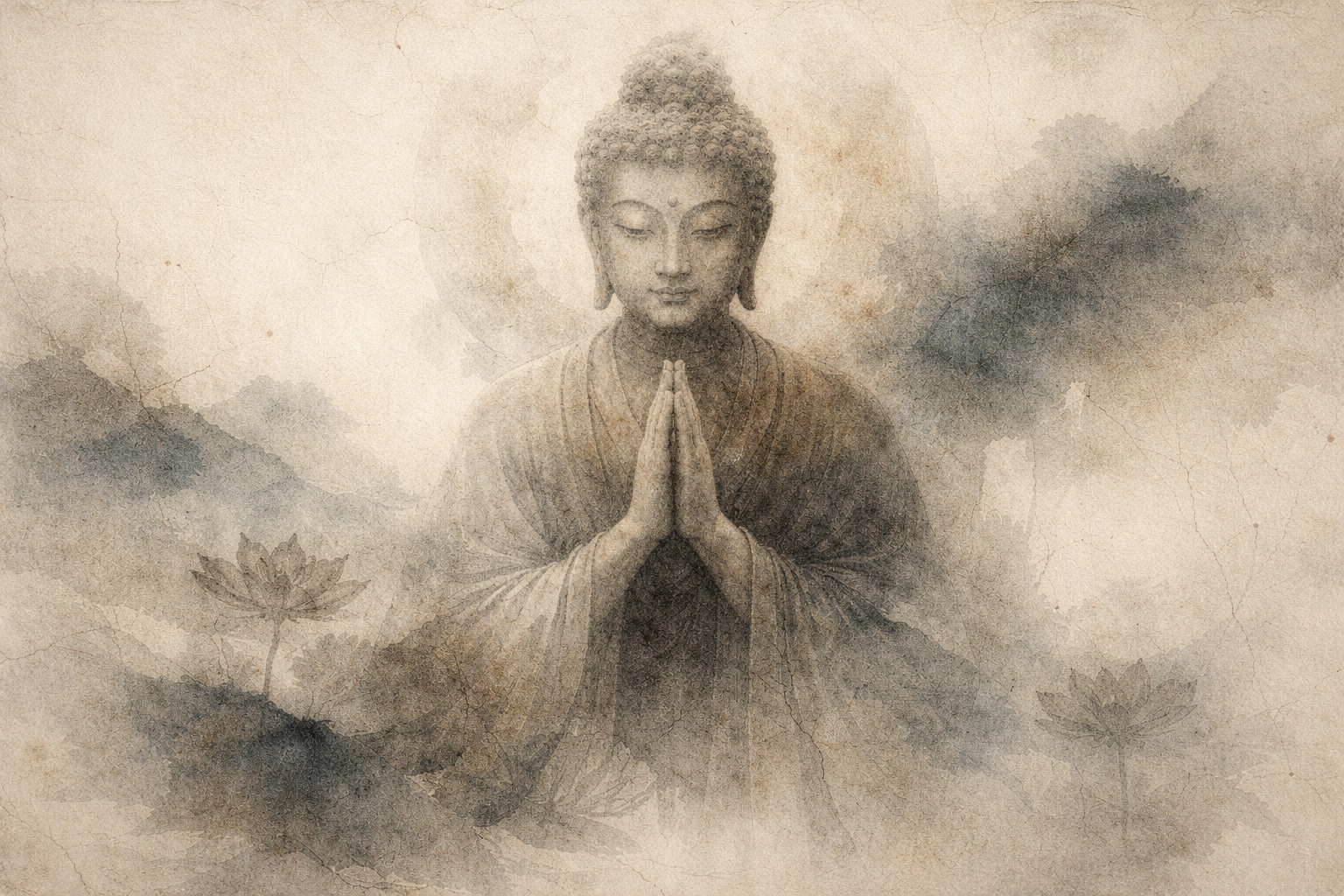
- Yakushi Nyorai is the “Medicine Buddha,” a symbol of healing, steadiness, and care for suffering.
- He is often shown holding a medicine jar and radiating calm, practical compassion.
- In beginner-friendly terms, Yakushi points to healing as a whole-life process: body, mind, relationships, and habits.
- Devotion to Yakushi is commonly expressed through chanting, making vows, and simple daily acts of care.
- “Healing” here doesn’t mean magical fixes; it means reducing harm and supporting conditions for well-being.
- You don’t need special knowledge to connect with Yakushi—clarity, sincerity, and consistency matter more.
- Yakushi practice can sit alongside modern medicine and therapy without conflict.
“Yakushi Nyorai” can be confusing because he’s called the Healing Buddha, yet most people don’t know what that actually means in real life—are we talking about miracles, medicine, prayer, or mindset? The most useful way to approach Yakushi is as a clear, compassionate lens on suffering: notice what hurts, stop adding harm, and support the conditions that let healing happen. At Gassho, we focus on practical Buddhist understanding you can apply without needing to become an expert.
Yakushi Nyorai (often called Yakushi Buddha or the Medicine Buddha) is a Buddha associated with healing and protection. In many temples and homes, he’s approached when people are sick, anxious, grieving, burned out, or simply worn down by life. But “healing” in this context is broader than curing a disease; it includes easing fear, softening despair, and rebuilding the inner stability that helps you meet whatever is happening.
For beginners, it helps to treat Yakushi as a symbol that points to something you can verify: when the mind is panicked, scattered, or harsh, everything feels worse; when the mind is steady and kind, you can respond more wisely. Yakushi represents that steady, medicine-like quality—calm attention plus compassionate action.
Traditional imagery often shows Yakushi holding a small jar or bowl of medicine (or a healing nectar) and sometimes a plant associated with remedies. The message is simple: relief is possible, and it usually comes through causes and conditions—care, discipline, support, and time—rather than through wishful thinking.
Seeing Yakushi Nyorai as a Lens for Healing
Yakushi Nyorai can be understood as a way of seeing healing that is both compassionate and realistic. Instead of asking, “How do I get rid of this instantly?” the Yakushi lens asks, “What supports well-being right now, and what makes suffering worse?” That shift matters because it moves you from helplessness to workable steps.
In this view, healing is not only about the body. It includes the mind’s habits: catastrophizing, self-blame, resentment, and the constant pressure to be “fine.” Yakushi symbolizes a medicine that works on the whole system—how you think, how you speak, how you treat your body, and how you relate to others.
Yakushi also points to the idea that care is a form of wisdom. When you’re suffering, the “smart” move is often the gentle move: rest when you need rest, ask for help when you need help, and stop feeding the inner narratives that keep you stuck. This isn’t sentimental; it’s practical.
Finally, Yakushi practice is a reminder that healing can be gradual and still be real. A small reduction in fear, a slightly kinder inner voice, one honest conversation, one appointment kept—these are not minor. They are the medicine taking effect in ordinary life.
GASSHO
Ask and learn about Buddhism in daily life.
GASSHO is a Buddhist community app where you can learn Buddhist teachings and ask questions to the head priest of Kongosanmaiin Temple on Mount Koya.
How Yakushi Nyorai Shows Up in Everyday Experience
Think about what happens when you feel unwell or overwhelmed: the mind often tightens. Attention narrows to the problem, and everything else becomes background noise. In that narrowing, it’s easy to spiral—searching symptoms, replaying worst-case scenarios, or snapping at people who are trying to help.
Yakushi Nyorai, as a lived lens, starts with noticing that tightening. Noticing doesn’t fix anything by itself, but it changes your relationship to the moment. Instead of being fully inside the panic, you can see the panic as an event in the mind and body—strong, persuasive, and temporary.
From there, the next ordinary step is to reduce what adds harm. That might mean pausing before sending the reactive message, eating something simple instead of skipping meals, or turning down the volume on self-criticism. None of this is dramatic. It’s the kind of “medicine” that prevents suffering from multiplying.
Another place Yakushi shows up is in how you hold uncertainty. When you don’t know how something will turn out—test results, a family member’s condition, a long recovery—the mind wants certainty right now. Yakushi practice leans toward steadiness: “I can’t control everything, but I can choose my next wise action.”
In relationships, the healing lens often looks like softening the urge to win. When you’re stressed, you may demand reassurance, blame someone for not understanding, or withdraw to punish. Yakushi points to a different move: name what’s true (“I’m scared,” “I’m tired”), and ask for what’s needed without making it a fight.
Even in a normal workday, you can feel the difference between “pushing through” and “healing.” Pushing through is fueled by fear and image management. Healing is fueled by care: taking a breath before the meeting, setting one realistic priority, and letting your nervous system settle enough to think clearly.
Over time, this becomes less about a special religious moment and more about a repeated inner gesture: return to steadiness, choose the next helpful step, and treat yourself and others as worthy of care. That’s a very down-to-earth way to understand Yakushi Nyorai.
Common Misunderstandings About the Healing Buddha
One common misunderstanding is that Yakushi Nyorai is only for physical illness. People often approach him when someone is sick, but the “medicine” also speaks to mental strain, grief, addiction patterns, and the everyday injuries of being human—shame, fear, and loneliness.
Another misunderstanding is that devotion to Yakushi is a substitute for medical care. For most practitioners, it’s not either-or. Yakushi practice can support clarity, courage, and follow-through—getting the diagnosis, taking the medication correctly, keeping the therapy appointment, and asking questions without freezing.
Some people also assume that if they chant or pray and nothing changes immediately, the practice “didn’t work.” But healing is often measured in subtle shifts: less reactivity, more patience, better sleep, fewer harmful coping behaviors, or a renewed willingness to accept support.
Finally, beginners sometimes worry they must believe in something specific to connect with Yakushi. A simpler approach is to treat Yakushi as a focus for intention: “May I respond wisely to suffering. May I support what heals.” You can test that intention in your life without forcing yourself into certainty.
Why Yakushi Nyorai Still Matters in Modern Life
Modern life creates a particular kind of suffering: constant stimulation, constant comparison, and constant pressure to perform. Even when nothing is “wrong,” many people feel chronically depleted. Yakushi Nyorai matters because he represents a different standard—health as steadiness, care, and balance, not just productivity.
Yakushi also offers a compassionate alternative to self-improvement culture. Instead of treating your pain as a personal failure, the healing lens treats pain as a signal: something needs attention, support, or a change in conditions. That reduces shame, which is often the hidden fuel of burnout.
In families and communities, Yakushi points to healing as something we do together. Checking on someone, bringing food, listening without fixing, apologizing cleanly, and setting boundaries without cruelty—these are all “medicine” in the human world.
And when life can’t be “fixed,” Yakushi still has a place. There is healing that looks like acceptance, dignity, and presence. Even in difficult seasons, you can cultivate a mind that is less panicked and more capable of love.
Conclusion: Meeting Suffering with the Medicine of Steadiness
Yakushi Nyorai is the Healing Buddha, but the most beginner-friendly meaning of “healing” is simple: reduce what harms, strengthen what supports life, and meet pain with steady compassion. Whether you relate to Yakushi as a sacred figure, a symbol, or a focus for intention, the practice points you back to workable steps—breath by breath, choice by choice.
If you’re drawn to Yakushi, start small: learn his name, sit quietly for a minute, and set one clear intention for care today. The medicine is often ordinary—and that’s exactly why it helps.
Ask a Buddhist priest
Have a question about Buddhism?
In the GASSHO app, you can ask questions about Buddhist teachings, daily concerns, and how to understand Buddhism in everyday life.
Frequently Asked Questions
- FAQ 1: Who is Yakushi Nyorai?
- FAQ 2: Why is Yakushi Nyorai called the Healing Buddha or Medicine Buddha?
- FAQ 3: What does “Yakushi” mean in Yakushi Nyorai?
- FAQ 4: What is Yakushi Nyorai holding in statues and images?
- FAQ 5: Is Yakushi Nyorai only for physical illness?
- FAQ 6: Can I rely on Yakushi Nyorai instead of going to a doctor?
- FAQ 7: What is the Yakushi Nyorai mantra?
- FAQ 8: How do beginners practice devotion to Yakushi Nyorai?
- FAQ 9: What are Yakushi Nyorai’s vows?
- FAQ 10: What is the Pure Land of Yakushi Nyorai?
- FAQ 11: How is Yakushi Nyorai different from Amida Buddha?
- FAQ 12: What day is associated with Yakushi Nyorai?
- FAQ 13: Where is Yakushi Nyorai commonly enshrined in Japan?
- FAQ 14: What offerings are appropriate for Yakushi Nyorai?
- FAQ 15: What is a simple prayer I can say to Yakushi Nyorai?
FAQ 1: Who is Yakushi Nyorai?
Answer: Yakushi Nyorai is the Buddha associated with healing and relief from suffering, often called the Medicine Buddha. He is approached for support with illness, fear, and the conditions that make life feel unsteady.
Takeaway: Yakushi Nyorai represents healing as compassionate, practical support for suffering.
FAQ 2: Why is Yakushi Nyorai called the Healing Buddha or Medicine Buddha?
Answer: He is called the Healing Buddha because his symbolism centers on “medicine” for suffering—care that supports well-being of body and mind. The title points to healing as a process of restoring balance and reducing harm.
Takeaway: “Medicine” here is a broad image for what relieves suffering, not just a literal cure.
FAQ 3: What does “Yakushi” mean in Yakushi Nyorai?
Answer: “Yakushi” refers to medicine and healing; “Nyorai” is a Japanese term used for a Buddha (a “Tathāgata”). Together, Yakushi Nyorai indicates the Buddha of healing medicine.
Takeaway: The name itself highlights healing as Yakushi’s central theme.
FAQ 4: What is Yakushi Nyorai holding in statues and images?
Answer: Yakushi Nyorai is commonly depicted holding a medicine jar or bowl, symbolizing remedies for suffering. Some images also include associations with healing herbs, emphasizing care and restoration.
Takeaway: The medicine jar is a visual cue: Yakushi embodies healing and protection.
FAQ 5: Is Yakushi Nyorai only for physical illness?
Answer: No. While many people pray to Yakushi Nyorai for health concerns, he is also connected with easing mental distress, fear, grief, and the inner turmoil that can accompany difficult life situations.
Takeaway: Yakushi’s “healing” includes both body and mind.
FAQ 6: Can I rely on Yakushi Nyorai instead of going to a doctor?
Answer: Yakushi Nyorai devotion is generally understood as spiritual support, not a replacement for medical care. Many practitioners see Yakushi practice as strengthening calm, clarity, and follow-through alongside appropriate treatment.
Takeaway: Yakushi practice can complement healthcare by supporting steadiness and wise action.
FAQ 7: What is the Yakushi Nyorai mantra?
Answer: Yakushi Nyorai is associated with the Medicine Buddha dharani/mantra, often chanted for healing intentions and protection. Different traditions use slightly different recensions and pronunciations, so it’s best to learn a version from a reliable temple or text.
Takeaway: The mantra is a focused way to express healing intention and steadiness.
FAQ 8: How do beginners practice devotion to Yakushi Nyorai?
Answer: Beginners often start with simple actions: saying Yakushi Nyorai’s name, chanting a short mantra, offering a candle or incense if appropriate, and making a clear intention to reduce harm and support healing in daily life.
Takeaway: Consistent, simple practice is enough to begin connecting with Yakushi.
FAQ 9: What are Yakushi Nyorai’s vows?
Answer: Yakushi Nyorai is traditionally linked with vows to relieve suffering and support beings through healing and guidance. For beginners, the practical point is that Yakushi represents a commitment to compassionate care and the conditions that help people recover and live well.
Takeaway: The vows emphasize healing as compassionate support, not punishment or judgment.
FAQ 10: What is the Pure Land of Yakushi Nyorai?
Answer: Yakushi Nyorai is associated with a Buddha realm often described as the “Pure Lapis Lazuli” world. In devotional contexts, it represents an environment of clarity and healing—an image of conditions where suffering is eased and wisdom is supported.
Takeaway: The Pure Land imagery points to healing conditions and clarity, expressed in symbolic form.
FAQ 11: How is Yakushi Nyorai different from Amida Buddha?
Answer: Yakushi Nyorai is primarily associated with healing and protection, while Amida Buddha is primarily associated with compassion and rebirth in a Pure Land tradition. People may venerate both, but Yakushi is the figure most directly linked with health and relief from illness-related suffering.
Takeaway: Yakushi centers on healing; Amida centers on compassionate rescue and Pure Land devotion.
FAQ 12: What day is associated with Yakushi Nyorai?
Answer: In some Japanese temple calendars, Yakushi Nyorai is associated with certain observance days (often tied to monthly temple services rather than a single universal date). The best approach is to check the schedule of a local temple that enshrines Yakushi.
Takeaway: Yakushi observances vary by temple, so local tradition matters.
FAQ 13: Where is Yakushi Nyorai commonly enshrined in Japan?
Answer: Yakushi Nyorai is widely enshrined across Japan in temples that emphasize healing prayers and protective rites. Many regions have well-known Yakushi halls where people visit to pray for health, recovery, and family well-being.
Takeaway: Yakushi devotion is widespread and often connected with community prayers for health.
FAQ 14: What offerings are appropriate for Yakushi Nyorai?
Answer: Common offerings include a candle, incense, flowers, clean water, or a simple, respectful gesture such as bowing with sincere intention. The spirit of the offering matters more than expense: gratitude, humility, and a wish for healing for oneself and others.
Takeaway: Keep offerings simple and sincere, focused on healing intention.
FAQ 15: What is a simple prayer I can say to Yakushi Nyorai?
Answer: A simple prayer is: “Yakushi Nyorai, please support healing and clarity. Help me reduce what harms and strengthen what brings well-being for myself and all beings.” You can say it in your own words, calmly and consistently.
Takeaway: A short, sincere request for healing and wise action is a complete beginner prayer.