



What Is Vietnamese Buddhism? Zen, Pure Land, and Daily Practice Explained
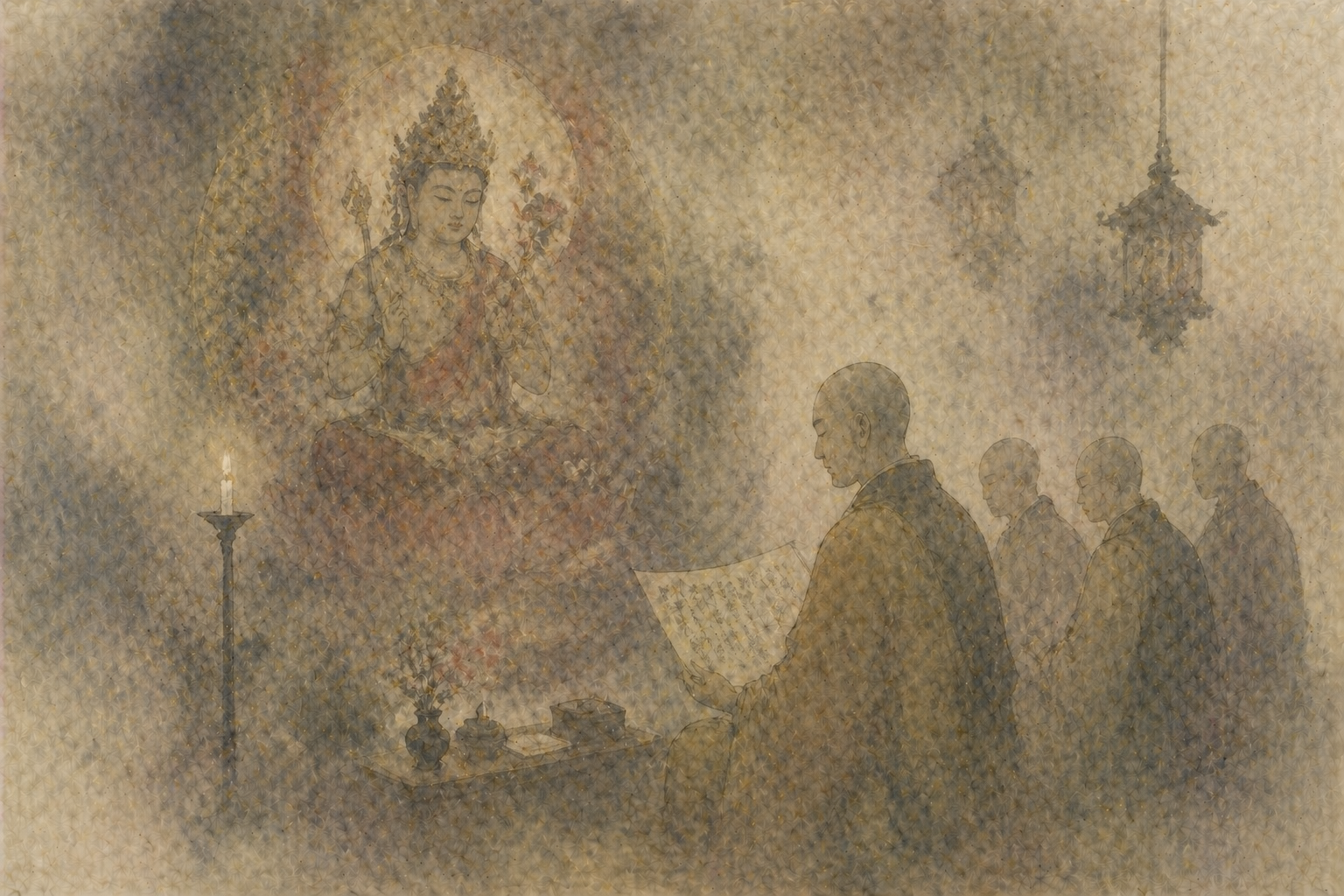
Quick Summary
- Vietnamese Buddhism is a lived, everyday tradition that blends meditation, chanting, ethics, and community life.
- It often holds Zen-style mindfulness and Pure Land-style devotion side by side, without treating them as contradictions.
- Practice commonly centers on calming the mind, softening reactivity, and cultivating compassion in ordinary situations.
- Temples and home altars support a rhythm of remembrance: gratitude, repentance, aspiration, and care for others.
- Ancestor respect is frequently present as a cultural-and-spiritual way of honoring interdependence and responsibility.
- Many Vietnamese Buddhists focus less on labels and more on what reduces suffering in the heart and in relationships.
- You can begin simply: a few minutes of mindful breathing, a short chant, and one concrete act of kindness daily.
Introduction
If you’re trying to understand Vietnamese Buddhism, the confusing part is usually this: it doesn’t fit neatly into one box—people may meditate quietly, chant devotional phrases, visit temples for ceremonies, and keep a home altar, all as one coherent path. That mix can look inconsistent from the outside, but from the inside it’s practical: use whatever helps the mind become steadier, kinder, and less trapped by fear and habit. At Gassho, we write about Buddhism as something you can test in daily life rather than merely classify.
Vietnamese Buddhism is best understood as a set of complementary practices aimed at transforming how experience is met—moment by moment—especially in family life, work stress, grief, and the ordinary pressures of being human.
A Practical Lens for Understanding Vietnamese Buddhism
Vietnamese Buddhism can be approached as a lens: suffering increases when the mind clings, resists, and runs on automatic stories; suffering decreases when attention becomes clearer and the heart becomes more responsive than reactive. This isn’t about adopting a new identity. It’s about learning to see what’s happening in real time—inside thoughts, emotions, and impulses—and relating to them with more space.
From that lens, different methods make sense as different “handles” on the same human problem. Quiet sitting trains steadiness and direct seeing. Chanting trains recollection, humility, and emotional regulation. Ethical commitments train trustworthiness and reduce regret. Rituals and community life train gratitude and responsibility, especially when life is messy.
Rather than treating the mind as a puzzle to solve, Vietnamese Buddhism often treats it as something to be cared for. Attention is guided back to what is simple and immediate—breath, body, sound, a phrase of remembrance—so that the mind doesn’t spiral into resentment, panic, or self-judgment.
Seen this way, “Zen” and “Pure Land” are not competing theories. They are two complementary emphases: one leans toward clear awareness in the present; the other leans toward trust, devotion, and aspiration when the heart feels heavy. Both aim at the same direction: less grasping, more compassion, and a more honest relationship with reality.
GASSHO
Ask and learn about Buddhism in daily life.
GASSHO is a Buddhist community app where you can learn Buddhist teachings and ask questions to the head priest of Kongosanmaiin Temple on Mount Koya.
How the Teachings Show Up in Ordinary Moments
In daily life, Vietnamese Buddhism often begins with noticing how quickly the mind tightens. A comment from a coworker lands, and the body contracts before any “decision” is made. The practice is not to win an argument with yourself, but to recognize the contraction and give it room to soften.
When stress rises, attention can return to something steady: the breath moving in the belly, the feeling of the feet on the floor, or a short phrase repeated gently. The point isn’t to force calm. It’s to stop feeding the inner momentum that turns discomfort into a full-blown story.
Chanting or reciting a Buddha’s name can function like a handrail. In a moment of worry, repeating a simple phrase gives the mind one clean task. The emotional weather may still be there, but it’s less likely to take over the whole sky.
In family life, the practice often looks like restraint and repair. You notice the urge to speak sharply, you pause, and you choose fewer words. Or you speak too sharply anyway, then you return later to apologize without defending yourself. That return is practice.
In grief or uncertainty, rituals can hold what the mind cannot organize. Lighting incense, bowing, making a simple offering, or attending a ceremony can express respect and love when language feels thin. The action itself becomes a way to steady the heart and remember what matters.
Ancestor remembrance, where it is present, can be experienced as a quiet moral mirror. You remember that your life is not isolated: you carry gifts and wounds from those before you, and your choices shape those after you. That remembrance can nudge the mind toward patience and responsibility.
Over time, the most noticeable shift is often small and unglamorous: you catch reactivity earlier. You don’t eliminate anger, fear, or craving; you recognize them sooner, feed them less, and recover faster. The day becomes less about perfect serenity and more about fewer unnecessary fires.
Common Confusions About Vietnamese Buddhism
“If it includes chanting and rituals, it can’t be serious practice.” This assumes practice must look one way. In Vietnamese Buddhism, chanting and ritual are often used as training tools: they gather attention, shape intention, and support ethical living—especially for people balancing work, family, and stress.
“If it includes meditation, devotion must be unnecessary.” Devotional practices can support the heart when the mind is scattered or discouraged. They can also cultivate gratitude and humility—qualities that make meditation less self-centered and more grounded.
“It’s just cultural tradition, not Buddhism.” Culture and spirituality are intertwined in most living traditions. Vietnamese Buddhism often expresses core Buddhist aims—reducing suffering, cultivating compassion, training attention—through Vietnamese language, family customs, and community rhythms.
“Ancestor practices mean it’s not Buddhist.” In many Vietnamese contexts, honoring ancestors is less about metaphysical claims and more about gratitude, continuity, and ethical responsibility. It can function as a practice of remembering interdependence: you did not create yourself alone.
“You must choose Zen or Pure Land.” Many Vietnamese Buddhists don’t experience a conflict. Different methods are used for different conditions—quiet sitting when the mind is stable, chanting when the heart needs support, ethical vows when life needs structure.
Why This Tradition Feels So Relevant in Daily Life
Vietnamese Buddhism tends to meet people where they actually live: in families, workplaces, and communities, not only in retreat settings. That matters because most suffering is relational—how we speak, how we interpret, how we react, how we repair.
Its “both-and” approach is also realistic. Some days you can sit quietly and watch the mind. Other days you need something simpler and more supportive—like a short chant, a bow, or a visit to a temple—to reorient your intention. The value is not in the form; it’s in the effect on greed, anger, and confusion.
For many people, the everyday practices create a gentle structure: regular reminders to slow down, to be grateful, to make amends quickly, and to keep compassion practical. When life is busy, structure is often what keeps good intentions from evaporating.
Finally, Vietnamese Buddhism often emphasizes merit and wholesome action in a way that can be understood very simply: what you repeatedly do becomes who you are. If you repeatedly practice generosity, patience, and clarity, your life becomes easier to live with—both for you and for the people around you.
Conclusion
Vietnamese Buddhism is less a single “type” of Buddhism and more a practical ecosystem of methods for meeting life with steadier attention and a kinder heart. Meditation and chanting, temple life and home practice, devotion and mindfulness can work together as different supports for the same aim: reducing unnecessary suffering and increasing compassionate responsiveness.
If you want to start without overthinking it, choose one small daily anchor: three minutes of mindful breathing, a short chant said with sincerity, and one deliberate act of kindness. Let the results—not the labels—teach you what Vietnamese Buddhism is pointing toward.
Ask a Buddhist priest
Have a question about Buddhism?
In the GASSHO app, you can ask questions about Buddhist teachings, daily concerns, and how to understand Buddhism in everyday life.
Frequently Asked Questions
- FAQ 1: What is Vietnamese Buddhism in simple terms?
- FAQ 2: Is Vietnamese Buddhism Zen or Pure Land?
- FAQ 3: Why is chanting so common in Vietnamese Buddhism?
- FAQ 4: Do Vietnamese Buddhists meditate?
- FAQ 5: What role do temples play in Vietnamese Buddhism?
- FAQ 6: Is ancestor veneration part of Vietnamese Buddhism?
- FAQ 7: What are common home practices in Vietnamese Buddhism?
- FAQ 8: What language are Vietnamese Buddhist chants in?
- FAQ 9: Is Vietnamese Buddhism Mahayana or Theravada?
- FAQ 10: What is the goal of practice in Vietnamese Buddhism?
- FAQ 11: How does Vietnamese Buddhism approach karma and merit?
- FAQ 12: Can non-Vietnamese people practice Vietnamese Buddhism?
- FAQ 13: What etiquette should I follow when visiting a Vietnamese Buddhist temple?
- FAQ 14: How is Vietnamese Buddhism practiced during funerals and memorials?
- FAQ 15: What is a simple way to start Vietnamese Buddhist practice at home?
FAQ 1: What is Vietnamese Buddhism in simple terms?
Answer: Vietnamese Buddhism is the form of Buddhism practiced in Vietnamese culture, commonly combining meditation, chanting, ethical living, temple community, and family-based practices like ancestor remembrance. It is often less focused on strict categories and more focused on what helps reduce suffering and cultivate compassion in daily life.
Takeaway: Think of Vietnamese Buddhism as a practical blend of methods used to steady the mind and soften the heart.
FAQ 2: Is Vietnamese Buddhism Zen or Pure Land?
Answer: It is often both in practice. Many Vietnamese Buddhists meditate in a Zen-like way while also chanting devotional phrases associated with Pure Land practice. These are commonly treated as complementary supports rather than mutually exclusive choices.
Takeaway: Vietnamese Buddhism frequently holds meditation and devotion together as two helpful approaches.
FAQ 3: Why is chanting so common in Vietnamese Buddhism?
Answer: Chanting is used to gather attention, stabilize emotion, and cultivate wholesome intention. Repetition can reduce mental noise, support gratitude and humility, and provide a steady focus when the mind is anxious or scattered.
Takeaway: Chanting is often a training tool for attention and the heart, not just a ceremony.
FAQ 4: Do Vietnamese Buddhists meditate?
Answer: Yes, many do, though the style and frequency vary widely. Some people sit quietly with the breath, some practice walking mindfulness, and others emphasize temple services and chanting more than formal sitting—especially when balancing family and work.
Takeaway: Meditation exists in Vietnamese Buddhism, but it’s not always the only or primary practice.
FAQ 5: What role do temples play in Vietnamese Buddhism?
Answer: Temples function as community centers for ceremonies, teachings, chanting services, ethical guidance, and support during life events such as funerals and memorials. They also provide a shared rhythm of practice that many people find hard to maintain alone.
Takeaway: In Vietnamese Buddhism, temples often anchor practice through community and life-cycle rituals.
FAQ 6: Is ancestor veneration part of Vietnamese Buddhism?
Answer: In many Vietnamese communities, ancestor remembrance is closely intertwined with Buddhist life. It is often expressed through offerings, memorial ceremonies, and daily respect, emphasizing gratitude, continuity, and responsibility rather than a single fixed doctrine.
Takeaway: Ancestor practices are commonly present and often function as gratitude and ethical remembrance.
FAQ 7: What are common home practices in Vietnamese Buddhism?
Answer: Common home practices include lighting incense, bowing, short periods of quiet sitting, chanting, making simple offerings (like fruit or flowers), and dedicating merit to loved ones. Many households keep a small altar as a daily reminder of values and gratitude.
Takeaway: Vietnamese Buddhism often lives at home through small, repeatable acts of remembrance.
FAQ 8: What language are Vietnamese Buddhist chants in?
Answer: Depending on the temple and community, chants may be in Vietnamese, Sino-Vietnamese (influenced by classical Chinese), or sometimes Sanskrit transliterations. Many communities also provide phonetic guides so laypeople can participate.
Takeaway: Vietnamese Buddhist chanting can be multilingual, shaped by history and local temple tradition.
FAQ 9: Is Vietnamese Buddhism Mahayana or Theravada?
Answer: Vietnamese Buddhism is predominantly Mahayana in heritage and practice, though Vietnam also has Theravada communities, especially among certain ethnic groups and regions. In everyday conversation, “Vietnamese Buddhism” usually refers to the majority Mahayana-influenced tradition.
Takeaway: Most Vietnamese Buddhism is Mahayana, with Theravada also present in Vietnam.
FAQ 10: What is the goal of practice in Vietnamese Buddhism?
Answer: The goal is commonly framed as reducing suffering by transforming the mind and heart—less greed, less anger, less confusion—and cultivating compassion and wisdom in daily life. Different practices (meditation, chanting, ethics) are used as supports toward that transformation.
Takeaway: The emphasis is practical inner change that shows up in how you live and relate.
FAQ 11: How does Vietnamese Buddhism approach karma and merit?
Answer: Karma is often understood as the shaping power of intentional actions, speech, and thought. Merit is commonly discussed as the wholesome “momentum” created by generosity, ethical conduct, and sincere practice, often dedicated to the well-being of others, including deceased relatives.
Takeaway: Karma and merit are treated as practical cause-and-effect in how habits shape life.
FAQ 12: Can non-Vietnamese people practice Vietnamese Buddhism?
Answer: Yes. Many Vietnamese temples welcome visitors and practitioners of any background, especially when approached respectfully. Participating can be as simple as attending a service, listening quietly, following basic etiquette, and learning gradually.
Takeaway: Vietnamese Buddhism is accessible to sincere newcomers, with respect and patience.
FAQ 13: What etiquette should I follow when visiting a Vietnamese Buddhist temple?
Answer: Common etiquette includes dressing modestly, speaking softly, removing shoes where indicated, following the flow of the service, and asking before taking photos. If you’re unsure, observe what others do or politely ask a volunteer or monastic.
Takeaway: Simple respect and observation go a long way in Vietnamese Buddhist spaces.
FAQ 14: How is Vietnamese Buddhism practiced during funerals and memorials?
Answer: Funerals and memorial ceremonies often include chanting, offerings, and dedications of merit to support the deceased and comfort the living. These rituals also help families express gratitude, process grief, and reaffirm ethical responsibility to one another.
Takeaway: Vietnamese Buddhist funeral practices combine communal support with remembrance and dedication.
FAQ 15: What is a simple way to start Vietnamese Buddhist practice at home?
Answer: Start small and consistent: sit quietly for a few minutes with the breath, recite a short chant or Buddha-name phrase with sincerity, and end by setting one clear intention for kindness that day. If you have access to a local Vietnamese temple, occasional attendance can add helpful structure.
Takeaway: A short daily rhythm of mindfulness, chanting, and ethical intention is a practical beginning.