



What Is Obon? The Buddhist Meaning of Japan’s Summer Ancestor Season
Quick Summary
- Obon meaning centers on remembering ancestors and meeting grief with care, not on superstition or “ghost stories.”
- It’s a summer season in Japan when families return home, clean graves, offer food and light, and gather together.
- In a Buddhist lens, Obon points to gratitude, interdependence, and the reality that our lives are shaped by countless conditions.
- Rituals like lanterns and offerings work as attention training: they make remembrance tangible and shared.
- Obon can be meaningful even if you’re not religious; it’s a structured way to honor the dead and support the living.
- Different regions observe Obon at slightly different times (often mid-August), but the emotional purpose is consistent.
- The heart of Obon is simple: remember, express thanks, reconcile what you can, and return to daily life with steadier priorities.
Introduction: What People Usually Mean When They Ask “Obon Meaning”
If you’ve searched “Obon meaning,” you’re probably stuck between two unsatisfying explanations: either it’s reduced to a tourist-friendly festival, or it’s framed as a literal “time when spirits come back” that you’re expected to accept or reject. The more useful answer is that Obon is a practical season of remembrance—built to help ordinary people relate to loss, gratitude, and family ties without needing perfect beliefs. At Gassho, we write about Buddhist culture in plain language with respect for lived experience.
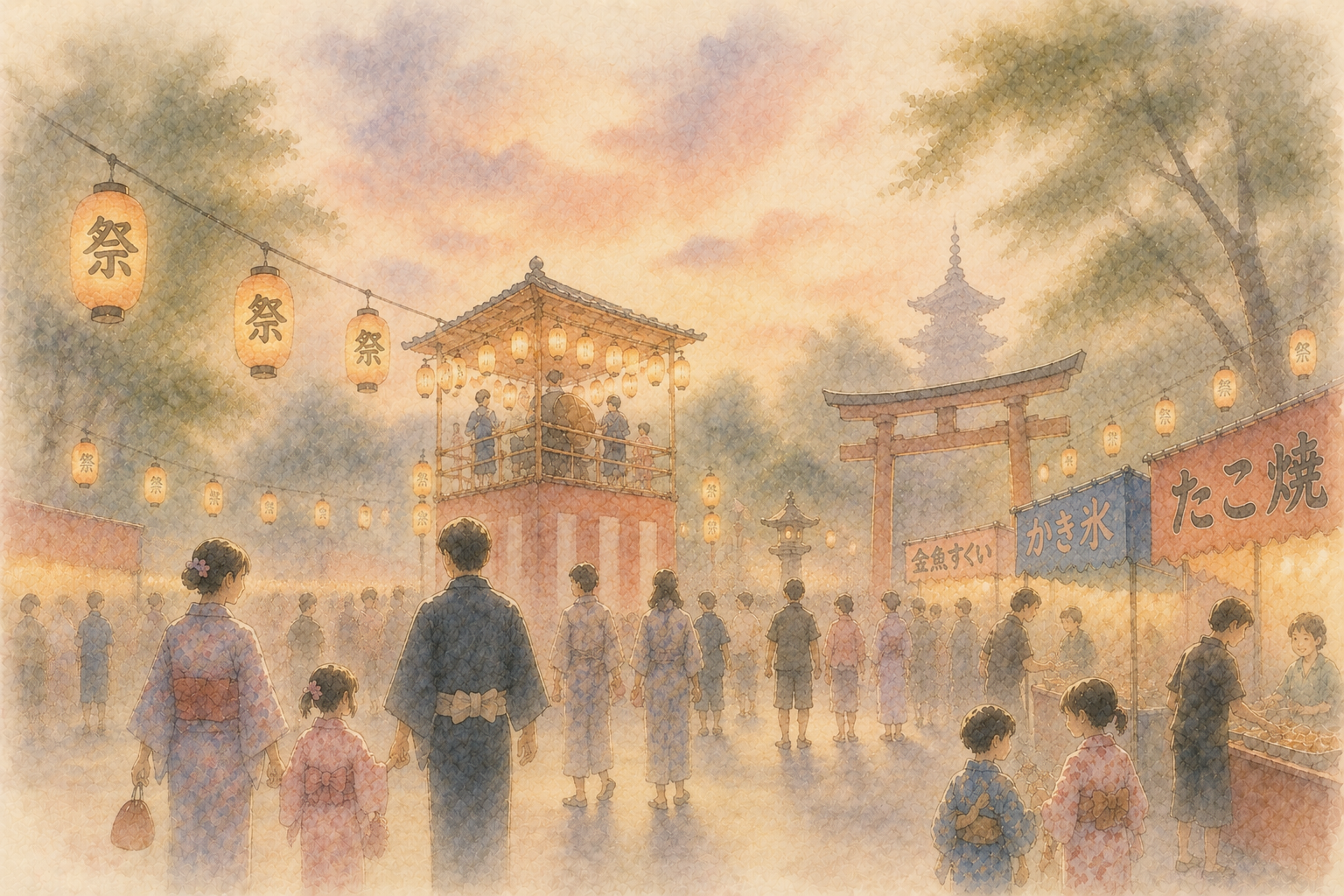
Obon (often written as お盆) is widely observed in Japan as a summer ancestor season. Families travel, visit graves, make offerings, and participate in community dances and lantern events. Underneath the variety, the thread is consistent: Obon gives a shared container for remembering those who came before us and acknowledging what we’ve received from them.
The Buddhist Lens: What Obon Points To
The Buddhist meaning of Obon is less about proving what happens after death and more about shaping how we live with the fact of death. Obon offers a lens: our lives are not self-made. We are supported—materially, emotionally, culturally—by people we may never fully repay, including ancestors we never met.
In that sense, “ancestor” doesn’t only mean a family tree. It also means the conditions that made your life possible: caregivers, communities, teachers, and the long chain of effort behind food, shelter, language, and safety. Obon gathers that diffuse truth into a few concrete actions—cleaning, offering, lighting, bowing—so gratitude isn’t just an idea.
Ritual matters here because attention is unreliable. We forget. We get busy. We avoid grief until it leaks out sideways. Obon’s forms—altars, incense, lanterns, visits—are not “magic”; they are reminders that train the heart to stay with what is real: love, loss, and dependence on others.
Seen this way, Obon is not a belief system you must sign onto. It’s a seasonal practice of relationship: relationship with the dead, with the living family around you, and with your own mind as it reacts to memory.
GASSHO
Ask and learn about Buddhism in daily life.
GASSHO is a Buddhist community app where you can learn Buddhist teachings and ask questions to the head priest of Kongosanmaiin Temple on Mount Koya.
How Obon Feels in Real Life, Not in Theory
Obon often begins with a small shift in attention: you notice names you haven’t said out loud in a long time. A photo, a smell of incense, the sound of cicadas, or the heat of late summer can bring back a person with surprising clarity. The mind doesn’t do this neatly; it arrives as fragments—faces, phrases, unfinished conversations.
Then there’s the practical movement: traveling, cleaning a family grave, wiping dust from a home altar, setting out food. These actions can feel ordinary and strangely intimate at the same time. You’re not “solving” grief; you’re giving it a place to sit without taking over everything.
Offerings can bring up mixed reactions. Part of you may feel comforted; another part may feel awkward, skeptical, or even irritated. Obon doesn’t require you to force a mood. The practice is simply to notice what arises—tenderness, resistance, numbness—and keep showing up with basic respect.
Family gatherings during Obon can be warm, but they can also be complicated. Old roles reappear quickly. Someone brings up the past. Someone avoids it. In that tension, Obon can function as a quiet boundary: whatever else is happening, we are here to remember the dead and care for the living. That shared purpose can soften the edge of conflict, even if it doesn’t erase it.
Community events like Bon Odori (Obon dance) often look festive from the outside, and they are. But the feeling underneath can be simple: moving together, repeating steps, letting the body participate in remembrance. You don’t need a dramatic emotion for it to be meaningful; sometimes the meaning is the steadiness of showing up.
Lanterns—whether placed at home, carried, or floated on water—work on the mind in a gentle way. Light makes the invisible visible. It gives form to the sense that someone is “included” even though they are not physically present. Whether you interpret that literally or symbolically, the effect is similar: you remember with care.
When Obon ends, many people feel a subtle aftertaste: gratitude mixed with impermanence. You return to work and routine, but priorities can look slightly different. The season doesn’t remove loss; it helps you carry it with less avoidance and more honesty.
Common Misunderstandings About Obon Meaning
Misunderstanding 1: “Obon is just a Japanese Halloween.” Obon can include imagery of spirits and lanterns, but its purpose is not fear or entertainment. The core is remembrance, gratitude, and family/community care around death.
Misunderstanding 2: “You have to believe ancestors literally return, or it’s pointless.” Many people hold the language of “welcoming” and “sending off” ancestors in different ways—literal, symbolic, or somewhere in between. Obon still functions as a meaningful practice because it organizes attention and relationship.
Misunderstanding 3: “It’s only for people with a traditional household altar.” Obon is often expressed through home altars, but the meaning doesn’t depend on owning specific items. Visiting a grave, sharing stories, cooking a remembered dish, or offering a moment of silence can carry the same intention.
Misunderstanding 4: “Obon is only about the dead.” It’s also about the living: supporting elders, reconnecting with family, and giving grief a shared language so it doesn’t isolate people.
Misunderstanding 5: “If my family relationships are strained, Obon has no place for me.” Obon can be practiced gently and privately. The meaning can be as small as acknowledging what you received and what you wish had been different, without forcing reconciliation on a schedule.
Why Obon Still Matters in Modern Life
Modern life is efficient at distraction and clumsy at mourning. People move away from hometowns, families scatter, and death is often handled quickly and privately. Obon matters because it creates a socially supported time to remember—without needing a personal crisis to justify it.
It also restores a sense of continuity. When you reflect on ancestors, you naturally see your own life as part of a longer stream of causes and conditions. That perspective can reduce the pressure to be entirely self-made and can soften the shame that comes from struggling.
Obon can improve daily ethics in a quiet way. Gratitude tends to express itself as care: calling a relative, repairing a relationship where possible, being more patient with the people who rely on you, and making choices that you’d be willing to “hand down.”
Finally, Obon offers a balanced tone: not denial, not despair. It acknowledges loss while still allowing community, food, laughter, and movement. That combination is psychologically realistic—and one reason Obon remains resilient across generations.
Conclusion: A Simple Way to Hold the Obon Meaning
The most grounded Obon meaning is this: we pause to remember the dead so we can live with more gratitude and less avoidance. Whether you participate through a family gathering, a grave visit, a lantern, a dance, or a quiet moment at home, Obon is a seasonal reminder that love and loss are not private problems—they are shared human realities.
If you want to approach Obon in a Buddhist spirit, keep it simple: show respect, notice what arises in your mind, and let remembrance shape how you treat the living.
Ask a Buddhist priest
Have a question about Buddhism?
In the GASSHO app, you can ask questions about Buddhist teachings, daily concerns, and how to understand Buddhism in everyday life.
Frequently Asked Questions
- FAQ 1: What is the meaning of Obon in Japan?
- FAQ 2: What is the Buddhist meaning of Obon?
- FAQ 3: Does Obon literally mean “festival of the dead”?
- FAQ 4: What does “Obon” mean as a word?
- FAQ 5: Is Obon meaning religious, cultural, or both?
- FAQ 6: Why are lanterns used in Obon, and what do they mean?
- FAQ 7: What is the meaning of Bon Odori during Obon?
- FAQ 8: What do offerings during Obon mean?
- FAQ 9: Is Obon meaning the same everywhere in Japan?
- FAQ 10: Why do people return to their hometowns for Obon?
- FAQ 11: What is the meaning of visiting graves during Obon?
- FAQ 12: Do you have to believe in spirits to understand Obon meaning?
- FAQ 13: What is the meaning of “welcoming” and “sending off” ancestors in Obon?
- FAQ 14: What does Obon mean for someone who isn’t Japanese?
- FAQ 15: What is the simplest way to practice Obon meaning at home?
FAQ 1: What is the meaning of Obon in Japan?
Answer: Obon is a summer season of honoring ancestors through remembrance practices such as grave visits, offerings, and family gatherings. Its meaning is less about spectacle and more about gratitude, continuity, and making space for grief and respect.
Takeaway: Obon meaning is centered on honoring ancestors and remembering what we’ve received.
FAQ 2: What is the Buddhist meaning of Obon?
Answer: In a Buddhist lens, Obon highlights interdependence: our lives are supported by countless people and conditions, including those who came before us. Obon rituals help turn that understanding into lived gratitude and ethical care in daily life.
Takeaway: The Buddhist Obon meaning points to gratitude and connectedness, not dogma.
FAQ 3: Does Obon literally mean “festival of the dead”?
Answer: Obon is often described that way in casual English, but it can be misleading. The meaning is closer to an ancestor remembrance season—welcoming and honoring those who have died—rather than a fear-based “dead festival.”
Takeaway: Obon meaning is remembrance and respect, not horror or fear.
FAQ 4: What does “Obon” mean as a word?
Answer: “Obon” is the Japanese name for the season; it’s commonly written as お盆. In everyday use, it refers to the period when families honor ancestors with visits, offerings, and community events.
Takeaway: In practice, “Obon” means the annual ancestor-honoring season.
FAQ 5: Is Obon meaning religious, cultural, or both?
Answer: It’s both. Obon has Buddhist roots and is expressed through religious services in many communities, but it’s also a widely shared cultural season in Japan focused on family, remembrance, and returning home.
Takeaway: Obon meaning blends Buddhist roots with everyday cultural life.
FAQ 6: Why are lanterns used in Obon, and what do they mean?
Answer: Lanterns symbolize guidance and remembrance—making “welcome” and “farewell” visible through light. Whether taken literally or symbolically, lanterns express the Obon meaning of honoring ancestors with clarity and care.
Takeaway: Lanterns embody Obon meaning by turning remembrance into a shared, visible act.
FAQ 7: What is the meaning of Bon Odori during Obon?
Answer: Bon Odori is a community dance associated with Obon that expresses remembrance through movement and togetherness. Its meaning is communal: honoring ancestors while supporting the living through shared rhythm and participation.
Takeaway: Bon Odori reflects Obon meaning as collective remembrance, not performance perfection.
FAQ 8: What do offerings during Obon mean?
Answer: Offerings (often food, incense, flowers, or water) are gestures of gratitude and respect. They give form to memory and help families express care across time, which is central to Obon meaning.
Takeaway: Offerings are a practical language of gratitude within Obon meaning.
FAQ 9: Is Obon meaning the same everywhere in Japan?
Answer: The core meaning—honoring ancestors—stays consistent, but customs and timing vary by region and household. Some places emphasize dances, others emphasize grave visits or home rituals, yet the intention remains remembrance and gratitude.
Takeaway: Obon meaning is stable even when local customs differ.
FAQ 10: Why do people return to their hometowns for Obon?
Answer: Returning home supports the Obon meaning by reconnecting family lines and shared memory—visiting graves, meeting relatives, and participating in local observances. It’s a seasonal “re-rooting” in where you come from.
Takeaway: Travel during Obon serves the meaning of continuity and family remembrance.
FAQ 11: What is the meaning of visiting graves during Obon?
Answer: Grave visits are a direct, embodied way to remember and show respect. Cleaning and offering at a grave expresses care, acknowledges impermanence, and reinforces the Obon meaning of gratitude toward those who came before.
Takeaway: Grave visits make Obon meaning tangible through simple acts of respect.
FAQ 12: Do you have to believe in spirits to understand Obon meaning?
Answer: No. Many people relate to Obon language about “welcoming” ancestors in symbolic, cultural, or personal ways. The meaning can still be fully present as remembrance, gratitude, and a healthy way to face loss.
Takeaway: Obon meaning works even without literal beliefs about spirits.
FAQ 13: What is the meaning of “welcoming” and “sending off” ancestors in Obon?
Answer: These phrases describe the emotional arc of Obon: making time to include the dead in family life, then consciously returning to ordinary life. The meaning is intentional remembrance with a clear beginning and end, which helps grief feel held rather than endless.
Takeaway: “Welcome” and “send-off” express Obon meaning as structured remembrance.
FAQ 14: What does Obon mean for someone who isn’t Japanese?
Answer: Obon meaning can be approached as a respectful model for ancestor remembrance: set aside time, honor those who shaped your life, and let gratitude guide your actions. Participation should be done with cultural sensitivity and without treating it as a costume or novelty.
Takeaway: Obon meaning is accessible cross-culturally when approached with respect.
FAQ 15: What is the simplest way to practice Obon meaning at home?
Answer: Choose one clear act of remembrance: say ancestors’ names, look at a photo, light a candle, offer a small cup of water, or share a story at dinner. The key is sincerity and attention—making gratitude and memory real for a moment.
Takeaway: The simplest Obon meaning practice is a small, sincere act of remembrance.