



What Is Buddhist Chanting? Meaning, Purpose, and How to Begin
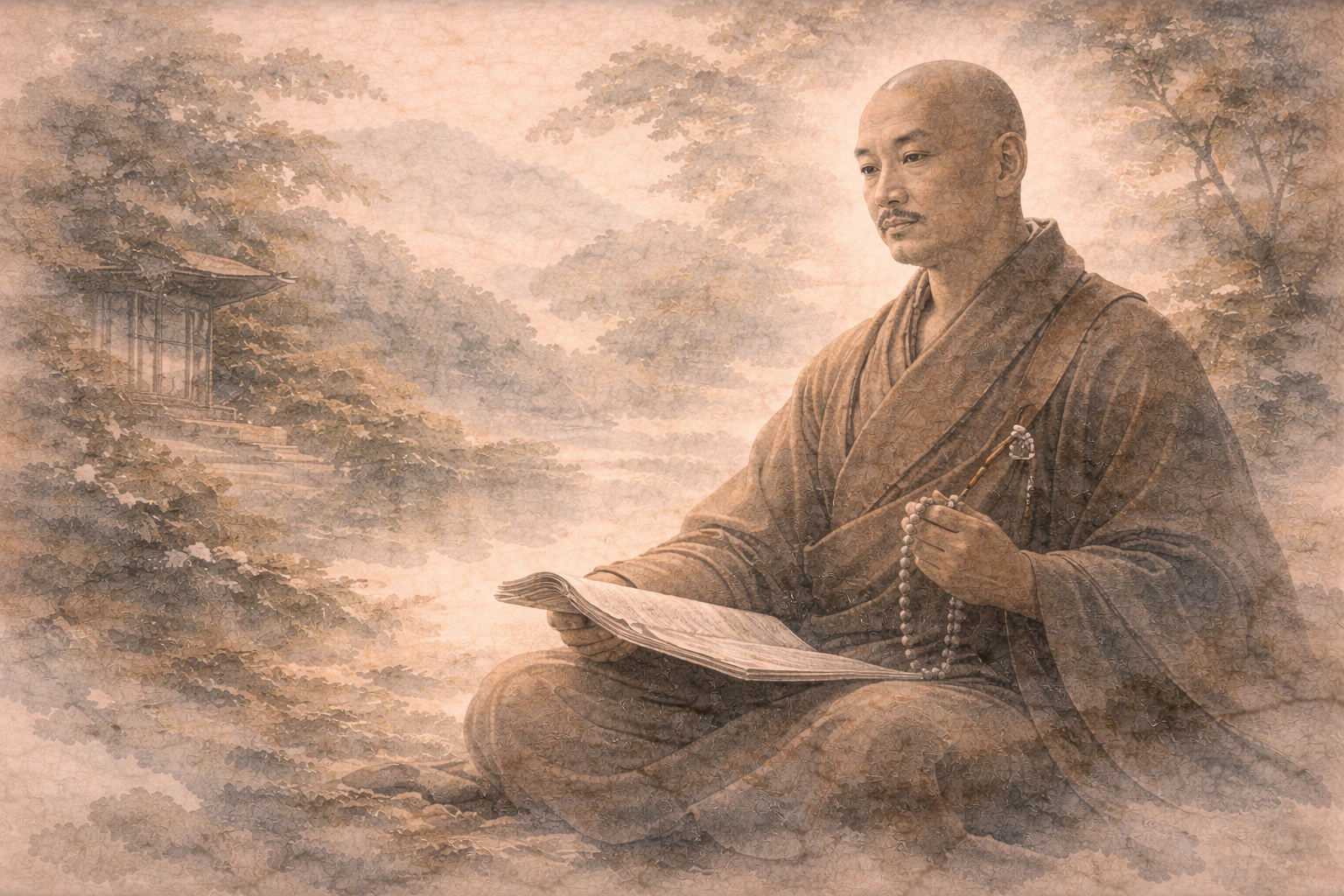
Quick Summary
- Buddhist chanting is the repeated recitation or singing of short phrases, verses, or longer texts as a practice of attention and intention.
- It’s less about “believing the right thing” and more about training the mind through sound, rhythm, and meaning.
- Chanting can be done silently or aloud, alone or with others, for a few minutes or as part of a longer routine.
- Many people use chanting to steady attention, soften reactivity, and reconnect with values like compassion and clarity.
- You don’t need a special voice, musical skill, or perfect pronunciation to begin.
- Common forms include short “mantra-like” phrases and longer recitations; the key is consistent, gentle repetition.
- A beginner-friendly approach is to choose one short chant, keep it simple, and notice how it affects your mind and body.
Introduction
If “Buddhist chanting” sounds mysterious, performative, or like something you’d only do in a temple, you’re not alone—and that confusion often comes from treating chanting as a religious display instead of a practical way to work with the mind. At Gassho, we focus on clear, beginner-friendly explanations grounded in lived practice rather than jargon.
At its simplest, chanting is repeating a set of words (or syllables) in a steady rhythm, either aloud or internally. The repetition is not meant to hypnotize you or prove devotion; it’s a structured way to gather attention, regulate the nervous system, and keep your intentions close.
Some chants are meaningful sentences, some are poetic verses, and some are short sounds that are traditionally repeated. Beginners often worry about “doing it wrong,” but chanting is surprisingly forgiving: the practice is less about perfection and more about returning—again and again—to the sound and what it points to.
A Clear Lens for Understanding Buddhist Chanting
A helpful way to understand Buddhist chanting is to see it as an attention practice that uses voice and language as an anchor. Just as you might use the breath to steady the mind, chanting uses sound, vibration, and rhythm to give attention something simple and repeatable to rest on.
Chanting also works as an intention practice. The words you repeat—whether they express gratitude, compassion, refuge, or a reminder to wake up—shape what your mind returns to. Over time, repetition makes certain qualities feel more available, not because the chant is “magic,” but because the mind learns what it rehearses.
Another useful lens is that chanting is a relationship with experience, not an argument about beliefs. You don’t have to force yourself to accept metaphysical claims to benefit from chanting. You can treat the chant as a mirror: it shows you distraction, impatience, self-judgment, and also steadiness, warmth, and simplicity.
Finally, chanting is often communal. When people chant together, the shared tempo reduces self-consciousness and makes it easier to stay present. Even when you chant alone, you’re participating in a human pattern: using repeated sound to settle, remember, and reorient.
GASSHO
Ask and learn about Buddhism in daily life.
GASSHO is a Buddhist community app where you can learn Buddhist teachings and ask questions to the head priest of Kongosanmaiin Temple on Mount Koya.
What Chanting Feels Like in Ordinary Life
You start chanting and quickly notice how busy the mind is. A line repeats, and within seconds you’re planning dinner, replaying a conversation, or judging your voice. The chant becomes a gentle “return point,” not a test you pass.
As the rhythm continues, attention often begins to ride the sound. You may notice the beginning and end of each phrase more clearly. The mind still wanders, but it has something steady to come back to without needing to analyze anything.
You might also notice the body. Chanting can make the breath more regular, the jaw and throat more relaxed, and the chest feel more open. If you’re tense, the chant can reveal that tension plainly—then offer a simple way to soften around it.
Emotions show up in a straightforward way. On a stressed day, the chant may feel thin or rushed. On a calmer day, it may feel spacious. The point isn’t to chase a particular mood; it’s to notice what’s here while staying with the repetition.
Chanting can also highlight your relationship with control. Some people try to “lock in” perfect timing or pronunciation and get frustrated. When you loosen that grip—keeping the chant sincere but not rigid—the practice becomes more like listening and less like performing.
In daily life, a short chant can function like a reset. Before opening your email, before a difficult conversation, or after a long commute, repeating a phrase for one minute can interrupt momentum and give you a cleaner starting point.
Over time, the chant can become a cue for a certain kind of attention: simpler, less argumentative, more willing to begin again. Not because you’ve “achieved” something, but because you’ve practiced returning in a very concrete way.
Common Misunderstandings Beginners Run Into
“Chanting is only for religious people.” Many people approach chanting as a practical discipline: a way to stabilize attention and remember what matters. You can engage it respectfully without needing to adopt an identity.
“If I don’t understand every word, it’s pointless.” Understanding helps, but it’s not all-or-nothing. Chanting can work on multiple levels: sound and rhythm steady attention, while meaning gradually becomes clearer through repetition and curiosity.
“I have to chant perfectly.” Perfectionism is one of the most common obstacles. A more useful aim is steadiness and sincerity: keep going, notice distraction, and return without drama.
“Chanting is meant to block thoughts.” Thoughts will appear. Chanting isn’t a wall; it’s an anchor. The practice is learning to relate differently to thinking—less pulled, less reactive—while continuing the chant.
“Chanting is just positive affirmations.” Some chants do resemble reminders, but chanting is typically less about self-improvement slogans and more about training attention, humility, and ethical orientation through repeated recitation.
Why Chanting Can Matter Outside a Practice Space
Chanting matters because it gives you a portable way to work with reactivity. When you’re irritated, anxious, or scattered, the mind often wants to argue with reality. A simple chant can interrupt that loop and create a small gap where choice becomes possible.
It also supports consistency. Many people struggle to “get in the mood” for quiet practice. Chanting is active enough to be approachable on low-energy days, yet simple enough to be calming. That combination makes it easier to show up regularly.
Chanting can strengthen values in a practical way. Repeating words that point toward compassion, patience, or clarity is a form of rehearsal. You’re not forcing yourself to feel saintly; you’re keeping a direction close so it’s easier to remember when life gets sharp.
Finally, chanting can be a gentle bridge between inner life and outward action. It’s not an escape from the world; it’s a way to steady the mind so your next step—speaking, listening, deciding—comes from a less tangled place.
Conclusion
Buddhist chanting is a simple practice: repeat a phrase or text, stay with the sound, and keep returning when the mind wanders. Seen this way, chanting isn’t exotic—it’s a practical method for training attention and remembering your intentions in the middle of ordinary life.
If you’re new, start small: choose one short chant, try it for two to five minutes, and notice what changes in your body, breath, and reactivity. Let the practice be plain, repeatable, and kind.
Ask a Buddhist priest
Have a question about Buddhism?
In the GASSHO app, you can ask questions about Buddhist teachings, daily concerns, and how to understand Buddhism in everyday life.
Frequently Asked Questions
- FAQ 1: What is Buddhist chanting in simple terms?
- FAQ 2: Is Buddhist chanting the same thing as a mantra?
- FAQ 3: Why do Buddhists chant?
- FAQ 4: Do you have to believe in Buddhism for chanting to “work”?
- FAQ 5: What do Buddhists chant, exactly?
- FAQ 6: Is Buddhist chanting supposed to be sung or spoken?
- FAQ 7: What is the difference between chanting and prayer in Buddhism?
- FAQ 8: What does Buddhist chanting do to the mind?
- FAQ 9: What does Buddhist chanting do to the body?
- FAQ 10: Can beginners do Buddhist chanting at home?
- FAQ 11: How long should Buddhist chanting last?
- FAQ 12: Do I need correct pronunciation for Buddhist chanting?
- FAQ 13: Is Buddhist chanting meant to stop thoughts?
- FAQ 14: Can Buddhist chanting be done silently?
- FAQ 15: What is a simple way to start Buddhist chanting without feeling awkward?
FAQ 1: What is Buddhist chanting in simple terms?
Answer: Buddhist chanting is the repeated recitation (spoken, sung, or sometimes silent) of a phrase, verse, or longer text as a practice of steadying attention and aligning the mind with a chosen intention.
Takeaway: Chanting is repetition used as a practical mind-training tool.
FAQ 2: Is Buddhist chanting the same thing as a mantra?
Answer: A mantra is typically a short phrase or set of syllables repeated many times, while “chanting” can include mantras as well as longer recitations. In practice, both use repetition and sound as an anchor for attention.
Takeaway: Mantras are one common form of Buddhist chanting, but chanting can be broader.
FAQ 3: Why do Buddhists chant?
Answer: People chant to stabilize attention, reduce mental noise, remember core values (like compassion), and create a steady rhythm for practice—either alone or with a group.
Takeaway: Chanting is often used to focus the mind and reinforce intention.
FAQ 4: Do you have to believe in Buddhism for chanting to “work”?
Answer: You can approach chanting as a contemplative exercise without adopting specific beliefs. Many benefits come from the mechanics of repetition—attention, breath regulation, and reduced reactivity—plus the personal meaning you bring to the words.
Takeaway: Chanting can be practiced respectfully as a method, not only as a belief statement.
FAQ 5: What do Buddhists chant, exactly?
Answer: Chants can be short phrases, verses, or longer texts that express reminders, aspirations, or teachings. The specific words vary widely, but the common thread is repeated recitation with steady attention.
Takeaway: The content varies, but the method is consistent repetition with presence.
FAQ 6: Is Buddhist chanting supposed to be sung or spoken?
Answer: Either is fine. Some people speak in a steady tone, others use a melodic style, and some chant silently. The key is a rhythm you can maintain without strain.
Takeaway: Chanting can be spoken, sung, or silent—choose what supports steadiness.
FAQ 7: What is the difference between chanting and prayer in Buddhism?
Answer: Chanting is a method (repetition of words/sounds), while prayer is an intention (asking, dedicating, or expressing aspiration). Chanting can function like prayer for some people, but it can also be used simply to train attention.
Takeaway: Chanting is the practice form; prayer is the purpose or attitude it may carry.
FAQ 8: What does Buddhist chanting do to the mind?
Answer: Repetition gives the mind a clear object, which can reduce rumination and make distraction easier to notice. The rhythm can also support a calmer, more organized attention, especially when you return gently after wandering.
Takeaway: Chanting often steadies attention and interrupts repetitive thinking loops.
FAQ 9: What does Buddhist chanting do to the body?
Answer: Chanting can naturally slow and regularize breathing, relax the jaw and throat, and create a felt sense of vibration and resonance. Many people experience it as grounding, especially when the pace is comfortable.
Takeaway: Chanting can support physical settling through breath and vibration.
FAQ 10: Can beginners do Buddhist chanting at home?
Answer: Yes. Pick a short chant, set a small time limit (even 2–5 minutes), and repeat it at a natural pace. If you lose your place or get distracted, simply start again without self-criticism.
Takeaway: Home chanting can be simple, short, and forgiving.
FAQ 11: How long should Buddhist chanting last?
Answer: There’s no single rule. Beginners often do a few minutes; others chant longer as part of a routine. A useful guideline is to choose a duration you can repeat consistently without strain.
Takeaway: Duration matters less than steadiness and consistency.
FAQ 12: Do I need correct pronunciation for Buddhist chanting?
Answer: Reasonable care is good, but perfection isn’t required to begin. If you’re learning unfamiliar words, aim for a steady, respectful attempt and refine over time by listening and repeating.
Takeaway: Start with sincerity; pronunciation can improve gradually.
FAQ 13: Is Buddhist chanting meant to stop thoughts?
Answer: Not necessarily. Thoughts will still arise; chanting gives you a stable reference point so you can notice thinking and return to the chant without getting carried away.
Takeaway: Chanting trains returning, not forcing the mind to be blank.
FAQ 14: Can Buddhist chanting be done silently?
Answer: Yes. Silent chanting (repeating internally) can be useful in public spaces or when you prefer a quieter practice. The same principle applies: steady repetition and gentle returning when distracted.
Takeaway: Silent chanting is still chanting if the repetition is clear and intentional.
FAQ 15: What is a simple way to start Buddhist chanting without feeling awkward?
Answer: Choose one short line, chant softly at a comfortable pace, and keep your focus on the sound and breath rather than on how you “sound.” If self-consciousness appears, treat it as just another experience and return to the next repetition.
Takeaway: Start quietly, keep it simple, and let repetition do the work.