



What Buddhist Teachings Say About Outer and Inner Illness
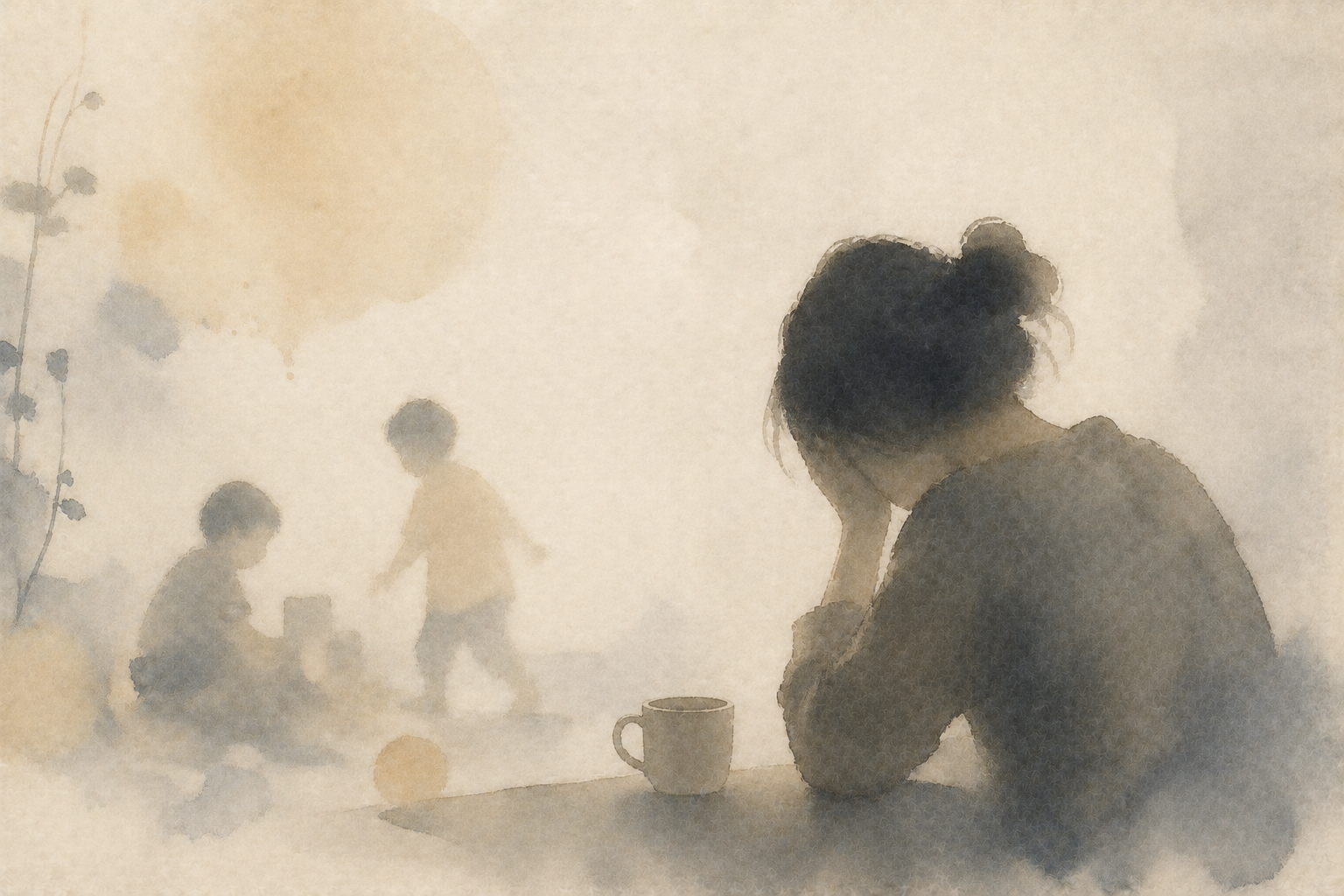
Quick Summary
- “Outer illness” points to bodily conditions; “inner illness” points to the suffering added by fear, resistance, and harsh self-talk.
- Buddhist teachings treat illness as a human condition, not a moral verdict or a sign you “failed” spiritually.
- The key distinction is pain versus suffering: pain may be unavoidable, while much suffering is shaped by the mind’s reactions.
- Wise care includes both medical support for the body and mental training for the heart: attention, patience, and compassion.
- Inner illness often shows up as rumination, shame, catastrophizing, and identity-clinging (“I am my diagnosis”).
- Practice is not about denying symptoms; it’s about relating to symptoms without panic, blame, or isolation.
- Even when the body can’t be “fixed,” the inner climate can soften—making life more workable and connected.
Introduction
When you’re sick, it’s easy to get trapped between two unhelpful stories: “This is only physical, so my mind doesn’t matter,” or “If I were practicing correctly, I wouldn’t feel this.” Buddhist teachings cut through both by separating outer illness (what the body is going through) from inner illness (the extra suffering the mind piles on), without pretending the body is optional or the mind is all-powerful. At Gassho, we write about Buddhist practice as a practical way to meet real life—especially the hard parts—with clarity and care.
Outer illness can be acute or chronic, mild or life-altering. Inner illness can be loud (panic, despair) or quiet (numbness, resentment). The point isn’t to rank them; it’s to notice how they interact, and where you actually have room to breathe.
This distinction matters because many people seek spiritual comfort and accidentally end up with spiritual pressure. A healthier approach is to treat the body with respect and the mind with honesty, then work with what’s here—one moment, one choice, one breath at a time.
A Clear Lens: Outer Illness and Inner Illness
In Buddhist terms, outer illness refers to conditions of the body: infection, injury, chronic pain, fatigue, disability, aging, and the whole range of physical vulnerability that comes with being human. It’s not framed as a personal failure. Bodies change, break down, heal, relapse, and eventually die—this is presented as ordinary reality, not a cosmic punishment.
Inner illness refers to the mental and emotional suffering that can arise around outer illness: fear of what’s next, anger that this is happening, shame about needing help, and the exhausting mental replay of “Why me?” It also includes subtler patterns like tightening against discomfort, compulsively searching for certainty, or turning illness into a fixed identity.
This lens is less about adopting a belief and more about learning to see experience in layers. There may be physical pain, and then there may be the mind’s commentary about the pain. There may be limitations, and then there may be the story that those limitations mean you’re less worthy. Buddhist practice emphasizes that while you can’t always choose the first layer, you often can work with the second.
Importantly, “inner illness” is not a blame label. It’s a compassionate diagnosis of a universal habit: the mind tries to control what it can’t control, and when it fails, it suffers. Seeing that pattern clearly is not a condemnation—it’s the beginning of relief.
GASSHO
Ask and learn about Buddhism in daily life.
GASSHO is a Buddhist community app where you can learn Buddhist teachings and ask questions to the head priest of Kongosanmaiin Temple on Mount Koya.
How It Shows Up in Everyday Moments
You wake up and notice a symptom before you even sit up. The body registers sensation, and then the mind quickly adds interpretation: “This is getting worse,” “I can’t handle today,” “I’m falling behind.” Outer illness is the sensation; inner illness is the rapid tightening into a future you haven’t reached yet.
At an appointment, you hear a new term or a new plan. The body may feel a wave of heat, nausea, or fatigue. Then the mind starts scanning for certainty: searching, comparing, rehearsing questions, replaying what you “should have said.” Inner illness often looks like compulsive problem-solving that never actually lands.
Later, someone offers advice you didn’t ask for. You might feel irritation, then guilt for feeling irritated, then loneliness because you don’t want to be “difficult.” Outer illness might be unchanged, but inner illness grows through self-judgment and social strain.
On a better day, you notice a small opening: the symptom is present, but the mind isn’t fighting it as hard. Attention rests more in direct experience—pressure, warmth, throbbing, heaviness—without immediately turning it into a verdict. This doesn’t make pain pleasant; it makes it less entangled.
On a worse day, the mind may fuse with the story “I am sick” in a way that erases everything else. Buddhist teachings encourage a gentle unfusing: “There is sickness in the body,” “There is fear in the mind,” “There is sadness here.” The language matters because it creates a little space—enough to respond rather than spiral.
Even simple actions reveal the difference between outer and inner illness. You rest because the body needs it (outer). Then you criticize yourself for resting, or you compare yourself to your past self, or you imagine others judging you (inner). Practice is noticing that second layer as it forms, not to suppress it, but to stop feeding it.
Over time, you may see that inner illness often peaks when you demand guarantees: “Tell me this will end,” “Tell me I’ll be the same as before,” “Tell me I won’t be a burden.” Buddhist practice doesn’t offer guarantees; it offers a steadier relationship with uncertainty—one that can include grief, courage, and tenderness without collapsing into despair.
Common Misreadings That Add Extra Suffering
One misunderstanding is thinking Buddhist teachings imply that illness is “just in your mind.” The point is not to deny biology. Outer illness is real, and it deserves real care. The teaching is that the mind can either cooperate with reality or fight it—and that fight is often where suffering multiplies.
Another misunderstanding is using karma as a weapon against yourself or others: “I must deserve this,” or “They brought it on themselves.” Whatever one believes about causes and conditions, the practical emphasis is compassion and responsibility in the present: reduce harm, support healing where possible, and don’t add cruelty to pain.
A third misunderstanding is believing that calmness is the goal and that fear or sadness means you’re doing it wrong. Buddhist practice makes room for the full range of human responses. Inner illness isn’t the presence of emotion; it’s the way we get trapped in emotion through resistance, shame, or fixation.
Finally, people sometimes treat “acceptance” as passive resignation. In Buddhist terms, acceptance is seeing clearly what is true right now. From that clarity, you can still pursue treatment, ask for help, set boundaries, and make plans. Acceptance is not giving up; it’s stopping the war with reality so your energy can be used wisely.
Why This Distinction Helps in Real Life
Separating outer and inner illness helps you aim your effort where it can actually work. You can address outer illness through appropriate medical care, rest, nutrition, movement when possible, and support systems. You can address inner illness through training attention, softening reactivity, and practicing compassion toward yourself and others.
It also reduces isolation. When you recognize inner illness as a common human pattern—fear, clinging, aversion—you’re less likely to interpret your struggle as personal weakness. That shift can make it easier to communicate needs clearly, receive help without humiliation, and offer others patience when they don’t understand.
Practically, this lens can change a day. The symptom may remain, but the day becomes less dominated by mental argument. You may still need to cancel plans, but you cancel with less self-hatred. You may still feel grief, but you don’t have to add the belief that grief means you’re broken.
Most importantly, it supports dignity. Outer illness can limit what you can do. Inner illness often attacks who you think you are. Buddhist teachings repeatedly steer attention back to a simple truth: your worth is not measured by productivity, strength, or constant positivity. You are a human being meeting conditions, and that is enough to begin from.
Conclusion
What Buddhist teachings say about outer and inner illness is quietly radical: take the body seriously, and take the mind seriously—without turning either into a courtroom. Outer illness is the body’s condition; inner illness is the suffering created by resistance, fear, and identity-clinging. You may not be able to choose what happens in the body, but you can learn to notice what the mind adds, and you can practice meeting that added suffering with steadiness and compassion.
If you’re dealing with illness right now, let the path be simple: care for the body as best you can, tell the truth about what you feel, and keep returning to what is actually happening in this moment—without harshness.
Ask a Buddhist priest
Have a question about Buddhism?
In the GASSHO app, you can ask questions about Buddhist teachings, daily concerns, and how to understand Buddhism in everyday life.
Frequently Asked Questions
- FAQ 1: What do Buddhist teachings mean by “outer illness” and “inner illness”?
- FAQ 2: Do Buddhist teachings say illness is a punishment or a sign of moral failure?
- FAQ 3: How do Buddhist teachings relate inner illness to fear and anxiety about symptoms?
- FAQ 4: What is the Buddhist distinction between pain and suffering in the context of illness?
- FAQ 5: Do Buddhist teachings suggest you should ignore medical treatment and focus only on the mind?
- FAQ 6: How can Buddhist teachings help when illness becomes part of your identity?
- FAQ 7: What do Buddhist teachings say about guilt or shame for being sick?
- FAQ 8: How do Buddhist teachings view chronic illness compared to acute illness?
- FAQ 9: What Buddhist teachings say about outer and inner illness when you feel angry about being unwell?
- FAQ 10: Do Buddhist teachings say inner illness can be “cured” even if outer illness remains?
- FAQ 11: How do Buddhist teachings address grief over lost health as inner illness?
- FAQ 12: What do Buddhist teachings say about supporting someone else’s outer and inner illness?
- FAQ 13: How do Buddhist teachings relate inner illness to rumination and “why me?” thinking?
- FAQ 14: Do Buddhist teachings say you must be calm and positive to handle illness correctly?
- FAQ 15: What is one simple way Buddhist teachings suggest working with inner illness during a flare-up?
FAQ 1: What do Buddhist teachings mean by “outer illness” and “inner illness”?
Answer: Outer illness refers to physical conditions of the body (disease, injury, chronic pain, fatigue). Inner illness refers to the added mental suffering around those conditions—fear, resentment, shame, rumination, and the sense of being defined by the illness.
Takeaway: Outer illness is what the body carries; inner illness is what the mind adds.
FAQ 2: Do Buddhist teachings say illness is a punishment or a sign of moral failure?
Answer: No. The practical thrust is that illness is part of embodied life and arises through many causes and conditions. The focus is on responding with care and reducing suffering, not assigning blame.
Takeaway: Illness is treated as a human reality, not a verdict.
FAQ 3: How do Buddhist teachings relate inner illness to fear and anxiety about symptoms?
Answer: Fear and anxiety are seen as natural responses, but they can become inner illness when the mind repeatedly tightens into catastrophic stories, demands certainty, or fights what is already present. Practice emphasizes noticing these reactions and softening the grip of the story.
Takeaway: The issue isn’t fear itself, but getting trapped in fear’s storyline.
FAQ 4: What is the Buddhist distinction between pain and suffering in the context of illness?
Answer: Pain points to the direct unpleasant sensations of the body (outer illness). Suffering includes the mental resistance and commentary—“This shouldn’t be happening,” “I can’t stand this,” “My life is ruined”—which intensifies distress (inner illness).
Takeaway: Pain may be unavoidable; extra suffering is often workable.
FAQ 5: Do Buddhist teachings suggest you should ignore medical treatment and focus only on the mind?
Answer: No. A balanced approach is implied: care for the body with appropriate treatment and support, while also training the mind to meet symptoms without panic, self-blame, or despair.
Takeaway: Outer illness needs practical care; inner illness needs mindful care.
FAQ 6: How can Buddhist teachings help when illness becomes part of your identity?
Answer: They encourage seeing experience as changing conditions rather than a fixed self. You can acknowledge “there is illness” without collapsing into “I am only this illness,” which reduces inner illness rooted in identification and hopelessness.
Takeaway: You can have illness without being reduced to illness.
FAQ 7: What do Buddhist teachings say about guilt or shame for being sick?
Answer: Guilt and shame are understood as painful mental states that often arise from unrealistic standards and fear of burdening others. Working with inner illness means meeting these states with compassion and clearer thinking rather than treating them as truth.
Takeaway: Shame is a common inner illness response, not a fact about your worth.
FAQ 8: How do Buddhist teachings view chronic illness compared to acute illness?
Answer: Both are outer illness, but chronic illness often triggers ongoing inner illness through uncertainty, grief, and repeated adjustment. The emphasis is on responding to what is present today—symptoms, limits, needs—without turning the future into a constant threat narrative.
Takeaway: Chronic conditions especially benefit from working with the mind’s long-term strain.
FAQ 9: What Buddhist teachings say about outer and inner illness when you feel angry about being unwell?
Answer: Anger can be a natural reaction to loss and limitation. It becomes inner illness when it hardens into ongoing resentment, self-attack, or hostility toward others. Practice involves recognizing anger’s energy, feeling it directly, and not letting it dictate harmful speech or actions.
Takeaway: Anger is understandable; the work is not letting it run your life.
FAQ 10: Do Buddhist teachings say inner illness can be “cured” even if outer illness remains?
Answer: They suggest inner suffering can lessen even when physical symptoms persist, because the mind can learn to stop adding layers of resistance, catastrophizing, and self-blame. This doesn’t erase difficulty; it makes it more bearable and less isolating.
Takeaway: The body may not change quickly, but your relationship to it can.
FAQ 11: How do Buddhist teachings address grief over lost health as inner illness?
Answer: Grief is not treated as a mistake; it’s a human response to loss. Inner illness arises when grief is met with shame (“I shouldn’t feel this”) or when the mind refuses any tenderness. Allowing grief while staying connected to the present reduces secondary suffering.
Takeaway: Grief can be honored without turning into self-punishment.
FAQ 12: What do Buddhist teachings say about supporting someone else’s outer and inner illness?
Answer: Support includes practical help for outer illness (meals, rides, logistics) and emotional presence for inner illness (listening without fixing, respecting boundaries, speaking gently). The aim is to reduce suffering, not to force positivity or offer simplistic explanations.
Takeaway: Help the body where you can, and don’t dismiss the person’s inner experience.
FAQ 13: How do Buddhist teachings relate inner illness to rumination and “why me?” thinking?
Answer: Rumination is seen as the mind trying to regain control through repetitive analysis, often without resolution. Practice shifts attention from unanswerable loops to what is actually needed now—care, rest, communication, and a kinder inner tone.
Takeaway: “Why me?” rarely heals; “What now?” is usually more helpful.
FAQ 14: Do Buddhist teachings say you must be calm and positive to handle illness correctly?
Answer: No. They make room for fear, sadness, frustration, and fatigue. The emphasis is on not adding extra suffering through resistance and self-judgment, and on choosing responses that reduce harm to yourself and others.
Takeaway: The goal isn’t forced calm; it’s a more honest, less harmful relationship to what you feel.
FAQ 15: What is one simple way Buddhist teachings suggest working with inner illness during a flare-up?
Answer: Name the layers gently: “There is pain,” “There is fear,” “There is tightening.” Then return to direct sensation and immediate needs (breathing, hydration, contacting support, resting) without arguing with reality. This interrupts the spiral that turns outer illness into overwhelming inner illness.
Takeaway: Label the layers, meet the moment, and reduce the mind’s extra struggle.