



Why Being Tired Changes How You Think
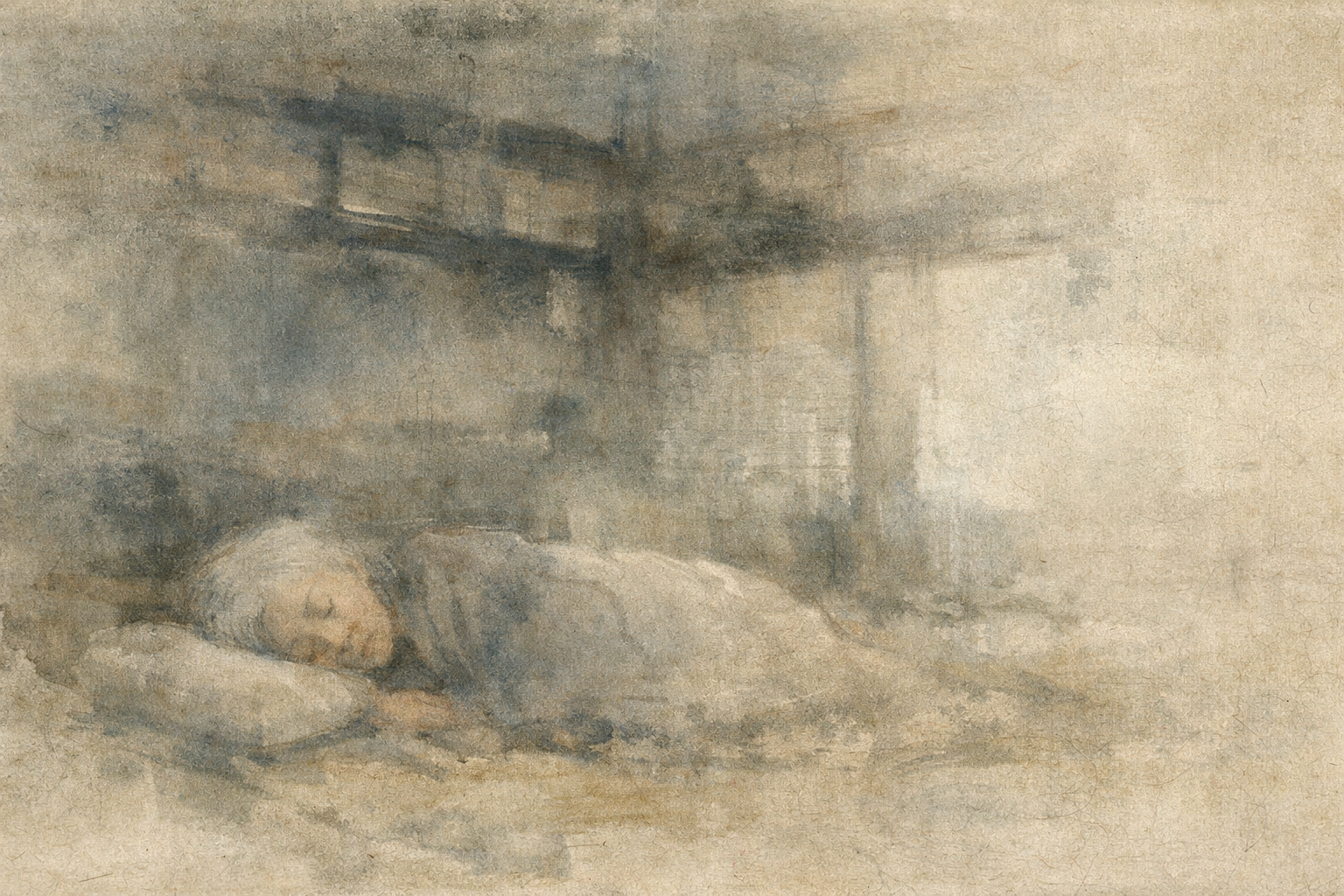
Quick Summary
- When you’re tired, your mind narrows: it favors quick conclusions over careful understanding.
- Fatigue makes thoughts feel more certain and more personal, even when they’re just low-energy guesses.
- Attention becomes “sticky,” so small annoyances loop and neutral details get ignored.
- Emotions can run the meeting: irritation, worry, and pessimism become easier defaults.
- Memory and language get noisier, which can make you misread people and overreact.
- A simple practice is to treat tired thoughts as weather: notice, name, and delay big decisions.
- Rest isn’t a reward; it’s mental hygiene that protects relationships and judgment.
You’re not “becoming a worse person” when you’re exhausted—you’re watching tired changes thinking in real time, and it can be unsettling. The same situation that felt manageable yesterday suddenly feels threatening, pointless, or personal, and your mind starts producing confident stories to match the low battery. I write for Gassho, a Zen/Buddhism site focused on practical, experience-based clarity in everyday life.
A clear lens: fatigue doesn’t just lower energy, it reshapes perception
A helpful way to understand why being tired changes how you think is to see thinking as something that depends on conditions. When the body is under-slept, overworked, or emotionally depleted, the mind doesn’t simply “think less.” It tends to think differently: faster, narrower, and more protective.
In this lens, thoughts aren’t always reliable reports about reality. They’re often attempts to manage the moment. When you’re rested, the mind can afford nuance: “Maybe I misunderstood,” “Let me check,” “There are a few possibilities.” When you’re tired, the mind often reaches for certainty because certainty feels stabilizing: “They don’t respect me,” “This will never work,” “I can’t handle this.”
Fatigue also changes what gets selected for awareness. The mind has limited bandwidth, and tiredness reduces it further. That means fewer details make it through, and the ones that do are often the most emotionally charged. This can make the world feel harsher, even if the world hasn’t changed much.
Rather than treating this as a moral failure, you can treat it as a signal: “Conditions are shaping my mind.” That small shift—from believing every tired thought to noticing tired thinking—creates space for wiser choices without needing to force positivity.
How tired thinking shows up in ordinary moments
One of the first changes is attention. When you’re tired, attention becomes jumpy or glued. You either can’t stay with a task, or you can’t stop replaying one line from a conversation. The mind keeps returning to the same point, not because it’s important, but because it’s easy to loop.
Then comes interpretation. A neutral email reads cold. A short reply feels like rejection. A partner’s silence becomes “They’re angry,” even if they’re simply focused. Tired changes thinking by lowering your tolerance for ambiguity, so the mind fills gaps quickly—and usually with a negative tone.
Language and memory also get rougher. You forget why you walked into a room, lose words mid-sentence, or misplace details. That can create a subtle shame or frustration, and the mind tries to protect itself by blaming: “This is stupid,” “They’re making it hard,” “I’m failing.” The blame feels like control, but it’s mostly a reflex.
Emotions become more “front of house.” Irritation rises faster. Worry feels more convincing. Small obstacles feel like proof that everything is off track. You may notice a strong urge to fix the feeling immediately—snack, scroll, argue, buy, quit—anything to change the internal weather.
Decision-making shifts too. When tired, the mind prefers short-term relief over long-term benefit. You might cancel plans impulsively, send a sharp message, or agree to something just to end the conversation. Later, with rest, you wonder why it seemed so urgent.
Even self-image can wobble. A single mistake becomes “I always mess up.” A slow day becomes “I’m not cut out for this.” This is a classic signature of fatigue: the mind generalizes. It turns one moment into a story about your whole life.
A grounded practice here is simple: notice the shift without arguing with it. You can silently label what’s happening—“tired mind,” “narrowing,” “looping,” “catastrophizing.” Labeling isn’t a trick to feel better; it’s a way to stop mistaking a temporary mental state for a final verdict.
Common misunderstandings that make fatigue feel worse
One misunderstanding is believing that tired thoughts are more honest. Many people assume, “When I’m exhausted, I see the truth.” Sometimes fatigue lowers social filtering, but it also lowers accuracy. Tired changes thinking by reducing context, patience, and flexibility—three ingredients that help truth emerge.
Another misunderstanding is treating irritability as a personality trait. “I’m just an angry person” can become a story that hides the real issue: you’re depleted. If you only address the story, you miss the condition. If you address the condition—sleep, rest, boundaries—the story often softens on its own.
A third misunderstanding is trying to “think your way out” with force. When tired, people often attempt to overpower the mind: positive affirmations, harsh self-talk, or endless analysis. But fatigue is not primarily an idea-problem. It’s a capacity-problem. The more you wrestle, the more the mind heats up.
Finally, it’s easy to confuse tiredness with meaning. A flat mood can make life feel pointless, and the mind concludes, “This path isn’t right,” or “Nothing matters.” Often it’s simpler: your nervous system is asking for recovery. Meaning returns more easily when the body is supported.
Why this matters for relationships, work, and inner peace
Understanding that tired changes thinking protects your relationships. When you know fatigue makes you interpret others more negatively, you can pause before you accuse, withdraw, or “prove a point.” A small delay can prevent a large repair job later.
It also improves work and creativity. Tiredness narrows options, so you may miss simple solutions and assume you’re stuck. If you can recognize “narrow mind,” you can switch strategies: do the smallest next step, postpone complex decisions, or ask for clarification instead of guessing.
On the inner level, this understanding reduces unnecessary self-judgment. You don’t have to identify with every thought that appears. You can treat thoughts as events: they arise, they pass, and they are shaped by conditions. That stance is quietly freeing.
Practically, it helps to create a “tired protocol” you can trust:
- Delay big decisions when possible (especially about relationships, quitting, or sending emotional messages).
- Reduce input: fewer tabs, fewer conversations, less news, less scrolling.
- Do one grounding action: drink water, eat something steady, take a short walk, or shower.
- Name the state: “I’m tired; my thinking is narrower right now.”
- Choose one kind boundary: “I can talk, but not solve this tonight.”
None of this is about becoming perfect. It’s about reducing avoidable suffering—especially the kind that comes from believing a tired mind is a wise mind.
Conclusion
Why being tired changes how you think is not mysterious: fatigue narrows attention, speeds up interpretation, and makes emotional stories feel more convincing. When you learn to recognize tired changes thinking, you gain a simple power—the ability to pause, label the state, and avoid decisions that your rested self will have to clean up. Rest, boundaries, and gentle awareness aren’t luxuries; they’re the conditions that let clearer thinking return.
Frequently Asked Questions
- FAQ 1: What does “tired changes thinking” actually mean?
- FAQ 2: Why do my thoughts feel more negative when I’m tired?
- FAQ 3: Does being tired make you overthink more or less?
- FAQ 4: Why do I misread people’s tone when I’m exhausted?
- FAQ 5: Can tiredness make me feel less empathetic?
- FAQ 6: Why do small problems feel huge when I’m tired?
- FAQ 7: Is it normal to feel more anxious at night when I’m tired?
- FAQ 8: Why do I get more irritable and reactive when I haven’t slept?
- FAQ 9: Does tiredness affect decision-making quality?
- FAQ 10: Why do I feel “stupid” or slow when I’m tired?
- FAQ 11: How can I tell if a thought is “tired thinking” or a real problem?
- FAQ 12: What’s a quick way to reset when tired changes thinking mid-day?
- FAQ 13: Why do I feel more self-critical when I’m exhausted?
- FAQ 14: Can caffeine fix the way tired changes thinking?
- FAQ 15: What should I avoid doing when tired changes thinking the most?
FAQ 1: What does “tired changes thinking” actually mean?
Answer: It means fatigue doesn’t only reduce energy; it shifts how your mind processes information—attention narrows, emotions weigh more, and quick interpretations replace careful evaluation.
Takeaway: Tiredness changes the style of thinking, not just the amount of thinking.
FAQ 2: Why do my thoughts feel more negative when I’m tired?
Answer: When you’re fatigued, your brain has less capacity for nuance and regulation, so it tends to prioritize threat and discomfort signals. That can make pessimistic explanations feel more believable than balanced ones.
Takeaway: Negative thinking can be a fatigue effect, not a life verdict.
FAQ 3: Does being tired make you overthink more or less?
Answer: Often both: you may have less ability to think clearly, yet more repetitive looping. Fatigue can reduce problem-solving while increasing rumination because the mind gets “stuck” on a few emotionally charged points.
Takeaway: Tired thinking is frequently repetitive rather than productive.
FAQ 4: Why do I misread people’s tone when I’m exhausted?
Answer: Fatigue reduces attention to subtle cues and increases reliance on assumptions. When details are missing, the mind fills gaps quickly, and tired changes thinking by making those guesses feel like facts.
Takeaway: When tired, verify tone instead of trusting your first interpretation.
FAQ 5: Can tiredness make me feel less empathetic?
Answer: Yes. Empathy takes bandwidth—listening, perspective-taking, and patience. When you’re tired, the mind becomes more self-protective and less able to hold someone else’s experience alongside your own.
Takeaway: Low empathy can be a capacity issue, not a character flaw.
FAQ 6: Why do small problems feel huge when I’m tired?
Answer: Fatigue reduces resilience and increases emotional reactivity, so obstacles register as more intense. With fewer mental resources, the mind treats minor friction like a major threat to stability.
Takeaway: Scale feels distorted when tired; pause before escalating.
FAQ 7: Is it normal to feel more anxious at night when I’m tired?
Answer: Yes. As fatigue builds, regulation drops and worries can become louder. The mind also has fewer distractions at night, so tired changes thinking by giving anxious narratives more space to run.
Takeaway: Night anxiety is often fatigue plus quiet, not sudden truth.
FAQ 8: Why do I get more irritable and reactive when I haven’t slept?
Answer: Sleep loss reduces your ability to inhibit impulses and reframe situations. That makes irritation faster and “short fuse” reactions more likely, even toward people you care about.
Takeaway: Irritability is a common sign that tired changes thinking and behavior.
FAQ 9: Does tiredness affect decision-making quality?
Answer: Often, yes. Fatigue can push you toward short-term relief choices (avoidance, snapping, impulsive spending, quitting) rather than thoughtful, values-based decisions.
Takeaway: If you’re tired, delay high-stakes decisions when possible.
FAQ 10: Why do I feel “stupid” or slow when I’m tired?
Answer: Tiredness can reduce working memory, word retrieval, and focus. That can feel like you’re less capable, but it’s usually temporary cognitive slowdown rather than a true measure of intelligence.
Takeaway: Fatigue can mimic incompetence; it’s usually reversible with rest.
FAQ 11: How can I tell if a thought is “tired thinking” or a real problem?
Answer: Look for signs like urgency, all-or-nothing language, harsh certainty, and looping. If the thought feels absolute and emotionally hot, it may be fatigue-shaped. Re-check it after sleep or a break.
Takeaway: Reassess important conclusions when your mind is rested.
FAQ 12: What’s a quick way to reset when tired changes thinking mid-day?
Answer: Do a brief “downshift”: drink water, eat something steady, step outside for a few minutes, and take 10 slow breaths while naming the state (“tired mind”). Then return to one small next step, not the whole problem.
Takeaway: A short downshift can reduce the intensity of tired thinking.
FAQ 13: Why do I feel more self-critical when I’m exhausted?
Answer: Fatigue reduces your ability to contextualize mistakes and increases emotional pain sensitivity. The mind then uses criticism as a misguided attempt to regain control or prevent future errors.
Takeaway: Self-criticism often spikes when tired; treat it as a symptom.
FAQ 14: Can caffeine fix the way tired changes thinking?
Answer: Caffeine may increase alertness temporarily, but it doesn’t fully restore the deeper capacities that fatigue affects, like patience, emotional regulation, and nuanced judgment. It can also increase jittery anxiety for some people.
Takeaway: Caffeine can help you function, but it’s not the same as rest.
FAQ 15: What should I avoid doing when tired changes thinking the most?
Answer: Avoid sending emotionally loaded messages, making major relationship decisions, escalating conflicts, and committing to big plans you haven’t reviewed. If you must act, keep it simple, kind, and reversible.
Takeaway: When tired, prioritize low-risk actions and postpone irreversible ones.