



How to Practice Gratitude Without Forcing Positivity in Buddhism
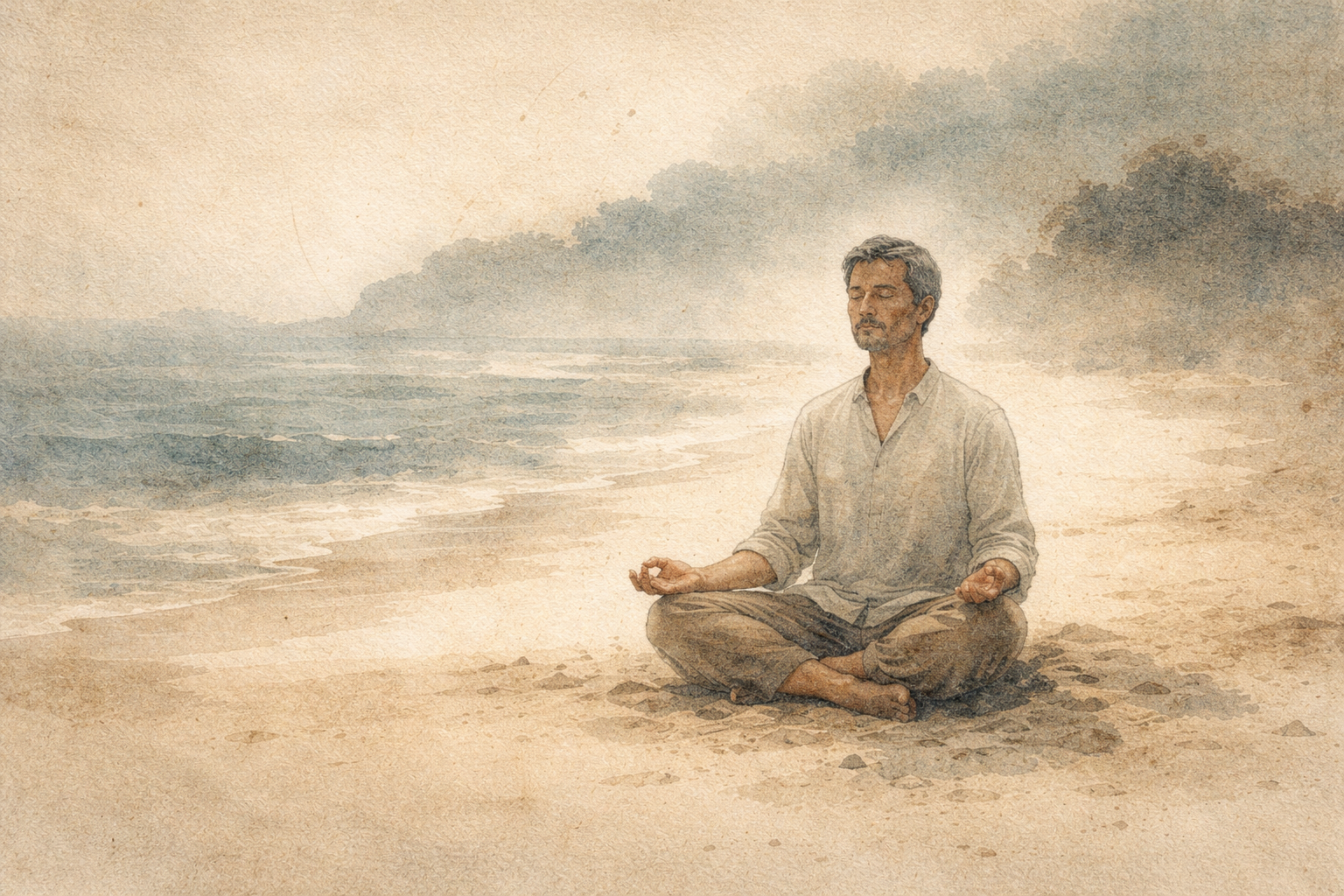
How to Practice Gratitude Without Forcing Positivity in Buddhism
Quick Summary
- Gratitude in Buddhism can be practiced as clear seeing, not as “being upbeat.”
- You can acknowledge pain and still recognize support, kindness, and conditions that help you live.
- “Forced positivity” usually adds tension; gentle gratitude reduces resistance without denying reality.
- Try gratitude as noticing: what is functioning, what is offered, what is already here.
- Let gratitude be specific and small; avoid using it to override grief, anger, or fear.
- When gratitude feels fake, return to honesty: name what’s true, then name one real support.
- The aim is steadiness and compassion, not a constant “positive” mood.
Introduction
You want gratitude to help, but the moment you try it, it can feel like you’re being asked to smile through stress, grief, or exhaustion—and that kind of positivity can feel dishonest, even isolating. Gratitude in a Buddhist frame doesn’t require you to repaint your experience; it asks you to look carefully at what is actually present, including what hurts and what supports you at the same time. At Gassho, we focus on practical Buddhist-inspired ways to meet real life without bypassing it.
When gratitude becomes a performance, it often turns into self-pressure: “I should feel thankful, so I shouldn’t feel this.” That inner argument is usually the real source of strain, not the difficult situation itself.
A more workable approach is to treat gratitude as a form of attention training—learning to notice conditions and kindness without demanding a particular emotional outcome.
GASSHO
Ask and learn about Buddhism in daily life.
GASSHO is a Buddhist community app where you can learn Buddhist teachings and ask questions to the head priest of Kongosanmaiin Temple on Mount Koya.
A Buddhist Lens on Gratitude That Doesn’t Deny Pain
In Buddhism, gratitude can be understood less as a mood and more as a way of seeing: recognizing that your life is supported by countless conditions—some personal, some impersonal, some visible, some easy to overlook. This recognition doesn’t require you to label your life as “good” or “bad.” It simply invites accuracy.
Forced positivity usually tries to replace one experience with another: swap sadness for cheer, fear for optimism, anger for “good vibes.” A Buddhist approach is closer to inclusion than replacement. You can include sadness and still acknowledge that someone texted you back, that your body is breathing, that food arrived, that a stranger held a door, that you have one small choice you can make next.
Gratitude, then, is not a command to feel better. It’s a gentle counterweight to the mind’s habit of narrowing around threat, lack, and what went wrong. The point isn’t to argue with your pain; it’s to widen the frame so pain isn’t the only thing you can see.
When practiced this way, gratitude becomes compatible with honesty. It can sit beside grief, disappointment, or uncertainty without trying to “fix” them. That compatibility is what makes it sustainable.
What Gratitude Looks Like in Real Moments
You wake up already behind. The mind starts listing failures and looming tasks. A forced gratitude practice might try to paste on a bright thought, which can feel like lying. A more grounded move is to notice one true support: the bed held you, the floor is stable, the water runs, the phone can call for help if needed. Nothing about that denies the stress; it simply adds reality that stress tends to erase.
You’re in a difficult conversation and feel misunderstood. The body tightens, the mind prepares a defense. Gratitude here might be as small as recognizing, “I care about being understood,” or “This relationship matters to me.” That recognition can soften the impulse to attack or shut down, without forcing you to pretend the conversation is pleasant.
You make a mistake and feel shame. Positivity would try to jump straight to “Everything happens for a reason.” Gratitude without bypassing might sound like, “I’m grateful I can see this clearly,” or “I’m grateful I have a chance to repair.” It’s not celebratory; it’s steadying.
You’re grieving. Some days, gratitude feels impossible—and that’s information, not a failure. On those days, gratitude can be permission to be human: “I’m grateful I can feel love this deeply,” or “I’m grateful for one person who can sit with me.” If even that is too much, gratitude can be as simple as, “I’m grateful I don’t have to pretend.”
You’re anxious and scanning for what might go wrong. The mind wants certainty. Gratitude can become a practice of returning to what is already carrying you: breath, gravity, a chair, a familiar routine, a small task you can complete. This doesn’t eliminate anxiety; it reduces the sense that anxiety is the whole world.
You notice resentment: “Why do I have to be grateful when things are unfair?” That resentment often contains a valid boundary or unmet need. Gratitude here isn’t submission. It can be the recognition of what you value—fairness, care, respect—so you can respond with clarity rather than bitterness.
Over time, you may notice a shift from “I must feel grateful” to “I can notice what supports me.” The second is lighter. It doesn’t demand a smile; it invites a fuller picture.
Common Misunderstandings That Turn Gratitude Into Pressure
Misunderstanding 1: Gratitude means you shouldn’t feel negative emotions. In a Buddhist-informed practice, emotions are part of experience, not moral failures. Gratitude is not a replacement emotion; it’s an additional perspective that can coexist with anger, sadness, or fear.
Misunderstanding 2: If you’re grateful, you won’t want change. You can appreciate support and still work to improve your life or address injustice. Gratitude can actually make change more skillful by reducing reactivity and clarifying what matters.
Misunderstanding 3: Gratitude must be big and inspiring. When gratitude is forced, it often aims for grand conclusions. A steadier approach is small and specific: one helpful condition, one act of kindness, one moment of relief.
Misunderstanding 4: Gratitude is something you “do to yourself.” Gratitude can also be relational: acknowledging what you’ve received and letting that recognition shape how you speak, listen, and respond. It’s less about self-improvement and more about connection.
Misunderstanding 5: If gratitude feels fake, you should push harder. If it feels fake, that’s usually a cue to return to honesty. Start with what’s true, then add one true support. Pushing harder often strengthens the inner critic.
Why This Approach Changes Daily Life
Gratitude without forced positivity helps because it reduces inner conflict. When you stop arguing with your own experience, you conserve energy. That energy can go toward practical care: rest, a difficult phone call, an apology, a boundary, a walk, a meal.
It also supports emotional balance without emotional suppression. You’re not trying to be “above” your feelings; you’re learning to hold them in a wider awareness that includes support, impermanence, and the possibility of response.
Relationally, this kind of gratitude tends to make people easier to be around. Not because you’re cheerful, but because you’re less performative. You can say, “This is hard,” and also, “Thank you for being here,” without either statement canceling the other.
Finally, it builds trust in your own honesty. When gratitude is grounded in what’s real, you don’t have to fear that practicing it will erase your pain. That trust is what keeps the practice available on the days you need it most.
Conclusion
Practicing gratitude without forcing positivity in Buddhism is less about manufacturing a bright attitude and more about training attention to include what supports you, even when life is painful. You don’t have to deny grief, anger, or anxiety to be grateful; you only have to be willing to notice one true condition of support alongside what hurts. Start small, stay honest, and let gratitude be a quiet widening of the heart rather than a demand to feel good.
Ask a Buddhist priest
Have a question about Buddhism?
In the GASSHO app, you can ask questions about Buddhist teachings, daily concerns, and how to understand Buddhism in everyday life.
Frequently Asked Questions
- FAQ 1: What does “gratitude without forcing positivity” mean in Buddhism?
- FAQ 2: Is forced positivity considered unhelpful from a Buddhist perspective?
- FAQ 3: Can I practice gratitude in Buddhism while I’m depressed or grieving?
- FAQ 4: How do I know if my gratitude practice is becoming spiritual bypassing?
- FAQ 5: Does Buddhism teach that I should be grateful for suffering?
- FAQ 6: What is a simple Buddhist-style gratitude practice that doesn’t force a mood?
- FAQ 7: Why does gratitude sometimes feel fake or irritating?
- FAQ 8: How can I practice gratitude in Buddhism without minimizing injustice or harm?
- FAQ 9: Is gratitude in Buddhism mainly about thinking positive thoughts?
- FAQ 10: How do I practice gratitude without comparing my pain to others?
- FAQ 11: Can gratitude in Buddhism help with anxiety without becoming denial?
- FAQ 12: What should I do if gratitude makes me feel like I’m settling?
- FAQ 13: How can I express gratitude in Buddhism when I’m angry?
- FAQ 14: Is it okay if gratitude doesn’t make me feel happier?
- FAQ 15: How often should I practice gratitude without forcing positivity in Buddhism?
FAQ 1: What does “gratitude without forcing positivity” mean in Buddhism?
Answer: It means practicing gratitude as honest recognition of support and conditions, without demanding that you feel cheerful or “okay” about what hurts. You acknowledge suffering and still notice what is sustaining you in the same moment.
Takeaway: Gratitude can be truthful and sober, not upbeat.
FAQ 2: Is forced positivity considered unhelpful from a Buddhist perspective?
Answer: It can be unhelpful because it often becomes avoidance: trying to replace unpleasant feelings instead of meeting them with awareness. Buddhism generally emphasizes seeing clearly rather than covering over experience with a preferred mood.
Takeaway: Clarity tends to help more than emotional cover-ups.
FAQ 3: Can I practice gratitude in Buddhism while I’m depressed or grieving?
Answer: Yes, if gratitude is kept gentle and realistic. In depression or grief, gratitude may be very small—recognizing one supportive person, one moment of relief, or simply the fact that you don’t have to pretend you’re fine.
Takeaway: In hard times, “small and true” beats “big and bright.”
FAQ 4: How do I know if my gratitude practice is becoming spiritual bypassing?
Answer: If you use gratitude to shut down feelings (“I shouldn’t be upset”), to avoid necessary action, or to silence someone else’s pain, it’s likely bypassing. Gratitude that’s not bypassing makes room for the full truth and supports wise response.
Takeaway: If gratitude reduces honesty, it’s probably being misused.
FAQ 5: Does Buddhism teach that I should be grateful for suffering?
Answer: You don’t have to be grateful for suffering itself. A more grounded approach is being grateful for what helps you meet suffering—support, learning, care, or the capacity to begin again—without romanticizing pain.
Takeaway: You can respect hardship without praising it.
FAQ 6: What is a simple Buddhist-style gratitude practice that doesn’t force a mood?
Answer: Try “one true support”: pause and name one specific thing supporting you right now (breath, clean water, a friend, a safe place to sit). Don’t try to feel anything special; just notice and acknowledge it.
Takeaway: Let gratitude be noticing, not performing.
FAQ 7: Why does gratitude sometimes feel fake or irritating?
Answer: It often feels fake when it’s used as a command (“Be grateful”) rather than a discovery (“What’s actually here?”). It can also feel irritating when it’s applied too broadly, ignoring real needs, boundaries, or grief.
Takeaway: If it feels fake, return to specificity and honesty.
FAQ 8: How can I practice gratitude in Buddhism without minimizing injustice or harm?
Answer: Keep gratitude separate from approval. You can be grateful for support, solidarity, and the capacity to respond while still naming harm clearly and taking action. Gratitude can steady you; it doesn’t have to excuse anything.
Takeaway: Gratitude and accountability can coexist.
FAQ 9: Is gratitude in Buddhism mainly about thinking positive thoughts?
Answer: Not necessarily. It can be more embodied and relational: noticing what you receive, how interdependent life is, and how kindness shows up in ordinary ways. Thoughts may be part of it, but the emphasis is often on clear awareness and response.
Takeaway: Gratitude is broader than “positive thinking.”
FAQ 10: How do I practice gratitude without comparing my pain to others?
Answer: Comparison usually adds shame (“Others have it worse, so I shouldn’t feel this”). Instead, keep gratitude local: what is supporting you today, in your actual life, without using someone else’s suffering as a measuring stick.
Takeaway: Gratitude works best without guilt-based comparison.
FAQ 11: Can gratitude in Buddhism help with anxiety without becoming denial?
Answer: Yes. Anxiety narrows attention to threat; gratitude gently widens attention to include stability and support (breath, routines, people, small choices). It doesn’t erase anxiety, but it can reduce the feeling that anxiety is the whole picture.
Takeaway: Use gratitude to widen the frame, not to erase fear.
FAQ 12: What should I do if gratitude makes me feel like I’m settling?
Answer: Reframe gratitude as acknowledgment, not resignation. You can appreciate what supports you while still pursuing change, healing, or justice. If gratitude is used to stop your own growth, it’s being applied too rigidly.
Takeaway: Appreciation doesn’t cancel healthy ambition or needed change.
FAQ 13: How can I express gratitude in Buddhism when I’m angry?
Answer: Start by acknowledging anger plainly. Then look for one true element you can appreciate without contradicting the anger—such as your value for fairness, the chance to speak clearly, or someone who can listen. Keep it minimal and real.
Takeaway: Let anger be present; add one honest note of appreciation.
FAQ 14: Is it okay if gratitude doesn’t make me feel happier?
Answer: Yes. Gratitude without forcing positivity isn’t measured by happiness. It may bring steadiness, humility, patience, or a softer relationship to difficulty. Sometimes it simply reduces the sense of isolation.
Takeaway: The goal is steadiness and clarity, not constant happiness.
FAQ 15: How often should I practice gratitude without forcing positivity in Buddhism?
Answer: Practice in small, repeatable ways: once in the morning, once at night, or in brief moments of stress. Consistency matters more than intensity. If it becomes pressured, scale it down until it feels honest again.
Takeaway: Keep it light, frequent, and truthful.