



Koyasan vs Other Buddhist Centers in Japan: What Feels Different?
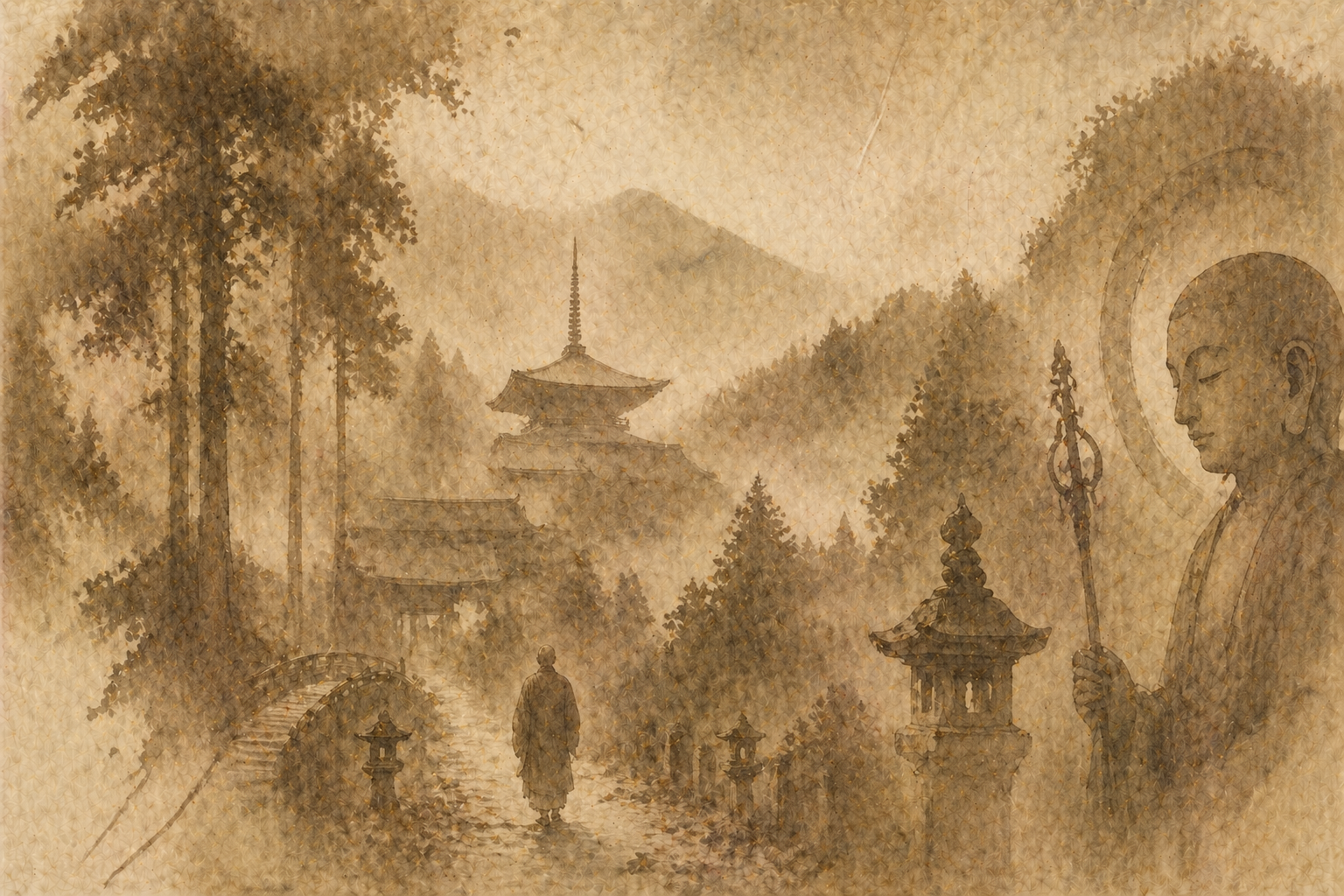
Koyasan vs Other Buddhist Centers in Japan: What Feels Different?
Quick Summary
- Koyasan tends to feel like a self-contained mountain town where practice, lodging, and daily rhythm blend together.
- Many other Buddhist centers in Japan feel more “in the flow” of city life, with shorter visits and clearer boundaries between temple and everyday surroundings.
- Koyasan’s atmosphere often emphasizes quiet continuity: forests, cemeteries, lantern light, and long walking distances that slow you down.
- Elsewhere, the experience can be more “drop-in”: a single hall, a single program, a single ritual, then back to trains and streets.
- The biggest difference is usually not doctrine—it’s how the place shapes attention, pace, and social expectations.
- Koyasan can feel more immersive for first-timers, but other centers can feel more approachable and flexible.
- If you’re choosing between Koyasan vs other Buddhist centers in Japan, decide whether you want immersion, convenience, or a balance of both.
Introduction: The Real Choice You’re Trying to Make
You’re not really asking which place is “more authentic”—you’re trying to predict how you’ll feel once you arrive: grounded or overwhelmed, welcomed or out of place, inspired or just tired from logistics. Koyasan can feel like stepping into a contained world, while many other Buddhist centers in Japan feel like a meaningful stop inside a much busier itinerary, and that difference matters more than most travel guides admit. At Gassho, we focus on how places shape attention and lived experience rather than selling a single “best” destination.
GASSHO
Ask and learn about Buddhism in daily life.
GASSHO is a Buddhist community app where you can learn Buddhist teachings and ask questions to the head priest of Kongosanmaiin Temple on Mount Koya.
A Useful Lens: Place as a Container for Attention
When people compare Koyasan vs other Buddhist centers in Japan, they often list features: mountain air, famous sites, temple stays, morning services. Those details matter, but they’re not the main driver of what feels different. The deeper difference is how each place “holds” your attention—how it quietly tells you what pace to move at, how to behave, and what to notice.
Koyasan tends to function like a container: you arrive, you stay, you walk, you eat, you sleep, and the environment keeps reinforcing a single mood. The town layout, the forested paths, and the sense of being away from ordinary errands all reduce the number of choices you have to make. Fewer choices often means less mental noise, which can make even simple rituals feel more vivid.
Many other Buddhist centers in Japan—especially those near major cities—operate more like a window than a container. You look in, you participate for a set time, and you step back out into regular life. That can be powerful too, but the surrounding context keeps pulling on your attention: schedules, crowds, transit, restaurants, notifications, and the subtle pressure to “move on.”
This lens keeps the comparison grounded. Instead of debating which place is “deeper,” you can ask a simpler question: do you want a setting that naturally narrows your focus, or one that lets you practice staying steady while life continues around you?
How the Difference Shows Up Once You’re There
On Koyasan, your day often starts with the feeling that the place is already doing something before you do. The air is cooler, the streets are quieter, and the distances between points of interest encourage walking instead of hopping quickly from one highlight to the next. Without trying, you may notice your mind settling into longer stretches of simple awareness.
In many other Buddhist centers in Japan, the first thing you notice may be the transition itself: you arrive from a station, you find the entrance, you check in, you follow instructions, and you try not to be in the way. Attention becomes task-focused. That isn’t bad—it’s just a different internal posture, more oriented toward doing things correctly than absorbing a mood.
Koyasan’s “immersion effect” often comes from repetition. You see similar textures again and again: cedar trees, stone markers, lanterns, temple gates, quiet corridors. Repetition can soften the urge to evaluate. Instead of thinking, “Is this impressive?” you may start thinking, “This is just here,” and your mind has less to argue with.
Elsewhere, variety can be the dominant experience. A center might be one hall inside a dense neighborhood, or a famous temple surrounded by shops and tour groups. Your attention keeps switching: quiet inside, busy outside; reverent space, commercial street; stillness, then noise. That switching can make you more aware of your own reactivity—how quickly the mind grasps for calm and resists disruption.
Social expectations can feel different too. In Koyasan, because many visitors stay overnight, there’s often a shared sense of “we’re all here for something,” even if everyone’s reasons vary. In other centers, people may be coming and going for many purposes—tourism, errands, local events—so you might feel less held by a collective rhythm and more responsible for creating your own.
Even small moments change. Waiting for a meal, taking off shoes, walking to a service, or sitting quietly before an altar can feel spacious in Koyasan because there’s less pressure to optimize time. In a city-based center, the same moments can feel compressed: you’re aware of the next train, the next reservation, the next destination.
None of this guarantees a particular inner result. But it does change what you notice: Koyasan often highlights continuity and atmosphere, while other Buddhist centers in Japan often highlight transitions—entering, participating, leaving—and the mind’s habit of clinging to certain states.
Common Misreadings When Comparing Koyasan and Other Centers
Misunderstanding 1: “Koyasan is spiritual; other places are just touristy.” Koyasan is popular too, and other centers can be deeply quiet even in busy areas. The difference is often about layout and pacing, not purity. A crowded place can still offer a clear moment if you know what you’re looking for.
Misunderstanding 2: “If I don’t feel something big, I did it wrong.” The most reliable “difference” is subtle: how quickly you stop checking your phone, how long you can walk without narrating everything, how gently you respond to inconvenience. These are small shifts, and they count.
Misunderstanding 3: “A temple stay is automatically more meaningful.” Staying overnight can help because it reduces transitions, but meaning comes from attention. A short visit to another Buddhist center in Japan can be more honest and present than an overnight stay spent performing an idea of what you think you should feel.
Misunderstanding 4: “I need to understand everything to belong.” In both Koyasan and other centers, it’s normal to not know the etiquette perfectly. What matters most is a respectful, observant attitude: watch what others do, move slowly, and let uncertainty be part of the experience rather than a problem to solve.
Why This Comparison Matters for Your Actual Trip
Choosing between Koyasan vs other Buddhist centers in Japan is really choosing the kind of support you want from the environment. If you’re depleted, grieving, burned out, or simply craving quiet, Koyasan’s container-like quality can reduce friction. You don’t have to manufacture a reflective mood; the place does some of that work for you.
If you’re curious but short on time, or you prefer flexibility, other centers can be a better fit. A city-based visit can be simpler: fewer transfers, easier dining options, and less pressure to commit to an overnight rhythm. That convenience can make it easier to show up without turning the trip into a performance.
There’s also a practical emotional factor: expectations. Koyasan’s reputation can inflate the inner demand to have a “life-changing” experience. Other Buddhist centers in Japan may come with fewer expectations, which sometimes makes it easier to relax and actually notice what’s happening.
Finally, the comparison matters because it clarifies what you want to practice. Do you want to practice being held by quiet, or do you want to practice steadiness amid movement? Both are real. The best choice is the one that matches your current life, not the one that sounds most impressive.
Conclusion: What Feels Different Is Often the Pace, Not the Promise
Koyasan often feels different because it slows you down without asking permission: the mountain setting, the walkable town, and the sense of staying “inside” the atmosphere for longer stretches. Many other Buddhist centers in Japan feel different in the opposite way: they ask you to find stillness inside transitions, schedules, and ordinary noise. If you choose based on the kind of attention you want to cultivate—immersed or integrated—you’ll usually be happier than if you choose based on reputation alone.
Ask a Buddhist priest
Have a question about Buddhism?
In the GASSHO app, you can ask questions about Buddhist teachings, daily concerns, and how to understand Buddhism in everyday life.
Frequently Asked Questions
- FAQ 1: What is the biggest “felt” difference in Koyasan vs other Buddhist centers in Japan?
- FAQ 2: Is Koyasan quieter than other Buddhist centers in Japan?
- FAQ 3: Does Koyasan feel more “authentic” than other Buddhist centers in Japan?
- FAQ 4: How does an overnight stay in Koyasan compare with staying near other Buddhist centers in Japan?
- FAQ 5: Is Koyasan harder to reach than other Buddhist centers in Japan?
- FAQ 6: Which is better for a first-time visitor: Koyasan or other Buddhist centers in Japan?
- FAQ 7: Does Koyasan feel more “retreat-like” than other Buddhist centers in Japan?
- FAQ 8: How do crowds compare in Koyasan vs other Buddhist centers in Japan?
- FAQ 9: Is the overall vibe in Koyasan more solemn than other Buddhist centers in Japan?
- FAQ 10: How does walking around Koyasan compare to visiting other Buddhist centers in Japan?
- FAQ 11: Are the visitor expectations different in Koyasan vs other Buddhist centers in Japan?
- FAQ 12: Which is better for a short itinerary: Koyasan or other Buddhist centers in Japan?
- FAQ 13: Does Koyasan feel more “set apart” than other Buddhist centers in Japan?
- FAQ 14: How should I choose between Koyasan vs other Buddhist centers in Japan if I’m sensitive to strict etiquette?
- FAQ 15: If I can only visit one, should I pick Koyasan or another Buddhist center in Japan?
FAQ 1: What is the biggest “felt” difference in Koyasan vs other Buddhist centers in Japan?
Answer: Koyasan often feels immersive because it functions like a whole mountain town shaped around temples, walking, and quiet continuity, while many other centers feel like a focused visit within a broader city or regional itinerary.
Takeaway: Expect Koyasan to feel more like a contained retreat, and many other centers to feel more like a meaningful stop.
FAQ 2: Is Koyasan quieter than other Buddhist centers in Japan?
Answer: Often, yes—especially early mornings and evenings—because the mountain setting and town rhythm reduce urban noise, but it can still be busy in peak seasons. Some non-Koyasan centers can be extremely quiet too, particularly outside major tourist hours.
Takeaway: Quiet depends on timing and context, but Koyasan’s setting tends to support it.
FAQ 3: Does Koyasan feel more “authentic” than other Buddhist centers in Japan?
Answer: “Authentic” is hard to measure; what people usually mean is that Koyasan feels more continuous and less interrupted by modern city life. Other centers can be just as sincere and practice-oriented, but the surrounding environment may feel more mixed-use and everyday.
Takeaway: The difference is often atmosphere and pacing, not a simple authenticity ranking.
FAQ 4: How does an overnight stay in Koyasan compare with staying near other Buddhist centers in Japan?
Answer: In Koyasan, staying overnight often keeps you “inside” the same mood from evening into morning, which can make routines feel calmer and more cohesive. Near other centers, you may sleep in a standard hotel and visit a temple for a set program, which can feel more flexible but less immersive.
Takeaway: Koyasan tends to reduce transitions; other areas often increase convenience.
FAQ 5: Is Koyasan harder to reach than other Buddhist centers in Japan?
Answer: For many travelers, yes—Koyasan usually involves multiple steps (train plus cable car and/or bus), while many other centers are closer to major rail hubs. The extra effort can contribute to the “arrival” feeling that people associate with Koyasan.
Takeaway: Koyasan is often less direct, but that remoteness is part of what feels different.
FAQ 6: Which is better for a first-time visitor: Koyasan or other Buddhist centers in Japan?
Answer: Koyasan can be easier emotionally because the whole town supports a slower pace, but it can also feel like a bigger commitment. Other centers can be easier logistically and let you sample temple culture in shorter visits without planning an overnight stay.
Takeaway: Choose Koyasan for immersion; choose other centers for flexibility and simplicity.
FAQ 7: Does Koyasan feel more “retreat-like” than other Buddhist centers in Japan?
Answer: Many visitors experience it that way because the mountain environment, walkable distances, and evening quiet create a natural retreat mood. Other centers can feel retreat-like too, but you may need to create that boundary yourself amid city movement.
Takeaway: Koyasan often provides retreat conditions by default.
FAQ 8: How do crowds compare in Koyasan vs other Buddhist centers in Japan?
Answer: Koyasan can be crowded during peak travel seasons and weekends, but the spacious outdoor areas can disperse people. Other centers—especially famous city temples—may feel more densely crowded because space is tighter and foot traffic is constant.
Takeaway: Koyasan crowds can feel more spread out; city centers can feel more compressed.
FAQ 9: Is the overall vibe in Koyasan more solemn than other Buddhist centers in Japan?
Answer: It can feel more solemn because of the forested setting, evening stillness, and the prominence of memorial spaces, but “solemn” varies by location and time. Many other centers have a lively, community-facing vibe that can feel warm rather than heavy.
Takeaway: Koyasan often leans contemplative; other centers may feel more integrated with daily community life.
FAQ 10: How does walking around Koyasan compare to visiting other Buddhist centers in Japan?
Answer: Koyasan often involves longer, quieter walks between sites, which naturally slows attention and reduces “checklist” sightseeing. Other centers may be reached quickly from stations and surrounded by shops, which can keep your mind in a faster, more transactional mode.
Takeaway: Koyasan encourages slow movement; many other centers encourage quick access.
FAQ 11: Are the visitor expectations different in Koyasan vs other Buddhist centers in Japan?
Answer: Yes. Koyasan’s reputation can create pressure to have a profound experience, while other centers may feel more casual and easier to approach without big expectations. That difference alone can change what you notice and how relaxed you feel.
Takeaway: Koyasan can raise expectations; other centers can lower pressure.
FAQ 12: Which is better for a short itinerary: Koyasan or other Buddhist centers in Japan?
Answer: If you have only a half-day or a single day, other Buddhist centers closer to major cities are usually more practical. Koyasan tends to work best when you can stay overnight or give it enough time to settle into the slower rhythm.
Takeaway: Limited time often favors other centers; Koyasan rewards unhurried time.
FAQ 13: Does Koyasan feel more “set apart” than other Buddhist centers in Japan?
Answer: Generally, yes—its mountain location and town structure create a sense of separation from ordinary errands and nightlife. Many other centers are embedded in neighborhoods where daily life continues right outside the gate.
Takeaway: Koyasan often feels like stepping out of routine; other centers often sit inside routine.
FAQ 14: How should I choose between Koyasan vs other Buddhist centers in Japan if I’m sensitive to strict etiquette?
Answer: Both can be welcoming, but Koyasan stays can feel more structured because you’re sharing space and routines for longer. Other centers may let you participate in shorter, clearer time blocks, which can feel safer if you’re worried about making mistakes.
Takeaway: Choose Koyasan for structured immersion; choose other centers for low-commitment participation.
FAQ 15: If I can only visit one, should I pick Koyasan or another Buddhist center in Japan?
Answer: Pick Koyasan if you want a distinct, immersive atmosphere and can spare the travel time; pick another center if you want easier access, less logistical complexity, and a visit that fits smoothly into a broader trip. Neither choice is “more correct”—they train different kinds of attention.
Takeaway: Choose based on the experience you want: immersion (Koyasan) or integration (other centers).