



What Is Koyasan? A Beginner-Friendly Guide
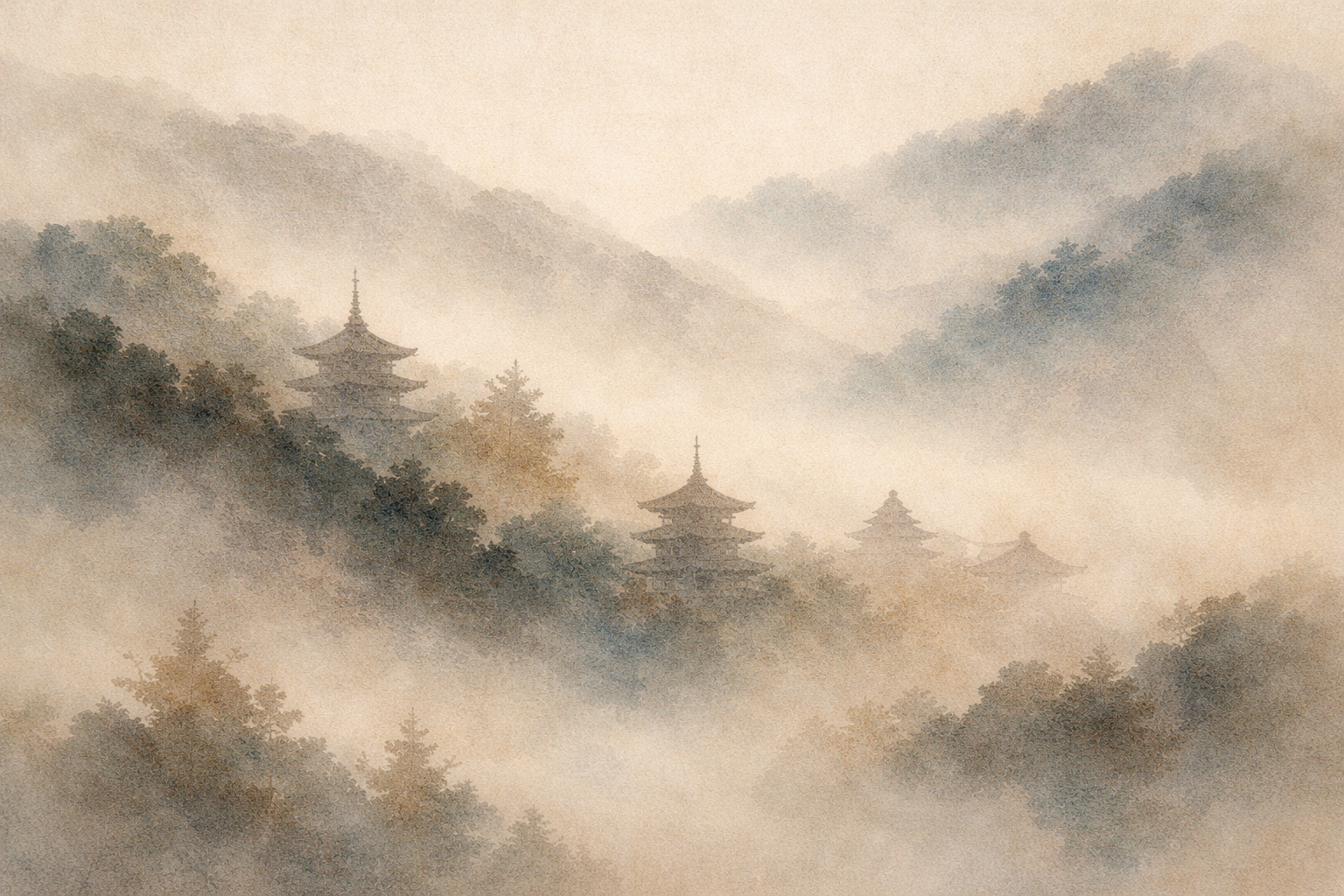
Quick Summary
- Koyasan (Mount Kōya) is a mountain temple town in Wakayama Prefecture, Japan, known for its dense cluster of Buddhist temples.
- It’s both a living religious community and a visitor-friendly destination with lodging, meals, and guided experiences.
- Many people go for the atmosphere: quiet forests, lantern-lit paths, and a slower rhythm that supports reflection.
- Key areas include the central temple precincts and the large cemetery complex often visited for evening walks.
- Staying overnight can be the simplest way to understand Koyasan beyond “sightseeing.”
- Respectful behavior matters: it’s not a theme park, and many spaces are active places of practice.
- If you’re asking “what is Koyasan,” the most accurate answer is: a place where daily life and spiritual culture still share the same streets.
Introduction
If you’ve heard Koyasan described as “a sacred mountain,” “a temple town,” and “a must-see day trip,” it’s normal to feel unclear about what it actually is and what you’re supposed to do there. Koyasan is best understood as a real, functioning community built around temples—quiet, structured, and surprisingly practical for visitors—where the point isn’t to be impressed, but to pay attention. At Gassho, we focus on beginner-friendly Buddhist culture and travel context without turning it into mystique.
Some people arrive expecting a single landmark; instead they find a whole plateau town with multiple precincts, walks, meals, and places to stay. That “too many options” feeling is common, especially if you only have a day.
So, what is Koyasan in plain terms? It’s a mountain basin developed as a major center of Japanese Buddhist life, with temples, memorial spaces, and everyday services woven together—more like a campus town than a single attraction.
A Clear Way to Understand Koyasan
A helpful lens is to see Koyasan as a place designed to shape attention. The mountain setting, the long approaches, the gates, the incense, the quiet corridors—none of it is accidental. The environment gently nudges you away from constant stimulation and toward noticing what you’re doing, where you are, and how you’re moving through the day.
In that sense, Koyasan isn’t primarily “about” a list of doctrines you must learn. It’s more like an atmosphere that makes certain human experiences easier to recognize: reverence, grief, gratitude, restlessness, curiosity, and calm. You don’t have to label those feelings as spiritual for them to be real.
It also helps to see Koyasan as layered: it’s a religious center, a historical site, a cemetery landscape, a lodging network, and a small town with buses and convenience stores. Those layers coexist. Visitors sometimes get confused because they expect a museum-like separation between “sacred” and “ordinary,” but Koyasan doesn’t work that way.
Finally, Koyasan makes more sense when you treat it as a place to slow down rather than a checklist to complete. The value is often in the transitions—walking from one precinct to another, hearing bells in the distance, noticing how your mind changes when the noise drops.
What It Feels Like to Visit Koyasan
You arrive and your first instinct may be to “optimize”: map the top sights, estimate walking times, and rush to the famous spots. Then you notice the pace around you is different—people speak softly, shoes come on and off, and time is organized around meals and closing hours rather than endless browsing.
As you walk, attention naturally shifts to small things: the sound of gravel, the smell of cedar, the way light changes under trees. Even if you’re not trying to be mindful, the setting reduces the usual triggers that keep the mind jumping.
In temple spaces, you may feel unsure about etiquette—where to stand, whether photos are allowed, how to behave. That uncertainty can be useful if you let it be simple: pause, watch what others do, and move carefully. The internal process is less “figuring it out” and more “noticing your impulse to rush.”
In the cemetery areas, many visitors experience a quiet emotional mix. It’s not necessarily sadness; it can be tenderness, respect, or a sense of scale. You might notice how quickly the mind tries to turn the moment into a story—and how different it feels to just walk and let the atmosphere be what it is.
If you stay overnight, the experience often becomes simpler. You wake up in mountain air, hear morning sounds, and realize you’re not “doing Koyasan” so much as living inside its rhythm for a short time. That shift—from consuming a destination to inhabiting it—changes what you notice.
Even meals can become part of the visit’s texture: quieter dining, seasonal flavors, and a sense of being hosted rather than served. You may catch yourself reaching for your phone out of habit, then putting it down because there’s nothing urgent to chase.
By the end, many people don’t remember every temple name, but they remember how their mind felt: less crowded, less reactive, more able to stay with one thing at a time. That’s a very ordinary outcome—and it’s also the point.
Common Misunderstandings About Koyasan
Misunderstanding 1: “Koyasan is just one temple.” It’s a whole town on a mountain plateau with many temples, halls, gates, paths, and neighborhoods. Planning improves when you choose a few areas rather than trying to “see it all.”
Misunderstanding 2: “It’s only for religious people.” Visitors come for history, nature, architecture, and atmosphere. Respect matters, but belief isn’t a requirement for appreciating the place.
Misunderstanding 3: “A day trip is always enough.” A day trip can be meaningful, but it often feels rushed due to transit time and closing hours. Overnight stays tend to reveal the quieter side that people imagine when they hear “sacred mountain.”
Misunderstanding 4: “The cemetery is scary.” It’s typically experienced as peaceful and contemplative. The mood is more like a forest memorial landscape than anything sensational.
Misunderstanding 5: “You need expert knowledge to visit.” You can do well with simple basics: be quiet indoors, follow posted signs, ask before photographing, and treat rituals as someone else’s living culture rather than a performance.
Why Koyasan Matters for Everyday Life
Koyasan matters because it shows what happens when a place is built to support reflection instead of constant consumption. Even a short visit can remind you that attention is shaped by environment—noise, speed, and crowds aren’t just “out there,” they condition how you think and react.
It also offers a gentle lesson in respect without pressure. You practice small acts—lowering your voice, waiting your turn, removing shoes, reading signs—and you see how those choices affect your inner state. The mind often settles not through force, but through simple alignment with context.
Finally, Koyasan can reframe what “spiritual” means in a grounded way. Instead of chasing special experiences, you notice ordinary ones more clearly: walking, eating, listening, remembering. That’s a skill you can bring home, even if your daily life is busy.
Conclusion
So, what is Koyasan? It’s a mountain town where temples, memorial spaces, and daily life share the same air—an environment that naturally slows you down and makes attention feel simpler. If you approach it less like a checklist and more like a place to walk carefully, eat quietly, and notice your own pace, Koyasan becomes beginner-friendly in the best way: it meets you exactly where you are.
Frequently Asked Questions
- FAQ 1: What is Koyasan?
- FAQ 2: Where is Koyasan located in Japan?
- FAQ 3: Is Koyasan a mountain or a town?
- FAQ 4: Why is Koyasan famous?
- FAQ 5: What do people do when visiting Koyasan?
- FAQ 6: Is Koyasan worth visiting for beginners?
- FAQ 7: Can you visit Koyasan as a day trip?
- FAQ 8: What is the best way to understand Koyasan’s atmosphere?
- FAQ 9: Is Koyasan a UNESCO World Heritage Site?
- FAQ 10: What is the difference between Koyasan and Mount Koya?
- FAQ 11: Is Koyasan only about temples?
- FAQ 12: What should I know about etiquette when visiting Koyasan?
- FAQ 13: What is the best season to visit Koyasan?
- FAQ 14: How long should I stay in Koyasan?
- FAQ 15: What makes Koyasan different from other places in Japan?
FAQ 1: What is Koyasan?
Answer: Koyasan (Mount Kōya) is a mountain plateau town in Wakayama Prefecture, Japan, known for its large concentration of Buddhist temples, memorial sites, and visitor accommodations. It functions as both a living religious community and a destination where travelers can visit temple precincts, walk forested paths, and stay overnight.
Takeaway: Koyasan is a real town centered on temples, not a single attraction.
FAQ 2: Where is Koyasan located in Japan?
Answer: Koyasan is in Wakayama Prefecture, south of Osaka, on Mount Kōya. It sits in a mountain basin rather than on a sharp peak, which is why it feels like a small town spread across a plateau.
Takeaway: Koyasan is a mountain plateau town in Wakayama, reachable from the Osaka area.
FAQ 3: Is Koyasan a mountain or a town?
Answer: It’s both. “Koyasan” refers to the mountain area, but what visitors experience is a town-like settlement on the mountain with roads, buses, shops, and many temple complexes.
Takeaway: Think of Koyasan as a town on a mountain, not a single summit viewpoint.
FAQ 4: Why is Koyasan famous?
Answer: Koyasan is famous for its temple-centered culture, its historic role as a major religious center in Japan, and its distinctive atmosphere—cedar forests, lantern-lit paths, and large memorial grounds that many visitors find deeply quiet and reflective.
Takeaway: Koyasan is known for its living temple community and contemplative mountain setting.
FAQ 5: What do people do when visiting Koyasan?
Answer: Common activities include visiting major temple precincts, walking through forested memorial areas, enjoying vegetarian-style temple meals at some lodgings, browsing small shops, and staying overnight to experience the town when it becomes quieter in the evening and morning.
Takeaway: Koyasan is best experienced through walking, visiting temple areas, and slowing down.
FAQ 6: Is Koyasan worth visiting for beginners?
Answer: Yes, because you don’t need specialized knowledge to appreciate it. If you can follow basic etiquette (quiet voices, shoes off where required, respecting signs), Koyasan is approachable and often feels calmer than big-city sightseeing.
Takeaway: Beginners can enjoy Koyasan by focusing on simple respect and a slower pace.
FAQ 7: Can you visit Koyasan as a day trip?
Answer: You can, especially from Osaka, but it may feel rushed due to travel time and the spread-out layout. Many visitors prefer an overnight stay so they can walk in the evening and morning when the town is quieter.
Takeaway: A day trip is possible, but overnight often matches what people imagine Koyasan to be.
FAQ 8: What is the best way to understand Koyasan’s atmosphere?
Answer: Treat it less like a checklist and more like a place to move slowly: walk between areas instead of rushing, pause in temple courtyards, and notice how the environment changes your attention. The “meaning” of Koyasan is often felt through pace and quiet rather than facts alone.
Takeaway: Koyasan makes the most sense when you let the setting guide your attention.
FAQ 9: Is Koyasan a UNESCO World Heritage Site?
Answer: Koyasan is associated with UNESCO recognition through the broader sacred-site listings in the region, and several key areas are treated as culturally significant heritage destinations. For exact included components and boundaries, check current UNESCO documentation and local visitor information, as listings can be presented differently across sources.
Takeaway: Koyasan is widely recognized as a major heritage destination; verify specific UNESCO components if you need precision.
FAQ 10: What is the difference between Koyasan and Mount Koya?
Answer: They refer to the same place in most travel contexts. “Koyasan” is the common romanization, while “Mount Koya” is the English phrasing; both point to the mountain plateau town and its temple complexes.
Takeaway: “Koyasan” and “Mount Koya” are usually the same destination described in different wording.
FAQ 11: Is Koyasan only about temples?
Answer: Temples are central, but Koyasan also includes forest walks, memorial spaces, small-town streets, local food, seasonal scenery, and lodging that shapes the overall experience. Many people remember the mood of the place as much as any single building.
Takeaway: Koyasan is a whole environment—temples plus nature, town life, and quiet.
FAQ 12: What should I know about etiquette when visiting Koyasan?
Answer: Follow posted rules, keep your voice low indoors, remove shoes where indicated, avoid blocking pathways, and ask or look for signs before taking photos inside buildings. Remember that many spaces are active places of practice, not just tourist sites.
Takeaway: Simple, careful behavior is the best etiquette for Koyasan.
FAQ 13: What is the best season to visit Koyasan?
Answer: Spring and autumn are popular for comfortable temperatures and scenery, while winter can be very quiet and atmospheric but colder and sometimes snowy. Summer is greener but can be humid, and weather can affect mountain visibility and walking comfort.
Takeaway: Choose Koyasan’s season based on your comfort with temperature and crowds.
FAQ 14: How long should I stay in Koyasan?
Answer: If possible, plan one night to experience the evening and morning calm. If you only have a day, pick a small number of areas and allow time for walking rather than trying to cover everything.
Takeaway: One overnight stay is a balanced, beginner-friendly way to experience Koyasan.
FAQ 15: What makes Koyasan different from other places in Japan?
Answer: Koyasan stands out because it’s not just historic architecture—it’s a living temple town where daily routines, memorial culture, and visitor access overlap. The result is a destination that naturally encourages quiet attention rather than fast sightseeing.
Takeaway: Koyasan is distinctive for its living, town-wide temple culture and reflective atmosphere.