



How to Bring Gassho Into Everyday Life Without Making It Formal
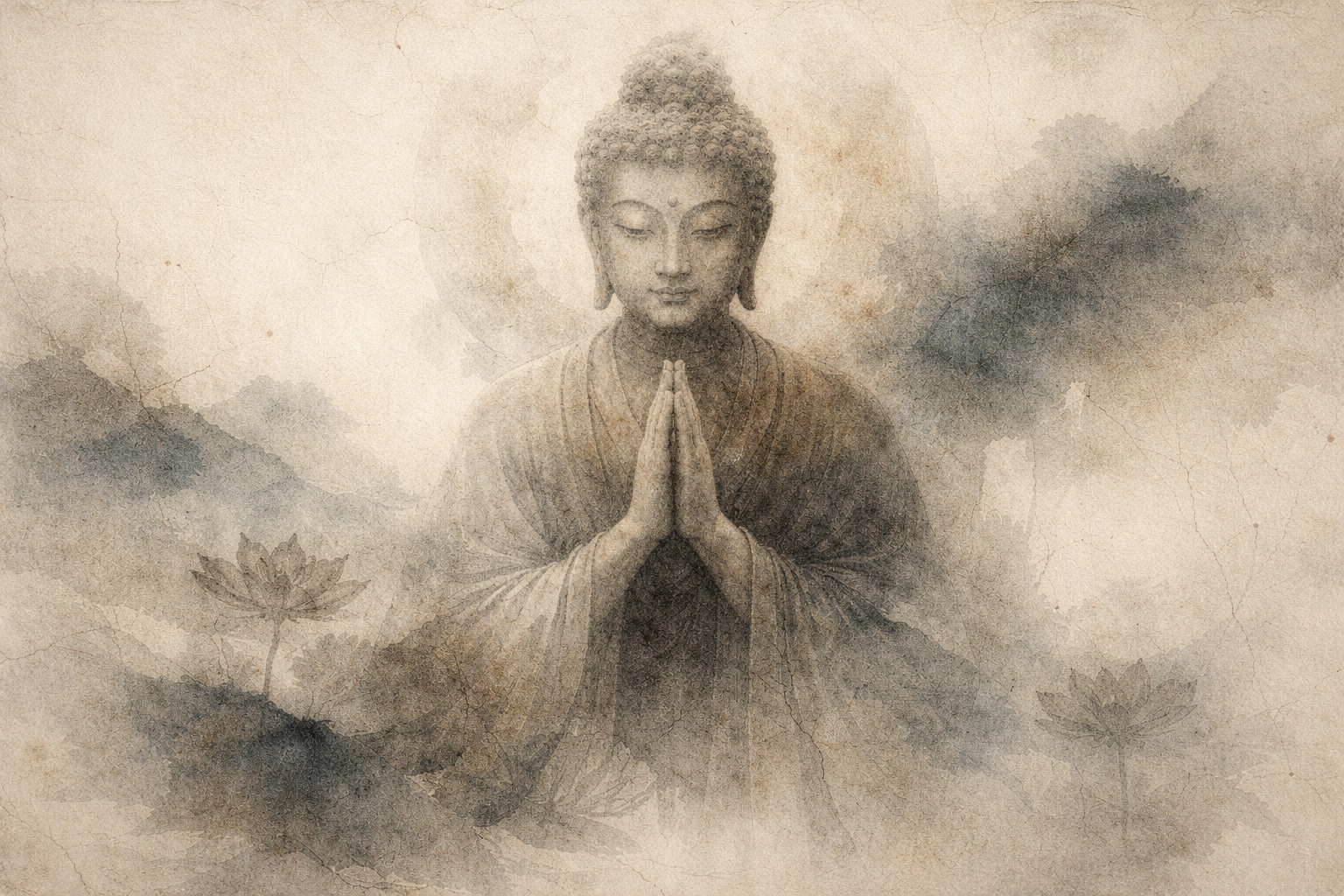
Quick Summary
- Gassho doesn’t have to be a “ceremony”—it can be a small, private cue to return to respect and presence.
- Keep it light: a brief gesture, a soft breath, or even hands together inside a pocket can be enough.
- Use everyday transitions (opening a laptop, entering a room, starting the car) as natural moments for gassho.
- Let gassho be about relationship: to yourself, to other people, and to the moment—without performance.
- If it feels stiff or “religious,” shrink it: shorten the time, simplify the gesture, or do it silently.
- Consistency matters more than intensity; one sincere second beats a long, forced routine.
- The goal is not to look spiritual—it’s to remember how you want to meet life.
Introduction
You like the idea of gassho—hands together, a simple bow of the heart—but the moment you try to “do it properly,” it starts to feel stiff, performative, or weirdly formal in the middle of normal life. The good news is that gassho works best when it’s small, ordinary, and almost unnoticeable, because its real job is to soften your stance toward the moment, not to create a mood or an image. At Gassho, we focus on practical ways to bring Zen-inspired gestures into real schedules, real relationships, and real distractions.
When gassho becomes formal, it often turns into a project: you start measuring whether you did it “right,” whether you looked respectful enough, whether you’re consistent enough. That mental tightening is exactly what makes the gesture feel heavy. The point is to make it usable—something you can reach for when you’re rushed, irritated, self-critical, or simply scattered.
Think of gassho as a tiny reset button. It’s a way of saying, without words: “Let me meet this with care.” That “this” can be your own mind, the person in front of you, or the task you’re about to do. And it can happen in one breath.
A Simple Lens: Gassho as a Micro-Choice
A helpful way to understand gassho is to treat it as a micro-choice rather than a ritual. The hands come together, and for a moment you choose a different posture toward life: less grabbing, less resisting, less “me versus this.” It’s not a belief you adopt; it’s a small physical cue that changes how you relate to what’s happening.
In everyday terms, gassho is a way to remember respect without needing a reason. Respect here doesn’t mean admiration or approval. It means acknowledging that this moment is real, this person is real, and your own inner life is real—worthy of meeting directly rather than rushing past.
Because it’s a gesture, gassho bypasses some of the mind’s arguments. You don’t have to convince yourself to be calm or kind. You simply place the hands together and let the body suggest a tone: collected, non-aggressive, receptive. Even if your thoughts are still loud, the gesture can create a little space around them.
Most importantly, gassho doesn’t need to be big to be sincere. If you’re waiting for the “right feeling” before you do it, it becomes formal. If you let it be small and timely—one breath, one bow of attention—it stays alive.
GASSHO
Ask and learn about Buddhism in daily life.
GASSHO is a Buddhist community app where you can learn Buddhist teachings and ask questions to the head priest of Kongosanmaiin Temple on Mount Koya.
What It Looks Like in Ordinary Moments
You’re about to open your laptop. There’s a familiar rush: messages, tasks, pressure. A quick gassho—hands together for one breath—can mark the shift from drifting into reacting. You’re not asking the day to be easy; you’re choosing to show up.
You notice irritation rising while someone talks. The mind starts drafting a rebuttal. Gassho can happen internally: hands together briefly under the table, or even just palms touching for a second. The gesture doesn’t “fix” the irritation; it interrupts the automatic escalation and reminds you to listen from a wider place.
You make a mistake—send the wrong email, forget an appointment, snap at someone. The reflex is self-attack or defensiveness. A small gassho to yourself can be a way of acknowledging: “Yes, that happened.” Not to excuse it, but to stop adding extra suffering through shame spirals.
You’re walking from one room to another and your mind is already three steps ahead. A brief gassho at the doorway can turn a transition into a landing. It’s less about the doorway and more about the pause: a moment where you stop being dragged by momentum.
You’re about to eat, even if it’s just something quick. Gassho can be a quiet nod to the fact that you’re being supported—by effort, by time, by conditions you didn’t create alone. It doesn’t require a long grace or special words. One breath is enough to change the tone of the meal.
You’re ending the day and the mind wants to review everything: what you did, what you didn’t do, what you should have done. A gentle gassho can be a way to close the ledger for now. Not denial—just a boundary. “Today is complete enough to put down for the night.”
Over time, you may notice that gassho isn’t something you “add” to life. It becomes a way you touch life. The gesture is small, but the shift is practical: less friction, less performance, more direct contact with what’s here.
Misunderstandings That Make It Feel Awkward
One common misunderstanding is thinking gassho must look a certain way. When you focus on external correctness—hand height, bow angle, perfect timing—you create pressure. In daily life, “correct” is whatever helps you return to sincerity without drawing attention or creating strain.
Another misunderstanding is assuming gassho is only for calm moments. Many people try it when they already feel peaceful, then conclude it “doesn’t work” when they’re stressed. But stress is exactly when a tiny embodied cue is useful. You’re not trying to become serene; you’re trying to become present enough to choose your next move.
Some people worry that gassho is inherently performative, especially around others. It can be—if it’s used to signal identity or superiority. But it can also be completely private. You can do it silently, briefly, and without display. If it’s for your own alignment, it doesn’t need an audience.
Another trap is using gassho as a way to bypass real feelings. If you’re hurt, angry, or anxious, gassho isn’t meant to paste a “spiritual” layer over it. It’s meant to help you stay with the truth of your experience without being consumed by it.
Finally, people sometimes treat gassho like a promise: “If I do this, I should feel better.” That turns it into a transaction. A more workable approach is: “If I do this, I’ll remember what matters for one breath.” That’s enough.
How to Make Gassho Natural in a Busy Life
If you want gassho to stay informal, attach it to moments that already exist. Don’t create a new “gassho time” that you’ll fail to maintain. Use transitions: before you speak in a tense conversation, after you close a meeting, when you step outside, when you wash your hands. These are built-in pauses that don’t require extra scheduling.
Keep the dose small. One breath is a complete practice. Two breaths is generous. When you force it to be long, it becomes a performance and you’ll start avoiding it. The informal version is designed to be repeatable, even on your worst day.
Let the gesture match the context. In private, you might bring palms together at the chest and bow slightly. In public, you might simply touch palms briefly, or press fingertips together near your lap. The essence is the same: a physical reminder of respect and non-reactivity.
Use gassho as a relational practice, not a self-improvement project. Try it before you send a message that could be sharp. Try it after you receive criticism. Try it when you’re about to interrupt. The point isn’t to become “better”; it’s to meet others with less defensiveness and more care.
And when you forget, don’t punish yourself. The moment you remember is the moment you can do it. Informal gassho is forgiving by design: it’s always available, and it doesn’t require a clean slate.
Conclusion
Bringing gassho into everyday life without making it formal comes down to one principle: keep it human. Make it brief, private when needed, and tied to real moments where you tend to tighten, rush, or react. When gassho stops being a “special thing you do” and becomes a small way you return to respect, it fits naturally into workdays, relationships, and ordinary stress.
If you want a simple starting point, choose one transition you already experience daily—opening your laptop, starting a meal, stepping out the door—and do one-breath gassho there for a week. Not to be perfect, but to remember what it feels like to meet life with your hands and heart together.
Ask a Buddhist priest
Have a question about Buddhism?
In the GASSHO app, you can ask questions about Buddhist teachings, daily concerns, and how to understand Buddhism in everyday life.
Frequently Asked Questions
- FAQ 1: How can I practice gassho in daily life without feeling like I’m performing?
- FAQ 2: Do I need to bow when I do gassho to make it “count”?
- FAQ 3: What’s the simplest way to start bringing gassho into everyday routines?
- FAQ 4: How do I do gassho at work without drawing attention?
- FAQ 5: Is it okay to practice gassho without any religious belief?
- FAQ 6: What if gassho feels stiff or forced when I try it?
- FAQ 7: Can I do gassho mentally without putting my hands together?
- FAQ 8: How can gassho help in tense conversations without making things awkward?
- FAQ 9: Should I say anything (like a phrase) when I do gassho in daily life?
- FAQ 10: How often should I do gassho to make it part of everyday life?
- FAQ 11: What’s a good informal gassho moment for mornings?
- FAQ 12: How can I use gassho when I’m upset with myself?
- FAQ 13: Is gassho still gassho if I do it very quickly?
- FAQ 14: How do I keep gassho from turning into a rigid habit?
- FAQ 15: What if my family or friends think gassho is strange?
FAQ 1: How can I practice gassho in daily life without feeling like I’m performing?
Answer: Make it brief and functional: one breath with hands together as a private cue to soften your stance. Do it when you need it (before replying, before starting work), not when it looks impressive. If you feel self-conscious, do it subtly—hands in your lap, fingertips together, or palms lightly touching for a second.
Takeaway: Keep gassho small, private, and timed to real-life moments—not to appearances.
FAQ 2: Do I need to bow when I do gassho to make it “count”?
Answer: No. A bow can be meaningful, but it’s optional in everyday life. If bowing makes it feel formal or awkward, skip it and focus on the inner gesture: a moment of respect and presence. The sincerity matters more than the choreography.
Takeaway: Gassho “counts” when it helps you return to respect—bowing is optional.
FAQ 3: What’s the simplest way to start bringing gassho into everyday routines?
Answer: Pick one reliable daily trigger and keep it consistent for a week—like before you open your laptop, before you eat, or when you step outside. Do one breath of gassho and then continue. Avoid adding multiple new moments at once, which can make it feel like a rigid practice.
Takeaway: One trigger + one breath is enough to make gassho natural.
FAQ 4: How do I do gassho at work without drawing attention?
Answer: Keep it subtle and quick: hands together near your lap, fingertips touching, or palms lightly pressed for a second before a meeting or message. You can also do a “micro-gassho” internally by bringing attention to the feeling of the hands and taking one steady breath without any visible gesture.
Takeaway: Workplace gassho can be discreet—visibility is not required.
FAQ 5: Is it okay to practice gassho without any religious belief?
Answer: Yes. In everyday life, gassho can be used as an embodied reminder of respect, gratitude, or non-reactivity—no belief required. Treat it like a practical gesture that helps you meet moments with care rather than a statement about identity.
Takeaway: Gassho can be a practical habit of respect, independent of belief.
FAQ 6: What if gassho feels stiff or forced when I try it?
Answer: Shrink it. Shorten the time to one breath, soften the pressure of the palms, and drop any “special mood.” You can also change the context: instead of doing it when you think you “should,” do it when you genuinely want to reset—right before you speak, right after you notice tension, or right as you begin a task.
Takeaway: If it feels formal, make it smaller and more timely.
FAQ 7: Can I do gassho mentally without putting my hands together?
Answer: Yes. While the physical gesture is powerful, the heart of gassho is the inner movement toward respect and presence. If you can’t use your hands, pause for one breath and intentionally “bring together” your attention—less scattered, less reactive—then continue.
Takeaway: The essence of gassho is the inner alignment; hands are one helpful way to express it.
FAQ 8: How can gassho help in tense conversations without making things awkward?
Answer: Use it as a private pause before you respond. A brief gassho under the table or hands lightly together for one breath can interrupt the urge to defend or attack. Then speak more slowly and directly. You don’t need to announce it or ask anyone else to participate.
Takeaway: Private gassho can create a pause that changes your tone without changing the conversation’s surface.
FAQ 9: Should I say anything (like a phrase) when I do gassho in daily life?
Answer: You don’t have to. Silence often keeps it informal. If words help, keep them simple and non-theatrical, like “Thank you,” “Let me listen,” or “One breath.” The phrase should support sincerity, not turn it into a script.
Takeaway: Words are optional; if you use them, keep them plain and supportive.
FAQ 10: How often should I do gassho to make it part of everyday life?
Answer: Start with once a day in a consistent spot, then let it spread naturally to moments where you feel rushed or reactive. The aim isn’t a quota; it’s availability. If you do it three times one day and zero the next, that’s still fine—return when you remember.
Takeaway: Consistency helps, but gassho works best as an “as-needed” reset, not a strict count.
FAQ 11: What’s a good informal gassho moment for mornings?
Answer: Try one breath of gassho before you touch your phone, before your first sip of water or coffee, or as you step out of bed. Keep it quick and ordinary—more like setting a direction than creating a ceremony.
Takeaway: Pair gassho with something you already do every morning to keep it natural.
FAQ 12: How can I use gassho when I’m upset with myself?
Answer: Do a gentle, brief gassho to acknowledge what’s happening without piling on blame. One breath with hands together can mark a shift from self-attack to honest responsibility: “This is here; I can respond.” Then take one small corrective action, even if it’s just apologizing or starting again.
Takeaway: Informal gassho can interrupt shame and support a calmer, more responsible next step.
FAQ 13: Is gassho still gassho if I do it very quickly?
Answer: Yes—if it’s sincere. A one-second gassho can be more real than a long, forced one. The key is whether it actually reconnects you to respect and presence, even briefly, rather than becoming a rushed superstition.
Takeaway: Speed isn’t the issue; sincerity and recollection are.
FAQ 15: What if my family or friends think gassho is strange?
Answer: You can keep it private, or you can explain it in plain language: “It’s just a small pause I use to reset and be respectful.” Avoid trying to convince anyone. If it creates friction, do a subtler version and let your behavior—more patience, better listening—be the explanation.
Takeaway: You don’t need approval to practice gassho informally; keep it simple and let it be quiet.