



Finding “Meditation Groups Near Me” Anywhere for Beginners
Quick Summary
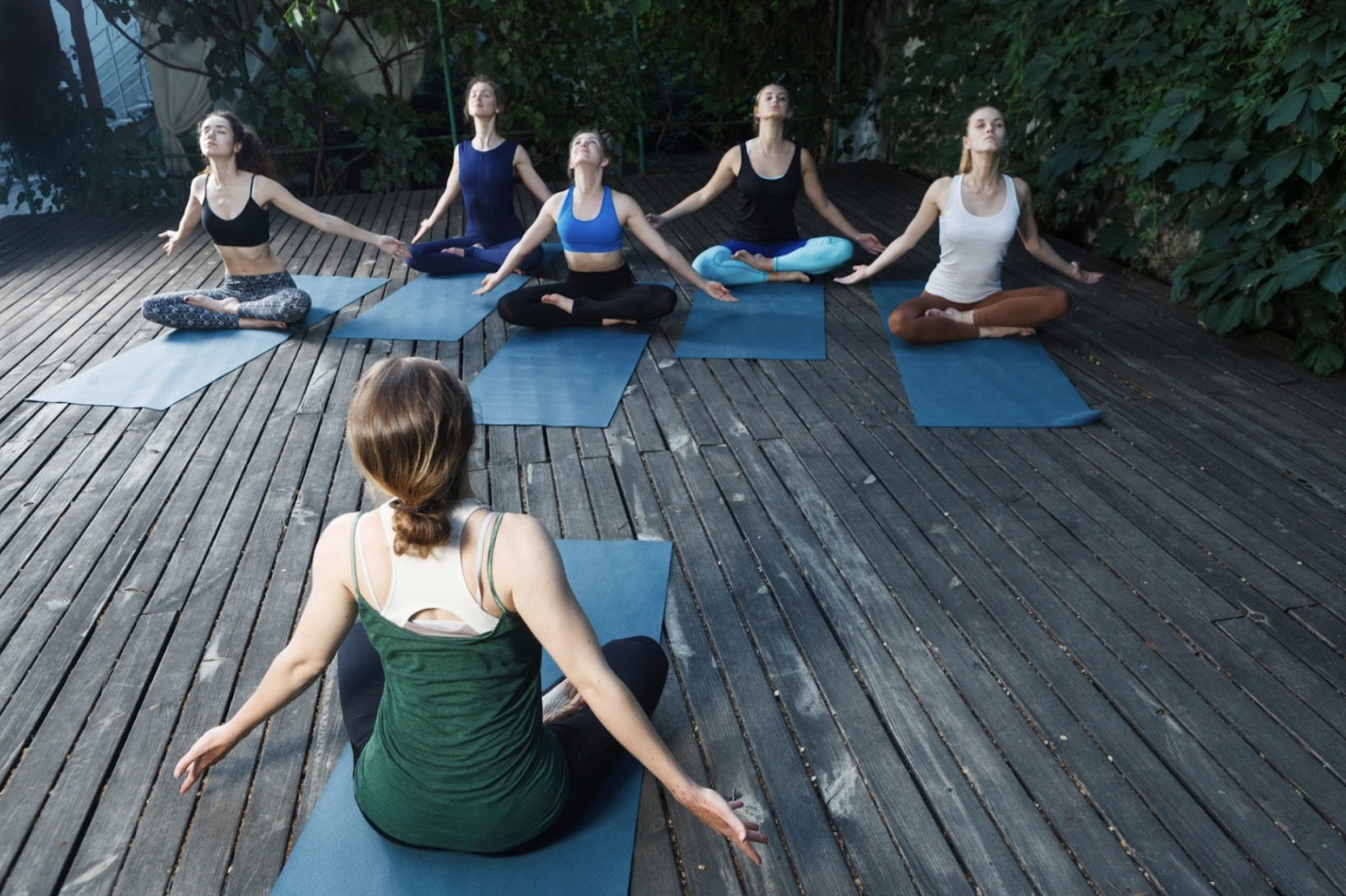
Finding meditation groups near me can feel overwhelming for beginners, especially if you live abroad, travel often, or stay in smaller towns. This guide explains how anyone, anywhere, can find meditation groups near me using global tools and accessible community spaces.
- Key Insight: Anyone can locate meditation groups using platforms like Google Maps, Meetup, and Insight Timer.
- Beginner-Friendly: Clear guidance on what to expect and how to choose a suitable group.
- Global Approach: Works across any country, language, or cultural environment.
- Practical Tools: Simple search strategies and real-world examples.
- Alternatives: Solutions for people who cannot find a local meditation group nearby.
Introduction
If you have ever typed meditation groups near me into your search bar and felt lost, you are not alone. Meditation is deeply personal, yet surprisingly challenging to begin without structure or support. Many beginners try to meditate at home, only to find their thoughts racing, their motivation fading, or their environment too noisy to stay consistent. This is why meditation groups—small, supportive, in-person or virtual communities—have become popular around the world.
No matter where someone lives, beginners tend to share the same concerns: What if I do it wrong? What if the group is too advanced? What if the setting is religious or intimidating? These fears are universal. At the same time, the desire to meet others, reduce anxiety, and learn proper technique drives people everywhere to search for meditation groups near me. This guide shows how beginners can navigate this process anywhere on the planet, even if they live far from major cities or speak a different language.
Meditation communities have expanded globally over the past decade, appearing in yoga studios, wellness clinics, Buddhist centers, workplaces, and even online. Whether you live in a busy capital or a remote town, there are clear, practical steps to finding a group that matches your comfort level. This article breaks those steps down so beginners can approach their first meditation group with confidence.
What “Meditation Groups Near Me” Really Means on a Global Scale
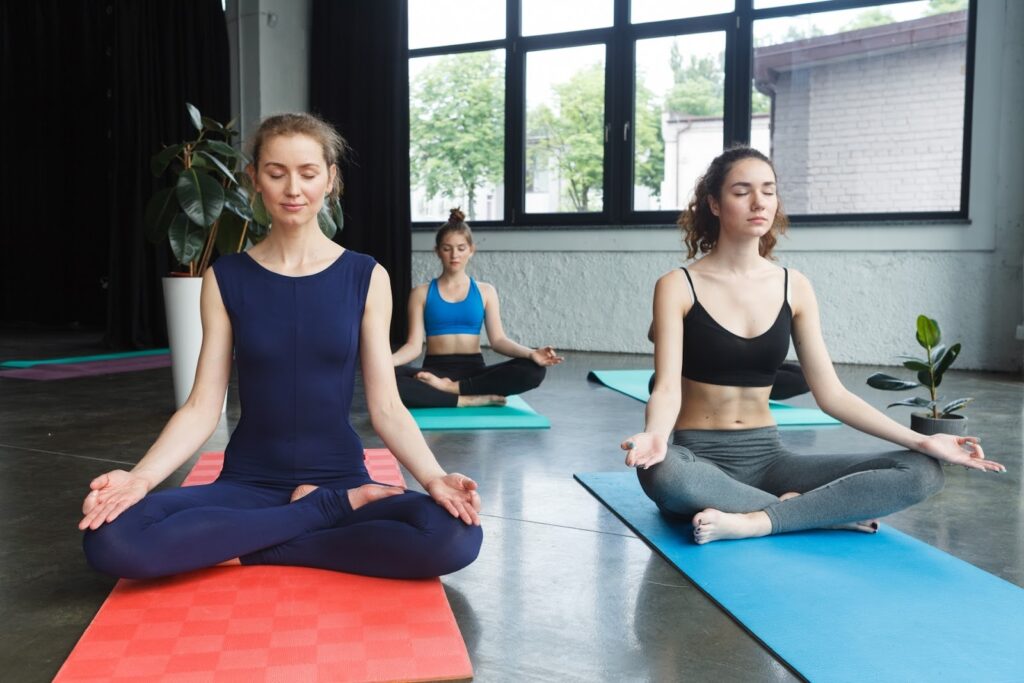
At first glance, the phrase meditation groups near me seems highly location-specific, but in reality it reflects a global trend. People across many cultures search for the same thing: a structured, supportive environment where they can meditate with others. For beginners, this search often goes beyond geography. It can signal loneliness, a need for accountability, or simply the desire to learn from someone experienced.
The meaning of near me also changes depending on the country or community. In large cities, it may refer to a studio within walking distance. In rural areas, it might mean a community center a bus ride away. For travelers or expatriates, near me could refer to any space that feels accessible and safe, regardless of exact distance. Globally, people interpret this term as “a place I can actually go to without complication.”
Another important aspect is cultural expectation. In some regions, meditation groups focus on mindfulness and stress reduction. In others, they may be connected to Buddhist traditions. Yet beginners everywhere want the same basic reassurance: a welcoming environment, simple instructions, and a sense of belonging. This global pattern makes it possible to create guides that help people find meditation groups no matter where they live.
Worldwide Platforms to Find Meditation Groups Anywhere
Thanks to global digital platforms, finding meditation groups near me no longer depends on local directories or word of mouth. Anyone with an internet connection can use worldwide tools to locate real, active communities.
Google Maps is the simplest place to begin. It works in almost every country and allows users to search for terms like meditation center, mindfulness class, yoga studio, or Buddhist temple. The map view helps beginners compare distances, read reviews, and see photos to understand the atmosphere before visiting.
Google Mapshttps://www.google.com/maps
Meetup is another widely used platform for group meditation. It hosts thousands of community-based sessions across many countries, including both guided and silent meditation groups. Beginners can filter by date, price, group size, and language.
Meetup https://www.meetup.com
Eventbrite provides international listings for workshops and classes. Many meditation sessions, sound baths, mindfulness programs, and community gatherings are posted here, especially in urban areas.
Eventbritehttps://www.eventbrite.com
Insight Timer offers global live meditation events hosted by teachers from many cultures and traditions. These sessions can function as a virtual group for people who do not have local options or prefer online participation.
Insight Timerhttps://insighttimer.com
Social media platforms such as Facebook Groups or Reddit communities also connect people with local meditation circles. These spaces often share announcements, beginner-friendly events, and new group openings. Across all these platforms, beginners can find accessible meditation groups regardless of the country they live in.
Universal Types of Meditation Groups Found Around the World
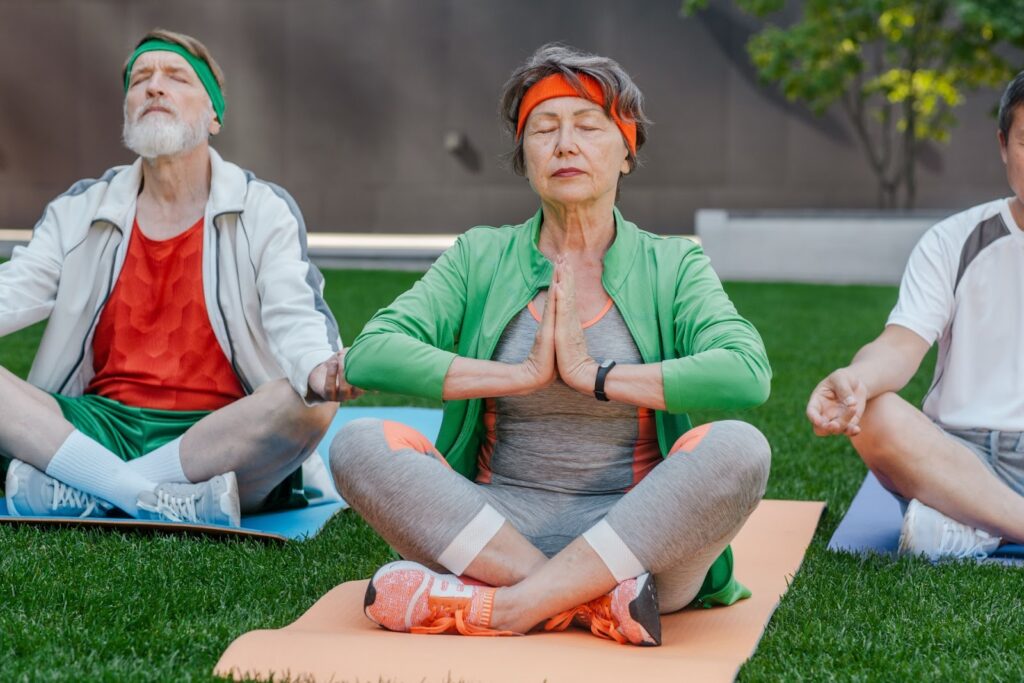
Most countries offer similar types of meditation groups, even if names or cultural contexts differ. This makes it easier for beginners to understand what they might find when searching meditation groups near me.
Mindfulness-based groups, including MBSR-style sessions, emphasize breath awareness, stress reduction, and somatic grounding. These programs are common in wellness centers, clinics, and educational institutions across the world.
Yoga studios often offer meditation classes as part of their schedule. These may combine gentle movement with guided meditation or breathwork. Beginners appreciate the structured environment and clear instructions.
Zen and Buddhist centers provide another widely found form of meditation group. These may include seated meditation, chanting, or short talks on philosophy. Many of these centers welcome beginners and offer introductory sessions.
Frequently Asked Questions
FAQ 1: What are the easiest ways for beginners to find meditation groups near me?
Answer: Beginners can find meditation groups near me by using globally accessible tools such as Google Maps, Meetup, Eventbrite, and Insight Timer. These platforms offer wide geographic coverage and beginner-friendly filters, making it easier to locate nearby mindfulness classes, guided meditation sessions, or community circles. Searching terms like “mindfulness class,” “guided meditation,” or “yoga meditation” helps refine results. Community centers and wellness clinics also frequently host beginner-friendly meditation sessions.
Real Results: Many beginners report success using Meetup’s global meditation listings, and organizations such asNCCIH offer detailed, research-based explanations of meditation practices.
Takeaway: A few global tools can help beginners find meditation groups no matter where they live.
FAQ 2: Are meditation groups beginner-friendly even if I have never meditated before?
Answer: Most meditation groups welcome beginners and provide clear guidance on posture, breath, and basic technique. Facilitators often begin sessions with gentle instructions to help newcomers feel comfortable and confident, even without prior experience. Many groups specifically label themselves “beginner-friendly,” ensuring a supportive, non-judgmental atmosphere.
Real Results: APA’s overview of mindfulness practices highlights that guided approaches are highly suited for beginners because structured instruction reduces anxiety.
Takeaway: Meditation groups are generally designed to support absolute beginners.
FAQ 3: How do I know if a meditation group near me is legitimate?
Answer: Legitimate groups provide clear details about schedules, instructors, pricing, and location. They avoid pressure tactics and welcome questions. Beginners should look for credible facilitators, transparent fees, and consistent reviews. If a group feels vague or pushy, it is reasonable to avoid it.
Real Results: Public reviews on Google Maps help users verify legitimacy because listings include photos, ratings, and community feedback.
Takeaway: Transparency and verified reviews are key signs of a trustworthy group.
FAQ 4: How much do meditation groups usually cost?
Answer: Costs vary depending on the country and the type of organization. Many groups are free or donation-based, especially those hosted by community centers or Buddhist organizations. Yoga studios and wellness centers may charge standard class fees. Beginners should review session details to understand expectations in advance.
Real Results: Eventbrite’s global event listings show a broad price range, including many free or low-cost meditation gatherings.
Takeaway: Many meditation groups are free or donation-based, making them beginner-friendly.
FAQ 5: What kind of meditation is best for beginners?
Answer: Guided meditation is typically the most accessible for beginners because it provides voice direction and structure. Practices such as breath awareness, body scans, and gentle mindfulness are ideal starting points. Silent meditation can be challenging at first, so easing into it gradually is recommended.
Real Results: Mayo Clinic’s meditation overview explains that guided meditation helps beginners maintain focus and reduce stress.
Takeaway: Guided mindfulness practices are the easiest entry point for most beginners.
FAQ 6: What should I bring to my first meditation group?
Answer: Comfortable clothing, a water bottle, and an optional cushion are usually enough. Many venues provide mats or chairs. Arriving slightly early helps beginners settle into the space. Cultural environments may vary, but most sessions require minimal preparation.
Real Results: Yoga and meditation centers frequently provide equipment, as reflected in global Google Maps listings.
Takeaway: Keep it simple—comfort matters more than equipment.
FAQ 7: How long do meditation group sessions usually last?
Answer: Most sessions last 20–60 minutes. Shorter sessions are common in workplaces or community centers, while more traditional settings may offer longer, structured meditations. Beginners can start with shorter durations and progress gradually.
Real Results: Meetup’s meditation events show that 30–45 minutes is the most common duration worldwide.
Takeaway: Sessions typically last under an hour, which is perfect for beginners.
FAQ 8: What if I do not speak the local language?
Answer: Many meditation groups rely on silence or simple gestures, making language less important. In multicultural cities, bilingual or English-led sessions are common. Online global groups are also an excellent alternative for non-native speakers.
Real Results: Insight Timer Live offers multilingual global meditation sessions accessible from anywhere.
Takeaway: Language barriers rarely prevent meaningful meditation practice.
FAQ 9: What if I feel anxious or overwhelmed during the session?
Answer: Anxiety is common for beginners. Facilitators encourage adjusting posture, opening the eyes, or taking a short break. Beginners can leave quietly if needed. Anxiety usually decreases with repeated exposure to calm group settings.
Real Results: APA’s mindfulness summary notes that beginners often experience restlessness before noticing relaxation benefits.
Takeaway: Feeling anxious at first is normal and improves with gentle practice.
FAQ 10: How do I find free meditation groups near me?
Answer: Using filters on Meetup or Eventbrite helps locate free or donation-based sessions. Libraries, community centers, and Buddhist temples often host free weekly groups. Searching with “free meditation” or “community meditation” can reveal additional options.
Real Results: Eventbrite lists hundreds of free global meditation events.
Takeaway: Free meditation opportunities exist worldwide and are easy to find.
FAQ 11: Are online meditation groups as effective as in-person groups?
Answer: Online sessions offer structured guidance, community, and consistency—valuable elements for beginners. While physical presence differs, online groups still create a sense of shared intention and accountability. They’re ideal for people without local access.
Real Results: Insight Timer’s live sessions draw international participants, demonstrating strong community engagement.
Takeaway: Online meditation groups are a practical and effective alternative.
FAQ 12: How do cultural differences affect meditation groups?
Answer: Meditation groups worldwide share common intentions but differ in rituals, language, and atmosphere. Some include chanting or teachings, while others focus only on silence. Beginners can simply observe without joining unfamiliar rituals.
Real Results: Organizations such asShambhala describe diverse meditation traditions across continents.
Takeaway: Cultural differences enrich meditation rather than complicate it.
FAQ 13: How can I tell if a group is too advanced for me?
Answer: Beginners should look for terms like “all levels,” “beginner-friendly,” or “guided session.” Groups requiring prior experience often mention long silent periods or advanced techniques. Reading reviews and attending trial sessions helps determine fit.
Real Results: Meetup listings clearly label skill levels, helping beginners choose appropriately.
Takeaway: Clear descriptions and reviews reveal whether a group matches your level.
FAQ 14: What should I wear to a meditation group?
Answer: Comfortable, loose-fitting clothing is ideal. Layers help adjust to room temperature. Some traditional settings may request modest attire. Checking location guidelines ensures cultural appropriateness.
Real Results: Meditation centers commonly provide attire guidance on their Google Maps pages.
Takeaway: Comfort comes first—modesty depends on the setting.
FAQ 15: How can I stay consistent once I join a meditation group?
Answer: Choosing a realistic schedule and attending regularly builds momentum. Engaging with facilitators or peers increases accountability. Combining group sessions with daily practice through an app strengthens long-term habits.
Real Results: Many Insight Timer users report improved consistency when pairing live sessions with daily routines.
Takeaway: Consistency grows when community and routine support each other.
FAQ 16: Can meditation groups help with anxiety or stress?
Answer: Meditation groups provide structured breathing, grounding techniques, and social support—all of which help reduce stress. While not a medical treatment, group meditation is widely used for emotional regulation.
Real Results: NIH’s meditation overview highlights stress-reduction benefits supported by research.
Takeaway: Meditation groups can meaningfully support emotional well-being.
FAQ 17: Are meditation groups religious?
Answer: Many meditation groups are secular, focusing on mindfulness and breathwork. Others follow Buddhist or spiritual traditions. Beginners can choose whichever aligns with their comfort level.
Real Results: Global Meetup listings show both secular and tradition-based meditation groups worldwide.
Takeaway: Meditation can be secular or spiritual depending on the group.
FAQ 18: What if there are no meditation groups near me at all?
Answer: Beginners can join online live sessions, follow structured app programs, or start a small group with friends. Meditation does not require specialized facilities; consistent practice can be established anywhere.
Real Results:Insight Timer Live provides global access to real-time sessions.
Takeaway: Meditation communities exist even without local physical groups.
FAQ 19: How do I avoid cult-like or high-pressure meditation groups?
Answer: Avoid groups with unclear leadership, aggressive recruitment, or pressure to buy products. Legitimate groups maintain transparency and allow participants to come and go freely. Public reviews are a useful tool for screening.
Real Results: Google Maps listings often reveal concerns or praise from real participants.
Takeaway: Transparency and freedom of choice are signs of a healthy group.
FAQ 20: Can I attend meditation groups while traveling?
Answer: Yes. Many cities offer drop-in meditation classes through yoga studios, wellness spaces, or community centers. Platforms like Meetup and Eventbrite help travelers locate sessions in new destinations.
Real Results:Meetup frequently lists meditation events in major travel hubs worldwide.
Takeaway: Meditation groups are accessible even when traveling abroad.
FAQ 21: I’m not a social person. Is it still okay for me to join a meditation group?
Answer: Meditation groups do not require social interaction; the focus is simply on sitting quietly. Most participants speak very little, and non-intrusive behavior is the norm. There is no pressure to socialize, and for people who value quiet environments, group meditation can actually feel more comfortable than expected.
Real Results: On Insight Timer and Meetup, several user reviews mention that “just sitting quietly was enough,” making the experience approachable even for those who are not social.
Takeaway: Meditation groups are comfortable spaces even for people who are not naturally social.
FAQ 22: What if I feel nervous or stressed before attending?
Answer: Feeling nervous before going to a new place is completely normal. Reviewing photos or comments beforehand can help create a clearer mental picture and reduce anxiety. On the day of the session, arriving a little early and settling quietly often helps calm the mind. If needed, starting with an online session can be a gentler first step.
Real Results: APA’s summary on mindfulness notes that beginners often feel initial tension, but anxiety decreases as they become familiar with the environment.
Takeaway: Nervousness is normal, and it naturally eases as you get used to the setting.
FAQ 23: I get distracted by people around me. Does that mean group meditation isn’t for me?
Answer: Being aware of others in the room is common for beginners—it simply means you’re not yet accustomed to the environment. With practice, most people find that distractions fade. Group meditation is often easier than it seems because everyone is sitting quietly with similar intentions. If needed, choosing a front-row seat or sitting near a wall can reduce visual distractions.
Real Results: The study “Effects of Video-Guided Group vs. Solitary Meditation on Mindfulness and Social Presence” (Hanley et al., 2021, Frontiers in Psychology) found that social presence in group meditation enhances focus, and beginners tend to adapt within a few sessions.
Takeaway: Distraction is normal at first, but practice makes it easier to focus.
Related Articles
- American Psychological Association – Mindfulness meditation: A research-proven way to reduce stress
Explains how mindfulness meditation lowers stress, improves emotional regulation, and supports mental health based on psychological research. - National Center for Complementary and Integrative Health (NIH) – Meditation and Mindfulness: Effectiveness and Safety
Provides an evidence-based overview of how meditation and mindfulness affect conditions like anxiety, depression, pain, and sleep, including benefits and limitations of current research. - Mayo Clinic – Meditation: A simple, fast way to reduce stress
Introduces practical ways to start meditation, outlining how even short daily practices can reduce stress and support overall well-being. - 5-Minute Mindfulness Meditation with Gassho: A Simple Guide
Breathe with awareness and listen to the sound. A small moment of meditation to restore inner calm—right from your smartphone. - Start Your Day Calm with Wake-Up Meditation
Introduces the benefits of meditating in the quiet of the morning and offers simple techniques you can even practice while still in bed.