



Daily Meditation: How to Build a Routine for Everyday Calm
Quick Summary
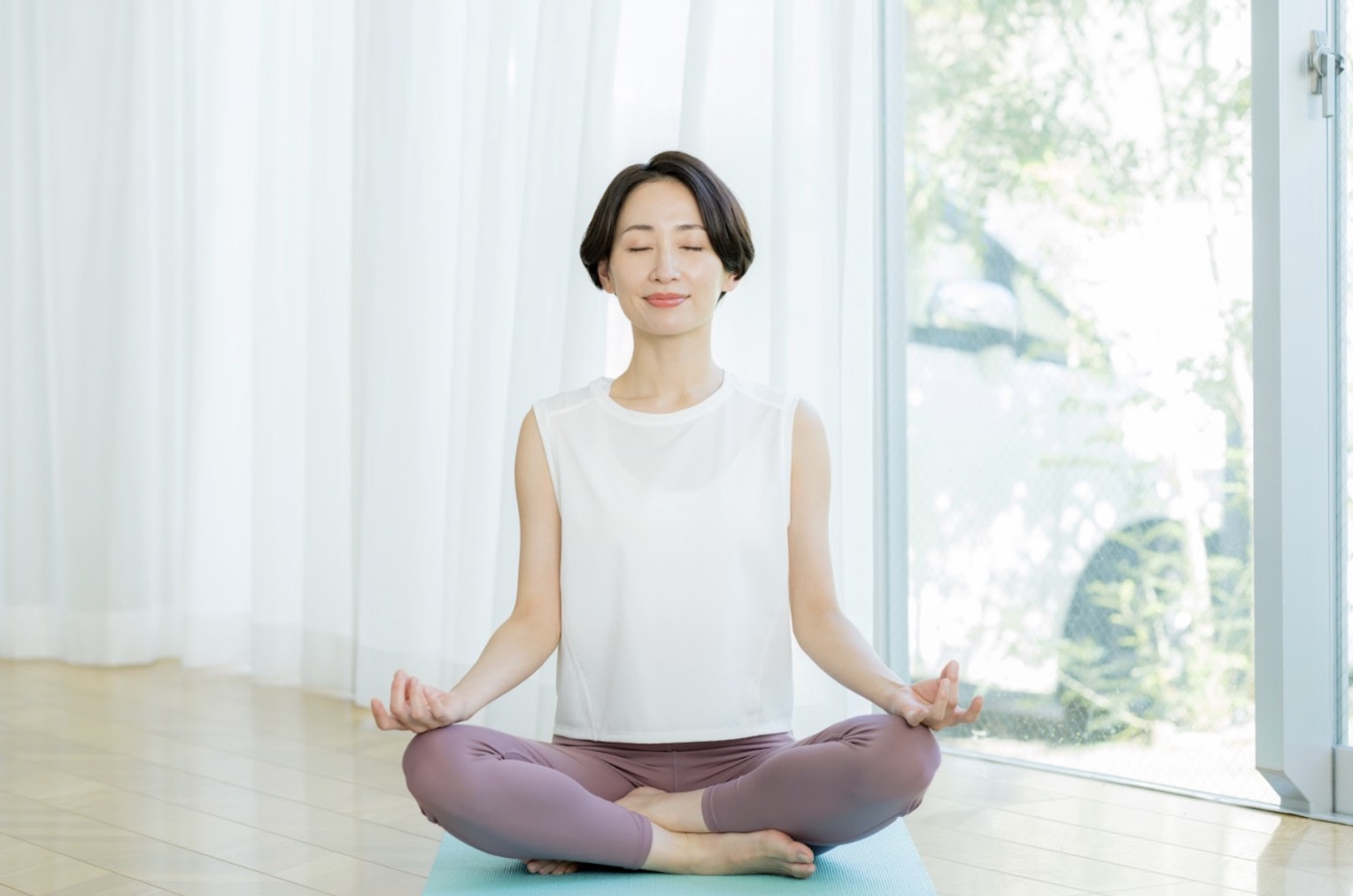
Daily meditation is a simple, approachable practice that helps many people reduce stress, improve emotional balance, and create more clarity in a busy modern world. Whether you have one minute or fifteen, daily meditation can fit naturally into your routine.
- Bold Insight: Daily meditation does not require long sessions; even short practices help many beginners stay consistent.
- Proven Benefits: Multiple reputable sources note improvements in wellbeing, stress reduction, and mood stability.
- Habit-Friendly: Small triggers and simple routines make daily meditation easier to maintain.
- Guided Support: Using tools like Gassho or other apps can make meditation more approachable, especially for beginners.
- Practical Approach: This article offers science-backed explanations, simple daily practices, and a 30-day plan you can start today.
Introduction
Most people don’t struggle because meditation is difficult. They struggle because life is loud. Between notifications, responsibilities, emotional fatigue, and the constant hum of digital noise, the idea of sitting still for even one minute can feel unrealistic. Yet many report that daily meditation—brief, simple moments of attention—gives them something they haven’t felt in years: breathing room.
You don’t need a perfect morning routine or a silent retreat. What you need is a moment that belongs only to you. A small pause. A reset. And once that pause becomes a habit, it can change the tone of an entire day. This article explores how daily meditation works, why it helps, how to begin, and how to build a routine that feels manageable even on your busiest days.
Why Daily Meditation Helps in Modern Life

Daily meditation is not about escaping life; it is about meeting life with greater steadiness. Many people report that regularly sitting for even short, structured moments helps reduce reactivity, calm anxious thoughts, and soften the emotional load carried throughout the day.
A widely discussed study from the University of Southampton and the University of Bath found measurable improvements in wellbeing among participants who practiced ten minutes of mindfulness daily, including reductions in depression symptoms and anxiety.
The American Psychological Association also highlights meditation as an evidence-supported method for reducing stress and increasing emotional regulation, drawing on decades of research across mindfulness and contemplative practices.
In the modern environment—where stress accumulates quickly, attention is scattered, and emotional strain is constant—the ability to reset even briefly becomes invaluable. Daily meditation acts as a psychological anchor, helping many individuals create a sense of stability and grounded presence despite external pressure.
How to Start a Daily Meditation Routine (Even If You’re Busy)
Starting daily meditation does not require long periods of stillness. It requires consistency, practicality, and a low barrier to entry. For many beginners, the biggest mistake is attempting to meditate for too long too soon. Short sessions are not only acceptable—they are often more sustainable.
Harvard Health Publishing suggests that many people begin with as little as 15 minutes of mindfulness a day, which helps build familiarity without overwhelming the practitioner.
You can also begin with far less time. One minute in the morning, one mindful breath before a meeting, or a short pause before sleep. Daily meditation fits naturally into:
- Upon waking
- Before a meal
- During a lunch break
- Before sleep
- Right after finishing work
Common challenges include restlessness, the urge to check a phone, or frustration with wandering thoughts. These are normal. The key is returning—again and again—to a single point of focus. Over time, this builds mental endurance and emotional resilience.
Five Simple Daily Meditation Practices You Can Try Today
- One-Minute Breathing Reset
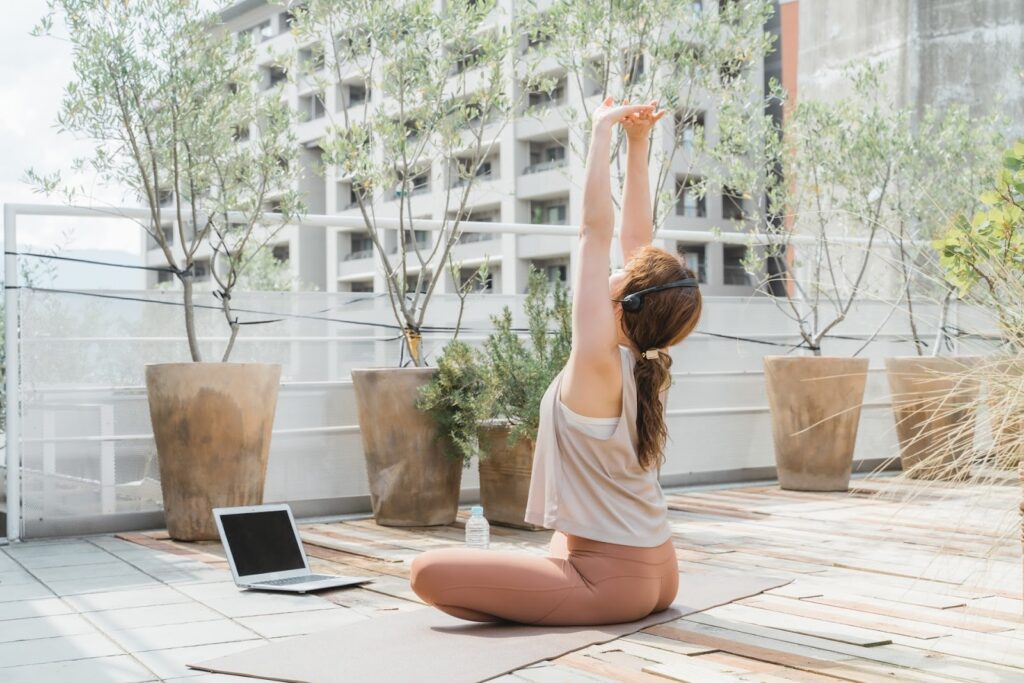
Sit comfortably, inhale slowly, exhale longer than you inhale, and repeat for sixty seconds. This is one of the simplest ways to stabilize the nervous system. - Five-Minute Mindful Focus
Choose a single anchor: the breath, a sound, or the feeling of sitting. When the mind wanders, return gently. - Body Scan Before Sleep
Start at the head and mentally move downward, releasing tension section by section. This helps many people unwind at night. - Midday Mindful Pause
During a commute break or between tasks, allow thirty seconds to feel your feet on the ground and observe your surroundings without reacting. - Sound-Based Meditation
Some people find it easier to meditate with sound—nature audio, chanting, or guided sessions. Gassho’s monk-led vocal guidance can support this style for those who prefer a calm, grounding auditory focus.
How to Make Daily Meditation a Habit
Daily meditation becomes easier when connected to existing routines. Behavioral research consistently observes that habits form more reliably when paired with simple triggers such as “after brushing teeth,” “before opening my laptop,” or “right after making coffee.”
Consistency also improves when the practice is intentionally kept small. Many practitioners report that one-minute meditations are easier to maintain than longer sessions, and once the routine stabilizes, longer sessions may naturally emerge.
Practical habit-building principles include:
- Use the same physical location every day
- Keep sessions short in the beginning
- Combine meditation with an existing action
- Track your progress visually
- Allow imperfect days—perfectionism is the enemy of routine
Meditation apps, including Gassho, can provide reminders, structured guidance, and small achievable sessions that make the habit easier to maintain.
Daily Meditation Tools: Apps, Audio, and Practical Support

Guided meditation is one of the simplest ways to stay consistent. Many beginners find it easier to follow a gentle voice rather than meditate in silence, especially in the early stages.
Several widely used apps offer structured programs and reminders:
- Headspace (https://www.headspace.com)
- Calm (https://www.calm.com)
- Insight Timer (https://insighttimer.com)
For practitioners who prefer a grounded, traditional tone, Gassho offers monk-guided vocal meditation that fits naturally into short daily sessions. Audio-based meditation can help reduce cognitive load, support rhythmic breathing, and create a sense of presence that is easier to follow than silent practice.
- Gassho (https://gassho.info/en/)
30-Day Daily Meditation Challenge
A daily meditation challenge works because it shifts the focus from “How long should I meditate?” to “Can I return each day?” Small, repeatable actions create momentum.
Example structure:
Week 1: One minute per day
Week 2: Two minutes per day
Week 3: Three to five minutes per day
Week 4: Choose your preferred style and continue daily
Many people use meditation apps to support their daily practice and maintain a sense of continuity, while others use tools like Gassho for simple guided sessions that help them return to the habit more easily.
Conclusion: A Few Minutes of Daily Meditation Can Change the Tone of Your Day

Daily meditation is less about mastering a technique and more about finding small pockets of stillness. These moments accumulate. They soften stress, make emotions feel more manageable, and allow space for clarity to emerge.
You do not need long practice sessions. You need consistency. Whether you use a simple breath, a brief pause, or a guided session from Gassho, the essential act is returning—day after day—to a moment of presence.
Frequently Asked Questions
FAQ 1: How long should I meditate each day?
Answer: Many practitioners find benefits from sessions as short as one to ten minutes, especially when done consistently. Harvard Health Publishing notes that beginners often start with short periods and gradually increase duration as comfort grows. This flexible approach allows people with busy schedules to ease into the practice without pressure, making the routine more sustainable. Daily meditation is ultimately about returning each day rather than sitting for a specific length of time.
Real Results: Harvard Health Publishing reports that beginners can practice mindfulness effectively in as little as 15 minutes per day.
Takeaway: Daily meditation works best when the focus is consistency, not duration.
FAQ 2: Is daily meditation scientifically proven to reduce stress?
Answer: Yes, daily meditation is supported by substantial scientific literature indicating reductions in stress and emotional strain. The American Psychological Association highlights mindfulness meditation as an evidence-backed practice that supports emotional regulation and lowers physiological stress responses. Many individuals report improved calmness and clearer thinking when practicing regularly. Small daily sessions help integrate this stability into everyday life.
Real Results: The American Psychological Association confirms that meditation is linked to lower stress and improved emotional regulation.
Takeaway: Regular daily meditation offers a reliable way to steady the mind.
FAQ 3: Can daily meditation help with anxiety?
Answer: Many practitioners experience reduced anxiety with daily meditation, especially when focusing on breath or guided attention. A study conducted by the University of Southampton and the University of Bath found measurable reductions in anxiety symptoms after ten minutes of daily mindfulness. While individual results vary, consistent practice helps create space between thoughts and reactions, which can ease anxious patterns.
Real Results: The University of Bath and the University of Southampton reported that a 30-day program of just 10 minutes of daily mindfulness practice led to an approximately 12.6% reduction in anxiety symptoms.
Takeaway: Small daily practices can gradually soften anxiety.
FAQ 4: Does daily meditation improve sleep quality?
Answer: Many people use daily meditation as part of their nighttime routine to calm the mind and settle the body. Techniques like body scans and gentle breathing help ease mental tension that often disrupts sleep. Although responses vary, practitioners commonly report falling asleep more easily and waking up feeling more restored. A steady practice builds familiarity with relaxation cues, which supports better rest.
Real Results: The American Psychological Association notes that mindfulness approaches can reduce stress and rumination, two common contributors to sleep disturbances.
Takeaway: Evening meditation can become a reliable transition into restful sleep.
FAQ 5: Is one minute of daily meditation enough for beginners?
Answer: Absolutely. Starting with one minute lowers the barrier to entry and helps beginners build confidence. Short sessions prevent frustration and make it easier to return the next day. Over time, many practitioners naturally extend their sessions as comfort increases. The key is showing up daily, even briefly, rather than aiming for perfection or long durations.
Real Results: Many beginners report that tiny daily practices feel more achievable and build stronger consistency than long, infrequent sessions.
Takeaway: A single minute can be the foundation of a lasting habit.
FAQ 6: What time of day is best for daily meditation?
Answer: The best time is the one you can reliably maintain. Some choose mornings to create a calm start, others meditate during breaks to reset, and many prefer evenings to decompress. The effectiveness lies not in the time of day but in the consistency of the practice. Attaching meditation to an existing routine can make timing more natural.
Real Results: Reports from practitioners show that routines linked to existing habits—like after waking or before sleep—are easier to sustain.
Takeaway: The best time is the time you can return to each day.
FAQ 7: Can I meditate even if my mind is busy?
Answer: Yes. A busy mind is normal and does not prevent meditation. The goal is not to eliminate thoughts but to practice returning to your focal point. Each return strengthens mental focus and builds resilience. Over time, many practitioners notice that thoughts feel less overwhelming, even if they remain present.
Real Results: Many users of guided apps such as Headspace and Calm report that structured guidance helps them navigate busy, distracted moments.
Takeaway: A busy mind is part of the practice—not a barrier.
FAQ 8: Do I need silence to meditate?
Answer: Silence can be helpful but is not necessary. Many people meditate with environmental noise or guided audio. The key is choosing a method that feels comfortable. Sound-based meditation, including chanting, nature recordings, or monk-guided audio, offers grounding benefits without requiring complete quiet.
Real Results: Practitioners frequently report that guided meditations help them focus despite background noise.
Takeaway: Meditation adapts to your environment, not the other way around.
FAQ 9: Do I need an app to start daily meditation?
Answer: No, but apps can provide structure, reminders, and support that make the practice easier. They help beginners stay consistent and offer a variety of techniques to explore. Tools like Gassho, Headspace, Calm, or Insight Timer create accessible entry points for people who feel unsure about meditating alone.
Real Results: Many practitioners credit meditation apps for helping them maintain daily consistency. Insight Timer is widely used for its free guided sessions.
Takeaway: Apps aren’t required, but they make consistency easier.
FAQ 10: Are guided meditations effective for daily practice?
Answer: Many individuals find guided meditations especially helpful because the voice offers direction and reduces the mental load of practicing alone. Guided sessions can structure breathing, pacing, and focus, which is useful for beginners and experienced meditators alike. They also make short daily sessions more engaging.
Real Results: Headspace users commonly report improved calmness and reduced stress after consistent guided practice.
Takeaway: Guided meditation simplifies the practice and supports daily consistency.
FAQ 11: Can daily meditation improve focus and productivity?
Answer: Many practitioners report that meditation enhances mental clarity, reduces reactivity, and supports more deliberate decision-making. These effects naturally contribute to better focus and productivity. While improvements vary, the accumulated benefits of daily practice often help people feel more organized, patient, and attentive throughout the day.
Real Results: The American Psychological Association highlights mindfulness as a method that improves attention and reduces cognitive reactivity.
Takeaway: Clearer focus often grows from consistent practice.
FAQ 12: How quickly can I expect results from daily meditation?
Answer: Some people feel calmer after a single session, while others notice changes after several days or weeks. The pace of improvement depends on stress levels, life circumstances, and consistency. Small daily sessions accumulate and shift how you respond to challenges. What matters most is regular return, not rapid transformation.
Real Results: Southampton and Bath researchers observed meaningful improvements after a period of daily mindfulness practice.
Takeaway: Progress appears gradually but reliably with steady practice.
FAQ 13: Is it okay to meditate lying down?
Answer: Yes. Many practitioners meditate lying down, especially during body scans or before sleep. The key is staying alert enough to maintain awareness. If you tend to fall asleep easily, seated meditation may offer more stability. What matters most is choosing a posture that supports relaxation without losing wakefulness.
Real Results: Many users report that lying-down meditations help them unwind at night and transition into rest.
Takeaway: Comfort matters more than posture perfection.
FAQ 14: Does daily meditation help emotional balance?
Answer: Many people practice daily meditation to navigate emotional fluctuations more skillfully. By observing emotions without immediate reaction, practitioners often feel more grounded and less overwhelmed. Over time, this builds emotional resilience and helps stabilize mood patterns.
Real Results: According to the American Psychological Association, mindfulness practices are associated with improved emotional regulation.
Takeaway: Daily meditation strengthens emotional steadiness.
FAQ 15: Is morning meditation better than evening meditation?
Answer: Both can be effective. Morning sessions help set a calm tone for the day, while evening sessions support decompression and rest. The most effective choice is whichever time you can maintain consistently. Personal preference, schedule, and energy levels all play a role.
Real Results: Practitioner reports show that consistency—rather than timing—is the biggest predictor of habit stability.
Takeaway: Choose the time that fits naturally into your life.
FAQ 16: Can children or teens practice daily meditation?
Answer: Yes. Many families introduce short mindfulness sessions to help children develop emotional awareness and calm. Age-appropriate techniques such as simple breathing or guided stories can make the experience enjoyable. Consistency is easier when sessions are brief and playful.
Real Results: Many educators and pediatric practitioners use short mindfulness practices to support focus and emotional development in young learners.
Takeaway: Children benefit from calm routines just like adults.
FAQ 17: Can daily meditation reduce burnout?
Answer: Many individuals incorporate daily meditation into self-care routines to counter chronic stress and emotional exhaustion. Small, consistent pauses help reset mental overload and create space for recovery. While meditation is not a full solution to burnout, it can be a supportive tool alongside lifestyle changes.
Real Results: The American Psychological Association notes that mindfulness can reduce stress responses associated with burnout.
Takeaway: Daily pauses can help soften burnout’s effects.
FAQ 18: What if I get sleepy during meditation?
Answer: Feeling sleepy is common, especially during relaxation-based practices. Adjusting posture, meditating earlier in the day, or using guided audio can help maintain alertness. Sleepiness is not a failure; it simply reflects your body’s state. With time and routine, alertness often improves.
Real Results: Many guided meditation practitioners report that structured audio helps maintain focus when drowsiness appears.
Takeaway: Sleepiness is a signal, not a setback.
FAQ 19: Can meditation replace therapy?
Answer: Meditation can support mental wellbeing, but it should not replace professional care when someone is facing significant emotional or psychological challenges. It works best as a complementary practice that helps many people manage stress, build awareness, and improve emotional clarity, while clinical treatment remains essential when deeper support is needed.
Real Results: Counseling.org highlights that mindfulness is beneficial but not a cure-all, and should not be viewed as a substitute for therapy. Mindfulleader.org also states that mindfulness is supportive but does not replace mental health care.
Takeaway: Use meditation as support, not as a replacement for professional care.
FAQ 20: How can I make daily meditation a consistent habit?
Answer: Start small, attach meditation to an existing routine, and use tools that reduce friction such as guided audio or reminders. The easier the practice feels, the more likely you are to return each day. Tracking progress, choosing a consistent location, and lowering expectations all help build stability.
Real Results: Many users of meditation apps report that features such as guided audio and progress tracking make it easier to maintain consistency in their daily practice.
Takeaway: Consistency grows from small, repeatable steps.
Related Articles
- Harvard Health – Mindfulness meditation may ease anxiety, mental stress
Research suggests mindfulness meditation can help ease psychological stress. - American Psychological Association – Mindfulness and meditation
Explains scientific findings on how mindfulness improves attention, emotional balance, and psychological wellbeing. - National Institutes of Health (NIH) – Meditation: In depth
Provides a comprehensive overview of meditation’s benefits, mechanisms, and research-backed health effects. - 5-Minute Mindfulness Meditation with Gassho: A Simple Guide
Breathe with awareness and listen to the sound. A small moment of meditation to restore inner calm—right from your smartphone. - Find Calm Like the Wind: How One Minute of the Google Breathing Exercise Can Expand Inner Stillness
A gentle introduction to Google’s one-minute breathing exercise, shared through personal experience. Learn how a single mindful breath can bring calm and widen the sense of stillness in your everyday life.