



Can Buddhist Practice Be Simple Without Being Shallow?
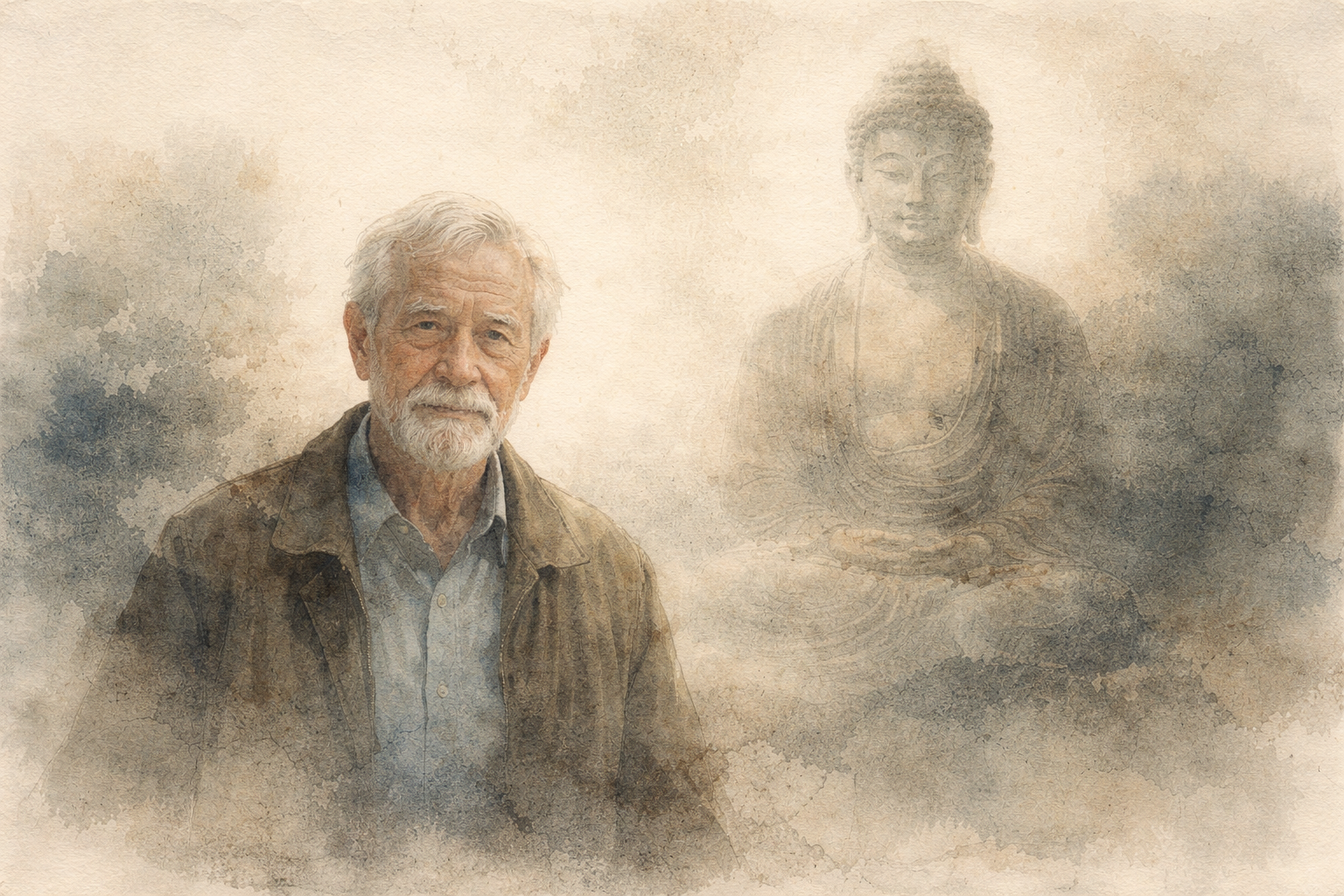
Can Buddhist Practice Be Simple Without Being Shallow?
Quick Summary
- Simple practice can be deep when it trains attention, intention, and response—not when it collects concepts.
- “Simple” means fewer moving parts; it doesn’t mean “easy,” “lazy,” or “feel-good only.”
- Depth shows up as less reactivity, more honesty, and kinder choices in ordinary moments.
- A small daily commitment beats occasional intensity because it reshapes habits over time.
- One clear practice plus one ethical anchor is often enough to stay grounded and sincere.
- Shallowness comes from avoidance and self-image; simplicity comes from clarity and repetition.
- You can keep practice minimal while still engaging real suffering, relationships, and responsibility.
Introduction
You want Buddhist practice to be doable—something you can actually keep up with—yet you don’t want a watered-down version that turns into vague calmness, motivational quotes, or a personality accessory. That tension is real: when practice gets too complex, it collapses under its own weight; when it gets too simplified, it can become an excuse to avoid the hard parts of life. At Gassho, we focus on practical, grounded Buddhism that stays simple without losing its edge.
The good news is that simplicity and depth are not opposites. In practice, they often support each other: fewer techniques can mean more repetition, more honesty, and more contact with what’s actually happening. The question isn’t “How much can I learn?” but “What changes how I meet this moment?”
When simplicity is done well, it becomes a clean mirror: it shows you your habits clearly, without giving you a lot of spiritual decoration to hide behind. That can feel confronting, which is exactly why it can be profound.
GASSHO
Ask and learn about Buddhism in daily life.
GASSHO is a Buddhist community app where you can learn Buddhist teachings and ask questions to the head priest of Kongosanmaiin Temple on Mount Koya.
A Clear Lens: Simplicity as Training, Not Minimalism
A simple Buddhist practice is best understood as a training lens: it helps you see how experience forms, how reactions arise, and how choices become habits. It’s not a belief system you have to “agree with,” and it’s not a lifestyle brand. It’s a way of paying attention that makes cause-and-effect in your own mind more visible.
Shallowness usually comes from using practice to avoid discomfort—trying to “stay positive,” bypass grief, or smooth over conflict without understanding it. Simplicity, by contrast, is willing to stay close to discomfort without dramatizing it. It doesn’t need a complicated framework to justify itself; it just keeps returning to what’s happening and what you’re doing with it.
Depth isn’t measured by how many teachings you can quote or how elaborate your routine is. Depth is measured by whether your practice changes your relationship to craving, aversion, and confusion in real time—especially in the moments you’d normally go unconscious.
What Depth Looks Like in Ordinary Moments
It can start in a very plain way: you sit down, you intend to be present, and within seconds the mind is elsewhere. The practice is not to win against distraction; it’s to recognize distraction without self-attack and return. That return is a small act of freedom, repeated many times.
Later, you’re in a conversation and you notice the body tighten when someone disagrees with you. Before practice, that tightening might instantly become a defensive tone or a clever argument. With practice, you may still feel the tightening, but you also notice it as a signal. You don’t have to obey it.
You might notice how quickly the mind adds a story: “They don’t respect me,” “I’m failing,” “This always happens.” A simple practice doesn’t require you to analyze the story for an hour. It asks you to see it as a story, feel the emotion underneath, and choose whether feeding it helps or harms.
In daily tasks—washing dishes, answering emails, driving—you can see the urge to rush. The mind wants to get to the next thing, and the body follows with tension. Simplicity here is not making a ceremony out of everything; it’s noticing the rush, softening the grip, and doing one thing at a time for a few breaths.
When you make a mistake, the mind may reach for shame or justification. A simple practice is to name what happened plainly, feel the sting without theatrics, and take the next responsible step. That is not shallow; it’s mature.
When you’re tired or stressed, you may notice how easily kindness becomes conditional. Practice can be as simple as catching one moment of impatience and choosing a gentler tone. No one may applaud. But that one moment changes the direction of your day—and sometimes the direction of a relationship.
Over time, the “depth” you’re looking for often feels less like special experiences and more like increased honesty: you see what you’re doing while you’re doing it. That seeing is quiet, simple, and surprisingly powerful.
Common Misunderstandings That Make Simple Practice Feel Shallow
One common misunderstanding is equating simplicity with comfort. If a practice never challenges your habits, it may be functioning as self-soothing rather than training. Simple practice can be uncomfortable because it removes distractions and puts you face-to-face with impatience, restlessness, and the need to control.
Another misunderstanding is thinking depth requires complexity. It’s easy to believe that adding more techniques, more reading, or more structure automatically makes practice “serious.” Sometimes it does help. But often it becomes a way to postpone the real work: consistent attention, ethical restraint, and humility in relationships.
People also confuse “not judging” with “not discerning.” A simple Buddhist approach isn’t about approving everything you do. It’s about seeing clearly what leads to more suffering and what leads to less, then choosing accordingly. That kind of discernment is gentle but not vague.
Another trap is turning simplicity into an identity: “I’m the low-maintenance spiritual person.” That can become its own form of ego. Simplicity is not a badge; it’s a method. If it’s working, it makes you more responsive and less performative.
Finally, some people assume that if practice is simple, it must be private and disconnected from ethics. But a practice that never touches speech, consumption, honesty, or how you treat people is likely incomplete. Simplicity doesn’t remove responsibility; it clarifies it.
Why Simple-and-Deep Practice Matters in Real Life
Most of life is not a retreat. It’s work, family, health, money, conflict, and small disappointments stacked on top of each other. A simple practice is portable: you can do it in a kitchen, in a meeting, in a difficult conversation, or in the middle of a sleepless night.
When practice is simple, you’re more likely to do it when you actually need it. In those moments, depth looks like a pause before a harmful text, a breath before a sharp comment, or the ability to feel sadness without immediately numbing it. These are not minor wins; they are the building blocks of a sane life.
Simplicity also reduces the gap between “practice time” and “life time.” If your method is too elaborate, it can stay trapped in a special corner of the day. If it’s simple, it can show up everywhere—especially where your old patterns are strongest.
And because it’s repeatable, simple practice supports integrity. You’re not relying on rare inspiration. You’re relying on a small set of actions you can return to: notice, soften, refrain, choose, begin again. That steadiness is often what people mean when they say they want something “real.”
In relationships, simple practice can be the difference between reacting and responding. It can help you listen without rehearsing your reply, apologize without self-hatred, and set boundaries without cruelty. That’s depth you can measure in the quality of your days.
Conclusion
Yes—Buddhist practice can be simple without being shallow, but the simplicity has to be honest. Simple practice is not “doing less” to stay comfortable; it’s doing fewer things so you can do them fully. Depth comes from repetition, clarity, and the willingness to meet your own mind without decoration.
If you want a practical way to test this, choose one simple anchor for attention (like returning to the breath or feeling the body), and one simple anchor for conduct (like pausing before speech). Then watch what happens in the moments you usually rush past. That’s where simplicity becomes real.
Ask a Buddhist priest
Have a question about Buddhism?
In the GASSHO app, you can ask questions about Buddhist teachings, daily concerns, and how to understand Buddhism in everyday life.
Frequently Asked Questions
- FAQ 1: Can Buddhist practice be simple without being shallow?
- FAQ 2: What’s the difference between “simple” and “watered down” Buddhist practice?
- FAQ 3: Does a simple Buddhist practice still require discipline?
- FAQ 4: Can I keep Buddhist practice simple if I don’t have much time?
- FAQ 5: How do I know if my “simple” practice has become shallow?
- FAQ 6: Is reading lots of Buddhist books necessary for depth, or can practice stay simple?
- FAQ 7: Can a simple Buddhist practice include ethics, or is it only about mindfulness?
- FAQ 8: If I only do one practice, what keeps it from becoming mechanical and shallow?
- FAQ 9: Can Buddhist practice be simple even when life is emotionally intense?
- FAQ 10: Does simple Buddhist practice mean avoiding rituals or formalities?
- FAQ 11: How can I keep Buddhist practice simple without ignoring deeper teachings?
- FAQ 12: Is “just being present” enough, or is that too shallow?
- FAQ 13: Can a simple Buddhist practice help with overthinking without becoming escapist?
- FAQ 14: How do I measure depth if my practice stays simple?
- FAQ 15: What’s a simple way to start Buddhist practice without making it shallow?
FAQ 1: Can Buddhist practice be simple without being shallow?
Answer: Yes. Simplicity becomes shallow only when it’s used to avoid discomfort or responsibility. A simple practice can be deep when it repeatedly trains attention, reduces reactivity, and supports wiser choices in everyday situations.
Takeaway: Depth comes from what simplicity changes in you, not how elaborate it looks.
FAQ 2: What’s the difference between “simple” and “watered down” Buddhist practice?
Answer: “Simple” means clear, repeatable, and focused on direct experience; “watered down” means vague, comfort-seeking, or disconnected from how you speak and act. Watered down practice avoids friction; simple practice meets friction with awareness.
Takeaway: Simple practice stays precise and accountable.
FAQ 3: Does a simple Buddhist practice still require discipline?
Answer: Usually, yes. Simplicity reduces complexity, but it doesn’t remove the need to show up, return when distracted, and begin again after you slip into old habits. The discipline is often small but consistent.
Takeaway: Simple doesn’t mean effortless; it means doable and repeatable.
FAQ 4: Can I keep Buddhist practice simple if I don’t have much time?
Answer: Yes. A simple approach can fit into short windows: a few minutes of sitting, a pause before speaking, or a brief check-in with the body during transitions. The key is choosing a small practice you’ll actually repeat.
Takeaway: Time matters less than consistency and sincerity.
FAQ 5: How do I know if my “simple” practice has become shallow?
Answer: It may be drifting into shallowness if it’s only used to calm down, if it never touches your behavior, or if you use it to bypass hard conversations and emotions. A good sign of depth is increased clarity and responsibility, not just relaxation.
Takeaway: If practice never affects your choices, it may be staying on the surface.
FAQ 6: Is reading lots of Buddhist books necessary for depth, or can practice stay simple?
Answer: Reading can help, but depth doesn’t require constant study. Many people benefit more from one clear instruction practiced daily than from collecting ideas. If reading supports practice, it’s useful; if it replaces practice, it can become a distraction.
Takeaway: Understanding is valuable, but repetition is what reshapes habits.
FAQ 7: Can a simple Buddhist practice include ethics, or is it only about mindfulness?
Answer: It can and should include ethics in a practical way. Even one ethical focus—like pausing before harsh speech or being more honest—adds depth because it connects awareness to how you live and affect others.
Takeaway: Simplicity becomes deeper when it includes how you act and speak.
FAQ 8: If I only do one practice, what keeps it from becoming mechanical and shallow?
Answer: Keep returning to the actual experience of the moment rather than performing the technique. Notice subtle shifts: tension, urgency, story-making, resistance. The practice stays alive when it’s responsive, not rote.
Takeaway: One practice can stay deep if it stays connected to real-time experience.
FAQ 9: Can Buddhist practice be simple even when life is emotionally intense?
Answer: Yes. In emotionally intense times, simplicity can be a strength: feel the body, name what’s present, and avoid feeding the emotion with extra stories. Simple doesn’t mean denying feelings; it means meeting them directly.
Takeaway: Simplicity helps you stay close to what’s real without adding drama.
FAQ 10: Does simple Buddhist practice mean avoiding rituals or formalities?
Answer: Not necessarily. Some people find simple forms helpful; others don’t use them. The key question is whether what you do supports awareness and wise action, rather than becoming a performance or a way to feel “spiritual.”
Takeaway: Keep what supports practice; drop what becomes decoration.
FAQ 11: How can I keep Buddhist practice simple without ignoring deeper teachings?
Answer: Treat deeper teachings as guidance for observation rather than as concepts to collect. You can keep your daily method simple while letting insights emerge through lived experience—especially around craving, aversion, and the urge to control.
Takeaway: Let depth inform your seeing, not inflate your vocabulary.
FAQ 12: Is “just being present” enough, or is that too shallow?
Answer: “Being present” can be deep if it includes clear noticing of reactions and a willingness to refrain from harmful responses. It becomes shallow when it’s used as a slogan that avoids discernment, boundaries, or responsibility.
Takeaway: Presence is deep when it changes how you respond.
FAQ 13: Can a simple Buddhist practice help with overthinking without becoming escapist?
Answer: Yes. A simple method—like returning to bodily sensations and noticing thought as thought—can reduce overthinking while still allowing you to address real problems. The difference is whether you’re avoiding life or meeting it with a clearer mind.
Takeaway: Simplicity can quiet rumination while keeping you engaged with reality.
FAQ 14: How do I measure depth if my practice stays simple?
Answer: Look for practical signs: less impulsive speech, quicker recovery after getting triggered, more honest self-awareness, and more consistent kindness. Depth is often visible in how you handle ordinary stress, not in special experiences.
Takeaway: Measure depth by daily behavior and reactivity, not by intensity.
FAQ 15: What’s a simple way to start Buddhist practice without making it shallow?
Answer: Start with one small daily sit (even 5–10 minutes) focused on returning attention when it wanders, and pair it with one daily life commitment (like pausing before speaking when irritated). Keep it steady, and let the results show you what’s deep.
Takeaway: One attention practice plus one ethical pause can be simple and genuinely transformative.