



How Buddhist Devotion Differs Across Asian Traditions
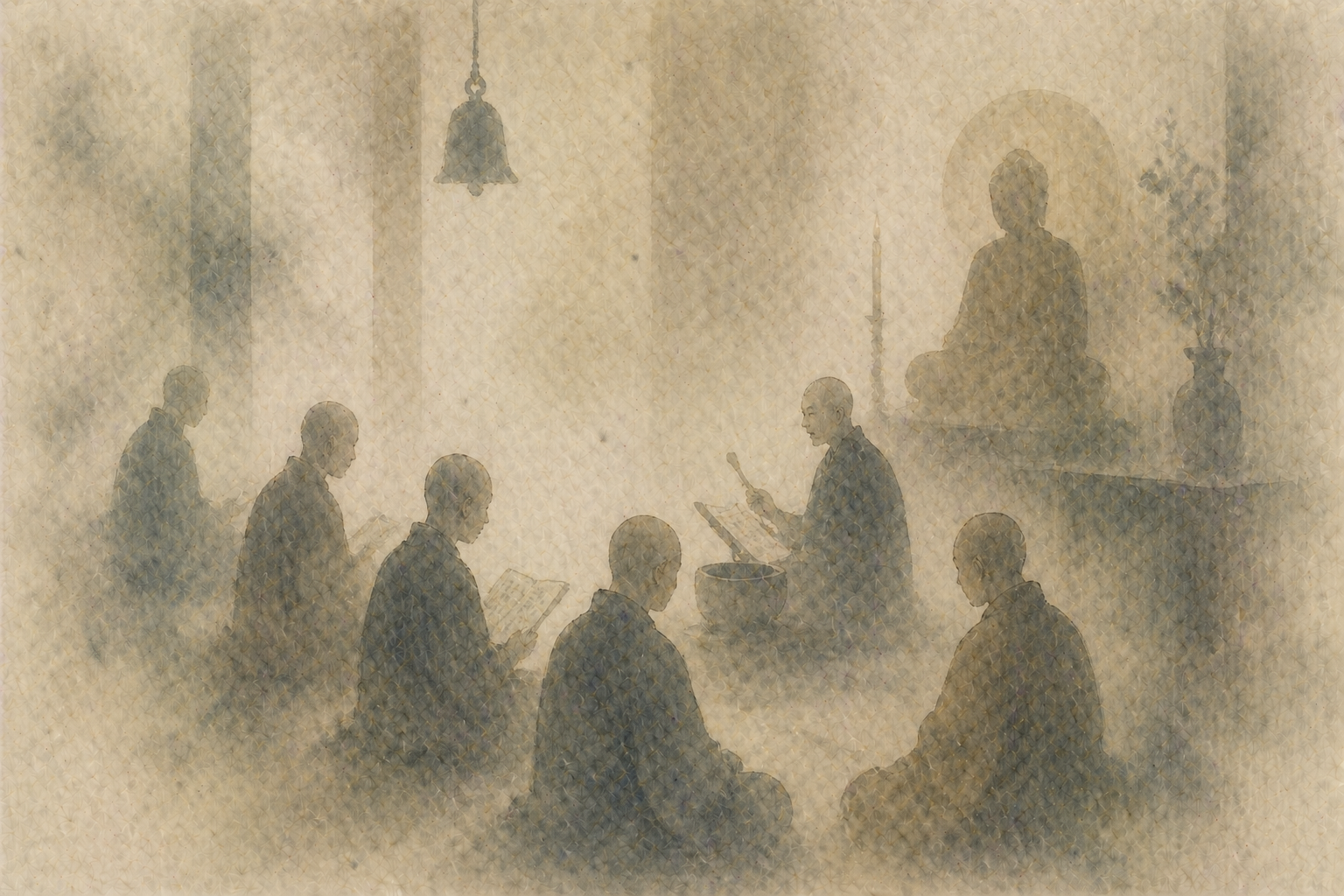
How Buddhist Devotion Differs Across Asian Traditions
Quick Summary
- Buddhist devotion in Asia ranges from quiet daily offerings to large public festivals, often shaped by local culture and history.
- Across regions, devotion commonly expresses gratitude, ethical intention, and a wish to reduce self-centered habits.
- Some traditions emphasize reverence through ritual forms; others emphasize devotion as steady attention and humility in ordinary life.
- Chanting, bowing, pilgrimage, and merit-making appear widely, but the meaning people give them can differ.
- Devotion is often communal in Asia, woven into family life, seasonal calendars, and local temples.
- Misunderstandings happen when devotion is judged as “superstition” or reduced to “just culture,” missing its inner function.
- A practical way to compare traditions is to ask: what does this devotional act train in the heart—attention, generosity, restraint, or trust?
Introduction
If “Buddhist devotion Asia” leaves you confused, it’s usually because you’re seeing the same outward gestures—incense, chanting, offerings, prostrations—mean very different things depending on where you are, who is practicing, and what they think devotion is for. The mistake is to treat devotion as a single category, when in Asia it’s more like a family of practices that train the mind through relationship: relationship to awakening, to ethical ideals, to community, and to the ordinary moment. I write for Gassho with a practice-first lens shaped by years of studying Buddhist ritual and everyday devotional life across Asian contexts.
In one place, devotion may look like a quiet morning offering at a home altar; in another, it may be a crowded temple day with drums, lanterns, and long lines of families. In some communities, devotion is primarily a way to cultivate generosity and social harmony; in others, it is a direct method for stabilizing attention and softening the ego’s grip. These differences aren’t contradictions—they’re adaptations.
Rather than ranking styles of devotion as “more spiritual” or “more cultural,” it helps to look at what each form is training. When you do that, the diversity of Buddhist devotion across Asia becomes easier to respect and easier to learn from.
GASSHO
Ask and learn about Buddhism in daily life.
GASSHO is a Buddhist community app where you can learn Buddhist teachings and ask questions to the head priest of Kongosanmaiin Temple on Mount Koya.
A Practical Lens for Understanding Devotion
Devotion, in a Buddhist sense, can be understood less as believing something and more as shaping attention. You repeatedly place the heart near what you consider worthy—awakening, compassion, wisdom, ethical restraint—and that repeated placement gradually changes what feels “normal” inside you. The outer form may be a bow or a chant, but the inner movement is a reorientation away from self-importance.
This lens helps explain why Buddhist devotion in Asia can look so different while still serving a similar function. In some settings, devotion is expressed through careful ritual precision; in others, through simple acts of offering and service. The surface varies, but the underlying training often points toward humility, gratitude, and steadiness.
It also clarifies why devotion is frequently communal. When devotion is practiced with others—family members, neighbors, temple communities—it becomes a shared rhythm that supports ethical living. The community doesn’t just “add atmosphere”; it reinforces the intention to live less reactively and more responsibly.
Finally, this perspective makes room for local culture without dismissing devotion as “just culture.” Asian Buddhist traditions have always interacted with local languages, festivals, arts, and social structures. Devotion is one of the main places where that interaction becomes visible, because devotion is meant to be lived, not merely understood.
What Devotion Feels Like in Everyday Life
In daily life, devotion often begins as a small interruption of autopilot. You pause before speaking harshly, you remember a vow, you recall an image or phrase that steadies you. In many Asian homes, this is supported by simple routines—lighting a candle, offering water, reciting a short chant—done not to impress anyone, but to set a tone.
When you bow, something subtle can happen: the body performs humility before the mind fully agrees. That physical gesture can reveal resistance—pride, embarrassment, skepticism—and simply noticing that resistance is already part of the practice. In some Asian contexts, bowing is frequent and ordinary; in others, it is reserved for specific occasions. Either way, it can function as a mirror.
Chanting works similarly. The mind that is scattered gets gathered by rhythm and repetition. Even when you don’t “feel devotional,” the sound and cadence can carry you for a while, like walking with a group when your own energy is low. In many Asian temples, chanting is less about personal expression and more about joining a shared current of attention.
Offerings can look transactional from the outside, but internally they often train letting go. You give something away—flowers, food, money, time—and you watch what the mind does. Does it grasp for recognition? Does it calculate outcomes? Does it relax when giving is simple? Across Asia, merit-making practices frequently serve this psychological function: they make generosity concrete.
Pilgrimage and temple visits can also be understood in everyday terms. You leave your usual environment, you accept inconvenience, you stand in lines, you walk slowly, you follow a route others have followed. The inner experience is often less mystical than it is clarifying: impatience appears, comparison appears, gratitude appears, and you have repeated chances to soften those reactions.
Devotion also shows up in how people relate to ancestors and family responsibilities. In many Asian Buddhist cultures, care for parents, memorial rites, and seasonal observances are not separate from practice; they are practice. The inner training is learning to hold love and loss without turning away, and to express respect through action rather than sentiment.
Over time, devotion can become less about special moments and more about a baseline orientation: a willingness to be guided by something larger than immediate preference. That “something larger” may be expressed differently across Asian traditions—through images, vows, chants, or communal rituals—but the lived experience often comes down to the same ordinary work of noticing and releasing self-centered reflexes.
How Asian Traditions Shape Devotional Style
To understand Buddhist devotion across Asia, it helps to look at a few recurring dimensions rather than trying to memorize a map of “who does what.” One dimension is public vs. private. In some places, devotion is strongly temple-centered and festival-centered, with large gatherings and visible ritual life. In others, devotion is quieter and more home-based, expressed through daily routines that outsiders rarely see.
Another dimension is ritual detail vs. ritual simplicity. Some communities preserve elaborate liturgies, musical forms, and carefully sequenced offerings. Others keep forms minimal and emphasize the inner attitude—sincerity, steadiness, and ethical intention—over ceremonial complexity. Both approaches can train attention; they simply use different tools.
A third dimension is devotion as relationship. In many Asian settings, devotion is expressed as relationship to awakened qualities—compassion, wisdom, protection, guidance—often symbolized through revered figures and stories. The psychological function is not necessarily “worship” in a theistic sense; it can be a way to make virtues emotionally accessible, so the heart has something to lean toward when life is difficult.
Finally, there is devotion as ethics-in-action. In many Asian Buddhist cultures, devotional life is inseparable from generosity, community support, and social responsibility. Donating to temples, feeding monastics, supporting education, and participating in community rites can be devotional precisely because they train non-grasping and reinforce shared moral commitments.
Common Misunderstandings About Buddhist Devotion in Asia
Misunderstanding 1: “Devotion is just superstition.” This view often comes from judging devotion only by its outer symbols. Even when people hold folk beliefs alongside Buddhist practice, devotional acts can still function as training in generosity, humility, and recollection. Dismissing it outright misses what practitioners are actually doing with their minds and hearts.
Misunderstanding 2: “Real Buddhism is only meditation; devotion is extra.” In much of Asia, devotion is one of the main ways people practice daily. It can stabilize attention, support ethical behavior, and create community continuity. Meditation and devotion are not enemies; they often support each other.
Misunderstanding 3: “All Asian Buddhist devotion is the same.” Similar-looking rituals can carry different meanings. A chant may be a communal recitation, a vow, a remembrance, or a request for guidance depending on context. The same gesture can be etiquette in one place and a deliberate inner training in another.
Misunderstanding 4: “Devotion is transactional—people are bargaining for luck.” Sometimes people do approach devotion with worldly hopes, and that’s part of human life. But even then, the practice can gradually educate desire: from wanting outcomes to valuing character, from grasping to giving. The inner shift matters more than the initial motivation.
Misunderstanding 5: “If I don’t feel emotional, I’m not devotional.” In many Asian traditions, devotion is not measured by intensity of feeling. It can be quiet, steady, and practical—showing up as consistency, respect, and restraint. Sincerity is often expressed through repetition, not drama.
Why These Differences Matter for Your Own Practice
Seeing how Buddhist devotion varies across Asia can make you less rigid about what “counts” as practice. If you only recognize devotion when it matches your preferred style—silent, minimal, intellectual, or emotional—you may miss a powerful set of methods for training attention and character.
It also helps you approach temples and communities with better manners. What looks like “extra ritual” may be a community’s way of expressing care, continuity, and respect. When you understand that, you can participate without pretending to be someone you’re not: you can be honest, quiet, and observant while still being respectful.
On a personal level, devotional forms offer practical supports when the mind is tired. A short chant, a bow, a candle, a simple offering, or a moment of recollection can be easier than forcing yourself into a complex practice. In that sense, devotion can be a compassionate technology: it meets you where you are.
Finally, learning from Asian devotional diversity can soften cultural arrogance. Devotion has carried Buddhist values through centuries not only by ideas, but by habits—habits of giving, remembering, and showing up. Respecting those habits is part of respecting the living tradition.
Conclusion
Buddhist devotion in Asia is not one thing, and it isn’t best understood by judging appearances. A clearer approach is to ask what a devotional act trains: attention, humility, generosity, ethical restraint, gratitude, or trust in awakening. Once you look through that lens, differences across Asian traditions become intelligible rather than confusing.
If you’re exploring devotion for yourself, start small and concrete. Choose one simple act—an offering, a bow, a short recitation, a temple visit—and watch what it does to your reactivity and self-focus. The point is not to copy a culture, but to learn how devotion can gently re-aim the heart.
Ask a Buddhist priest
Have a question about Buddhism?
In the GASSHO app, you can ask questions about Buddhist teachings, daily concerns, and how to understand Buddhism in everyday life.
Frequently Asked Questions
- FAQ 1: What does “Buddhist devotion” usually mean in Asia?
- FAQ 2: Why does Buddhist devotion look so different across Asian countries?
- FAQ 3: Is Buddhist devotion in Asia mainly temple-based or home-based?
- FAQ 4: Are offerings in Asian Buddhist devotion meant as “payment” for blessings?
- FAQ 5: How does chanting function as devotion in Asia?
- FAQ 6: Why are bowing and prostrations common in Buddhist devotion across Asia?
- FAQ 7: How do festivals relate to Buddhist devotion in Asia?
- FAQ 8: Is ancestor remembrance part of Buddhist devotion in Asia?
- FAQ 9: What is “merit-making,” and why is it central to Buddhist devotion in Asia?
- FAQ 10: Does Buddhist devotion in Asia require belief in supernatural beings?
- FAQ 11: How do local cultures influence Buddhist devotion in Asia without “changing Buddhism”?
- FAQ 12: Why do some Asian Buddhist communities emphasize elaborate rituals while others keep devotion simple?
- FAQ 13: How can visitors participate respectfully in Buddhist devotional spaces in Asia?
- FAQ 14: Is Buddhist devotion in Asia separate from ethics and daily conduct?
- FAQ 15: What is a simple way to compare Buddhist devotion across Asia without stereotyping?
FAQ 1: What does “Buddhist devotion” usually mean in Asia?
Answer: In many Asian contexts, Buddhist devotion refers to repeated acts of respect and recollection—such as offerings, chanting, bowing, temple visits, and supporting monastic communities—done to cultivate wholesome qualities like gratitude, generosity, and humility.
Takeaway: In Asia, devotion is often a practical training of the heart, not only a statement of belief.
FAQ 2: Why does Buddhist devotion look so different across Asian countries?
Answer: Devotional forms adapt to local languages, arts, social customs, and historical needs, so the same intention (recollection, gratitude, ethical orientation) can be expressed through very different rituals and community events.
Takeaway: Different outer forms often serve similar inner functions.
FAQ 3: Is Buddhist devotion in Asia mainly temple-based or home-based?
Answer: Both are common. Many people combine home practices (small offerings, short chants, remembrance) with temple practices (festival days, communal chanting, making donations, receiving teachings). The balance varies by region and family culture.
Takeaway: Asian Buddhist devotion often lives in both household routine and public community life.
FAQ 4: Are offerings in Asian Buddhist devotion meant as “payment” for blessings?
Answer: While some people may approach offerings with hopes for protection or good fortune, offerings are widely understood as training generosity and non-grasping, and as supporting temples and communities that preserve practice and ethics.
Takeaway: Offerings are often less about bargaining and more about cultivating giving.
FAQ 5: How does chanting function as devotion in Asia?
Answer: Chanting commonly serves as a steadying practice: it gathers attention, reinforces ethical intentions, and connects individuals to a shared community rhythm. The meaning can range from remembrance to aspiration to communal support.
Takeaway: Chanting is often devotion expressed as trained attention and shared continuity.
FAQ 6: Why are bowing and prostrations common in Buddhist devotion across Asia?
Answer: Bowing and prostrations are embodied ways to practice respect and humility. They can reduce self-importance, express gratitude, and help the mind shift from distraction to recollection through physical action.
Takeaway: In many Asian traditions, the body helps train the mind through reverent gesture.
FAQ 7: How do festivals relate to Buddhist devotion in Asia?
Answer: Festivals often combine devotion with community life: temple visits, chanting, offerings, lanterns, processions, and acts of charity. They reinforce shared values and make practice visible and accessible across generations.
Takeaway: Festivals are devotion expressed as communal rhythm, not just celebration.
FAQ 8: Is ancestor remembrance part of Buddhist devotion in Asia?
Answer: In many Asian Buddhist cultures, memorial rites and ancestor remembrance are closely tied to devotion, expressing gratitude, responsibility, and care for family continuity while also reflecting on impermanence and compassion.
Takeaway: For many communities, devotion includes family remembrance as a lived ethical practice.
FAQ 9: What is “merit-making,” and why is it central to Buddhist devotion in Asia?
Answer: Merit-making refers to intentional wholesome actions—generosity, supporting temples, ethical conduct, and communal service—understood as shaping character and conditions for well-being. It is central because it makes devotion concrete through actions that benefit others.
Takeaway: Merit-making is devotion expressed through generosity and responsibility.
FAQ 10: Does Buddhist devotion in Asia require belief in supernatural beings?
Answer: Not necessarily. Many people relate devotionally to symbols and stories as ways to cultivate virtues like compassion and courage, while others hold stronger devotional beliefs. The shared ground is often the practice of recollection and ethical orientation.
Takeaway: Asian Buddhist devotion can be meaningful with a range of beliefs because it trains intention and attention.
FAQ 11: How do local cultures influence Buddhist devotion in Asia without “changing Buddhism”?
Answer: Local culture shapes language, music, art, etiquette, and community structures, which naturally affects how devotion is expressed. The underlying aims—reducing greed, hatred, and confusion; cultivating generosity and clarity—can remain consistent even as forms vary.
Takeaway: Cultural variation changes the expression of devotion more than its core training function.
FAQ 12: Why do some Asian Buddhist communities emphasize elaborate rituals while others keep devotion simple?
Answer: Elaborate rituals can support concentration, communal harmony, and continuity through precise forms, while simpler approaches may emphasize sincerity and directness. Both can function as devotion when they train attention and ethical intention.
Takeaway: Complexity or simplicity is often a local method choice, not a measure of “realness.”
FAQ 13: How can visitors participate respectfully in Buddhist devotional spaces in Asia?
Answer: Observe quietly, follow posted guidance, dress modestly, avoid interrupting rituals, and mirror basic gestures if you’re comfortable (or simply stand with hands together). When unsure, choose restraint and respect over performance.
Takeaway: Respectful participation in Asian Buddhist devotion starts with careful observation and humility.
FAQ 14: Is Buddhist devotion in Asia separate from ethics and daily conduct?
Answer: Often it’s closely linked. Devotional acts commonly reinforce ethical intentions—generosity, restraint, patience, gratitude—and are supported by community expectations about how one should behave toward family and society.
Takeaway: In many Asian contexts, devotion and ethics are intertwined rather than separate domains.
FAQ 15: What is a simple way to compare Buddhist devotion across Asia without stereotyping?
Answer: Compare the inner training each practice supports: Does it cultivate generosity, recollection, humility, communal care, or ethical restraint? Then notice how local culture expresses that training through different rituals, schedules, and aesthetics.
Takeaway: Focus on what devotion trains internally, not only how it looks externally.