



What Gassho Really Means in Buddhism
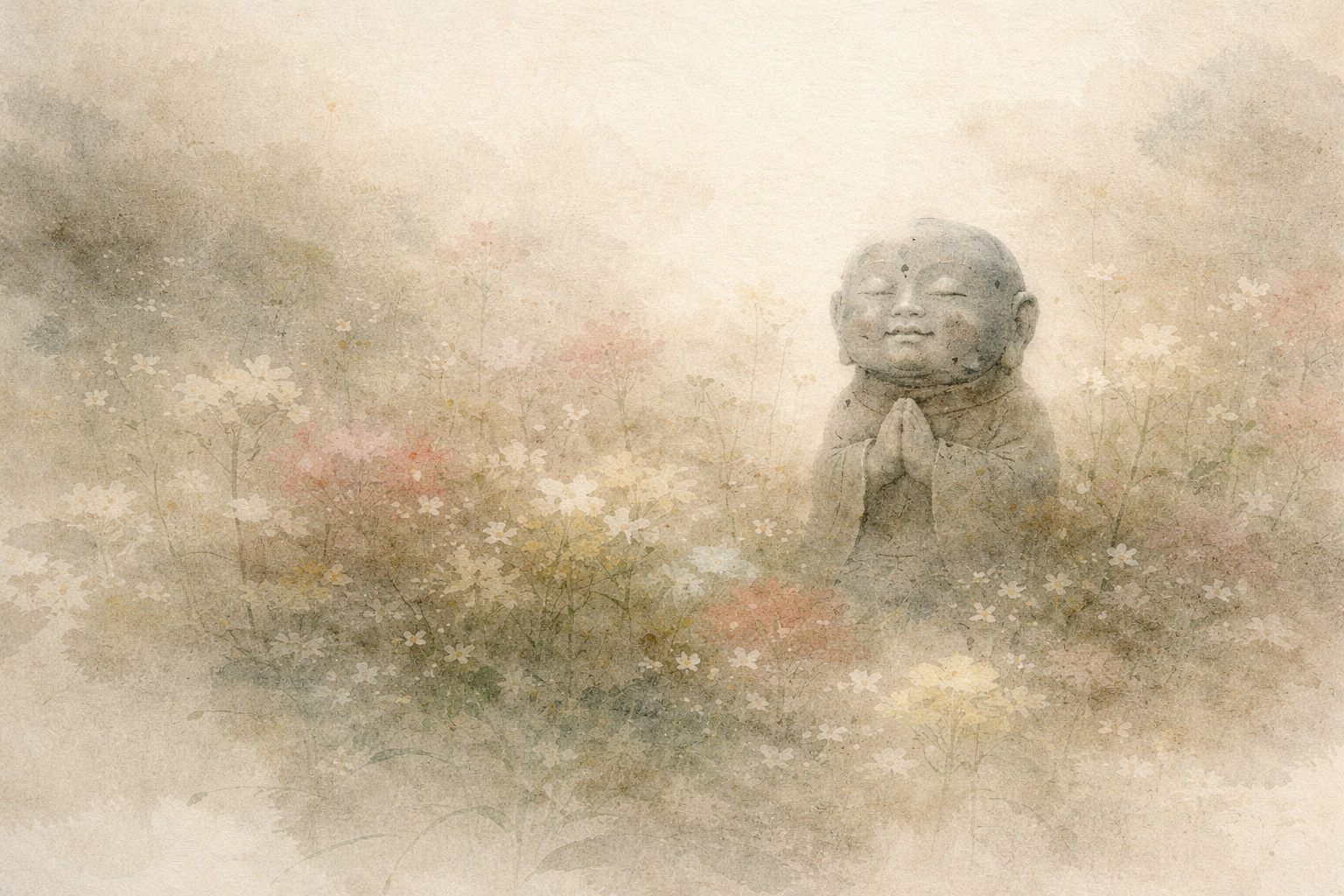
Quick Summary
- Gassho is the gesture of bringing the palms together, often at the heart, as a physical expression of respect and presence.
- In Buddhism, it points less to “worship” and more to a way of meeting life with humility, gratitude, and non-grasping.
- The meaning is relational: it acknowledges what is in front of you—person, moment, teaching, or your own mind.
- It can function as a pause button, interrupting reactivity and inviting a simpler, steadier attention.
- Gassho is not a magic sign or a test of being “a real Buddhist”; it’s a practical cue for how to show up.
- You can do it formally in ritual settings or quietly in daily life without making a performance of it.
- The most important part is the inner attitude: sincerity, respect, and willingness to soften.
Introduction
If you’ve seen people press their palms together and bow, it’s easy to misread gassho as “the Buddhist version of praying” or as a cultural habit you’re not allowed to touch. That confusion is understandable—and it also misses what makes the gesture useful: gassho is less about what you believe and more about how you relate, right now, to what’s in front of you. At Gassho, we focus on clear, practice-based explanations rooted in lived Buddhist culture rather than vague symbolism.
In everyday terms, gassho is a simple posture: palms together, fingers pointing upward, usually held around the chest or face, often paired with a small bow. But the posture is only the outer shell; the meaning comes from the intention you bring to it.
When people ask “what gassho means in Buddhism,” they’re usually asking two things at once: what it signifies (respect, gratitude, reverence) and what it does (settles the mind, reduces ego-driven friction, marks a moment as worthy of care). Both matter.
The Core Meaning of Gassho as a Way of Seeing
Gassho can be understood as a lens: it frames the moment as something you don’t need to dominate, fix, or win. Palms together is a bodily way of saying, “I’m here, and I’m meeting this with respect.” That respect might be directed toward a person, a sacred image, a teaching, a vow you’re renewing, or simply the reality of the present moment.
In Buddhism, meaning often lives in the relationship between inner attitude and outer action. Gassho is a small, deliberate alignment of body and mind. The hands come together; the scattered attention is invited to come together too. It’s not a claim of purity—it’s a gesture of willingness.
Another way to see it: gassho is a physical expression of non-separation. When the hands meet, the usual sense of “me over here, world over there” softens for a moment. That doesn’t require a metaphysical belief; it’s an experiential hint that your stance can shift from self-centered to relational.
Because it’s a lens, gassho is flexible. It can carry reverence in a temple, apology in a difficult conversation, gratitude at the end of a meal, or quiet resolve before you do something hard. The gesture stays simple; the meaning adapts to what the moment asks for.
GASSHO
Ask and learn about Buddhism in daily life.
GASSHO is a Buddhist community app where you can learn Buddhist teachings and ask questions to the head priest of Kongosanmaiin Temple on Mount Koya.
How Gassho Shows Up in Ordinary Experience
Most of the time, we move through the day with our hands busy and our mind busier—planning, judging, defending, replaying. Gassho is a brief interruption. When the palms touch, you can feel contact, pressure, warmth. That sensory clarity makes it harder to stay lost in mental noise.
In a social setting, gassho can change the tone of an interaction without a speech. If you’re about to speak sharply, the gesture can create a half-second of space where you notice the impulse before it becomes a sentence. It doesn’t erase conflict; it reduces the need to escalate it.
When you’re grateful, gassho gives gratitude a body. Instead of gratitude staying as a thought (“I should be thankful”), it becomes a simple act (“I acknowledge this”). That shift matters because it moves you from commentary to contact.
When you’re embarrassed or regretful, gassho can be a clean way to express remorse without melodrama. The hands together and a small bow can say, “I see what happened, and I’m not defending myself right now.” It’s not self-punishment; it’s a willingness to be accountable.
In moments of uncertainty—before a meeting, before a difficult phone call, before entering a room where emotions run high—gassho can function like a threshold marker. You’re not trying to become a different person; you’re reminding yourself to show up with care.
Even alone, gassho can be a way to meet your own mind respectfully. If you notice anxiety, irritation, or sadness, the gesture can communicate, “This too belongs.” That doesn’t mean indulging the feeling; it means dropping the extra layer of resistance that often makes it worse.
Over time, the most noticeable change is often subtle: gassho becomes less of a “religious move” and more of a practical cue. It reminds you to pause, to soften the face and shoulders, and to respond rather than react.
Common Misunderstandings About Gassho
Misunderstanding 1: “Gassho is just prayer.” It can accompany prayer, but in Buddhism it often functions more broadly as respect, greeting, gratitude, or a mindful pause. The gesture doesn’t require asking for anything; it can simply acknowledge what is.
Misunderstanding 2: “It’s only for temples or monks.” Gassho is commonly used by ordinary practitioners in everyday contexts. It can be formal or informal, public or private, depending on what feels appropriate.
Misunderstanding 3: “If I do it wrong, it’s disrespectful.” Precision matters less than sincerity. Different communities hold the hands at slightly different heights or pair it with different bows. If your intention is respectful and you’re attentive to context, you’re already close to the point.
Misunderstanding 4: “It’s a sign of submission.” Gassho is not about making yourself smaller so someone else can be bigger. It’s about stepping out of ego-posturing—dropping the need to be superior, right, or defended for a moment.
Misunderstanding 5: “It’s a spiritual shortcut.” The gesture can support mindfulness and humility, but it doesn’t replace ethical action, honest speech, or steady practice. Gassho is a doorway, not the whole house.
Why Gassho Matters in Daily Life
Gassho matters because it trains a different default response. Instead of meeting life with grasping (“How do I get what I want?”) or resistance (“How do I get away from this?”), it invites a third option: respectful contact. That shift can change how you speak, listen, and decide.
It also supports dignity—yours and others’. When you greet someone with gassho, you’re not performing friendliness; you’re acknowledging their humanity. When you offer gassho after making a mistake, you’re not collapsing into shame; you’re choosing clarity and repair.
In a world that rewards speed and certainty, gassho quietly rewards presence. It’s a small embodied reminder that the moment in front of you is worth meeting carefully, even when it’s ordinary.
And because it’s simple, it’s portable. You don’t need special conditions to practice it—only the willingness to pause and bring your attention back to what you’re doing and how you’re doing it.
Conclusion
What gassho means in Buddhism is ultimately practical: it’s a bodily way to express respect, gratitude, and non-separation, while giving the mind a chance to settle. The hands come together, and you remember—briefly, clearly—that how you meet the moment matters.
If you’re unsure how to use gassho, keep it simple: palms together, a small bow if appropriate, and an honest intention to soften. That sincerity is the meaning.
Ask a Buddhist priest
Have a question about Buddhism?
In the GASSHO app, you can ask questions about Buddhist teachings, daily concerns, and how to understand Buddhism in everyday life.
Frequently Asked Questions
- FAQ 1: What does gassho mean in Buddhism?
- FAQ 2: Is gassho the same thing as prayer in Buddhism?
- FAQ 3: Why do Buddhists put their hands together in gassho?
- FAQ 4: What is the spiritual meaning of gassho in Buddhism?
- FAQ 5: Does gassho mean “namaste”?
- FAQ 6: When is gassho used in Buddhist practice?
- FAQ 7: What does gassho communicate to another person in Buddhism?
- FAQ 8: Is gassho a form of worship?
- FAQ 9: Where should your hands be placed during gassho?
- FAQ 10: Do you have to bow when doing gassho?
- FAQ 11: What is the difference between gassho and a regular bow in Buddhism?
- FAQ 12: Is it disrespectful for non-Buddhists to do gassho?
- FAQ 13: What does gassho mean when directed toward a Buddha image or altar?
- FAQ 14: Can gassho be used as an apology in Buddhism?
- FAQ 15: What is the simplest way to practice gassho with the right meaning?
FAQ 1: What does gassho mean in Buddhism?
Answer: In Buddhism, gassho means bringing the palms together as an embodied expression of respect, gratitude, and present-moment attention. It’s less about declaring a belief and more about adopting a respectful way of meeting what’s in front of you.
Takeaway: Gassho is a practical gesture of respect and presence, not just a symbol.
FAQ 2: Is gassho the same thing as prayer in Buddhism?
Answer: Not exactly. Gassho can accompany prayer or chanting, but it also functions as greeting, thanks, apology, or a mindful pause. The gesture doesn’t require asking for anything; it can simply acknowledge and honor the moment.
Takeaway: Gassho can include prayer, but its meaning is broader than prayer.
FAQ 3: Why do Buddhists put their hands together in gassho?
Answer: Putting the hands together unifies the body and cues the mind to settle. It expresses respect and reduces self-centered posturing, making it easier to respond with care rather than react automatically.
Takeaway: The hands come together to support a more respectful, less reactive stance.
FAQ 4: What is the spiritual meaning of gassho in Buddhism?
Answer: Spiritually, gassho points to humility and connection: meeting life without grasping or pushing away. It can be felt as a moment of non-separation—less “me versus the world,” more “here we are.”
Takeaway: Gassho expresses humility and connectedness in a simple, embodied way.
FAQ 5: Does gassho mean “namaste”?
Answer: They’re related in that both are respectful gestures often done with palms together, but they come from different languages and cultural contexts. In Buddhism, “gassho” refers specifically to the gesture and its attitude of reverence and presence.
Takeaway: Similar gesture, different term and context; gassho is the Buddhist usage of palms-together respect.
FAQ 6: When is gassho used in Buddhist practice?
Answer: Gassho is commonly used when greeting, bowing, expressing thanks, beginning or ending a chant, acknowledging a teacher or community, or marking transitions in a ritual. It can also be used privately as a brief reset in daily life.
Takeaway: Gassho is used in both formal rituals and everyday moments of respect.
FAQ 7: What does gassho communicate to another person in Buddhism?
Answer: It communicates, “I acknowledge you,” with a tone of respect and care. Depending on context, it can also convey gratitude, apology, or a wish to meet the interaction with calm sincerity.
Takeaway: Gassho is a nonverbal way to express respectful acknowledgment.
FAQ 8: Is gassho a form of worship?
Answer: It can look like worship from the outside, but in Buddhism it’s often better understood as reverence and gratitude rather than submission. The gesture honors what is meaningful—teachings, values, or awakened qualities—without needing a theistic framework.
Takeaway: Gassho is reverence and respect; it isn’t necessarily “worship” in the usual sense.
FAQ 9: Where should your hands be placed during gassho?
Answer: Commonly, the palms meet with fingers pointing upward, held around the heart or slightly higher, with relaxed shoulders. Exact height varies by setting; what matters most is a steady, respectful posture rather than rigid precision.
Takeaway: Heart-level palms together is typical; sincerity matters more than exact placement.
FAQ 10: Do you have to bow when doing gassho?
Answer: Not always. Gassho is often paired with a small bow, especially in formal settings, but the gesture can also be done without bowing as a quiet sign of respect or gratitude.
Takeaway: Bowing is common with gassho, but not mandatory.
FAQ 11: What is the difference between gassho and a regular bow in Buddhism?
Answer: A bow is primarily a movement of the body expressing respect; gassho is the palms-together hand posture that may accompany a bow. They often appear together, but they’re distinct actions with the same general intention.
Takeaway: Gassho is the hand gesture; bowing is the body movement—often combined.
FAQ 12: Is it disrespectful for non-Buddhists to do gassho?
Answer: In most contexts, it’s not disrespectful if done sincerely and appropriately. If you’re in a Buddhist space, following the room’s tone—quiet, modest, non-performative—usually matters more than your identity label.
Takeaway: Non-Buddhists can use gassho respectfully when the intention and context are appropriate.
FAQ 13: What does gassho mean when directed toward a Buddha image or altar?
Answer: It typically expresses reverence and gratitude—honoring the qualities the image represents and reaffirming your intention to live with clarity and compassion. It’s less about the object itself and more about what you’re aligning your heart with.
Takeaway: At an altar, gassho is reverence and recommitment, not mere decoration.
FAQ 14: Can gassho be used as an apology in Buddhism?
Answer: Yes. Gassho can express remorse and accountability in a simple, non-defensive way, often paired with a slight bow. It doesn’t replace making amends, but it can set a sincere tone for repair.
Takeaway: Gassho can communicate apology, especially when paired with responsible action.
FAQ 15: What is the simplest way to practice gassho with the right meaning?
Answer: Bring your palms together at the heart, relax your shoulders, and pause for one breath with a clear intention: respect, gratitude, or willingness to meet the moment honestly. If it fits the setting, add a small bow; if not, keep it subtle.
Takeaway: One breath of sincere attention is the “right meaning” of gassho in practice.