



Can You Practice Buddhism Without Rituals?
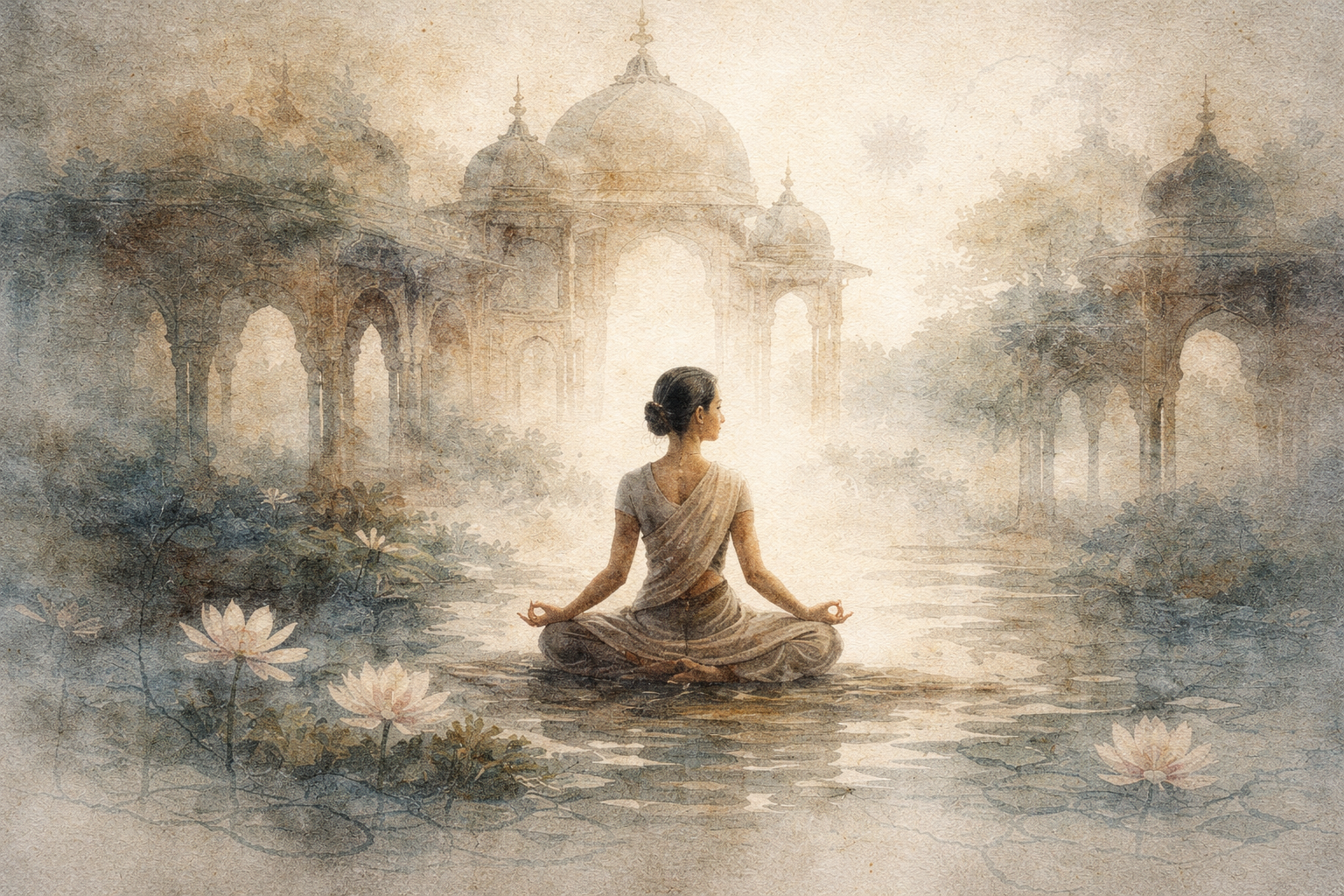
Can You Practice Buddhism Without Rituals?
Quick Summary
- Buddhism without rituals is possible when you focus on awareness, ethics, and compassion in daily life.
- Rituals are optional supports for many people, not the core requirement for practicing.
- You can replace formal ceremonies with simple, repeatable habits: pausing, noticing, and choosing a wiser response.
- “No rituals” doesn’t mean “no structure”—a small routine can keep practice honest and steady.
- The main risk is drifting into self-improvement vibes without real self-observation and accountability.
- A ritual-free approach still benefits from community, reflection, and clear intentions.
- If rituals feel uncomfortable, you can practice respectfully without rejecting people who value them.
Introduction
You might be drawn to Buddhism’s clarity about suffering and the mind, but feel stuck when it seems to come packaged with chanting, bowing, incense, or ceremonies that don’t fit your personality, culture, or beliefs. The good news is that “buddhism without rituals” isn’t a loophole—it can be a sincere way to practice, as long as you don’t use “no rituals” as a way to avoid the parts that actually change you: attention, honesty, and how you treat people. At Gassho, we focus on practical Buddhist insight as something you can test in ordinary life.
Rituals can be meaningful, but they are not the only doorway. Many people use them as a container: a predictable sequence that helps the mind settle, remember what matters, and return to intention. If that container doesn’t work for you, you can build a different one—quiet, simple, and grounded in direct experience.
The key is to be clear about what you’re removing. If you remove rituals but keep the heart of practice—seeing reactivity, loosening grasping, and acting with care—you’re still practicing. If you remove rituals and also remove discipline, reflection, and ethical sensitivity, you may end up with something that feels “spiritual” but doesn’t actually meet life where it hurts.
GASSHO
Ask and learn about Buddhism in daily life.
GASSHO is a Buddhist community app where you can learn Buddhist teachings and ask questions to the head priest of Kongosanmaiin Temple on Mount Koya.
A Clear Lens: What Practice Points To Without Ceremony
A ritual-free approach works best when you treat Buddhism as a lens for understanding experience rather than a set of cultural forms you must adopt. The lens is simple: notice how stress is created in real time—through clinging, resistance, and the stories the mind builds—and notice that these processes can soften when they are seen clearly.
From this perspective, “practice” is not primarily what you do in a special room at a special time. It’s the repeated act of recognizing what’s happening in the mind and body, especially when you’re triggered, rushed, or disappointed. The point is not to become a different person overnight, but to relate differently to the same human conditions: desire, fear, irritation, and uncertainty.
Ethics fits here in a very practical way. If you pay attention, you can see that certain actions reliably increase agitation (lying, harsh speech, impulsive indulgence, using people), while other actions reduce it (honesty, restraint, generosity, patience). This isn’t moralism; it’s cause and effect in the nervous system and in relationships.
So “buddhism without rituals” doesn’t mean “Buddhism without form.” It means choosing forms that are minimal and functional: a pause before speaking, a moment of breathing before reacting, a short reflection at day’s end. The lens stays the same; the packaging becomes lighter.
What It Looks Like in Ordinary Moments
You’re in a conversation and feel the urge to win. Before the words come out, you notice heat in the chest, a tightening in the jaw, and a fast story about being disrespected. Nothing mystical happens—you simply see the pattern earlier than usual.
That noticing creates a small gap. In the gap, you can choose: double down, or soften. You might still speak firmly, but with less poison. You might ask a question instead of delivering a verdict. The practice is that moment of choice, not a ceremonial performance.
Later, you scroll on your phone and feel restless. You notice the mind hunting for a hit of novelty, the subtle dissatisfaction underneath, and the way “just one more” never quite lands. You don’t need a ritual to see this; you need honesty and a willingness to stay with mild discomfort.
At work, a mistake happens. The mind immediately looks for someone to blame, including you. You notice the inner voice getting sharp, the body bracing, the urge to hide. Instead of rehearsing self-attack, you name what’s true: “This is embarrassment.” Naming isn’t a spell; it’s a way of meeting experience directly.
In a family situation, an old pattern appears: you become the fixer, the pleaser, the silent one, the exploder. A ritual-free practice is simply recognizing, “This is the role I slip into,” and feeling what drives it—fear of conflict, fear of rejection, fear of not being enough. Seeing the driver reduces the compulsion to obey it.
When you do something kind—letting someone merge in traffic, listening without interrupting, giving credit—you notice the aftertaste. There’s often a quiet ease that doesn’t depend on applause. This is important: it shows that compassion is not just a virtue; it’s a stabilizing condition for the mind.
At night, you replay the day. Not to judge yourself, but to learn. Where did reactivity take over? Where did you remember to pause? This reflection can be two minutes long. It’s not a ritual in the heavy sense, but it is a deliberate return to awareness.
Misunderstandings That Make “No Rituals” Feel Confusing
Misunderstanding 1: “If I skip rituals, I’m not doing real Buddhism.” Many people equate “real” with “traditional-looking.” But practice is measured by what it does to greed, aversion, and confusion in your daily life. If your mind becomes a little less compelled and your actions a little less harmful, something real is happening.
Misunderstanding 2: “Rituals are pointless, so I should reject them entirely.” Even if rituals aren’t for you, they often serve understandable functions: they mark transitions, build community, and remind people of values. You can choose not to do them without needing to treat them as foolish.
Misunderstanding 3: “No rituals means no commitment.” Without some kind of structure, practice can become mood-based: you do it when you feel calm and skip it when you need it most. A ritual-free path still benefits from commitments that are simple and measurable, like “pause before replying when I’m angry” or “tell the truth even when it’s inconvenient.”
Misunderstanding 4: “Buddhism without rituals is just mindfulness.” Mindfulness is part of it, but a ritual-free Buddhist practice also includes ethical restraint, compassion, and seeing how the sense of “me” gets constructed in moments of grasping. If it’s only attention training for productivity, it can miss the deeper point.
Misunderstanding 5: “If I don’t chant or bow, I can’t have reverence.” Reverence can be expressed as care: careful speech, careful listening, careful choices. It can also be expressed as humility toward your own blind spots. You don’t need a ceremony to practice respect.
Why a Ritual-Free Approach Can Still Be Deeply Grounding
Daily life is where the mind shows its habits most clearly. If your practice depends on special conditions, it can stay separate from the very places you struggle: relationships, work pressure, loneliness, and uncertainty. “Buddhism without rituals” can be a way to stop outsourcing practice to a setting and start meeting life directly.
It also reduces friction. If rituals trigger discomfort—because of religious baggage, cultural mismatch, or simply personal taste—you may avoid practice altogether. A simpler approach lowers the barrier to consistency, which matters more than intensity.
There’s another benefit: you learn to rely on observation rather than atmosphere. Without incense, chanting, or a formal sequence, you can’t lean on the feeling of “being spiritual.” You have to look at what’s actually happening: the tightening, the craving, the defensiveness, the softening, the relief.
At the same time, a ritual-free approach asks for maturity. You become responsible for your own guardrails. That can be as simple as a short morning intention, a mid-day check-in, and an evening review—quiet actions that keep you aligned without turning into a performance.
Finally, it can help you relate more kindly to others. When you’re not busy trying to “do it right,” you may become more interested in what reduces suffering in real situations. That interest naturally supports patience, generosity, and clearer boundaries.
Conclusion
Yes, you can practice Buddhism without rituals—if you keep the heart of practice intact: seeing reactivity, loosening clinging, and choosing actions that reduce harm. Rituals can be helpful supports, but they are not the only way to build steadiness and meaning.
If you want a simple starting point, try this for one week: pause once a day when you feel pulled by irritation or craving, name what’s happening in plain language, and choose one response that is slightly more honest or kind than your default. That’s not a ceremony. It’s practice.
Ask a Buddhist priest
Have a question about Buddhism?
In the GASSHO app, you can ask questions about Buddhist teachings, daily concerns, and how to understand Buddhism in everyday life.
Frequently Asked Questions
- FAQ 1: Is buddhism without rituals still considered Buddhism?
- FAQ 2: What counts as a “ritual” in Buddhism, and what doesn’t?
- FAQ 3: If I don’t chant or bow, what should I do instead?
- FAQ 4: Can I practice buddhism without rituals if I’m not religious?
- FAQ 5: Does buddhism without rituals become “just mindfulness”?
- FAQ 6: What are the risks of practicing Buddhism without rituals?
- FAQ 7: How do I keep discipline if I remove rituals?
- FAQ 8: Is it disrespectful to practice buddhism without rituals?
- FAQ 9: Can I join a Buddhist community if I don’t want to do rituals?
- FAQ 10: What is the simplest daily practice for buddhism without rituals?
- FAQ 11: Can I practice buddhism without rituals and without meditation?
- FAQ 12: How do I know if my ritual-free practice is working?
- FAQ 13: Do I need Buddhist beliefs to do buddhism without rituals?
- FAQ 14: What should I do if rituals trigger discomfort or past religious baggage?
- FAQ 15: Can buddhism without rituals still include gratitude or devotion?
FAQ 1: Is buddhism without rituals still considered Buddhism?
Answer: It can be, if your practice is centered on direct observation of suffering and its causes, ethical conduct, and compassion in daily life. Rituals are often supportive forms, but the core is how you train attention and reduce harmful patterns.
Takeaway: You can practice sincerely without ceremonies if the essentials remain.
FAQ 2: What counts as a “ritual” in Buddhism, and what doesn’t?
Answer: Rituals usually mean formalized actions done in a set way—chanting, bowing, offerings, or ceremonies. Quiet habits like pausing before reacting, reflecting on your day, or setting an intention can be structured, but they don’t have to be ritualized or symbolic.
Takeaway: Rituals are formal symbolic forms; practice can also be simple and direct.
FAQ 3: If I don’t chant or bow, what should I do instead?
Answer: Replace ritual with repeatable, practical actions: a daily moment of stillness, mindful breathing during stress, honest self-reflection, and deliberate kindness. The goal is to notice reactivity and choose responses that reduce harm.
Takeaway: Swap ceremony for small, consistent habits that change how you respond.
FAQ 4: Can I practice buddhism without rituals if I’m not religious?
Answer: Yes. A ritual-free approach can be grounded in experience: noticing craving and aversion, practicing ethical speech and action, and cultivating compassion. You don’t need to adopt religious identity to work with the mind and reduce suffering.
Takeaway: You can practice as a lived discipline rather than a religion.
FAQ 5: Does buddhism without rituals become “just mindfulness”?
Answer: It can, if it’s reduced to attention training for calm or productivity. A fuller ritual-free practice includes ethics, compassion, and seeing how self-centered stories intensify stress—then learning to loosen them.
Takeaway: Mindfulness is part of it, but not the whole of a ritual-free practice.
FAQ 6: What are the risks of practicing Buddhism without rituals?
Answer: Common risks include inconsistency, turning practice into self-help without ethical accountability, and avoiding community or feedback. Without ritual structure, you may need clearer personal commitments and regular reflection to stay grounded.
Takeaway: The main danger isn’t “doing it wrong,” but drifting without structure.
FAQ 7: How do I keep discipline if I remove rituals?
Answer: Use simple agreements: a set time for quiet sitting or walking, a daily intention (like truthful speech), and a short evening review of reactivity and kindness. Keep it small enough that you’ll actually do it.
Takeaway: Replace ritual with lightweight routines and clear commitments.
FAQ 8: Is it disrespectful to practice buddhism without rituals?
Answer: Not inherently. Disrespect comes more from dismissiveness than from non-participation. You can opt out of rituals while still respecting that others find them meaningful and approaching the teachings with sincerity.
Takeaway: You can practice differently without looking down on ritual practitioners.
FAQ 9: Can I join a Buddhist community if I don’t want to do rituals?
Answer: Often yes, but it depends on the community. Many groups welcome quiet participation or allow you to observe without joining in. It helps to be upfront, respectful, and willing to engage with the core practices even if you skip ceremonial parts.
Takeaway: Community is still possible—communicate your boundaries respectfully.
FAQ 10: What is the simplest daily practice for buddhism without rituals?
Answer: A practical minimum is: (1) a few minutes of quiet attention to breathing, (2) one daily intention to reduce harm (speech is a good start), and (3) a brief reflection at night on where you got pulled into reactivity.
Takeaway: Keep it simple: attention, intention, reflection.
FAQ 11: Can I practice buddhism without rituals and without meditation?
Answer: You can begin with ethical practice and mindful awareness in daily activities, but some form of deliberate attention training is usually helpful. “Meditation” doesn’t have to be formal; it can be brief periods of stillness, walking awareness, or mindful pauses.
Takeaway: You can start without formal meditation, but attention training supports depth.
FAQ 12: How do I know if my ritual-free practice is working?
Answer: Look for practical signs: you notice reactivity sooner, recover from it faster, speak more carefully, and create fewer regrets. It’s less about constant calm and more about clearer seeing and less harm.
Takeaway: Measure results by reduced reactivity and kinder, wiser choices.
FAQ 13: Do I need Buddhist beliefs to do buddhism without rituals?
Answer: You don’t need to force beliefs. A ritual-free approach can be experiential: test what happens when you cling, when you let go, when you speak harshly, and when you speak honestly. Let understanding grow from observation.
Takeaway: Start with experience and ethics; beliefs don’t have to come first.
FAQ 14: What should I do if rituals trigger discomfort or past religious baggage?
Answer: Give yourself permission to opt out, and focus on the non-ceremonial core: awareness, compassion, and ethical living. If you’re in a group setting, you can participate silently or step aside without making it a confrontation.
Takeaway: Protect your boundaries while staying connected to the heart of practice.
FAQ 15: Can buddhism without rituals still include gratitude or devotion?
Answer: Yes. Gratitude can be practiced through reflection and action—thanking people, caring for what supports your life, and remembering what matters when you’re stressed. Devotion can be expressed as commitment to compassion and truth rather than ceremonial display.
Takeaway: Reverence can be lived through conduct, not only through ritual.