



Chakra Meditation Explained: Meaning, Practice, Benefits, and Limits
Quick Summary
Chakra meditation is often described as an energy-based or spiritual practice, but many people approach chakra meditation today as a practical way to work with attention, body awareness, and emotional balance. This article explains chakra meditation in clear, grounded terms, separating myth from practice and showing how chakra meditation can be used realistically in modern life.
- What it is: A structured meditation approach that uses symbolic body maps to guide attention
- How it works: Focused awareness, breath, and bodily sensation rather than belief
- What it can support: Relaxation, emotional awareness, and stress regulation
- What it is not: A guaranteed cure or a requirement to accept spiritual doctrines
Introduction
When people first encounter the phrase chakra meditation, reactions are often mixed. Some feel curious, sensing that the practice might offer calm or clarity. Others hesitate, unsure whether it belongs to religion, mysticism, or something they do not quite trust. The word chakra itself can feel loaded—suggesting invisible energies, special knowledge, or beliefs one must adopt to participate.
This tension is common, especially in Western contexts where meditation is often approached for stress relief, sleep, or emotional balance rather than spiritual initiation. Chakra meditation sits at an intersection: it borrows language from ancient traditions, yet it is frequently practiced today in quiet bedrooms, yoga studios, or through modern meditation apps.
This article approaches chakra meditation in a grounded, practical way. Rather than asking readers to believe in unseen forces, it explains chakra meditation as a method of directing attention through the body, cultivating awareness, and creating space between sensation, emotion, and reaction. When understood this way, chakra meditation becomes less mysterious—and far more usable.
What Is Chakra Meditation?
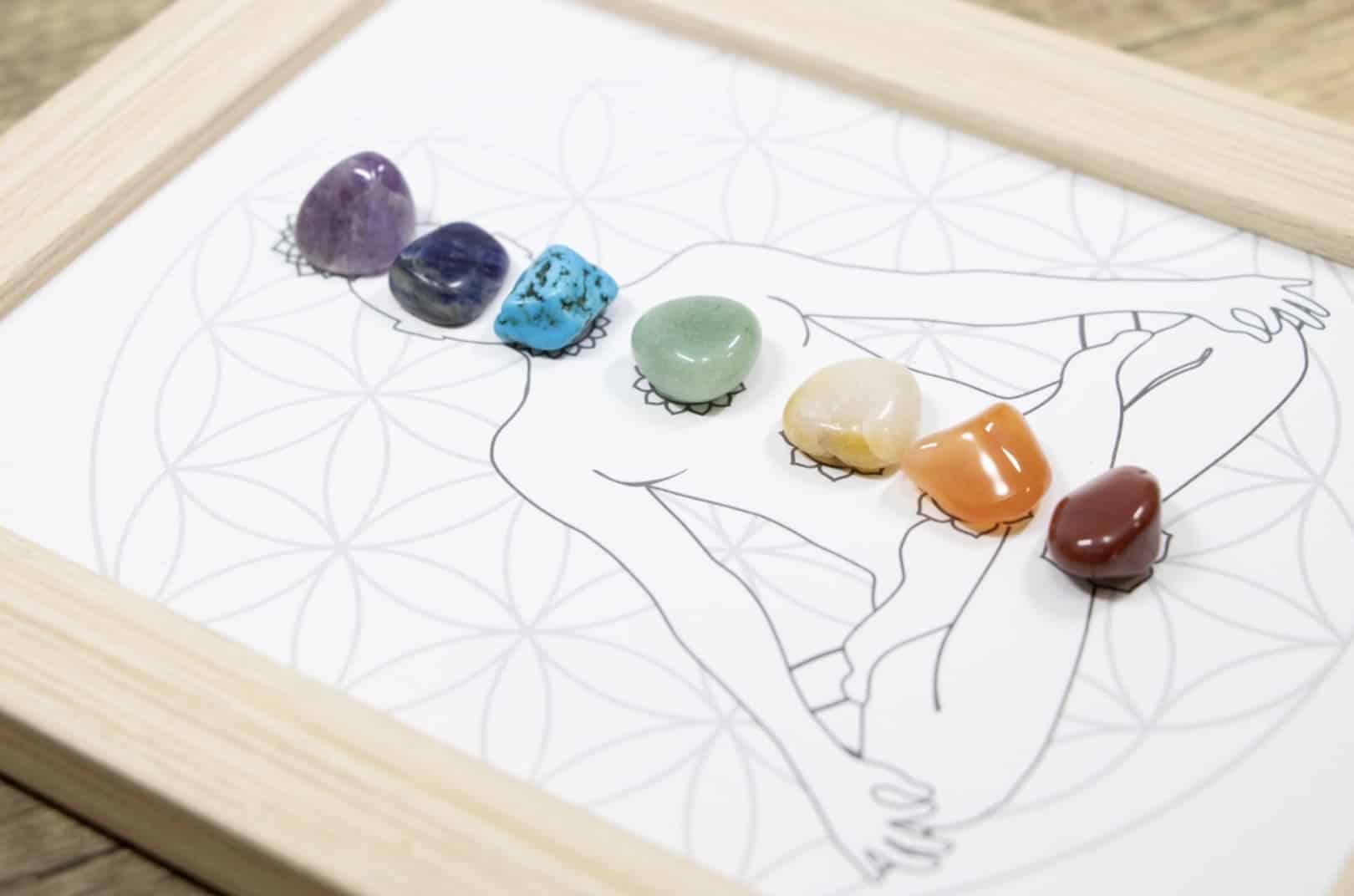
At its simplest, chakra meditation is a form of meditation that uses a series of focal points associated with the body to guide attention. These focal points are traditionally described as seven chakras, arranged from the base of the spine to the top of the head. Each chakra is linked, symbolically, with certain bodily regions, emotional themes, and mental qualities.
In modern practice, chakra meditation usually involves:
- Sitting or lying comfortably
- Breathing slowly and steadily
- Bringing attention to one area of the body at a time
- Observing sensations, emotions, or mental states without trying to force change
Importantly, chakra meditation does not require belief in literal energy centers. Many contemporary practitioners treat chakras as a conceptual map—a way to organize attention and notice patterns in bodily sensation and emotion. In this sense, chakras function much like landmarks in a body-based meditation, helping the mind stay anchored rather than drifting endlessly.
This is why chakra meditation often appeals to people who struggle with silent or objectless meditation. Instead of being told to “clear the mind,” practitioners are given a gentle structure. Attention has somewhere to go, which can make the practice feel more approachable, especially for beginners.
GASSHO
Ask and learn about Buddhism in daily life.
GASSHO is a Buddhist community app where you can learn Buddhist teachings and ask questions to the head priest of Kongosanmaiin Temple on Mount Koya.
Where Chakra Meditation Comes From (and How It Changed)
The chakra system originates in ancient Indian philosophical and yogic texts, where it was part of a broader framework describing the relationship between body, mind, and consciousness. In those contexts, chakras were discussed alongside ethics, breath control, and contemplative discipline—not as standalone techniques.
As these ideas traveled beyond their original cultural settings, especially into Western wellness culture, they changed. Chakra concepts were simplified, visualized, and often detached from their philosophical roots. Over time, they became associated with self-help language, color symbolism, and emotional labels that were easier to remember and apply.
This transformation has pros and cons. On one hand, simplification made chakra meditation widely accessible. People no longer needed years of study to begin practicing. On the other hand, oversimplification sometimes led to exaggerated claims or rigid interpretations, such as the idea that a single “blocked chakra” explains all emotional or physical difficulties.
Today, many teachers and practitioners adopt a middle path. They acknowledge the historical origins of chakra meditation while using the framework in a modern, symbolic way. Rather than treating chakras as anatomical facts, they are understood as attention anchors—tools that help translate internal experience into something observable and workable.
How Chakra Meditation Works in Practice
In practical terms, chakra meditation is about directing attention deliberately rather than letting it wander unconsciously. A typical session might begin with a few minutes of relaxed breathing, followed by attention moving slowly through the body.
Some practices focus on one chakra per session, while others move through all seven in sequence. There is no single correct method. What matters more than the order is the quality of attention: steady, curious, and non-judgmental.
During practice, people may notice physical sensations such as warmth, tension, or pulsing. Emotional responses can also arise—restlessness, calm, resistance, or unexpected memories. Chakra meditation does not require analyzing these experiences. The instruction is usually simple: notice what is present, allow it to be there, and return to the chosen focal point.
Guided chakra meditations are especially common, as spoken guidance can help maintain focus. For many, guidance reduces the pressure to “do it right” and prevents overthinking. Sessions can be short—ten minutes is often enough to feel a shift—or longer when time and energy allow.
Crucially, chakra meditation is not about forcing sensations or visualizations. If nothing dramatic happens, that is not a failure. The practice works subtly, through repetition and familiarity, rather than through peak experiences.
Chakra Meditation and the Mind–Body Connection

One reason chakra meditation continues to resonate is its emphasis on the body as an integral part of mental life. Rather than treating thoughts and emotions as purely abstract processes, the practice invites attention into direct physical experience.
Modern psychology and integrative health increasingly recognize this mind–body connection. Emotions are not only cognitive events; they are often felt physically as tightness in the chest, heaviness in the stomach, or restlessness in the limbs. Chakra meditation offers a structured way to notice these patterns without becoming overwhelmed by them, using bodily focal points to anchor attention.
The U.S. National Center for Complementary and Integrative Health (NCCIH) explains that meditation practices focusing on attention and bodily awareness are commonly associated with stress regulation and emotional balance. Importantly, NCCIH presents meditation as a broadly applicable self-care practice that does not depend on religious belief or spiritual doctrine, but instead on how attention is directed and sustained.
From a Buddhist perspective, this approach closely parallels body-based mindfulness practices. Traditional Buddhist meditation does not describe chakras as literal energy centers, yet it places strong emphasis on observing bodily sensations, breathing, and the constantly changing nature of experience. Awareness of the body serves as a stabilizing reference point, particularly when the mind feels scattered or reactive.
Seen through this lens, chakra meditation is not about accessing hidden forces or activating special powers. It is about learning how attention moves through the body, how sensation and emotion interact, and how gentle, non-judgmental observation can soften automatic reactions. The concept of “chakras” simply provides a vocabulary and structure that some practitioners find intuitive and supportive.
Potential Benefits — and Their Limitations
Many people turn to chakra meditation hoping for specific outcomes such as reduced stress, improved sleep, emotional balance, or a greater sense of grounding. When practiced consistently, chakra meditation can support these outcomes indirectly by encouraging relaxation, bodily awareness, and a reduction in habitual mental reactivity.
From a psychological perspective, this effect is not unique to chakra meditation itself but is shared by many attention-based practices. The American Psychological Association explains that mindfulness and meditation practices that cultivate present-moment awareness are commonly associated with improved emotional regulation and reduced stress responses. Chakra meditation overlaps with this approach by directing attention through bodily sensations, which can make emotional patterns easier to notice without becoming overwhelming.
At the same time, it is important to remain realistic about limitations. Chakra meditation is not a medical treatment and should not replace professional care for mental or physical health conditions. Benefits tend to be gradual and subjective rather than immediate or dramatic. Some people notice a sense of calm relatively quickly, while others experience changes only after weeks of regular practice.
There are also situations where inward-focused practices may initially feel uncomfortable. Individuals who experience high anxiety, rumination, or trauma-related symptoms may find that long or unguided sessions increase distress. In such cases, shorter sessions, guided formats, or body-oriented practices with an external anchor are often more supportive.
Recognizing these limits does not weaken the value of chakra meditation. On the contrary, grounded expectations make the practice more sustainable. When meditation is approached as a supportive habit rather than a solution that must deliver rapid results, it is more likely to become part of everyday life.
Chakra Meditation for Anxiety, Stress, and Sleep
Chakra meditation is frequently used in the context of anxiety, stress, and sleep because of its calming, body-centered nature. By shifting attention away from racing thoughts and into physical sensation, the nervous system often settles naturally.
For anxiety, practices that emphasize lower-body awareness—such as attention on the legs or abdomen—can create a sense of stability. For stress, moving slowly through multiple focal points encourages a full-body release rather than localized tension. For sleep, gentle guided chakra meditations help transition the mind from problem-solving mode into rest.
It is helpful to think of chakra meditation not as a way to “fix” anxiety or insomnia, but as a way to create conditions where rest becomes possible. The practice does not force calm; it invites it.
Common Misunderstandings About Chakra Meditation
One common misunderstanding is that chakra meditation requires belief in literal energy blockages. In reality, many experienced practitioners approach chakras symbolically, using them as attention cues rather than metaphysical claims.
Another misconception is that dramatic sensations indicate success. Tingling, colors, or strong emotions are not goals. Quiet awareness is equally valid, and often more sustainable.
Finally, some assume that chakra meditation must feel pleasant at all times. Like any form of mindfulness, it can reveal discomfort before ease. This is not a sign that something is wrong—it is part of learning how the mind and body respond to attention.
How to Start Chakra Meditation Safely as a Beginner
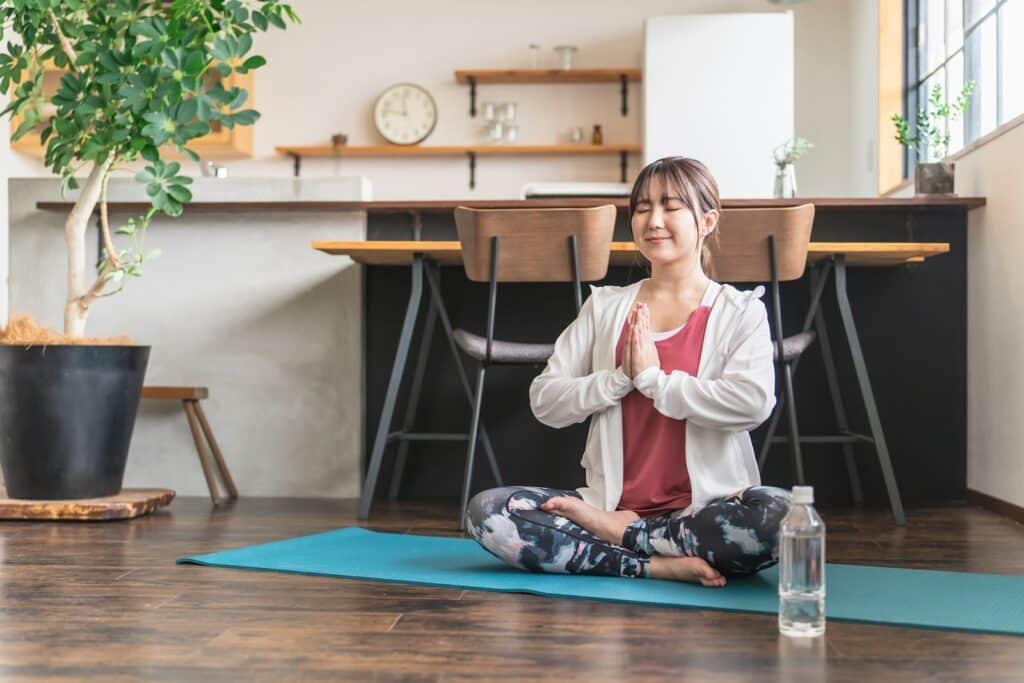
For beginners, simplicity matters. Start with short sessions, comfortable posture, and guided instructions if possible. There is no need for special clothing, music, or visualization skills.
Approach the practice with curiosity rather than ambition. If attention wanders, gently bring it back. If emotions arise, notice them without judgment. Progress in chakra meditation is measured not by intensity, but by familiarity and ease.
Most importantly, allow the practice to fit your life rather than reshaping your life around it. Meditation works best when it feels like support, not another obligation.
Chakra Meditation and Modern Meditation Apps
In contemporary life, many people explore chakra meditation through apps rather than formal instruction. Apps provide structure, consistency, and guidance—qualities that are difficult to maintain alone, especially during busy periods.
While no app can replace in-depth study or retreat experiences, they can serve a different purpose. Retreats offer rare peaks of silence and insight. Apps support the baseline—the everyday return to stillness that makes those peaks meaningful.
This is where platforms like Gassho fit naturally. Rather than emphasizing complex techniques or spiritual achievement, Gassho is designed around rest, simplicity, and letting the mind settle without effort. For people interested in chakra meditation as a calming, body-aware practice, this kind of environment supports continuity without pressure.
Conclusion
Chakra meditation does not need to be mysterious to be meaningful. When understood as a structured way of working with attention, sensation, and emotion, it becomes a practical tool rather than a belief system.
Whether practiced through traditional frameworks or modern guidance, the essence remains the same: learning to sit with experience as it is, allowing clarity and rest to emerge naturally. In that sense, chakra meditation is less about opening something new—and more about noticing what has always been present.
Ask a Buddhist priest
Have a question about Buddhism?
In the GASSHO app, you can ask questions about Buddhist teachings, daily concerns, and how to understand Buddhism in everyday life.
Frequently Asked Questions
FAQ 2: Can chakra meditation help with stress or anxiety?
FAQ 3: Is chakra meditation religious or spiritual?
FAQ 4: How do you practice chakra meditation step by step?
FAQ 5: How long should a chakra meditation session last?
FAQ 6: Can chakra meditation be practiced at night or before sleep?
FAQ 7: What are the seven chakras commonly referenced in meditation?
FAQ 8: Do you need prior meditation experience to try chakra meditation?
FAQ 9: What if I do not feel anything during chakra meditation?
FAQ 10: Can chakra meditation replace therapy or medical treatment?
FAQ 11: Is chakra meditation safe for everyone?
FAQ 12: How is chakra meditation different from mindfulness meditation?
FAQ 13: Can chakra meditation improve emotional awareness?
FAQ 14: Should chakra meditation be practiced daily?
FAQ 15: Can children or teens practice chakra meditation?
FAQ 16: What is the biggest mistake beginners make with chakra meditation?
FAQ 17: Can chakra meditation be combined with yoga or stretching?
FAQ 18: How long does it take to notice benefits from chakra meditation?
FAQ 19: Do I need special tools, music, or crystals for chakra meditation?
FAQ 20: Is chakra meditation suitable for everyday life, not just retreats?
FAQ 1: What is chakra meditation, and do I need to believe in chakras for it to work?
Answer: Chakra meditation is a form of meditation that uses a symbolic map of the body to guide attention, awareness, and relaxation. In modern practice, it does not require belief in literal energy centers or spiritual doctrines. Many people approach chakra meditation as a structured way to focus on bodily sensations, emotions, and mental states, similar to body-based mindfulness or body scan meditation. The effectiveness of the practice comes from sustained attention, gentle observation, and reduced mental reactivity rather than belief. For beginners, this structure can make meditation easier to follow compared to open or silent techniques.
Real Results: Research summarized by the National Center for Complementary and Integrative Health explains that meditation practices emphasizing attention and body awareness are commonly associated with stress reduction and emotional regulation, regardless of spiritual belief systems.
Takeaway: Chakra meditation works best as an attention practice, not a belief test.
FAQ 2: Can chakra meditation help with stress or anxiety?
Answer: Chakra meditation may help with stress or anxiety by encouraging a shift from repetitive thinking to present-moment bodily awareness. When attention is guided through different areas of the body, the nervous system often moves toward a calmer state, reducing physiological arousal linked to stress. While chakra meditation is not a medical treatment for anxiety disorders, many practitioners use it as a supportive practice alongside other stress-management strategies. Short, consistent sessions are generally more effective than long or intense practices, especially for people who feel overwhelmed by silent meditation.
Real Results: According to the American Psychological Association’s resources on meditation and mindfulness, practices that cultivate focused attention and body awareness are associated with reduced stress and improved emotional regulation in many individuals.
Takeaway: Chakra meditation can support stress relief, but it works gradually and realistically.
FAQ 3: Is chakra meditation religious or spiritual?
Answer: Chakra meditation has historical roots in Indian philosophical traditions, but modern chakra meditation is often practiced in a non-religious way. Many people use it purely as a mental and physical awareness exercise, without adopting spiritual beliefs or rituals. In contemporary settings, chakra meditation is frequently presented as a wellness or mindfulness technique that focuses on relaxation, attention training, and emotional insight. This makes it accessible to people who are interested in meditation benefits but prefer a secular or practical approach.
Real Results: The National Center for Complementary and Integrative Health notes that meditation practices are widely used in secular healthcare and wellness contexts, independent of religious affiliation.
Takeaway: Chakra meditation can be practiced as a secular, practical form of meditation.
FAQ 4: How do you practice chakra meditation step by step?
Answer: Chakra meditation is typically practiced by sitting or lying comfortably, slowing the breath, and guiding attention through different areas of the body in a deliberate sequence. Practitioners often begin at the lower body and gradually move upward, noticing sensations, emotions, or mental reactions associated with each area. The key is not to force visualization or sensation, but to observe whatever is present with calm attention. Sessions can be guided or unguided, and there is no requirement to complete all chakras in one sitting. Consistency matters more than precision, especially for beginners.
Real Results: TheNational Center for Complementary and Integrative Health explains that structured meditation practices emphasizing focused attention are commonly used to promote relaxation and stress regulation.
Takeaway: Chakra meditation is about steady attention, not perfect technique.
FAQ 5: How long should a chakra meditation session last?
Answer: Chakra meditation sessions can range from as little as five minutes to longer sessions of thirty minutes or more, depending on experience and intention. For beginners, shorter sessions are often more effective because they reduce mental fatigue and resistance. Regular, brief practice tends to produce more sustainable benefits than occasional long sessions. Over time, practitioners may naturally extend session length as comfort and familiarity increase.
Real Results: Mayo Clinic explains that even short, consistent meditation practices are commonly used to support relaxation and stress management in daily life.
Takeaway: Short and consistent sessions are often enough.
FAQ 6: Can chakra meditation be practiced at night or before sleep?
Answer: Chakra meditation can be practiced before sleep, particularly when it is gentle and slow-paced. Body-centered attention helps shift the nervous system away from alertness and toward rest. Practices that avoid stimulating imagery or intense focus are generally more suitable for nighttime use. Many people use guided chakra meditations as part of a wind-down routine to support better sleep quality.
Real Results: The Sleep Foundation notes that relaxation-based meditation practices are commonly used to support sleep onset and nighttime calm.
Takeaway: Gentle chakra meditation can support a calmer transition into sleep.
FAQ 7: What are the seven chakras commonly referenced in meditation?
Answer: The seven chakras are traditionally described as symbolic focal points aligned along the body, from the base of the spine to the top of the head. Each is associated with certain physical regions and emotional themes, though modern practice often treats these associations flexibly rather than literally. The chakras serve as a framework to guide attention through the body in an organized way. Understanding them as symbolic references rather than fixed entities helps keep practice grounded and accessible.
Real Results: NCCIH educational resources explain that many meditation systems use body-based focal points to organize attention and awareness.
Takeaway: Chakras are best used as attention guides, not rigid rules.
FAQ 8: Do you need prior meditation experience to try chakra meditation?
Answer: No prior meditation experience is required to begin chakra meditation. In fact, many beginners find chakra meditation easier than silent mindfulness because it provides structure and direction. Guided formats are especially helpful for first-time practitioners, as they reduce uncertainty about what to focus on. Starting with simple instructions and short sessions allows beginners to build confidence gradually.
Real Results: According to theAmerican Psychological Association, guided mindfulness practices are commonly used to introduce beginners to meditation.
Takeaway: Chakra meditation is beginner-friendly when approached simply.
FAQ 9: What if I do not feel anything during chakra meditation?
Answer: Not feeling strong sensations during chakra meditation is completely normal. Meditation effects are often subtle and vary from session to session. The absence of dramatic experience does not mean the practice is ineffective. Over time, familiarity with bodily awareness may deepen, but neutrality and quiet observation are valid outcomes as well.
Real Results: APA mindfulness resources emphasize that meditation benefits do not depend on extraordinary experiences.
Takeaway: Calm awareness is progress, even without sensation.
FAQ 10: Can chakra meditation replace therapy or medical treatment?
Answer: Chakra meditation should not replace therapy or medical treatment. It can be used as a supportive practice alongside professional care but is not a substitute for diagnosis or treatment. Meditation works best as a complementary approach that supports emotional awareness and stress management. Anyone experiencing significant mental health concerns should consult qualified professionals.
Real Results: The NCCIH clearly states that meditation is a complementary practice and not a replacement for medical care.
Takeaway: Meditation supports care, it does not replace it.
FAQ 11: Is chakra meditation safe for everyone?
Answer: Chakra meditation is generally safe for most people when practiced gently. However, individuals with a history of trauma or severe anxiety may find intense inward focus challenging. In such cases, shorter sessions, guided practices, or professional guidance are recommended. Listening to one’s own limits is essential for safe practice.
Real Results: The American Psychological Association notes that mindfulness practices may need adaptation for individuals with trauma histories.
Takeaway: Gentle practice and self-awareness support safety.
FAQ 12: How is chakra meditation different from mindfulness meditation?
Answer: Chakra meditation differs from mindfulness meditation mainly in structure. Mindfulness meditation often involves open awareness or breath focus, while chakra meditation uses specific body-based focal points. Both emphasize non-judgmental observation and present-moment awareness. Chakra meditation simply offers a more guided pathway through the body.
Real Results: NCCIH resources describe multiple meditation styles that share common attention-training principles.
Takeaway: Different structures, same underlying awareness.
FAQ 13: Can chakra meditation improve emotional awareness?
Answer: Chakra meditation may improve emotional awareness by encouraging attention to bodily sensations associated with emotional states. Emotions often manifest physically, and structured body focus can make these patterns easier to notice. Over time, this awareness may help reduce automatic reactions and increase emotional clarity.
Real Results: APA resources on mindfulness explain how body awareness practices support emotional regulation.
Takeaway: Awareness comes before regulation.
FAQ 14: Should chakra meditation be practiced daily?
Answer: Daily practice is beneficial but not mandatory. Even practicing a few times per week can support familiarity and ease. Consistency matters more than frequency, and forcing daily practice can lead to burnout. A realistic schedule that fits daily life is more sustainable.
Real Results: Mayo Clinic notes that meditation benefits are commonly associated with regular, realistic practice rather than long or rigid sessions.
Takeaway: Sustainable practice beats rigid routines.
FAQ 15: Can children or teens practice chakra meditation?
Answer: Chakra meditation can be adapted for older children and teens when presented in simple, age-appropriate language. Short sessions with gentle guidance are recommended. The focus should remain on relaxation and awareness rather than abstract concepts.
Real Results: APA resources note that mindfulness-based practices are increasingly adapted for youth in educational and wellness settings.
Takeaway: Simplicity matters for younger practitioners.
FAQ 16: What is the biggest mistake beginners make with chakra meditation?
Answer: The most common mistake is trying too hard to feel or visualize something specific. This effort can create tension rather than relaxation. Chakra meditation works best when approached with curiosity and patience. Letting experiences unfold naturally leads to more sustainable practice.
Real Results: NCCIH educational materials emphasize a non-striving attitude in meditation practice.
Takeaway: Less effort often leads to better results.
FAQ 17: Can chakra meditation be combined with yoga or stretching?
Answer: Chakra meditation is often combined with yoga or gentle stretching, as movement can increase body awareness and ease tension. Practicing meditation after movement may make it easier to settle attention. The combination should feel supportive rather than demanding.
Real Results: Mayo Clinic explains that yoga and meditation are commonly used together as complementary practices to support relaxation and stress management.
Takeaway: Movement can support stillness.
FAQ 18: How long does it take to notice benefits from chakra meditation?
Answer: The timeline for noticing benefits varies widely. Some people feel calmer after a few sessions, while others notice changes gradually over weeks. Benefits are often subtle and cumulative rather than immediate or dramatic.
Real Results: APA mindfulness resources note that meditation benefits typically develop over time with regular practice.
Takeaway: Subtle change is still change.
FAQ 19: Do I need special tools, music, or crystals for chakra meditation?
Answer: No special tools are required for chakra meditation. While some people enjoy music or props, they are optional. The core of the practice is attention and awareness, which can be cultivated anywhere. Keeping the practice simple often makes it more sustainable.
Real Results:NCCIH resources emphasize that meditation can be practiced without equipment or accessories.
Takeaway: Attention is the only essential tool.
FAQ 20: Is chakra meditation suitable for everyday life, not just retreats?
Answer: Chakra meditation is well suited to everyday life because it can be practiced in short, flexible sessions. Unlike retreat-based practices that require extended silence or isolation, chakra meditation adapts easily to modern schedules. This makes it accessible for ongoing stress management and emotional awareness.
Real Results: According to the APA, mindfulness-based practices are commonly integrated into daily routines for stress reduction.
Takeaway: Everyday practice builds lasting stability.
Related Articles
- Harvard Health Publishing – Can mindfulness change your brain?
Summarizes research showing how regular mindfulness meditation is associated with structural and functional changes in the brain. - American Psychological Association – Mindfulness meditation: A research-proven way to reduce stress
Explains how mindfulness-based practices help reduce stress and support emotional regulation from a psychological perspective. - National Center for Complementary and Integrative Health – Meditation: What You Need to Know
Provides a clear, evidence-based overview of meditation, including benefits, limitations, and safety considerations. - Meditation for Sleep with Buddhist Chants: My Experience with the Gassho App
A personal story of how the author, once struggling with sleepless nights, discovered a gentle bedtime ritual through the Gassho meditation app. This reflection explores how evening meditation helped relax the mind and body, leading to a more natural and peaceful sleep. - Body Scan Meditation: A Simple Guide to Calm Sleep
Gently introduces the body scan meditation technique—bringing awareness to each part of the body to release tension and prepare for deeper rest.