



The Prayer of Mindful Souls – Eastern Mindfulness in Gassho
Quick Summary
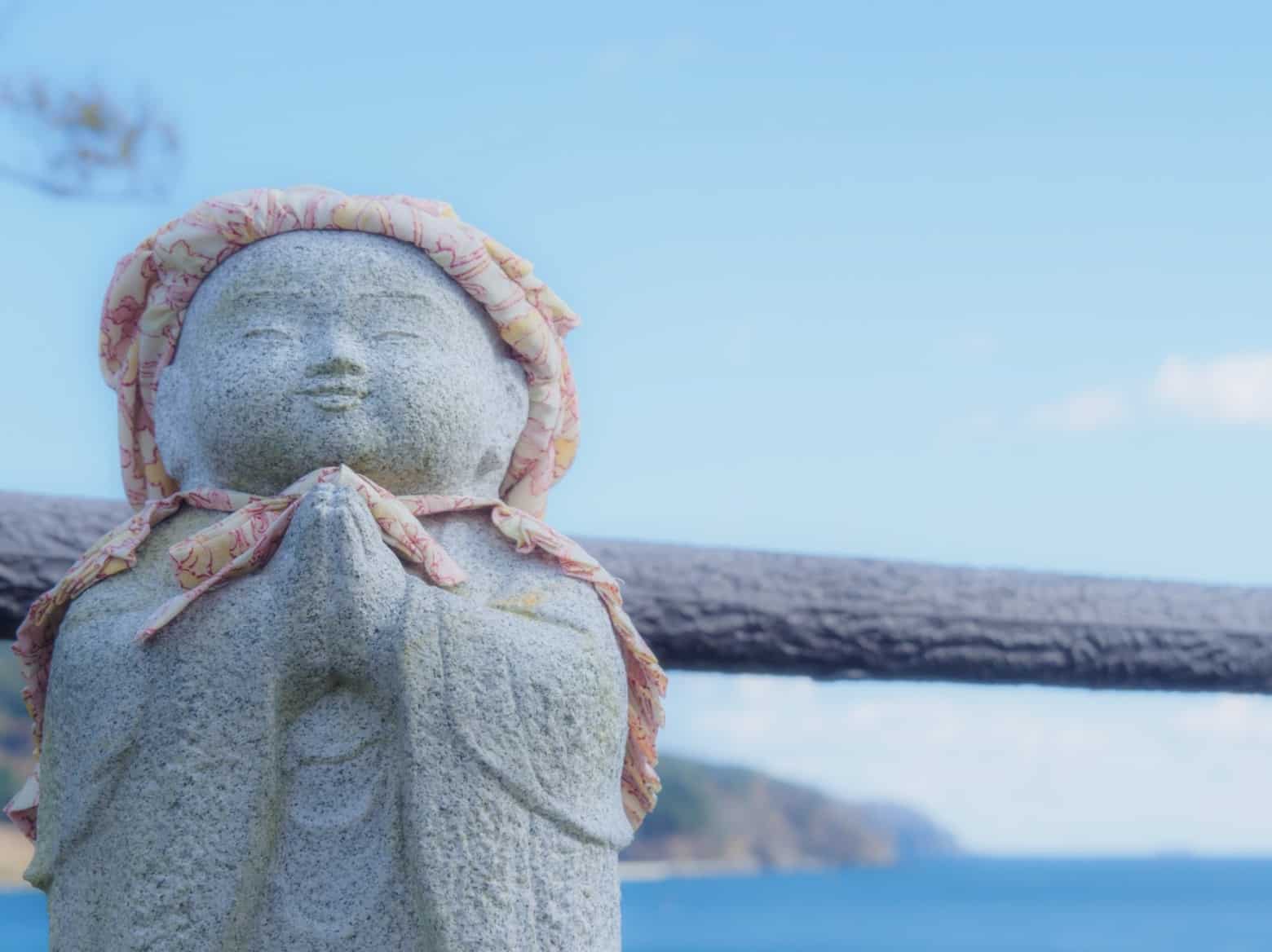
In recent years, the phrase “mindful souls” has come to symbolize people seeking inner peace and authentic connection through mindfulness meditation. Gassho — the simple act of placing hands together in prayer — embodies this journey in the Eastern tradition. This article explores how Gassho bridges Buddhist mindfulness, modern neuroscience, and spiritual mindfulness in daily life.
- Core Insight: Gassho transforms prayer into embodied meditation.
- Buddhist Roots: Ajikan and breath counting reveal mindfulness as awakening beyond self.
- Scientific View: Harvard and Stanford research show measurable effects on stress and empathy.
- Digital Evolution: Gassho app extends shared stillness globally.
- Essence: To be a mindful soul is to bow inward and outward with compassion.
Introduction
Across the modern world, people call themselves “mindful souls.” The phrase carries both a quiet yearning and a spiritual curiosity. To be a mindful soul is not only to seek calm; it is to awaken to something sacred inside — a stillness that connects us to others. In the East, that stillness takes form through one of the simplest gestures: Gassho, the act of joining one’s palms in prayer.
In Japanese Buddhism, Gassho means more than “thank you” or “amen.” It is a recognition — that the same breath moving within you moves through all beings. This is the heartbeat of Buddhist mindfulness: awareness that transcends the small self. In Western mindfulness, attention turns inward; in Gassho, awareness bows both inward and outward, joining gratitude with presence.
The Mindful Soul: A Search for Inner Peace
The idea of “mindful souls” has gained popularity in the West, representing seekers of peace, clarity, and compassion. In psychology, mindfulness is often described as “paying attention, on purpose, in the present moment, without judgment.” Yet beyond this mental training lies a deeper question — who is the one being mindful?
The term “soul” introduces a dimension of reverence. A mindful soul does not escape reality but engages it with tenderness. This resonates with Buddhist teachings of metta (loving-kindness) and karuna (compassion). To cultivate mindfulness is not self-centered introspection; it is the art of living with care for all life.
Mindful.org describes mindfulness as a practice that “sets aside judgment and reawakens our natural curiosity.” In other words, it isn’t about retreating into yourself, but about reopening to the world with a clearer, steadier mind. Seen this way, a mindful soul isn’t a title reserved for monks or spiritual adepts. It’s the way ordinary people live when, even in the rush and noise of daily life, they use a single breath to reconnect — with themselves and with everything around them.
GASSHO
Ask and learn about Buddhism in daily life.
GASSHO is a Buddhist community app where you can learn Buddhist teachings and ask questions to the head priest of Kongosanmaiin Temple on Mount Koya.
Buddhist Mindfulness: Seeing the Heart Clearly
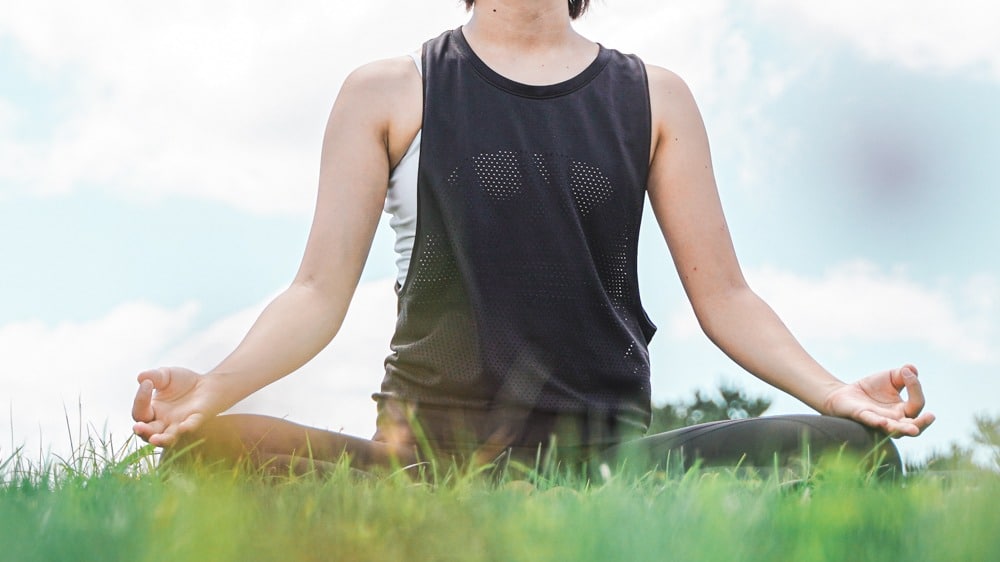
In Buddhist traditions, mindfulness is more than simply “noticing.” A clearer way to put it might be this: it helps you see how your own mental habits shape the world you think you’re seeing. Practices such as susokukan (breath counting) in Zen and Ajikan meditation in Shingon Buddhism begin with something extremely simple — following one breath at a time.
Try focusing on just a single inhale and exhale. The in-breath arrives from the world outside; the out-breath returns from you back into that same world. When you pay close attention, the boundary between “self” and “other” starts to feel less rigid than usual. We tend to assume the two are completely separate, yet the breath quietly contradicts that assumption.
This is one of the central messages of Buddhist mindfulness. Breath awareness isn’t just for relaxation — it’s a way to observe how narrow the “self-frame” can be, and how much wider our perception becomes when that frame loosens.
Think of watching waves on a beach. No two waves ever rise in exactly the same way. Breath follows the same rule: each moment is new, shifting, and impermanent. Understanding this with the body, not only the intellect, is the essence of Buddhist insight.
The American Psychological Association (APA) notes that mindfulness practices support emotional regulation and cognitive flexibility. Buddhist teachings go a step further, suggesting that when self-centered perception softens, the roots of suffering begin to loosen as well.
Gassho offers a practical gateway into this understanding. When you bring your palms together, the gesture naturally carries two intentions at once: a quiet centering of yourself, and a gesture of respect toward everything beyond you. Just as the breath becomes a bridge between inner and outer worlds, Gassho becomes a small reset button — reconnecting awareness with humility, and action with compassion.
Science of Prayer and Stillness
Modern neuroscience is beginning to explain, in scientific terms, what monks once understood through long hours of silence. For example, a Stanford Medicine report shows that just five minutes of “cyclic sighing”—a breathing practice emphasizing a long exhale—can meaningfully reduce feelings of anxiety. Huberman Lab further explains how intentional breathing and meditation influence neural circuits in the prefrontal cortex, the region responsible for attention and emotional regulation. And in the randomized study Brief Structured Respiration Practices Enhance Mood and Reduce Physiological Arousal, researchers found that about five minutes of daily breathing practice improves mood and lowers physiological arousal, including respiration and heart rate.
Meanwhile,research by Mascaro et al. (2013) shows that individuals who engaged in compassion meditation demonstrated increased activity in brain regions associated with empathy—specifically the inferior frontal gyrus and the dorsomedial prefrontal cortex. In other words, practices rooted in compassion and prayer do more than calm the mind; they appear to strengthen the neural circuits that support understanding and connection with others. From this perspective, both prayer and mindfulness meditation share a similar physiological foundation: each quiets the nervous system while opening the brain’s pathways for empathy and emotional attunement.
Far from superstition, Gassho may be understood as a neuro-spiritual alignment — a gesture that harmonizes body, mind, and emotion. Each moment of stillness becomes both biological and sacred, restoring equilibrium in a restless world.
Gassho: When Prayer Takes Form
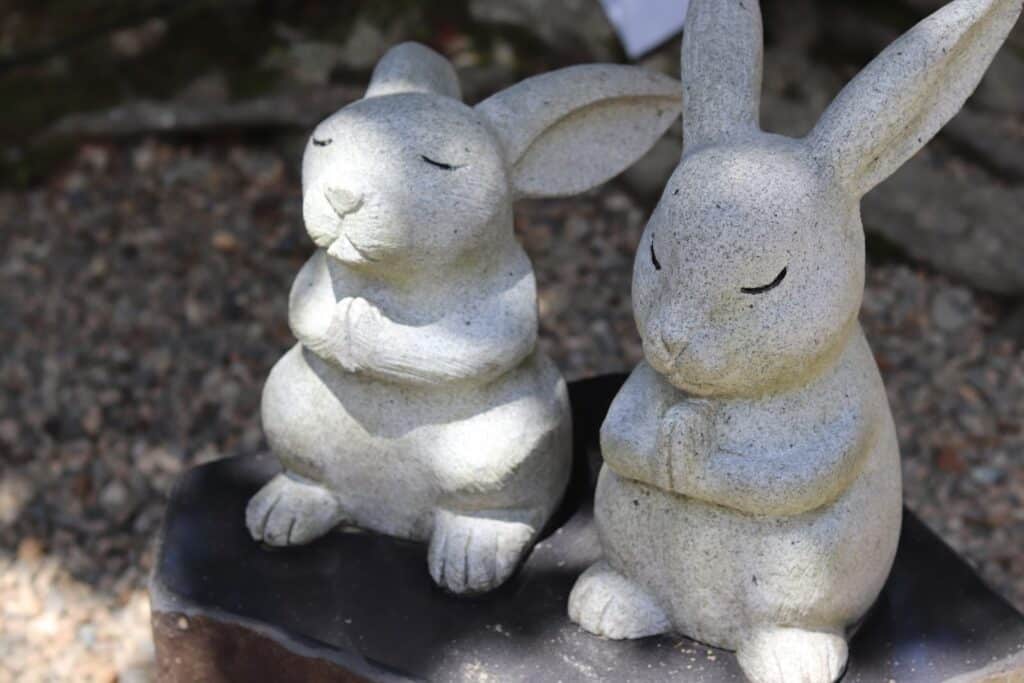
To bring the palms together is to acknowledge connection. In that small gesture, awareness, gratitude, and compassion coexist. Gassho does not require a temple; it can happen in a subway, a meeting, or before sleep.
As a mindful practice, Gassho mirrors what Westerners call “embodied mindfulness” — a physical expression of attention. It turns intangible mindfulness into tangible peace. In Japanese culture, this bow is both personal and universal: a meeting of spirits without words.
In recent years, people have begun turning to digital tools to bring this quiet gesture into everyday life, making it possible to experience Gassho beyond physical settings.
The Gassho app extends this gesture into digital life. Featuring the voices of monks from Kongo Sanmai-in, breathing guides, and natural sounds, it creates a space where mindful souls across the world can share silence. Technology, in this case, does not distract but remembers. It reminds us to pause, breathe, and return.
“In silence, mindful souls meet. Gassho is where peace takes form.”
The Essence of Mindful Souls
To be a mindful soul is to remember the stillness within — not as escape, but as reconnection. Every breath, every bow, every silent prayer is a return to that original peace. Gassho becomes the meeting point of East and West, of spirituality and science, of human and divine.
When you place your hands together, you are not simply praying — you are aligning body and awareness, humbling the ego, and expressing gratitude for existence. The mindful soul is not found elsewhere; it awakens in this gesture, here and now.
Mindfulness meditation teaches presence. Buddhist mindfulness teaches interbeing. Gassho embodies both — a sacred simplicity for the digital age.
Conclusion

Mindfulness began as a scientific curiosity and grew into a global movement. Yet long before research validated its effects, traditions like Gassho had already embodied the truth: peace is not achieved, it is remembered. The act of joining hands — quietly, humbly — becomes a universal language of connection.
In this light, mindful souls are not an exclusive few but all who choose awareness over distraction, compassion over isolation. Gassho is their prayer — a meditation in motion, a bow toward what unites us all.
Ask a Buddhist priest
Have a question about Buddhism?
In the GASSHO app, you can ask questions about Buddhist teachings, daily concerns, and how to understand Buddhism in everyday life.
Frequently Asked Questions
FAQ 1: What does “mindful souls” mean?
Answer: The term “mindful souls” refers to individuals who intentionally cultivate awareness, compassion, and presence in daily life. Unlike casual self-help, being a mindful soul involves observing one’s inner and outer experiences without judgment while responding to life with kindness and equanimity. It is not merely about feeling calm, but about maintaining clarity amid complexity and acting with integrity. Mindful souls understand that mindfulness meditation is both practice and perspective—a way of relating to reality that fosters gratitude, resilience, and connectedness with others.
Real Results: Research from the Harvard Health Publishing shows that mindfulness enhances self-regulation, emotional balance, and interpersonal awareness, empowering people to live with purpose and calm.
Takeaway: Mindful souls turn awareness into compassionate action.
FAQ 2: How is Buddhist mindfulness different from Western mindfulness?
Answer: Buddhist mindfulness emphasizes awakening to impermanence, interdependence, and non-self, whereas Western mindfulness often focuses on stress reduction and attention training. In Buddhist practice, mindfulness is not simply noticing thoughts but understanding their empty and transient nature. The goal is liberation from grasping rather than mere relaxation. Western mindfulness, developed through clinical programs like Mindfulness-Based Stress Reduction (MBSR), translates these ancient insights into evidence-based therapeutic tools. Both share the same core—present-moment awareness—but Buddhist mindfulness places it within an ethical and philosophical framework aimed at compassion and wisdom.
Real Results: The Meditation Research Program at Massachusetts General Hospital describes how Buddhist contemplative theory informs Western mindfulness interventions and cognitive therapy.
Takeaway: Buddhist mindfulness sees through the self; Western mindfulness steadies it.
FAQ 3: What is Gassho in Buddhism?
Answer: Gassho is the traditional gesture of joining both palms together at the chest level. In Buddhist cultures, it symbolizes unity of opposites—self and other, body and mind, action and stillness. The gesture represents humility, gratitude, and connection to all living beings. Practitioners often begin and end meditation or chanting with Gassho, recognizing the sacredness of each moment. It turns prayer into embodied mindfulness, where attention flows through the body rather than thought. In modern mindfulness meditation, similar postures are used to anchor awareness in the present. Gassho thus unites physical gesture with spiritual insight.
Real Results: The Buddhist Churches of America describe Gassho as an ancient Indian gesture adopted across Asia, representing deep respect and unity.
Takeaway: Gassho joins body, breath, and awareness into one act.
FAQ 4: Can Gassho be considered a form of mindfulness meditation?
Answer: Yes. When practiced with awareness, Gassho becomes a powerful mindfulness meditation. By aligning the hands, spine, and breath, it creates a stable focus that calms mental distraction. The act invites stillness and helps practitioners embody gratitude in real time. As attention settles in the body, stress softens and compassion arises naturally. In this sense, Gassho is both symbolic and functional—it integrates posture, intention, and awareness into a single meditative gesture. Anyone can practice it regardless of belief, making it a bridge between ritual and neuroscience-based mindfulness.
Real Results: Zen sources such as Hyannis Zendo note that Gassho “prevents scattering of the mind and unifies all polarities.”
Takeaway: In still hands, the wandering mind rests.
FAQ 5: What does neuroscience say about mindfulness and the brain?
Answer: Neuroscience shows that mindfulness meditation alters brain activity in regions linked to focus, emotion, and empathy. Regular practice increases gray matter density in the hippocampus and reduces amygdala reactivity, promoting calm and clarity. These findings align with ancient claims that meditation cultivates equanimity and insight. The prefrontal cortex—the seat of self-awareness and decision-making—becomes more active, improving emotional regulation. Whether in sitting meditation or gestures like Gassho, mindfulness activates neuroplastic changes that strengthen attention networks and decrease stress hormones, demonstrating a tangible connection between contemplative stillness and biological transformation.
Real Results: Harvard Health and Stanford Medicine confirm that mindfulness meditation reduces stress and rewires the brain’s response to negative stimuli.
Takeaway: The brain, like the heart, grows calm through awareness.
FAQ 6: Is Gassho religious or secular?
Answer: While Gassho has Buddhist roots, its meaning transcends religion. The gesture communicates respect and gratitude—values shared across all cultures. Practiced with mindfulness, it becomes a universal symbol of peace. In modern settings, Gassho can be purely secular, used before meetings, meditation, or moments of reflection to foster calm connection. It bridges ancient spirituality and contemporary well-being, allowing people of any faith (or none) to participate. The essence lies not in dogma but in the attitude of awareness and reverence that the gesture cultivates.
Real Results: Gassho.info notes that the practice is “timeless and accessible,” adaptable for daily mindfulness without religious obligation.
Takeaway: The sacred begins where awareness meets gratitude.
FAQ 7: How long do mindful practices need to be to show benefit?
Answer: Mindfulness research demonstrates that even short sessions—one to ten minutes daily—can yield measurable benefits in stress reduction and cognitive clarity. The key is consistency rather than duration. Neuroscientists such as Andrew Huberman at Stanford University report that brief daily practice stabilizes the autonomic nervous system and enhances focus. Over time, these small rituals accumulate into significant changes in emotional balance. Whether sitting quietly, breathing consciously, or practicing Gassho, the act of pausing regularly retrains the mind toward calm awareness.
Real Results: Stanford Medicine’s Huberman Lab confirms that brief, consistent mindfulness practice improves stress resilience and attention regulation.
Takeaway: Minutes of silence build hours of clarity.
FAQ 8: Does compassion meditation really enhance interpersonal connection?
Answer: Compassion meditation—also known as loving-kindness practice—has been shown to increase empathy, prosocial behavior, and positive affect. By repeatedly focusing on the wish for all beings to be happy, practitioners shift neural patterns related to care and reward. Compassion practice complements mindfulness meditation by expanding awareness beyond self-interest. When performed with sincerity, it softens judgment and strengthens emotional intelligence. This practice aligns with Buddhist teachings of metta (loving-kindness) and karuna (compassion), both of which also resonate with the idea of being a mindful soul in action.
Real Results: Harvard Health summarizes studies showing that compassion training increases activity in brain areas linked to empathy and emotional regulation.
Takeaway: Kindness is mindfulness extended outward.
FAQ 9: Can technology (apps) support meaningful mindfulness?
Answer: When used intentionally, technology can facilitate mindfulness rather than hinder it. Apps designed for meditation provide structure, reminders, and guided sessions that make practice more accessible. The challenge lies in using devices mindfully—transforming them from sources of distraction into tools for reflection. Recent systematic reviews indicate that mindfulness-based mobile apps can enhance psychological processes of change, including increased awareness and coping ability. This suggests that digital tools, when paired with mindful intention and consistent use, can support the journey of mindful souls in modern life.
Real Results: A systematic review published in npj Mental Health found that smartphone apps facilitating mindfulness practice can effectively support psychological processes of change.
Takeaway: Technology becomes supportive when intention leads it.
FAQ 10: How is Gassho practiced in the modern context?
Answer: In modern mindfulness, Gassho can be practiced as a daily pause of gratitude and alignment. Begin by joining your palms at heart level, allowing the shoulders to relax. Breathe slowly through the nose, feeling warmth between the palms. Focus on the rhythm of your breath and silently offer gratitude—to life, to others, to awareness itself. Remain still for a few breaths before gently separating the hands. This mindful bow restores balance and invites reflection. Through repetition, the gesture conditions the body to enter calm awareness quickly, making mindfulness accessible anytime.
Real Results: Guides on Gassho meditation describe this sequence of posture, breath, and gratitude as a gateway to embodied mindfulness.
Takeaway: A simple bow renews the entire mind.
FAQ 11: What emotions or states may arise during or after Gassho?
Answer: Practicing Gassho can evoke a spectrum of subtle states—gratitude, humility, tenderness, calm focus, and sometimes a sense of release that feels like quiet relief. As palms meet and breathing slows, the autonomic nervous system shifts toward parasympathetic dominance, reducing physiological arousal and allowing emotions to be noticed without suppression. With repetition, this embodied cue conditions a faster return to baseline after stressors and builds emotional granularity—the capacity to label and work with feelings precisely. Many practitioners report that Gassho reframes agitation into openness and sharp rumination into spacious clarity, turning a brief gesture into reliable emotional regulation in daily contexts.
Real Results: An8-week mindfulness-based intervention in bereaved adults significantly improved emotion regulation and executive control (Frontiers in Human Neuroscience).
Takeaway: Emotion flows freely when awareness holds it gently.
FAQ 12: Are mindfulness and prayer compatible?
Answer: Yes—mindfulness and prayer can beautifully complement one another. Mindfulness cultivates awareness of the present moment, while prayer focuses that awareness toward gratitude, reverence, or connection with something greater. When practiced together, prayer gains depth and mindfulness gains warmth. In Buddhism, gestures like Gassho unite these paths: still attention meets heartfelt devotion. This integration helps practitioners experience spirituality without dogma—anchoring reverence in the immediacy of breath and awareness. Thus, mindfulness does not replace faith; it refines it into clear presence.
Real Results: TheObcon newsletter notes that Gassho “brings together opposites—discovering unity,” a principle that mirrors how mindfulness merges awareness with prayer.
Takeaway: Mindfulness listens; prayer answers with grace.
FAQ 13: Is Buddhist mindfulness about denying the self?
Answer: Buddhist mindfulness does not reject the self but questions its solidity. The practice reveals that the “self” is a collection of changing sensations, thoughts, and perceptions rather than a fixed entity. This insight, known as “anatta” (non-self), liberates practitioners from rigid identity and attachment. Far from nihilistic, it opens space for compassion—realizing that all beings share the same impermanent flow. Recognizing this truth dissolves loneliness and fosters deep empathy. Thus, selflessness in Buddhism is not self-negation but interconnected awareness.
Real Results: The Meditation Research Program (Harvard-affiliated) explains that insight meditation transforms personal identity through self-transcendence and emotional integration.
Takeaway: To lose self is to find belonging.
FAQ 14: How can beginners start a mindfulness or Gassho practice?
Answer: Begin simply. Choose a quiet moment—morning or before sleep. Sit or stand comfortably, close the eyes, and bring the palms together. Feel your breath slow, and notice sensations between the hands. Do this for one minute, extending gradually. Use a timer or a mindfulness app to guide you. The goal is not perfection but continuity; one mindful minute daily reshapes awareness more than occasional intensity. Beginners should cultivate gentleness, treating each lapse as part of practice. Over weeks, the habit becomes natural—a calm anchor amid daily motion.
Real Results: An article from Harvard Health indicates that mindfulness practices as brief as 15 minutes a day can yield measurable benefits in stress reduction and mental clarity.
Takeaway: One mindful breath begins the journey home.
FAQ 15: Is breathing meditation part of Buddhist mindfulness?
Answer: Yes. Breath awareness—known as “anapanasati”—is central across Buddhist traditions, from Zen’s breath counting (susokukan) to Shingon’s Ajikan visualization. Breathing anchors the mind in the body and mirrors impermanence through each inhale and exhale. Scientific studies confirm that slow, mindful breathing regulates heart rate variability and reduces anxiety. When paired with gestures like Gassho, the breath becomes a living mantra—linking body, mind, and spirit in rhythm. Practicing mindful breathing daily cultivates steadiness amid change.
Real Results: Frontiers in Human Neuroscience found that focused breathing meditation reduces physiological markers of stress and strengthens attention networks.
Takeaway: Every breath is both a beginning and a letting go.
FAQ 16: Can mindfulness replace religion?
Answer: No. Mindfulness is a practice of awareness, not a belief system. It can enhance spiritual life but does not replace faith, ritual, or community. While secular mindfulness is valuable in healthcare and psychology, its roots remain contemplative. Religion often offers moral frameworks and meaning; mindfulness offers clarity within them. Many people integrate both, using mindfulness to deepen prayer or ethical awareness. The strength of mindfulness lies in its universality—it welcomes diverse beliefs by focusing on direct experience.
Real Results: Harvard Health defines mindfulness as a non-dogmatic, evidence-based approach adaptable to any worldview or tradition.
Takeaway: Mindfulness clarifies belief; it does not dictate it.
FAQ 17: What does “spiritual mindfulness” mean?
Answer: Spiritual mindfulness extends awareness beyond personal well-being to encompass reverence, purpose, and a sense of interconnected sacredness. It involves perceiving daily life as part of a larger continuum, where awareness itself becomes devotion. This perspective blends contemplative attention with humility and gratitude. While traditional mindfulness sharpens focus, spiritual mindfulness softens the heart—turning observation into communion. It reminds practitioners that every breath, sound, and gesture can be an expression of the sacred.
Real Results: Research from Massachusetts General Hospital shows that advanced meditation fosters transcendent states and meaningful purpose through altered self-perception.
Takeaway: When awareness meets reverence, mindfulness becomes spiritual.
FAQ 18: Does mindfulness help with anxiety?
Answer: Yes—multiple meta-analyses confirm that mindfulness meditation effectively reduces anxiety symptoms, stabilizes mood, and lowers cortisol levels. By training the mind to observe thoughts without identification, mindfulness interrupts the stress cycle. The prefrontal cortex gains control over the amygdala, lessening emotional reactivity. Regular practice fosters acceptance, enabling the nervous system to reset from chronic alertness. Whether through sitting meditation or simple gestures like Gassho, mindful breathing creates physiological calm that translates into emotional peace.
Real Results: Harvard Health summarizes clinical trials showing mindfulness reduces anxiety and stress by altering brain connectivity.
Takeaway: Awareness is the antidote to anxiety.
FAQ 19: How does Gassho foster compassion and connection?
Answer: Gassho embodies respect and empathy in physical form. When hands meet, gentle pressure at the heart center activates parasympathetic calm and releases oxytocin, the neurochemical of bonding. Each slow breath deepens this embodied awareness, dissolving the illusion of separation. Over time, practitioners internalize Gassho’s meaning: every being is worthy of acknowledgment. The practice translates abstract compassion into a tangible habit, reminding mindful souls that connection is cultivated not by words but by presence. Both Buddhist psychology and neuroscience agree that intentional synchrony—breath, posture, or rhythm—enhances emotional resonance and cooperation.
Real Results: A review in Frontiers in Psychology (2021), “Interpersonal Synchrony in the Context of Social Interaction: A Review of Hyperscanning and Bio-behavioural Coordination,” reports that synchronized gestures and rhythms strengthen empathy and social bonds.
Takeaway: Two hands joined can unite many hearts.
FAQ 20: What is the ultimate purpose of becoming a “mindful soul”?
Answer: The aim of a mindful soul is to live fully awake—to act, speak, and think from awareness rather than habit. It is a lifelong cultivation of clarity and compassion that transforms perception and behavior. Instead of reacting impulsively, the mindful soul responds consciously, creating harmony within relationships and society. This path is not about escape but engagement—seeing sacredness in the ordinary. The practice of mindfulness meditation and gestures like Gassho reveals peace as an inner quality, not an external goal. Ultimately, the mindful soul embodies love through presence.
Real Results: Long-term meditation research shows sustained improvements in well-being, emotional stability, and sense of meaning among practitioners.
Takeaway: Peace practiced within becomes peace shared without.
FAQ 21: Can anyone call themselves a mindful soul?
Answer: Yes. A mindful soul is not a title, certification, or religious status—it is simply the attitude of choosing awareness in daily life. Slowing the breath, responding rather than reacting, treating oneself and others with care—anyone who intentionally cultivates these qualities can be considered a mindful soul. It isn’t a label reserved for spiritual practitioners; each moment of grounding, such as a quiet Gassho, naturally shapes this way of being.
Real Results: Mindful.org describes mindfulness as a “universal and accessible practice that anyone can begin immediately,” highlighting that mindfulness skills are open to people from all backgrounds and experiences.
Takeaway: A mindful soul isn’t achieved—it is chosen in each moment.
FAQ 22: Is a mindful soul a personal identity, or is it meant to be shared with others?
Answer: A mindful soul begins as an inner orientation, but its effects naturally extend into relationships and community. You don’t need to announce it or use it as a group label. Yet the act of breathing calmly, choosing compassion, and centering through gestures like Gassho quietly influences how you relate to others. In this sense, a mindful soul is both a personal recognition and a quality that becomes shared through presence.
Real Results: The Meditation Research Program at Massachusetts General Hospital reports that meditation practice can transform not only one’s internal self-perception but also emotional connectedness and communication with others.
Takeaway: A mindful soul starts within and grows through connection.
Related Articles
- Harvard Health – Can mindfulness change your brain?
Summarizes neuroscientific findings showing how regular mindfulness meditation leads to measurable changes in brain regions related to emotion and focus. - American Psychological Association – The Science of Mindfulness
Explains how mindfulness meditation reduces stress and supports emotional regulation, attention, and well-being in both clinical and everyday settings. - Mindful.org – 5 Mindful Habits for Living Each Day to the Fullest
Presents actionable habits and shifts for integrating awareness into everyday life, supported by contemporary mindfulness research. - 5-Minute Mindfulness Meditation with Gassho: A Simple Guide
Breathe with awareness and listen to the sound. A small moment of meditation to restore inner calm—right from your smartphone. - What Is Gassho? The Meaning and Practice of a Timeless Gesture
An article that explores the historical origins of Gassho, its symbolic meaning within Japanese culture, and practical ways to integrate the gesture into everyday life.