



Fear by Thich Nhat Hanh: A Guide to the Book and Its Practices
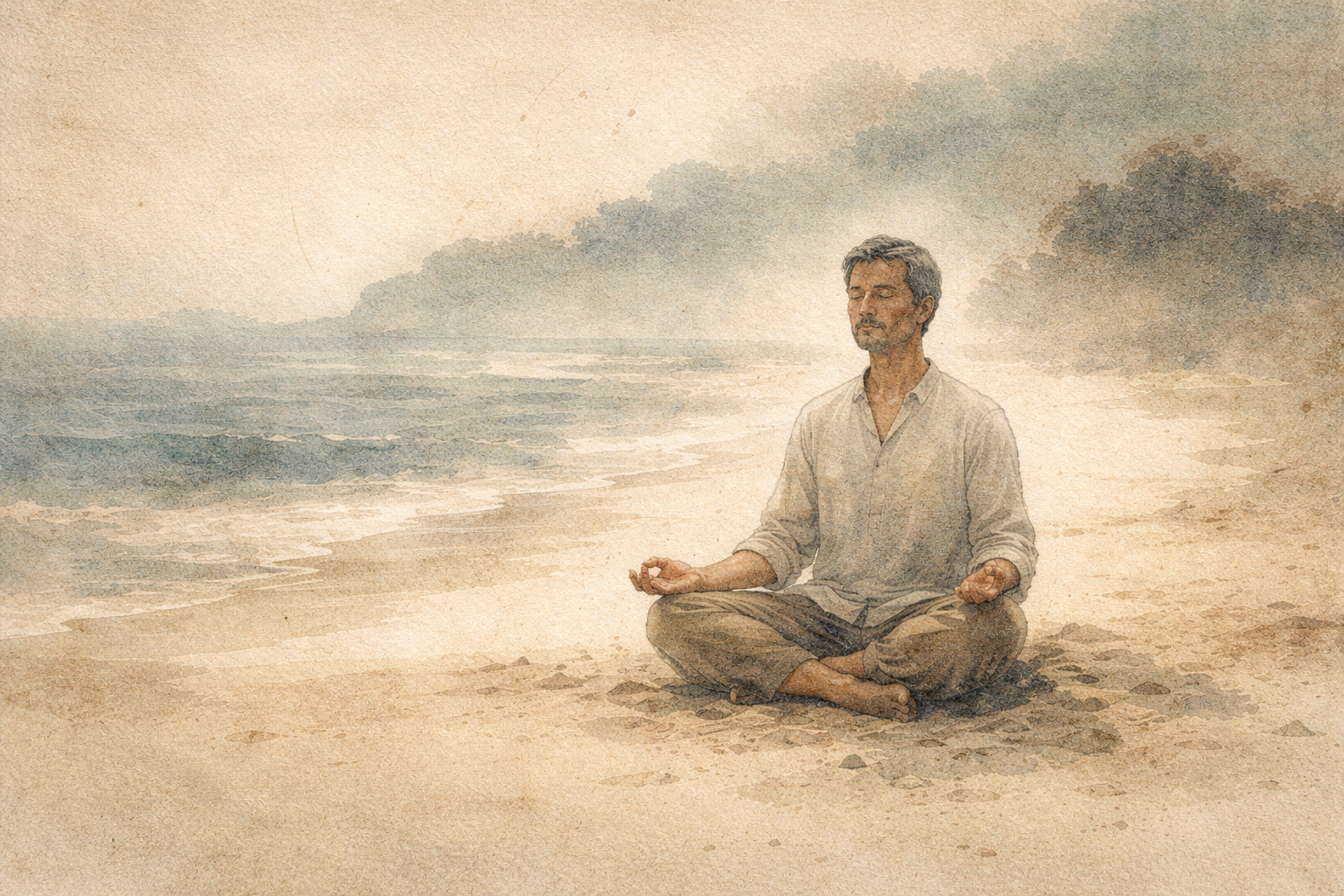
Quick Summary
- Fear by Thich Nhat Hanh treats fear as a workable experience, not a personal failure.
- The book’s core move is simple: come back to the body and breath to stop feeding fear with stories.
- It emphasizes recognizing fear early—before it becomes panic, anger, or shutdown.
- Key practices include mindful breathing, naming what’s happening, and gentle self-compassion.
- Rather than “getting rid of fear,” the approach is to hold it with steadiness and clarity.
- The teachings translate well to everyday triggers: work pressure, health worries, conflict, and uncertainty.
- Used consistently, the practices help you respond with more choice—even when fear still shows up.
Introduction
If you picked up Fear by Thich Nhat Hanh and felt both comforted and slightly frustrated, you’re not alone: the ideas sound gentle, but your fear can feel loud, physical, and urgent—like it doesn’t care about calm words. The point of the book isn’t to talk you out of fear; it’s to show you how to stop being pushed around by it, moment by moment, using practices that are plain enough to try on a bad day. At Gassho, we focus on practical Zen-informed habits you can actually use in ordinary life.
Fear is often recommended because it doesn’t demand that you become fearless; it invites you to become present. That difference matters. When you try to “eliminate” fear, you usually end up fighting your own nervous system, which adds tension on top of tension. The book’s tone is more like: “Yes, fear is here—now let’s take care of it.”
This guide walks through the book’s central lens and then translates it into lived experience: what to do when fear shows up in your chest, your thoughts, your sleep, your relationships, or your decision-making. You’ll also see common misunderstandings that can make the practices feel ineffective, even when you’re trying sincerely.
The Book’s Central Lens: Fear as Energy You Can Hold
In Fear, Thich Nhat Hanh treats fear less like an enemy and more like a form of energy in the body-mind. The shift is subtle but powerful: instead of asking, “How do I stop feeling this?” you ask, “Can I be with this without adding more fuel?” That reframes fear from a verdict about your life into an experience that can be met.
The core practice is returning to direct experience—breath, posture, sensations—because fear often grows when attention gets trapped in mental images of the future. The mind runs simulations: what might happen, what could go wrong, what you won’t be able to handle. The book’s lens is not “thinking is bad,” but “thinking is not always helpful when the body is already alarmed.”
From this perspective, mindfulness is a kind of steady companionship. You notice fear without immediately obeying it. You acknowledge it without dramatizing it. You give it space without letting it take the wheel. The aim is not to become numb; it’s to become intimate with what’s happening so you can respond wisely.
Another key idea is tenderness toward yourself. Fear can carry shame (“I shouldn’t be like this”), and shame makes fear more isolating. The book repeatedly points toward a gentler inner posture: recognizing fear as something that visits human beings, and meeting it with care rather than self-criticism.
GASSHO
Ask and learn about Buddhism in daily life.
GASSHO is a Buddhist community app where you can learn Buddhist teachings and ask questions to the head priest of Kongosanmaiin Temple on Mount Koya.
What the Practices Feel Like in Real Life
Fear rarely arrives as a philosophical question. It arrives as a tight throat while reading an email, a racing mind at 2 a.m., a sudden urge to check your phone again, or a wave of dread before a conversation. In those moments, the book’s practices are less about “insight” and more about interrupting the spiral.
A common first step is simply naming what’s present: “Fear is here.” Not “I am afraid” as an identity, but “fear is here” as a condition. This small change can create a little room between awareness and the feeling. Room doesn’t remove fear; it reduces the sense of being swallowed by it.
Then comes the body. You may notice the exact location of fear: pressure behind the ribs, heat in the face, buzzing in the arms, a hollow feeling in the stomach. The practice is to stay close to sensation without turning it into a story. When the mind says, “This means something terrible,” you gently return to “tightness, pulsing, warmth.”
Breathing is used as an anchor, not a magic trick. You’re not trying to force calm; you’re giving the nervous system a steady rhythm to touch. A simple pattern is: breathing in, you know you are breathing in; breathing out, you know you are breathing out. It can feel almost too basic—until you notice that fear thrives on leaving the present moment.
As attention steadies, you may see how fear recruits behaviors: over-explaining, people-pleasing, procrastinating, controlling, withdrawing, snapping, scrolling, or planning obsessively. The book’s approach is to notice the urge without immediately acting it out. Even a three-second pause can change the next ten minutes.
Another lived aspect is how fear blends with other emotions. Sometimes what you call “anger” is fear of being disrespected. Sometimes what you call “numbness” is fear of feeling too much. The practice is observational: “What is actually here right now?” That question can soften the reflex to blame yourself or someone else.
Over time, you may notice fear has predictable entry points: certain times of day, certain topics, certain people, certain bodily states (hunger, fatigue, caffeine). The book’s practices help you catch fear earlier—when it’s still workable—so you’re not only dealing with the aftermath.
Common Misreadings That Make the Book Harder Than It Is
One misunderstanding is assuming the goal is to “stop fear forever.” If you measure success that way, you’ll feel like you’re failing whenever fear returns. The book points to a different metric: can you recognize fear sooner, relate to it more kindly, and choose your next action with a bit more clarity?
Another misreading is using mindful breathing as a way to suppress. If the hidden agenda is “go away, go away,” the body often tenses and fear can intensify. The practice works better when it’s honest: “You’re here, and I’m here with you.” That’s not resignation; it’s stability.
Some readers also expect immediate relief. Sometimes you do feel calmer quickly; other times you simply become more aware of how much fear was already present. That increased clarity can feel uncomfortable at first, but it’s not a step backward—it’s seeing what’s true.
Finally, it’s easy to turn the teachings into self-judgment: “If I were mindful, I wouldn’t be anxious.” That’s the opposite of the book’s spirit. Mindfulness isn’t a badge; it’s a way of meeting what’s here without adding cruelty.
Why These Teachings Help Outside the Meditation Context
Fear affects decisions. It can make you rush, freeze, or avoid. It can make small problems feel like emergencies and real emergencies feel impossible. The practical value of Fear is that it trains a different relationship to urgency: you learn to pause long enough to see what’s actually needed.
In relationships, fear often hides behind defensiveness. You might argue to protect yourself, withdraw to avoid conflict, or over-function to prevent disappointment. The book’s practices—recognizing fear, returning to the body, softening the inner stance—can reduce the automatic reactions that create distance.
At work, fear shows up as perfectionism, imposter feelings, or constant comparison. The teachings don’t ask you to lower standards; they help you notice when fear is driving the bus. When you can feel fear without obeying it, you can still prepare, speak up, and take risks—just with less self-violence.
Even in ordinary stress—news cycles, health concerns, financial uncertainty—the book offers a grounded alternative to doom-scrolling and mental rehearsing. You can acknowledge what’s real, take practical steps, and still keep returning to the present moment where your life is actually happening.
Conclusion
Fear by Thich Nhat Hanh is most useful when you treat it like a set of small experiments rather than a set of ideals. Fear may still arise, but you can learn to recognize it earlier, hold it more gently, and act with more choice. If you take only one practice from the book, let it be this: when fear appears, return to the breath and the body, and stop arguing with the moment long enough to care for what’s here.
Ask a Buddhist priest
Have a question about Buddhism?
In the GASSHO app, you can ask questions about Buddhist teachings, daily concerns, and how to understand Buddhism in everyday life.
GASSHO is an app for exploring Buddhism in everyday life.
Learn more about Buddhist deities.


Frequently Asked Questions
- FAQ 1: What is “Fear” by Thich Nhat Hanh about?
- FAQ 2: Is “fear thich nhat hanh” referring to a specific book title?
- FAQ 3: What practice does Thich Nhat Hanh recommend first when fear arises?
- FAQ 4: Does “Fear” by Thich Nhat Hanh try to eliminate fear?
- FAQ 5: How does Thich Nhat Hanh suggest working with fearful thoughts?
- FAQ 6: What does “fear is here” mean in Thich Nhat Hanh’s teaching?
- FAQ 7: Is “Fear” by Thich Nhat Hanh helpful for anxiety?
- FAQ 8: What is the role of compassion in “Fear” by Thich Nhat Hanh?
- FAQ 9: Does Thich Nhat Hanh connect fear with the body in the book “Fear”?
- FAQ 10: How long should I practice the exercises from “Fear” by Thich Nhat Hanh?
- FAQ 11: What if mindful breathing doesn’t calm my fear right away?
- FAQ 12: Is “Fear” by Thich Nhat Hanh religious, or can anyone use it?
- FAQ 13: What is a simple daily-life exercise inspired by “Fear” by Thich Nhat Hanh?
- FAQ 14: What does Thich Nhat Hanh say about fear of the future in “Fear”?
- FAQ 15: What’s the best way to read “Fear” by Thich Nhat Hanh for practical results?
FAQ 1: What is “Fear” by Thich Nhat Hanh about?
Answer: Fear by Thich Nhat Hanh is about learning to recognize fear in the body and mind, then meeting it with mindful awareness rather than suppression or panic. It emphasizes simple practices—especially mindful breathing and present-moment attention—to reduce the momentum of fearful thinking.
Takeaway: The book teaches a workable relationship with fear, not a promise of never feeling it.
FAQ 2: Is “fear thich nhat hanh” referring to a specific book title?
Answer: Yes. “Fear Thich Nhat Hanh” commonly refers to the book titled Fear written by Thich Nhat Hanh, which offers reflections and practical exercises for working with fear and anxiety through mindfulness.
Takeaway: The keyword usually points to Thich Nhat Hanh’s book Fear and its practices.
FAQ 3: What practice does Thich Nhat Hanh recommend first when fear arises?
Answer: A foundational first step in Fear is to return to mindful breathing and acknowledge what is present—silently noting something like “fear is here” while staying with the in-breath and out-breath. This helps interrupt the habit of immediately spinning stories about the future.
Takeaway: Start with breath and recognition—before analysis or problem-solving.
FAQ 4: Does “Fear” by Thich Nhat Hanh try to eliminate fear?
Answer: No. The approach in Fear is not about erasing fear, but about holding it with awareness so it doesn’t control your speech, choices, or behavior. Fear is treated as a human experience that can be met with steadiness and care.
Takeaway: The goal is freedom in the presence of fear, not a fear-free life.
FAQ 5: How does Thich Nhat Hanh suggest working with fearful thoughts?
Answer: In Fear, fearful thoughts are approached by noticing them as thoughts (not facts), then returning attention to the body and breath. Rather than arguing with the mind, you practice recognizing the thought-stream and not feeding it with more mental rehearsal.
Takeaway: Notice thoughts, come back to the body, and reduce “story fuel.”
FAQ 6: What does “fear is here” mean in Thich Nhat Hanh’s teaching?
Answer: “Fear is here” is a way of acknowledging fear as a present experience rather than an identity. It points to observing fear as something arising in awareness, which can create a small but meaningful distance between you and the emotion.
Takeaway: Naming fear as an experience can reduce the feeling of being consumed by it.
FAQ 7: Is “Fear” by Thich Nhat Hanh helpful for anxiety?
Answer: Many readers find Fear helpful for anxiety because it offers concrete mindfulness practices for calming reactivity and relating differently to anxious thinking. That said, it’s not a substitute for professional care when anxiety is severe or debilitating.
Takeaway: The book can support anxiety management, especially as a daily practice companion.
FAQ 8: What is the role of compassion in “Fear” by Thich Nhat Hanh?
Answer: Compassion is central: fear often comes with shame or self-criticism, and the book encourages meeting fear with gentleness rather than inner aggression. This compassionate stance makes it easier to stay present with discomfort without escalating it.
Takeaway: Fear becomes more workable when you stop treating yourself as the problem.
FAQ 9: Does Thich Nhat Hanh connect fear with the body in the book “Fear”?
Answer: Yes. Fear repeatedly points back to the body—tightness, heat, restlessness, shallow breathing—because fear is not only an idea; it’s a physiological experience. By staying with bodily sensations, you can reduce the tendency to get lost in catastrophic thinking.
Takeaway: Working with fear often starts by feeling it directly, safely, in the body.
FAQ 10: How long should I practice the exercises from “Fear” by Thich Nhat Hanh?
Answer: The book’s practices can be done in short periods—often a few mindful breaths at a time—especially when fear is active. Consistency matters more than duration; brief, repeated returns to the breath can be more realistic than long sessions you avoid.
Takeaway: Small, frequent practices are aligned with the spirit of Fear.
FAQ 11: What if mindful breathing doesn’t calm my fear right away?
Answer: In Fear, mindful breathing isn’t presented as an instant tranquilizer. Sometimes it calms you; other times it helps you stay present without escalating. If you’re breathing with the hidden goal of forcing fear away, the body may resist; try shifting toward simple companionship with what’s here.
Takeaway: The practice is about staying with fear wisely, not guaranteeing immediate relief.
FAQ 12: Is “Fear” by Thich Nhat Hanh religious, or can anyone use it?
Answer: While Thich Nhat Hanh writes from a Buddhist background, Fear is largely practical and accessible to people of many beliefs. The emphasis is on mindfulness, awareness, and compassion—skills that can be applied without adopting a new religion.
Takeaway: You can use the practices as human skills, regardless of your worldview.
FAQ 13: What is a simple daily-life exercise inspired by “Fear” by Thich Nhat Hanh?
Answer: A simple exercise is to pause during routine moments (opening your laptop, washing hands, waiting in line) and take three conscious breaths while noticing any fear or tension in the body. If fear is present, acknowledge it gently and return to the sensation of breathing.
Takeaway: Ordinary pauses can become reliable “reset points” for fear.
FAQ 14: What does Thich Nhat Hanh say about fear of the future in “Fear”?
Answer: Fear emphasizes that much fear is fueled by future-focused thinking—mental images and predictions that feel real in the body. The practice is to come back to what is actually happening now (breath, steps, sensations) and respond to what’s real rather than what’s imagined.
Takeaway: Returning to the present reduces the “future movie” that intensifies fear.
FAQ 15: What’s the best way to read “Fear” by Thich Nhat Hanh for practical results?
Answer: Read slowly and practice immediately: choose one short exercise (like mindful breathing with the phrase “fear is here”) and apply it the same day, especially during mild stress. Treat the book as a practice manual rather than something to finish quickly.
Takeaway: The value of Fear comes from repetition in real moments, not just understanding the ideas.