



What Buddhism Means by Inner Healing
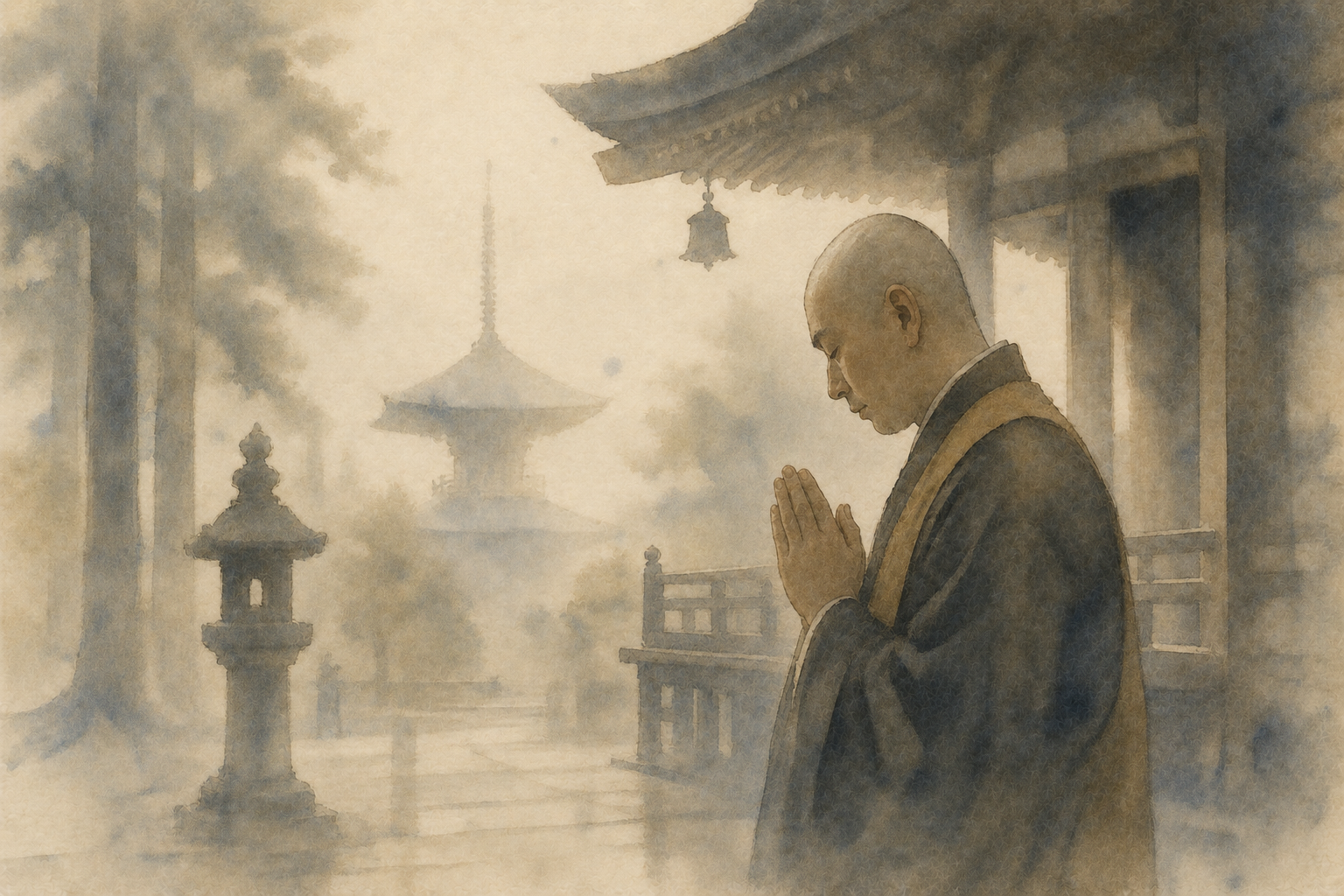
“Inner healing” can sound like you’re supposed to find a hidden, perfect version of yourself and finally feel good all the time—but Buddhism points in a different direction: the real issue is the mind’s repetitive ways of clinging, resisting, and narrating pain into a personal crisis. Gassho is a Zen/Buddhism site focused on clear, practice-oriented explanations grounded in lived experience.
If you’re trying to understand what Buddhism means by inner healing, it helps to drop the idea that healing is a one-time event or a personality upgrade. In Buddhist terms, healing is closer to “unlearning”: seeing what fuels suffering in the moment, and loosening your participation in it—gently, repeatedly, and realistically.
Inner Healing as a Change in Relationship to Suffering
From a Buddhist lens, inner healing isn’t defined by having no pain; it’s defined by having less unnecessary suffering layered on top of pain. Pain can be physical discomfort, grief, disappointment, anxiety, or the sting of rejection. Suffering grows when the mind adds extra burdens: “This shouldn’t be happening,” “I can’t handle this,” “This means something is wrong with me,” or “I must get rid of this immediately.”
So inner healing means learning to recognize the patterns that intensify distress—grasping for control, pushing away experience, replaying stories, blaming yourself or others, and chasing relief that doesn’t actually relieve. The emphasis is not on judging these patterns as “bad,” but on seeing them clearly enough that they begin to loosen.
This view treats the mind as something conditioned: reactions arise due to habits, stress, past learning, and current circumstances. That’s good news, because what is conditioned can be influenced. Inner healing becomes a practical inquiry: what conditions lead to contraction and reactivity, and what conditions support steadiness, clarity, and care?
Most importantly, this is presented as a way of looking at experience rather than a belief you must adopt. You can test it in real time: when you stop feeding a spiral with more thinking, more blame, or more avoidance, does the suffering shift? When you meet a feeling with attention and kindness, does it change your next choice?
GASSHO
Ask and learn about Buddhism in daily life.
GASSHO is a Buddhist community app where you can learn Buddhist teachings and ask questions to the head priest of Kongosanmaiin Temple on Mount Koya.
What Inner Healing Looks Like in Ordinary Moments
Imagine you receive a short message that feels cold. The first wave might be a tight chest, a rush of heat, or a sinking feeling. Inner healing begins right there—not by forcing calm, but by noticing the body’s signal and admitting, “Something in me is reacting.” That simple honesty interrupts the automatic move to defend, attack, or collapse.
Next comes the mind’s story-making: “They don’t respect me,” “I always get treated like this,” “I said something wrong.” Buddhism doesn’t ask you to pretend these thoughts aren’t happening. It asks you to see them as thoughts—events in the mind—rather than immediate facts that must be obeyed. When thoughts are seen clearly, they lose some of their authority.
Then there’s the urge to act: send a sharp reply, withdraw, over-explain, or scroll for distraction. Inner healing shows up as a small pause where you can feel the urge without instantly turning it into behavior. You might still respond, but the response can be cleaner—less fueled by panic, less designed to win, less designed to punish.
In a different situation, you might notice a familiar self-criticism after making a mistake. The mind goes straight to identity: “I’m incompetent.” Inner healing here is not positive thinking. It’s recognizing the move from “a mistake happened” to “I am a mistake,” and choosing not to cement that conclusion. The mistake can be addressed without turning it into a verdict on your worth.
Sometimes inner healing is simply staying with a feeling long enough to learn its texture. Anxiety might be buzzing energy and fast images. Sadness might be heaviness and a desire to hide. When you stop treating the feeling as an enemy, you may notice it changes on its own—intensifying, fading, returning—like weather. That observation can reduce fear of the feeling itself.
It also appears in how you speak and listen. You may catch the impulse to exaggerate, to prove yourself, or to control the conversation. You might notice how often you’re not actually hearing the other person because you’re rehearsing your defense. Inner healing can look like one honest breath and a return to listening—still imperfect, but more present.
Over time, the most noticeable change is often recovery time. The same triggers may still happen, but the spiral is shorter. You recognize the pattern earlier. You apologize sooner. You rest before you crash. You stop demanding that life feel safe before you allow yourself to be kind.
Misunderstandings That Make Inner Healing Harder
One common misunderstanding is that inner healing means getting rid of “negative emotions.” Buddhism doesn’t treat emotions as moral failures. The issue is not that anger, fear, or grief arise; the issue is how quickly the mind turns them into harmful speech, harmful action, or rigid identity. Healing is learning to hold emotions without being driven by them.
Another misunderstanding is using spiritual ideas to bypass pain. If you tell yourself “nothing matters” or “it’s all an illusion” to avoid heartbreak, you may temporarily numb out, but the underlying patterns remain. Buddhist inner healing is more like turning toward experience with steadiness—feeling what is there without inflating it and without running away.
Some people assume inner healing is purely private and psychological. Buddhism includes the inner world, but it also emphasizes how actions shape the mind. If you repeatedly lie, lash out, or exploit others, the mind becomes more agitated and defended. Ethical living isn’t a punishment; it’s part of healing because it reduces inner conflict and remorse.
It’s also easy to mistake inner healing for self-improvement as a new identity project: “I will become the calm person.” That can create subtle pressure and shame when you’re not calm. A Buddhist approach is less about building a perfect self and more about seeing how the “self” is constructed moment by moment—through grasping, fear, and comparison—and relaxing that construction when you can.
Finally, inner healing is sometimes confused with never needing help. Buddhism values direct seeing, but it doesn’t require you to handle everything alone. If you’re dealing with trauma, severe anxiety, depression, or unsafe situations, professional support and community support can be part of wise care. Healing includes knowing what support is appropriate.
Why This Understanding Changes Daily Life
When inner healing is understood as changing your relationship to suffering, daily life becomes workable. You stop waiting for perfect conditions to feel okay. You learn to meet stress as stress, not as proof that you’re failing. That shift alone can reduce the secondary suffering that comes from self-judgment.
It also improves relationships in a grounded way. If you can recognize reactivity early, you can choose responses that don’t burn trust. You may still set boundaries, disagree, or leave situations that are harmful—but with less hatred and less compulsion to “win.” That tends to create fewer regrets and fewer emotional hangovers.
Work and responsibility become less draining when you’re not constantly fighting your own mind. Instead of motivating yourself with fear and harshness, you can rely more on clarity: “This matters, this is the next step, this is what I can do today.” Inner healing here is not softness; it’s efficiency without cruelty.
Even pleasure changes. Buddhism doesn’t demand that you reject enjoyment; it points out how quickly enjoyment becomes grasping—how “nice” becomes “not enough.” Inner healing can look like enjoying what’s here without tightening around it, which often makes simple pleasures feel more complete.
Most of all, this approach gives you a repeatable method: notice suffering, notice what feeds it, and experiment with releasing what feeds it. That’s a form of healing you can practice in traffic, in conflict, in loneliness, and in ordinary quiet.
Conclusion
What Buddhism means by inner healing is not a promise of constant comfort; it’s an invitation to stop adding avoidable suffering to the pain that life naturally includes. Healing is the gradual, practical shift from automatic reactivity to clearer seeing, from compulsive grasping to a little more space, and from self-centered struggle to compassion that includes you and others.
If you keep the focus on what you can observe—body signals, thought loops, urges, and choices—inner healing becomes less mysterious. It becomes something you can test in the next difficult moment, and again in the one after that.
Ask a Buddhist priest
Have a question about Buddhism?
In the GASSHO app, you can ask questions about Buddhist teachings, daily concerns, and how to understand Buddhism in everyday life.
Frequently Asked Questions
- FAQ 1: What does Buddhism mean by “inner healing” in simple terms?
- FAQ 2: Is inner healing in Buddhism about fixing a “broken” self?
- FAQ 3: How is Buddhist inner healing different from self-help positivity?
- FAQ 4: Does Buddhism define inner healing as emotional numbness or detachment?
- FAQ 5: What role does mindfulness play in what Buddhism means by inner healing?
- FAQ 6: Is inner healing in Buddhism mainly about understanding the past?
- FAQ 7: What does Buddhism mean by inner healing when dealing with anxiety?
- FAQ 8: What does Buddhism mean by inner healing in the context of grief?
- FAQ 9: Does Buddhist inner healing require believing in specific doctrines?
- FAQ 10: How do ethics relate to what Buddhism means by inner healing?
- FAQ 11: What does Buddhism mean by inner healing when you feel stuck in self-criticism?
- FAQ 12: Is Buddhist inner healing the same as “letting go” of everything?
- FAQ 13: What does Buddhism mean by inner healing in relationships?
- FAQ 14: Can Buddhism’s idea of inner healing include therapy or professional support?
- FAQ 15: How can I tell if I’m practicing what Buddhism means by inner healing in daily life?
FAQ 1: What does Buddhism mean by “inner healing” in simple terms?
Answer: It means reducing the mental habits that create suffering—especially clinging, resistance, and confusing thoughts for facts—so the mind relates to pain with more clarity and less reactivity.
Takeaway: Inner healing is a change in how you relate to experience, not a promise of a pain-free life.
FAQ 2: Is inner healing in Buddhism about fixing a “broken” self?
Answer: Not really. Buddhism tends to focus on how the sense of “self” is built through habits of grasping and fear. Healing is less about repairing a defective identity and more about loosening the patterns that make identity feel threatened all the time.
Takeaway: The goal is less self-attack and less self-protection, not a “perfected” personality.
FAQ 3: How is Buddhist inner healing different from self-help positivity?
Answer: It doesn’t rely on replacing “negative” thoughts with “positive” ones. It emphasizes seeing thoughts and emotions clearly, understanding what fuels them, and choosing responses that reduce harm and agitation.
Takeaway: Inner healing is about clarity and wise response, not forced optimism.
FAQ 4: Does Buddhism define inner healing as emotional numbness or detachment?
Answer: No. The aim is not to shut down feelings, but to stop being controlled by them. You can feel grief, fear, or anger while reducing the extra suffering created by rumination, blame, and impulsive action.
Takeaway: Inner healing keeps you human while making reactions less destructive.
FAQ 5: What role does mindfulness play in what Buddhism means by inner healing?
Answer: Mindfulness supports inner healing by helping you notice what’s happening in the body and mind before it turns into automatic speech or behavior. That noticing creates a small space where different choices become possible.
Takeaway: Awareness is the doorway to changing the pattern.
FAQ 6: Is inner healing in Buddhism mainly about understanding the past?
Answer: Buddhism tends to emphasize what is happening now: the present causes and conditions that keep suffering going. Past experiences matter, but healing focuses on how the mind is relating to experience in this moment and what can be released here.
Takeaway: Inner healing is often more “present-focused” than “past-focused.”
FAQ 7: What does Buddhism mean by inner healing when dealing with anxiety?
Answer: It means learning to recognize anxious sensations and thoughts without immediately obeying them, feeding them with catastrophic stories, or trying to suppress them. The emphasis is on meeting anxiety with steadiness and reducing the behaviors that reinforce it.
Takeaway: Anxiety can be present without running your life.
FAQ 8: What does Buddhism mean by inner healing in the context of grief?
Answer: Inner healing doesn’t mean “getting over” grief quickly. It means allowing grief to be felt without turning it into self-blame, denial, or a permanent identity, and letting compassion and support be part of how you carry it.
Takeaway: Healing grief is about honest feeling with less added suffering.
FAQ 9: Does Buddhist inner healing require believing in specific doctrines?
Answer: It’s often presented as something you can verify through experience: notice what increases suffering and what reduces it. While Buddhism has teachings, the “inner healing” aspect can be approached as practical experimentation with attention, ethics, and compassion.
Takeaway: You can start from observation, not belief.
FAQ 10: How do ethics relate to what Buddhism means by inner healing?
Answer: Ethical choices reduce inner conflict, fear, and remorse, which are major sources of mental agitation. When your actions align with care and honesty, the mind tends to settle more easily and relationships become less charged.
Takeaway: Inner healing includes how you live, not only how you feel.
FAQ 11: What does Buddhism mean by inner healing when you feel stuck in self-criticism?
Answer: It means seeing self-criticism as a conditioned mental habit—often driven by fear—and learning not to treat it as the final truth. You can acknowledge mistakes, make repairs, and still stop short of turning errors into a global judgment about who you are.
Takeaway: Accountability can exist without self-punishment.
FAQ 12: Is Buddhist inner healing the same as “letting go” of everything?
Answer: It’s more specific than that. “Letting go” points to releasing clinging and resistance that create suffering, not abandoning responsibilities, relationships, or healthy preferences. You can care deeply without tightening into obsession or panic.
Takeaway: Letting go means less grasping, not less care.
FAQ 13: What does Buddhism mean by inner healing in relationships?
Answer: It means noticing reactivity—defensiveness, blame, control, withdrawal—and learning to pause, listen, and respond with less harm. Inner healing shows up as cleaner communication, clearer boundaries, and fewer cycles of regret.
Takeaway: Healing is often visible in how you speak, listen, and repair.
FAQ 14: Can Buddhism’s idea of inner healing include therapy or professional support?
Answer: Yes. Buddhist inner healing is about reducing suffering and increasing wise care; professional support can be part of that, especially for trauma, depression, or overwhelming anxiety. The approaches can complement each other when used thoughtfully.
Takeaway: Seeking help can be an expression of wisdom, not a failure.
FAQ 15: How can I tell if I’m practicing what Buddhism means by inner healing in daily life?
Answer: Look for practical signs: you notice spirals sooner, recover faster after being triggered, choose kinder or more honest responses more often, and experience fewer regrets from impulsive speech or action. The outer life may be the same, but the inner friction is reduced.
Takeaway: Inner healing is measured by less reactivity and more workable moments.
“Inner healing” can sound like you’re supposed to find a hidden, perfect version of yourself and finally feel good all the time—but Buddhism points in a different direction: the real issue is the mind’s repetitive ways of clinging, resisting, and narrating pain into a personal crisis. Gassho is a Zen/Buddhism site focused on clear, practice-oriented explanations grounded in lived experience.
If you’re trying to understand what Buddhism means by inner healing, it helps to drop the idea that healing is a one-time event or a personality upgrade. In Buddhist terms, healing is closer to “unlearning”: seeing what fuels suffering in the moment, and loosening your participation in it—gently, repeatedly, and realistically.
Inner Healing as a Change in Relationship to Suffering
From a Buddhist lens, inner healing isn’t defined by having no pain; it’s defined by having less unnecessary suffering layered on top of pain. Pain can be physical discomfort, grief, disappointment, anxiety, or the sting of rejection. Suffering grows when the mind adds extra burdens: “This shouldn’t be happening,” “I can’t handle this,” “This means something is wrong with me,” or “I must get rid of this immediately.”
So inner healing means learning to recognize the patterns that intensify distress—grasping for control, pushing away experience, replaying stories, blaming yourself or others, and chasing relief that doesn’t actually relieve. The emphasis is not on judging these patterns as “bad,” but on seeing them clearly enough that they begin to loosen.
This view treats the mind as something conditioned: reactions arise due to habits, stress, past learning, and current circumstances. That’s good news, because what is conditioned can be influenced. Inner healing becomes a practical inquiry: what conditions lead to contraction and reactivity, and what conditions support steadiness, clarity, and care?
Most importantly, this is presented as a way of looking at experience rather than a belief you must adopt. You can test it in real time: when you stop feeding a spiral with more thinking, more blame, or more avoidance, does the suffering shift? When you meet a feeling with attention and kindness, does it change your next choice?
What Inner Healing Looks Like in Ordinary Moments
Imagine you receive a short message that feels cold. The first wave might be a tight chest, a rush of heat, or a sinking feeling. Inner healing begins right there—not by forcing calm, but by noticing the body’s signal and admitting, “Something in me is reacting.” That simple honesty interrupts the automatic move to defend, attack, or collapse.
Next comes the mind’s story-making: “They don’t respect me,” “I always get treated like this,” “I said something wrong.” Buddhism doesn’t ask you to pretend these thoughts aren’t happening. It asks you to see them as thoughts—events in the mind—rather than immediate facts that must be obeyed. When thoughts are seen clearly, they lose some of their authority.
Then there’s the urge to act: send a sharp reply, withdraw, over-explain, or scroll for distraction. Inner healing shows up as a small pause where you can feel the urge without instantly turning it into behavior. You might still respond, but the response can be cleaner—less fueled by panic, less designed to win, less designed to punish.
In a different situation, you might notice a familiar self-criticism after making a mistake. The mind goes straight to identity: “I’m incompetent.” Inner healing here is not positive thinking. It’s recognizing the move from “a mistake happened” to “I am a mistake,” and choosing not to cement that conclusion. The mistake can be addressed without turning it into a verdict on your worth.
Sometimes inner healing is simply staying with a feeling long enough to learn its texture. Anxiety might be buzzing energy and fast images. Sadness might be heaviness and a desire to hide. When you stop treating the feeling as an enemy, you may notice it changes on its own—intensifying, fading, returning—like weather. That observation can reduce fear of the feeling itself.
It also appears in how you speak and listen. You may catch the impulse to exaggerate, to prove yourself, or to control the conversation. You might notice how often you’re not actually hearing the other person because you’re rehearsing your defense. Inner healing can look like one honest breath and a return to listening—still imperfect, but more present.
Over time, the most noticeable change is often recovery time. The same triggers may still happen, but the spiral is shorter. You recognize the pattern earlier. You apologize sooner. You rest before you crash. You stop demanding that life feel safe before you allow yourself to be kind.
Misunderstandings That Make Inner Healing Harder
One common misunderstanding is that inner healing means getting rid of “negative emotions.” Buddhism doesn’t treat emotions as moral failures. The issue is not that anger, fear, or grief arise; the issue is how quickly the mind turns them into harmful speech, harmful action, or rigid identity. Healing is learning to hold emotions without being driven by them.
Another misunderstanding is using spiritual ideas to bypass pain. If you tell yourself “nothing matters” or “it’s all an illusion” to avoid heartbreak, you may temporarily numb out, but the underlying patterns remain. Buddhist inner healing is more like turning toward experience with steadiness—feeling what is there without inflating it and without running away.
Some people assume inner healing is purely private and psychological. Buddhism includes the inner world, but it also emphasizes how actions shape the mind. If you repeatedly lie, lash out, or exploit others, the mind becomes more agitated and defended. Ethical living isn’t a punishment; it’s part of healing because it reduces inner conflict and remorse.
It’s also easy to mistake inner healing for self-improvement as a new identity project: “I will become the calm person.” That can create subtle pressure and shame when you’re not calm. A Buddhist approach is less about building a perfect self and more about seeing how the “self” is constructed moment by moment—through grasping, fear, and comparison—and relaxing that construction when you can.
Finally, inner healing is sometimes confused with never needing help. Buddhism values direct seeing, but it doesn’t require you to handle everything alone. If you’re dealing with trauma, severe anxiety, depression, or unsafe situations, professional support and community support can be part of wise care. Healing includes knowing what support is appropriate.
Why This Understanding Changes Daily Life
When inner healing is understood as changing your relationship to suffering, daily life becomes workable. You stop waiting for perfect conditions to feel okay. You learn to meet stress as stress, not as proof that you’re failing. That shift alone can reduce the secondary suffering that comes from self-judgment.
It also improves relationships in a grounded way. If you can recognize reactivity early, you can choose responses that don’t burn trust. You may still set boundaries, disagree, or leave situations that are harmful—but with less hatred and less compulsion to “win.” That tends to create fewer regrets and fewer emotional hangovers.
Work and responsibility become less draining when you’re not constantly fighting your own mind. Instead of motivating yourself with fear and harshness, you can rely more on clarity: “This matters, this is the next step, this is what I can do today.” Inner healing here is not softness; it’s efficiency without cruelty.
Even pleasure changes. Buddhism doesn’t demand that you reject enjoyment; it points out how quickly enjoyment becomes grasping—how “nice” becomes “not enough.” Inner healing can look like enjoying what’s here without tightening around it, which often makes simple pleasures feel more complete.
Most of all, this approach gives you a repeatable method: notice suffering, notice what feeds it, and experiment with releasing what feeds it. That’s a form of healing you can practice in traffic, in conflict, in loneliness, and in ordinary quiet.
Conclusion
What Buddhism means by inner healing is not a promise of constant comfort; it’s an invitation to stop adding avoidable suffering to the pain that life naturally includes. Healing is the gradual, practical shift from automatic reactivity to clearer seeing, from compulsive grasping to a little more space, and from self-centered struggle to compassion that includes you and others.
If you keep the focus on what you can observe—body signals, thought loops, urges, and choices—inner healing becomes less mysterious. It becomes something you can test in the next difficult moment, and again in the one after that.
Frequently Asked Questions
- FAQ 1: What does Buddhism mean by “inner healing” in simple terms?
- FAQ 2: Is inner healing in Buddhism about fixing a “broken” self?
- FAQ 3: How is Buddhist inner healing different from self-help positivity?
- FAQ 4: Does Buddhism define inner healing as emotional numbness or detachment?
- FAQ 5: What role does mindfulness play in what Buddhism means by inner healing?
- FAQ 6: Is inner healing in Buddhism mainly about understanding the past?
- FAQ 7: What does Buddhism mean by inner healing when dealing with anxiety?
- FAQ 8: What does Buddhism mean by inner healing in the context of grief?
- FAQ 9: Does Buddhist inner healing require believing in specific doctrines?
- FAQ 10: How do ethics relate to what Buddhism means by inner healing?
- FAQ 11: What does Buddhism mean by inner healing when you feel stuck in self-criticism?
- FAQ 12: Is Buddhist inner healing the same as “letting go” of everything?
- FAQ 13: What does Buddhism mean by inner healing in relationships?
- FAQ 14: Can Buddhism’s idea of inner healing include therapy or professional support?
- FAQ 15: How can I tell if I’m practicing what Buddhism means by inner healing in daily life?
FAQ 1: What does Buddhism mean by “inner healing” in simple terms?
Answer: It means reducing the mental habits that create suffering—especially clinging, resistance, and confusing thoughts for facts—so the mind relates to pain with more clarity and less reactivity.
Takeaway: Inner healing is a change in how you relate to experience, not a promise of a pain-free life.
FAQ 2: Is inner healing in Buddhism about fixing a “broken” self?
Answer: Not really. Buddhism tends to focus on how the sense of “self” is built through habits of grasping and fear. Healing is less about repairing a defective identity and more about loosening the patterns that make identity feel threatened all the time.
Takeaway: The goal is less self-attack and less self-protection, not a “perfected” personality.
FAQ 3: How is Buddhist inner healing different from self-help positivity?
Answer: It doesn’t rely on replacing “negative” thoughts with “positive” ones. It emphasizes seeing thoughts and emotions clearly, understanding what fuels them, and choosing responses that reduce harm and agitation.
Takeaway: Inner healing is about clarity and wise response, not forced optimism.
FAQ 4: Does Buddhism define inner healing as emotional numbness or detachment?
Answer: No. The aim is not to shut down feelings, but to stop being controlled by them. You can feel grief, fear, or anger while reducing the extra suffering created by rumination, blame, and impulsive action.
Takeaway: Inner healing keeps you human while making reactions less destructive.
FAQ 5: What role does mindfulness play in what Buddhism means by inner healing?
Answer: Mindfulness supports inner healing by helping you notice what’s happening in the body and mind before it turns into automatic speech or behavior. That noticing creates a small space where different choices become possible.
Takeaway: Awareness is the doorway to changing the pattern.
FAQ 6: Is inner healing in Buddhism mainly about understanding the past?
Answer: Buddhism tends to emphasize what is happening now: the present causes and conditions that keep suffering going. Past experiences matter, but healing focuses on how the mind is relating to experience in this moment and what can be released here.
Takeaway: Inner healing is often more “present-focused” than “past-focused.”
FAQ 7: What does Buddhism mean by inner healing when dealing with anxiety?
Answer: It means learning to recognize anxious sensations and thoughts without immediately obeying them, feeding them with catastrophic stories, or trying to suppress them. The emphasis is on meeting anxiety with steadiness and reducing the behaviors that reinforce it.
Takeaway: Anxiety can be present without running your life.
FAQ 8: What does Buddhism mean by inner healing in the context of grief?
Answer: Inner healing doesn’t mean “getting over” grief quickly. It means allowing grief to be felt without turning it into self-blame, denial, or a permanent identity, and letting compassion and support be part of how you carry it.
Takeaway: Healing grief is about honest feeling with less added suffering.
FAQ 9: Does Buddhist inner healing require believing in specific doctrines?
Answer: It’s often presented as something you can verify through experience: notice what increases suffering and what reduces it. While Buddhism has teachings, the “inner healing” aspect can be approached as practical experimentation with attention, ethics, and compassion.
Takeaway: You can start from observation, not belief.
FAQ 10: How do ethics relate to what Buddhism means by inner healing?
Answer: Ethical choices reduce inner conflict, fear, and remorse, which are major sources of mental agitation. When your actions align with care and honesty, the mind tends to settle more easily and relationships become less charged.
Takeaway: Inner healing includes how you live, not only how you feel.
FAQ 11: What does Buddhism mean by inner healing when you feel stuck in self-criticism?
Answer: It means seeing self-criticism as a conditioned mental habit—often driven by fear—and learning not to treat it as the final truth. You can acknowledge mistakes, make repairs, and still stop short of turning errors into a global judgment about who you are.
Takeaway: Accountability can exist without self-punishment.
FAQ 12: Is Buddhist inner healing the same as “letting go” of everything?
Answer: It’s more specific than that. “Letting go” points to releasing clinging and resistance that create suffering, not abandoning responsibilities, relationships, or healthy preferences. You can care deeply without tightening into obsession or panic.
Takeaway: Letting go means less grasping, not less care.
FAQ 13: What does Buddhism mean by inner healing in relationships?
Answer: It means noticing reactivity—defensiveness, blame, control, withdrawal—and learning to pause, listen, and respond with less harm. Inner healing shows up as cleaner communication, clearer boundaries, and fewer cycles of regret.
Takeaway: Healing is often visible in how you speak, listen, and repair.
FAQ 14: Can Buddhism’s idea of inner healing include therapy or professional support?
Answer: Yes. Buddhist inner healing is about reducing suffering and increasing wise care; professional support can be part of that, especially for trauma, depression, or overwhelming anxiety. The approaches can complement each other when used thoughtfully.
Takeaway: Seeking help can be an expression of wisdom, not a failure.
FAQ 15: How can I tell if I’m practicing what Buddhism means by inner healing in daily life?
Answer: Look for practical signs: you notice spirals sooner, recover faster after being triggered, choose kinder or more honest responses more often, and experience fewer regrets from impulsive speech or action. The outer life may be the same, but the inner friction is reduced.
Takeaway: Inner healing is measured by less reactivity and more workable moments.
“Inner healing” can sound like you’re supposed to find a hidden, perfect version of yourself and finally feel good all the time—but Buddhism points in a different direction: the real issue is the mind’s repetitive ways of clinging, resisting, and narrating pain into a personal crisis. Gassho is a Zen/Buddhism site focused on clear, practice-oriented explanations grounded in lived experience.
If you’re trying to understand what Buddhism means by inner healing, it helps to drop the idea that healing is a one-time event or a personality upgrade. In Buddhist terms, healing is closer to “unlearning”: seeing what fuels suffering in the moment, and loosening your participation in it—gently, repeatedly, and realistically.
Inner Healing as a Change in Relationship to Suffering
From a Buddhist lens, inner healing isn’t defined by having no pain; it’s defined by having less unnecessary suffering layered on top of pain. Pain can be physical discomfort, grief, disappointment, anxiety, or the sting of rejection. Suffering grows when the mind adds extra burdens: “This shouldn’t be happening,” “I can’t handle this,” “This means something is wrong with me,” or “I must get rid of this immediately.”
So inner healing means learning to recognize the patterns that intensify distress—grasping for control, pushing away experience, replaying stories, blaming yourself or others, and chasing relief that doesn’t actually relieve. The emphasis is not on judging these patterns as “bad,” but on seeing them clearly enough that they begin to loosen.
This view treats the mind as something conditioned: reactions arise due to habits, stress, past learning, and current circumstances. That’s good news, because what is conditioned can be influenced. Inner healing becomes a practical inquiry: what conditions lead to contraction and reactivity, and what conditions support steadiness, clarity, and care?
Most importantly, this is presented as a way of looking at experience rather than a belief you must adopt. You can test it in real time: when you stop feeding a spiral with more thinking, more blame, or more avoidance, does the suffering shift? When you meet a feeling with attention and kindness, does it change your next choice?
What Inner Healing Looks Like in Ordinary Moments
Imagine you receive a short message that feels cold. The first wave might be a tight chest, a rush of heat, or a sinking feeling. Inner healing begins right there—not by forcing calm, but by noticing the body’s signal and admitting, “Something in me is reacting.” That simple honesty interrupts the automatic move to defend, attack, or collapse.
Next comes the mind’s story-making: “They don’t respect me,” “I always get treated like this,” “I said something wrong.” Buddhism doesn’t ask you to pretend these thoughts aren’t happening. It asks you to see them as thoughts—events in the mind—rather than immediate facts that must be obeyed. When thoughts are seen clearly, they lose some of their authority.
Then there’s the urge to act: send a sharp reply, withdraw, over-explain, or scroll for distraction. Inner healing shows up as a small pause where you can feel the urge without instantly turning it into behavior. You might still respond, but the response can be cleaner—less fueled by panic, less designed to win, less designed to punish.
In a different situation, you might notice a familiar self-criticism after making a mistake. The mind goes straight to identity: “I’m incompetent.” Inner healing here is not positive thinking. It’s recognizing the move from “a mistake happened” to “I am a mistake,” and choosing not to cement that conclusion. The mistake can be addressed without turning it into a verdict on your worth.
Sometimes inner healing is simply staying with a feeling long enough to learn its texture. Anxiety might be buzzing energy and fast images. Sadness might be heaviness and a desire to hide. When you stop treating the feeling as an enemy, you may notice it changes on its own—intensifying, fading, returning—like weather. That observation can reduce fear of the feeling itself.
It also appears in how you speak and listen. You may catch the impulse to exaggerate, to prove yourself, or to control the conversation. You might notice how often you’re not actually hearing the other person because you’re rehearsing your defense. Inner healing can look like one honest breath and a return to listening—still imperfect, but more present.
Over time, the most noticeable change is often recovery time. The same triggers may still happen, but the spiral is shorter. You recognize the pattern earlier. You apologize sooner. You rest before you crash. You stop demanding that life feel safe before you allow yourself to be kind.
Misunderstandings That Make Inner Healing Harder
One common misunderstanding is that inner healing means getting rid of “negative emotions.” Buddhism doesn’t treat emotions as moral failures. The issue is not that anger, fear, or grief arise; the issue is how quickly the mind turns them into harmful speech, harmful action, or rigid identity. Healing is learning to hold emotions without being driven by them.
Another misunderstanding is using spiritual ideas to bypass pain. If you tell yourself “nothing matters” or “it’s all an illusion” to avoid heartbreak, you may temporarily numb out, but the underlying patterns remain. Buddhist inner healing is more like turning toward experience with steadiness—feeling what is there without inflating it and without running away.
Some people assume inner healing is purely private and psychological. Buddhism includes the inner world, but it also emphasizes how actions shape the mind. If you repeatedly lie, lash out, or exploit others, the mind becomes more agitated and defended. Ethical living isn’t a punishment; it’s part of healing because it reduces inner conflict and remorse.
It’s also easy to mistake inner healing for self-improvement as a new identity project: “I will become the calm person.” That can create subtle pressure and shame when you’re not calm. A Buddhist approach is less about building a perfect self and more about seeing how the “self” is constructed moment by moment—through grasping, fear, and comparison—and relaxing that construction when you can.
Finally, inner healing is sometimes confused with never needing help. Buddhism values direct seeing, but it doesn’t require you to handle everything alone. If you’re dealing with trauma, severe anxiety, depression, or unsafe situations, professional support and community support can be part of wise care. Healing includes knowing what support is appropriate.
Why This Understanding Changes Daily Life
When inner healing is understood as changing your relationship to suffering, daily life becomes workable. You stop waiting for perfect conditions to feel okay. You learn to meet stress as stress, not as proof that you’re failing. That shift alone can reduce the secondary suffering that comes from self-judgment.
It also improves relationships in a grounded way. If you can recognize reactivity early, you can choose responses that don’t burn trust. You may still set boundaries, disagree, or leave situations that are harmful—but with less hatred and less compulsion to “win.” That tends to create fewer regrets and fewer emotional hangovers.
Work and responsibility become less draining when you’re not constantly fighting your own mind. Instead of motivating yourself with fear and harshness, you can rely more on clarity: “This matters, this is the next step, this is what I can do today.” Inner healing here is not softness; it’s efficiency without cruelty.
Even pleasure changes. Buddhism doesn’t demand that you reject enjoyment; it points out how quickly enjoyment becomes grasping—how “nice” becomes “not enough.” Inner healing can look like enjoying what’s here without tightening around it, which often makes simple pleasures feel more complete.
Most of all, this approach gives you a repeatable method: notice suffering, notice what feeds it, and experiment with releasing what feeds it. That’s a form of healing you can practice in traffic, in conflict, in loneliness, and in ordinary quiet.
Conclusion
What Buddhism means by inner healing is not a promise of constant comfort; it’s an invitation to stop adding avoidable suffering to the pain that life naturally includes. Healing is the gradual, practical shift from automatic reactivity to clearer seeing, from compulsive grasping to a little more space, and from self-centered struggle to compassion that includes you and others.
If you keep the focus on what you can observe—body signals, thought loops, urges, and choices—inner healing becomes less mysterious. It becomes something you can test in the next difficult moment, and again in the one after that.
Frequently Asked Questions
- FAQ 1: What does Buddhism mean by “inner healing” in simple terms?
- FAQ 2: Is inner healing in Buddhism about fixing a “broken” self?
- FAQ 3: How is Buddhist inner healing different from self-help positivity?
- FAQ 4: Does Buddhism define inner healing as emotional numbness or detachment?
- FAQ 5: What role does mindfulness play in what Buddhism means by inner healing?
- FAQ 6: Is inner healing in Buddhism mainly about understanding the past?
- FAQ 7: What does Buddhism mean by inner healing when dealing with anxiety?
- FAQ 8: What does Buddhism mean by inner healing in the context of grief?
- FAQ 9: Does Buddhist inner healing require believing in specific doctrines?
- FAQ 10: How do ethics relate to what Buddhism means by inner healing?
- FAQ 11: What does Buddhism mean by inner healing when you feel stuck in self-criticism?
- FAQ 12: Is Buddhist inner healing the same as “letting go” of everything?
- FAQ 13: What does Buddhism mean by inner healing in relationships?
- FAQ 14: Can Buddhism’s idea of inner healing include therapy or professional support?
- FAQ 15: How can I tell if I’m practicing what Buddhism means by inner healing in daily life?
FAQ 1: What does Buddhism mean by “inner healing” in simple terms?
Answer: It means reducing the mental habits that create suffering—especially clinging, resistance, and confusing thoughts for facts—so the mind relates to pain with more clarity and less reactivity.
Takeaway: Inner healing is a change in how you relate to experience, not a promise of a pain-free life.
FAQ 2: Is inner healing in Buddhism about fixing a “broken” self?
Answer: Not really. Buddhism tends to focus on how the sense of “self” is built through habits of grasping and fear. Healing is less about repairing a defective identity and more about loosening the patterns that make identity feel threatened all the time.
Takeaway: The goal is less self-attack and less self-protection, not a “perfected” personality.
FAQ 3: How is Buddhist inner healing different from self-help positivity?
Answer: It doesn’t rely on replacing “negative” thoughts with “positive” ones. It emphasizes seeing thoughts and emotions clearly, understanding what fuels them, and choosing responses that reduce harm and agitation.
Takeaway: Inner healing is about clarity and wise response, not forced optimism.
FAQ 4: Does Buddhism define inner healing as emotional numbness or detachment?
Answer: No. The aim is not to shut down feelings, but to stop being controlled by them. You can feel grief, fear, or anger while reducing the extra suffering created by rumination, blame, and impulsive action.
Takeaway: Inner healing keeps you human while making reactions less destructive.
FAQ 5: What role does mindfulness play in what Buddhism means by inner healing?
Answer: Mindfulness supports inner healing by helping you notice what’s happening in the body and mind before it turns into automatic speech or behavior. That noticing creates a small space where different choices become possible.
Takeaway: Awareness is the doorway to changing the pattern.
FAQ 6: Is inner healing in Buddhism mainly about understanding the past?
Answer: Buddhism tends to emphasize what is happening now: the present causes and conditions that keep suffering going. Past experiences matter, but healing focuses on how the mind is relating to experience in this moment and what can be released here.
Takeaway: Inner healing is often more “present-focused” than “past-focused.”
FAQ 7: What does Buddhism mean by inner healing when dealing with anxiety?
Answer: It means learning to recognize anxious sensations and thoughts without immediately obeying them, feeding them with catastrophic stories, or trying to suppress them. The emphasis is on meeting anxiety with steadiness and reducing the behaviors that reinforce it.
Takeaway: Anxiety can be present without running your life.
FAQ 8: What does Buddhism mean by inner healing in the context of grief?
Answer: Inner healing doesn’t mean “getting over” grief quickly. It means allowing grief to be felt without turning it into self-blame, denial, or a permanent identity, and letting compassion and support be part of how you carry it.
Takeaway: Healing grief is about honest feeling with less added suffering.
FAQ 9: Does Buddhist inner healing require believing in specific doctrines?
Answer: It’s often presented as something you can verify through experience: notice what increases suffering and what reduces it. While Buddhism has teachings, the “inner healing” aspect can be approached as practical experimentation with attention, ethics, and compassion.
Takeaway: You can start from observation, not belief.
FAQ 10: How do ethics relate to what Buddhism means by inner healing?
Answer: Ethical choices reduce inner conflict, fear, and remorse, which are major sources of mental agitation. When your actions align with care and honesty, the mind tends to settle more easily and relationships become less charged.
Takeaway: Inner healing includes how you live, not only how you feel.
FAQ 11: What does Buddhism mean by inner healing when you feel stuck in self-criticism?
Answer: It means seeing self-criticism as a conditioned mental habit—often driven by fear—and learning not to treat it as the final truth. You can acknowledge mistakes, make repairs, and still stop short of turning errors into a global judgment about who you are.
Takeaway: Accountability can exist without self-punishment.
FAQ 12: Is Buddhist inner healing the same as “letting go” of everything?
Answer: It’s more specific than that. “Letting go” points to releasing clinging and resistance that create suffering, not abandoning responsibilities, relationships, or healthy preferences. You can care deeply without tightening into obsession or panic.
Takeaway: Letting go means less grasping, not less care.
FAQ 13: What does Buddhism mean by inner healing in relationships?
Answer: It means noticing reactivity—defensiveness, blame, control, withdrawal—and learning to pause, listen, and respond with less harm. Inner healing shows up as cleaner communication, clearer boundaries, and fewer cycles of regret.
Takeaway: Healing is often visible in how you speak, listen, and repair.
FAQ 14: Can Buddhism’s idea of inner healing include therapy or professional support?
Answer: Yes. Buddhist inner healing is about reducing suffering and increasing wise care; professional support can be part of that, especially for trauma, depression, or overwhelming anxiety. The approaches can complement each other when used thoughtfully.
Takeaway: Seeking help can be an expression of wisdom, not a failure.
FAQ 15: How can I tell if I’m practicing what Buddhism means by inner healing in daily life?
Answer: Look for practical signs: you notice spirals sooner, recover faster after being triggered, choose kinder or more honest responses more often, and experience fewer regrets from impulsive speech or action. The outer life may be the same, but the inner friction is reduced.
Takeaway: Inner healing is measured by less reactivity and more workable moments.
- In Buddhism, “inner healing” points to reducing the mental habits that create suffering, not fixing a “broken self.”
- Healing is described as learning to relate differently to pain, fear, and craving—through awareness, ethics, and compassion.
- The focus is on causes and conditions: what feeds distress right now, and what helps it soften.
- Inner healing is practical and observable: less reactivity, more clarity, and kinder choices in ordinary moments.
- It doesn’t require special beliefs; it’s a lens for understanding experience and changing responses.
- It’s not emotional bypassing: difficult feelings are met directly, without dramatizing or suppressing them.
- Progress often looks quiet: fewer spirals, quicker recovery, and more room to breathe in daily life.
“Inner healing” can sound like you’re supposed to find a hidden, perfect version of yourself and finally feel good all the time—but Buddhism points in a different direction: the real issue is the mind’s repetitive ways of clinging, resisting, and narrating pain into a personal crisis. Gassho is a Zen/Buddhism site focused on clear, practice-oriented explanations grounded in lived experience.
If you’re trying to understand what Buddhism means by inner healing, it helps to drop the idea that healing is a one-time event or a personality upgrade. In Buddhist terms, healing is closer to “unlearning”: seeing what fuels suffering in the moment, and loosening your participation in it—gently, repeatedly, and realistically.
Inner Healing as a Change in Relationship to Suffering
From a Buddhist lens, inner healing isn’t defined by having no pain; it’s defined by having less unnecessary suffering layered on top of pain. Pain can be physical discomfort, grief, disappointment, anxiety, or the sting of rejection. Suffering grows when the mind adds extra burdens: “This shouldn’t be happening,” “I can’t handle this,” “This means something is wrong with me,” or “I must get rid of this immediately.”
So inner healing means learning to recognize the patterns that intensify distress—grasping for control, pushing away experience, replaying stories, blaming yourself or others, and chasing relief that doesn’t actually relieve. The emphasis is not on judging these patterns as “bad,” but on seeing them clearly enough that they begin to loosen.
This view treats the mind as something conditioned: reactions arise due to habits, stress, past learning, and current circumstances. That’s good news, because what is conditioned can be influenced. Inner healing becomes a practical inquiry: what conditions lead to contraction and reactivity, and what conditions support steadiness, clarity, and care?
Most importantly, this is presented as a way of looking at experience rather than a belief you must adopt. You can test it in real time: when you stop feeding a spiral with more thinking, more blame, or more avoidance, does the suffering shift? When you meet a feeling with attention and kindness, does it change your next choice?
What Inner Healing Looks Like in Ordinary Moments
Imagine you receive a short message that feels cold. The first wave might be a tight chest, a rush of heat, or a sinking feeling. Inner healing begins right there—not by forcing calm, but by noticing the body’s signal and admitting, “Something in me is reacting.” That simple honesty interrupts the automatic move to defend, attack, or collapse.
Next comes the mind’s story-making: “They don’t respect me,” “I always get treated like this,” “I said something wrong.” Buddhism doesn’t ask you to pretend these thoughts aren’t happening. It asks you to see them as thoughts—events in the mind—rather than immediate facts that must be obeyed. When thoughts are seen clearly, they lose some of their authority.
Then there’s the urge to act: send a sharp reply, withdraw, over-explain, or scroll for distraction. Inner healing shows up as a small pause where you can feel the urge without instantly turning it into behavior. You might still respond, but the response can be cleaner—less fueled by panic, less designed to win, less designed to punish.
In a different situation, you might notice a familiar self-criticism after making a mistake. The mind goes straight to identity: “I’m incompetent.” Inner healing here is not positive thinking. It’s recognizing the move from “a mistake happened” to “I am a mistake,” and choosing not to cement that conclusion. The mistake can be addressed without turning it into a verdict on your worth.
Sometimes inner healing is simply staying with a feeling long enough to learn its texture. Anxiety might be buzzing energy and fast images. Sadness might be heaviness and a desire to hide. When you stop treating the feeling as an enemy, you may notice it changes on its own—intensifying, fading, returning—like weather. That observation can reduce fear of the feeling itself.
It also appears in how you speak and listen. You may catch the impulse to exaggerate, to prove yourself, or to control the conversation. You might notice how often you’re not actually hearing the other person because you’re rehearsing your defense. Inner healing can look like one honest breath and a return to listening—still imperfect, but more present.
Over time, the most noticeable change is often recovery time. The same triggers may still happen, but the spiral is shorter. You recognize the pattern earlier. You apologize sooner. You rest before you crash. You stop demanding that life feel safe before you allow yourself to be kind.
Misunderstandings That Make Inner Healing Harder
One common misunderstanding is that inner healing means getting rid of “negative emotions.” Buddhism doesn’t treat emotions as moral failures. The issue is not that anger, fear, or grief arise; the issue is how quickly the mind turns them into harmful speech, harmful action, or rigid identity. Healing is learning to hold emotions without being driven by them.
Another misunderstanding is using spiritual ideas to bypass pain. If you tell yourself “nothing matters” or “it’s all an illusion” to avoid heartbreak, you may temporarily numb out, but the underlying patterns remain. Buddhist inner healing is more like turning toward experience with steadiness—feeling what is there without inflating it and without running away.
Some people assume inner healing is purely private and psychological. Buddhism includes the inner world, but it also emphasizes how actions shape the mind. If you repeatedly lie, lash out, or exploit others, the mind becomes more agitated and defended. Ethical living isn’t a punishment; it’s part of healing because it reduces inner conflict and remorse.
It’s also easy to mistake inner healing for self-improvement as a new identity project: “I will become the calm person.” That can create subtle pressure and shame when you’re not calm. A Buddhist approach is less about building a perfect self and more about seeing how the “self” is constructed moment by moment—through grasping, fear, and comparison—and relaxing that construction when you can.
Finally, inner healing is sometimes confused with never needing help. Buddhism values direct seeing, but it doesn’t require you to handle everything alone. If you’re dealing with trauma, severe anxiety, depression, or unsafe situations, professional support and community support can be part of wise care. Healing includes knowing what support is appropriate.
Why This Understanding Changes Daily Life
When inner healing is understood as changing your relationship to suffering, daily life becomes workable. You stop waiting for perfect conditions to feel okay. You learn to meet stress as stress, not as proof that you’re failing. That shift alone can reduce the secondary suffering that comes from self-judgment.
It also improves relationships in a grounded way. If you can recognize reactivity early, you can choose responses that don’t burn trust. You may still set boundaries, disagree, or leave situations that are harmful—but with less hatred and less compulsion to “win.” That tends to create fewer regrets and fewer emotional hangovers.
Work and responsibility become less draining when you’re not constantly fighting your own mind. Instead of motivating yourself with fear and harshness, you can rely more on clarity: “This matters, this is the next step, this is what I can do today.” Inner healing here is not softness; it’s efficiency without cruelty.
Even pleasure changes. Buddhism doesn’t demand that you reject enjoyment; it points out how quickly enjoyment becomes grasping—how “nice” becomes “not enough.” Inner healing can look like enjoying what’s here without tightening around it, which often makes simple pleasures feel more complete.
Most of all, this approach gives you a repeatable method: notice suffering, notice what feeds it, and experiment with releasing what feeds it. That’s a form of healing you can practice in traffic, in conflict, in loneliness, and in ordinary quiet.
Conclusion
What Buddhism means by inner healing is not a promise of constant comfort; it’s an invitation to stop adding avoidable suffering to the pain that life naturally includes. Healing is the gradual, practical shift from automatic reactivity to clearer seeing, from compulsive grasping to a little more space, and from self-centered struggle to compassion that includes you and others.
If you keep the focus on what you can observe—body signals, thought loops, urges, and choices—inner healing becomes less mysterious. It becomes something you can test in the next difficult moment, and again in the one after that.
Frequently Asked Questions
- FAQ 1: What does Buddhism mean by “inner healing” in simple terms?
- FAQ 2: Is inner healing in Buddhism about fixing a “broken” self?
- FAQ 3: How is Buddhist inner healing different from self-help positivity?
- FAQ 4: Does Buddhism define inner healing as emotional numbness or detachment?
- FAQ 5: What role does mindfulness play in what Buddhism means by inner healing?
- FAQ 6: Is inner healing in Buddhism mainly about understanding the past?
- FAQ 7: What does Buddhism mean by inner healing when dealing with anxiety?
- FAQ 8: What does Buddhism mean by inner healing in the context of grief?
- FAQ 9: Does Buddhist inner healing require believing in specific doctrines?
- FAQ 10: How do ethics relate to what Buddhism means by inner healing?
- FAQ 11: What does Buddhism mean by inner healing when you feel stuck in self-criticism?
- FAQ 12: Is Buddhist inner healing the same as “letting go” of everything?
- FAQ 13: What does Buddhism mean by inner healing in relationships?
- FAQ 14: Can Buddhism’s idea of inner healing include therapy or professional support?
- FAQ 15: How can I tell if I’m practicing what Buddhism means by inner healing in daily life?
FAQ 1: What does Buddhism mean by “inner healing” in simple terms?
Answer: It means reducing the mental habits that create suffering—especially clinging, resistance, and confusing thoughts for facts—so the mind relates to pain with more clarity and less reactivity.
Takeaway: Inner healing is a change in how you relate to experience, not a promise of a pain-free life.
FAQ 2: Is inner healing in Buddhism about fixing a “broken” self?
Answer: Not really. Buddhism tends to focus on how the sense of “self” is built through habits of grasping and fear. Healing is less about repairing a defective identity and more about loosening the patterns that make identity feel threatened all the time.
Takeaway: The goal is less self-attack and less self-protection, not a “perfected” personality.
FAQ 3: How is Buddhist inner healing different from self-help positivity?
Answer: It doesn’t rely on replacing “negative” thoughts with “positive” ones. It emphasizes seeing thoughts and emotions clearly, understanding what fuels them, and choosing responses that reduce harm and agitation.
Takeaway: Inner healing is about clarity and wise response, not forced optimism.
FAQ 4: Does Buddhism define inner healing as emotional numbness or detachment?
Answer: No. The aim is not to shut down feelings, but to stop being controlled by them. You can feel grief, fear, or anger while reducing the extra suffering created by rumination, blame, and impulsive action.
Takeaway: Inner healing keeps you human while making reactions less destructive.
FAQ 5: What role does mindfulness play in what Buddhism means by inner healing?
Answer: Mindfulness supports inner healing by helping you notice what’s happening in the body and mind before it turns into automatic speech or behavior. That noticing creates a small space where different choices become possible.
Takeaway: Awareness is the doorway to changing the pattern.
FAQ 6: Is inner healing in Buddhism mainly about understanding the past?
Answer: Buddhism tends to emphasize what is happening now: the present causes and conditions that keep suffering going. Past experiences matter, but healing focuses on how the mind is relating to experience in this moment and what can be released here.
Takeaway: Inner healing is often more “present-focused” than “past-focused.”
FAQ 7: What does Buddhism mean by inner healing when dealing with anxiety?
Answer: It means learning to recognize anxious sensations and thoughts without immediately obeying them, feeding them with catastrophic stories, or trying to suppress them. The emphasis is on meeting anxiety with steadiness and reducing the behaviors that reinforce it.
Takeaway: Anxiety can be present without running your life.
FAQ 8: What does Buddhism mean by inner healing in the context of grief?
Answer: Inner healing doesn’t mean “getting over” grief quickly. It means allowing grief to be felt without turning it into self-blame, denial, or a permanent identity, and letting compassion and support be part of how you carry it.
Takeaway: Healing grief is about honest feeling with less added suffering.
FAQ 9: Does Buddhist inner healing require believing in specific doctrines?
Answer: It’s often presented as something you can verify through experience: notice what increases suffering and what reduces it. While Buddhism has teachings, the “inner healing” aspect can be approached as practical experimentation with attention, ethics, and compassion.
Takeaway: You can start from observation, not belief.
FAQ 10: How do ethics relate to what Buddhism means by inner healing?
Answer: Ethical choices reduce inner conflict, fear, and remorse, which are major sources of mental agitation. When your actions align with care and honesty, the mind tends to settle more easily and relationships become less charged.
Takeaway: Inner healing includes how you live, not only how you feel.
FAQ 11: What does Buddhism mean by inner healing when you feel stuck in self-criticism?
Answer: It means seeing self-criticism as a conditioned mental habit—often driven by fear—and learning not to treat it as the final truth. You can acknowledge mistakes, make repairs, and still stop short of turning errors into a global judgment about who you are.
Takeaway: Accountability can exist without self-punishment.
FAQ 12: Is Buddhist inner healing the same as “letting go” of everything?
Answer: It’s more specific than that. “Letting go” points to releasing clinging and resistance that create suffering, not abandoning responsibilities, relationships, or healthy preferences. You can care deeply without tightening into obsession or panic.
Takeaway: Letting go means less grasping, not less care.
FAQ 13: What does Buddhism mean by inner healing in relationships?
Answer: It means noticing reactivity—defensiveness, blame, control, withdrawal—and learning to pause, listen, and respond with less harm. Inner healing shows up as cleaner communication, clearer boundaries, and fewer cycles of regret.
Takeaway: Healing is often visible in how you speak, listen, and repair.
FAQ 14: Can Buddhism’s idea of inner healing include therapy or professional support?
Answer: Yes. Buddhist inner healing is about reducing suffering and increasing wise care; professional support can be part of that, especially for trauma, depression, or overwhelming anxiety. The approaches can complement each other when used thoughtfully.
Takeaway: Seeking help can be an expression of wisdom, not a failure.
FAQ 15: How can I tell if I’m practicing what Buddhism means by inner healing in daily life?
Answer: Look for practical signs: you notice spirals sooner, recover faster after being triggered, choose kinder or more honest responses more often, and experience fewer regrets from impulsive speech or action. The outer life may be the same, but the inner friction is reduced.
Takeaway: Inner healing is measured by less reactivity and more workable moments.
- In Buddhism, “inner healing” points to reducing the mental habits that create suffering, not fixing a “broken self.”
- Healing is described as learning to relate differently to pain, fear, and craving—through awareness, ethics, and compassion.
- The focus is on causes and conditions: what feeds distress right now, and what helps it soften.
- Inner healing is practical and observable: less reactivity, more clarity, and kinder choices in ordinary moments.
- It doesn’t require special beliefs; it’s a lens for understanding experience and changing responses.
- It’s not emotional bypassing: difficult feelings are met directly, without dramatizing or suppressing them.
- Progress often looks quiet: fewer spirals, quicker recovery, and more room to breathe in daily life.
“Inner healing” can sound like you’re supposed to find a hidden, perfect version of yourself and finally feel good all the time—but Buddhism points in a different direction: the real issue is the mind’s repetitive ways of clinging, resisting, and narrating pain into a personal crisis. Gassho is a Zen/Buddhism site focused on clear, practice-oriented explanations grounded in lived experience.
If you’re trying to understand what Buddhism means by inner healing, it helps to drop the idea that healing is a one-time event or a personality upgrade. In Buddhist terms, healing is closer to “unlearning”: seeing what fuels suffering in the moment, and loosening your participation in it—gently, repeatedly, and realistically.
Inner Healing as a Change in Relationship to Suffering
From a Buddhist lens, inner healing isn’t defined by having no pain; it’s defined by having less unnecessary suffering layered on top of pain. Pain can be physical discomfort, grief, disappointment, anxiety, or the sting of rejection. Suffering grows when the mind adds extra burdens: “This shouldn’t be happening,” “I can’t handle this,” “This means something is wrong with me,” or “I must get rid of this immediately.”
So inner healing means learning to recognize the patterns that intensify distress—grasping for control, pushing away experience, replaying stories, blaming yourself or others, and chasing relief that doesn’t actually relieve. The emphasis is not on judging these patterns as “bad,” but on seeing them clearly enough that they begin to loosen.
This view treats the mind as something conditioned: reactions arise due to habits, stress, past learning, and current circumstances. That’s good news, because what is conditioned can be influenced. Inner healing becomes a practical inquiry: what conditions lead to contraction and reactivity, and what conditions support steadiness, clarity, and care?
Most importantly, this is presented as a way of looking at experience rather than a belief you must adopt. You can test it in real time: when you stop feeding a spiral with more thinking, more blame, or more avoidance, does the suffering shift? When you meet a feeling with attention and kindness, does it change your next choice?
What Inner Healing Looks Like in Ordinary Moments
Imagine you receive a short message that feels cold. The first wave might be a tight chest, a rush of heat, or a sinking feeling. Inner healing begins right there—not by forcing calm, but by noticing the body’s signal and admitting, “Something in me is reacting.” That simple honesty interrupts the automatic move to defend, attack, or collapse.
Next comes the mind’s story-making: “They don’t respect me,” “I always get treated like this,” “I said something wrong.” Buddhism doesn’t ask you to pretend these thoughts aren’t happening. It asks you to see them as thoughts—events in the mind—rather than immediate facts that must be obeyed. When thoughts are seen clearly, they lose some of their authority.
Then there’s the urge to act: send a sharp reply, withdraw, over-explain, or scroll for distraction. Inner healing shows up as a small pause where you can feel the urge without instantly turning it into behavior. You might still respond, but the response can be cleaner—less fueled by panic, less designed to win, less designed to punish.
In a different situation, you might notice a familiar self-criticism after making a mistake. The mind goes straight to identity: “I’m incompetent.” Inner healing here is not positive thinking. It’s recognizing the move from “a mistake happened” to “I am a mistake,” and choosing not to cement that conclusion. The mistake can be addressed without turning it into a verdict on your worth.
Sometimes inner healing is simply staying with a feeling long enough to learn its texture. Anxiety might be buzzing energy and fast images. Sadness might be heaviness and a desire to hide. When you stop treating the feeling as an enemy, you may notice it changes on its own—intensifying, fading, returning—like weather. That observation can reduce fear of the feeling itself.
It also appears in how you speak and listen. You may catch the impulse to exaggerate, to prove yourself, or to control the conversation. You might notice how often you’re not actually hearing the other person because you’re rehearsing your defense. Inner healing can look like one honest breath and a return to listening—still imperfect, but more present.
Over time, the most noticeable change is often recovery time. The same triggers may still happen, but the spiral is shorter. You recognize the pattern earlier. You apologize sooner. You rest before you crash. You stop demanding that life feel safe before you allow yourself to be kind.
Misunderstandings That Make Inner Healing Harder
One common misunderstanding is that inner healing means getting rid of “negative emotions.” Buddhism doesn’t treat emotions as moral failures. The issue is not that anger, fear, or grief arise; the issue is how quickly the mind turns them into harmful speech, harmful action, or rigid identity. Healing is learning to hold emotions without being driven by them.
Another misunderstanding is using spiritual ideas to bypass pain. If you tell yourself “nothing matters” or “it’s all an illusion” to avoid heartbreak, you may temporarily numb out, but the underlying patterns remain. Buddhist inner healing is more like turning toward experience with steadiness—feeling what is there without inflating it and without running away.
Some people assume inner healing is purely private and psychological. Buddhism includes the inner world, but it also emphasizes how actions shape the mind. If you repeatedly lie, lash out, or exploit others, the mind becomes more agitated and defended. Ethical living isn’t a punishment; it’s part of healing because it reduces inner conflict and remorse.
It’s also easy to mistake inner healing for self-improvement as a new identity project: “I will become the calm person.” That can create subtle pressure and shame when you’re not calm. A Buddhist approach is less about building a perfect self and more about seeing how the “self” is constructed moment by moment—through grasping, fear, and comparison—and relaxing that construction when you can.
Finally, inner healing is sometimes confused with never needing help. Buddhism values direct seeing, but it doesn’t require you to handle everything alone. If you’re dealing with trauma, severe anxiety, depression, or unsafe situations, professional support and community support can be part of wise care. Healing includes knowing what support is appropriate.
Why This Understanding Changes Daily Life
When inner healing is understood as changing your relationship to suffering, daily life becomes workable. You stop waiting for perfect conditions to feel okay. You learn to meet stress as stress, not as proof that you’re failing. That shift alone can reduce the secondary suffering that comes from self-judgment.
It also improves relationships in a grounded way. If you can recognize reactivity early, you can choose responses that don’t burn trust. You may still set boundaries, disagree, or leave situations that are harmful—but with less hatred and less compulsion to “win.” That tends to create fewer regrets and fewer emotional hangovers.
Work and responsibility become less draining when you’re not constantly fighting your own mind. Instead of motivating yourself with fear and harshness, you can rely more on clarity: “This matters, this is the next step, this is what I can do today.” Inner healing here is not softness; it’s efficiency without cruelty.
Even pleasure changes. Buddhism doesn’t demand that you reject enjoyment; it points out how quickly enjoyment becomes grasping—how “nice” becomes “not enough.” Inner healing can look like enjoying what’s here without tightening around it, which often makes simple pleasures feel more complete.
Most of all, this approach gives you a repeatable method: notice suffering, notice what feeds it, and experiment with releasing what feeds it. That’s a form of healing you can practice in traffic, in conflict, in loneliness, and in ordinary quiet.
Conclusion
What Buddhism means by inner healing is not a promise of constant comfort; it’s an invitation to stop adding avoidable suffering to the pain that life naturally includes. Healing is the gradual, practical shift from automatic reactivity to clearer seeing, from compulsive grasping to a little more space, and from self-centered struggle to compassion that includes you and others.
If you keep the focus on what you can observe—body signals, thought loops, urges, and choices—inner healing becomes less mysterious. It becomes something you can test in the next difficult moment, and again in the one after that.
Frequently Asked Questions
- FAQ 1: What does Buddhism mean by “inner healing” in simple terms?
- FAQ 2: Is inner healing in Buddhism about fixing a “broken” self?
- FAQ 3: How is Buddhist inner healing different from self-help positivity?
- FAQ 4: Does Buddhism define inner healing as emotional numbness or detachment?
- FAQ 5: What role does mindfulness play in what Buddhism means by inner healing?
- FAQ 6: Is inner healing in Buddhism mainly about understanding the past?
- FAQ 7: What does Buddhism mean by inner healing when dealing with anxiety?
- FAQ 8: What does Buddhism mean by inner healing in the context of grief?
- FAQ 9: Does Buddhist inner healing require believing in specific doctrines?
- FAQ 10: How do ethics relate to what Buddhism means by inner healing?
- FAQ 11: What does Buddhism mean by inner healing when you feel stuck in self-criticism?
- FAQ 12: Is Buddhist inner healing the same as “letting go” of everything?
- FAQ 13: What does Buddhism mean by inner healing in relationships?
- FAQ 14: Can Buddhism’s idea of inner healing include therapy or professional support?
- FAQ 15: How can I tell if I’m practicing what Buddhism means by inner healing in daily life?
FAQ 1: What does Buddhism mean by “inner healing” in simple terms?
Answer: It means reducing the mental habits that create suffering—especially clinging, resistance, and confusing thoughts for facts—so the mind relates to pain with more clarity and less reactivity.
Takeaway: Inner healing is a change in how you relate to experience, not a promise of a pain-free life.
FAQ 2: Is inner healing in Buddhism about fixing a “broken” self?
Answer: Not really. Buddhism tends to focus on how the sense of “self” is built through habits of grasping and fear. Healing is less about repairing a defective identity and more about loosening the patterns that make identity feel threatened all the time.
Takeaway: The goal is less self-attack and less self-protection, not a “perfected” personality.
FAQ 3: How is Buddhist inner healing different from self-help positivity?
Answer: It doesn’t rely on replacing “negative” thoughts with “positive” ones. It emphasizes seeing thoughts and emotions clearly, understanding what fuels them, and choosing responses that reduce harm and agitation.
Takeaway: Inner healing is about clarity and wise response, not forced optimism.
FAQ 4: Does Buddhism define inner healing as emotional numbness or detachment?
Answer: No. The aim is not to shut down feelings, but to stop being controlled by them. You can feel grief, fear, or anger while reducing the extra suffering created by rumination, blame, and impulsive action.
Takeaway: Inner healing keeps you human while making reactions less destructive.
FAQ 5: What role does mindfulness play in what Buddhism means by inner healing?
Answer: Mindfulness supports inner healing by helping you notice what’s happening in the body and mind before it turns into automatic speech or behavior. That noticing creates a small space where different choices become possible.
Takeaway: Awareness is the doorway to changing the pattern.
FAQ 6: Is inner healing in Buddhism mainly about understanding the past?
Answer: Buddhism tends to emphasize what is happening now: the present causes and conditions that keep suffering going. Past experiences matter, but healing focuses on how the mind is relating to experience in this moment and what can be released here.
Takeaway: Inner healing is often more “present-focused” than “past-focused.”
FAQ 7: What does Buddhism mean by inner healing when dealing with anxiety?
Answer: It means learning to recognize anxious sensations and thoughts without immediately obeying them, feeding them with catastrophic stories, or trying to suppress them. The emphasis is on meeting anxiety with steadiness and reducing the behaviors that reinforce it.
Takeaway: Anxiety can be present without running your life.
FAQ 8: What does Buddhism mean by inner healing in the context of grief?
Answer: Inner healing doesn’t mean “getting over” grief quickly. It means allowing grief to be felt without turning it into self-blame, denial, or a permanent identity, and letting compassion and support be part of how you carry it.
Takeaway: Healing grief is about honest feeling with less added suffering.
FAQ 9: Does Buddhist inner healing require believing in specific doctrines?
Answer: It’s often presented as something you can verify through experience: notice what increases suffering and what reduces it. While Buddhism has teachings, the “inner healing” aspect can be approached as practical experimentation with attention, ethics, and compassion.
Takeaway: You can start from observation, not belief.
FAQ 10: How do ethics relate to what Buddhism means by inner healing?
Answer: Ethical choices reduce inner conflict, fear, and remorse, which are major sources of mental agitation. When your actions align with care and honesty, the mind tends to settle more easily and relationships become less charged.
Takeaway: Inner healing includes how you live, not only how you feel.
FAQ 11: What does Buddhism mean by inner healing when you feel stuck in self-criticism?
Answer: It means seeing self-criticism as a conditioned mental habit—often driven by fear—and learning not to treat it as the final truth. You can acknowledge mistakes, make repairs, and still stop short of turning errors into a global judgment about who you are.
Takeaway: Accountability can exist without self-punishment.
FAQ 12: Is Buddhist inner healing the same as “letting go” of everything?
Answer: It’s more specific than that. “Letting go” points to releasing clinging and resistance that create suffering, not abandoning responsibilities, relationships, or healthy preferences. You can care deeply without tightening into obsession or panic.
Takeaway: Letting go means less grasping, not less care.
FAQ 13: What does Buddhism mean by inner healing in relationships?
Answer: It means noticing reactivity—defensiveness, blame, control, withdrawal—and learning to pause, listen, and respond with less harm. Inner healing shows up as cleaner communication, clearer boundaries, and fewer cycles of regret.
Takeaway: Healing is often visible in how you speak, listen, and repair.
FAQ 14: Can Buddhism’s idea of inner healing include therapy or professional support?
Answer: Yes. Buddhist inner healing is about reducing suffering and increasing wise care; professional support can be part of that, especially for trauma, depression, or overwhelming anxiety. The approaches can complement each other when used thoughtfully.
Takeaway: Seeking help can be an expression of wisdom, not a failure.
FAQ 15: How can I tell if I’m practicing what Buddhism means by inner healing in daily life?
Answer: Look for practical signs: you notice spirals sooner, recover faster after being triggered, choose kinder or more honest responses more often, and experience fewer regrets from impulsive speech or action. The outer life may be the same, but the inner friction is reduced.
Takeaway: Inner healing is measured by less reactivity and more workable moments.
- In Buddhism, “inner healing” points to reducing the mental habits that create suffering, not fixing a “broken self.”
- Healing is described as learning to relate differently to pain, fear, and craving—through awareness, ethics, and compassion.
- The focus is on causes and conditions: what feeds distress right now, and what helps it soften.
- Inner healing is practical and observable: less reactivity, more clarity, and kinder choices in ordinary moments.
- It doesn’t require special beliefs; it’s a lens for understanding experience and changing responses.
- It’s not emotional bypassing: difficult feelings are met directly, without dramatizing or suppressing them.
- Progress often looks quiet: fewer spirals, quicker recovery, and more room to breathe in daily life.
“Inner healing” can sound like you’re supposed to find a hidden, perfect version of yourself and finally feel good all the time—but Buddhism points in a different direction: the real issue is the mind’s repetitive ways of clinging, resisting, and narrating pain into a personal crisis. Gassho is a Zen/Buddhism site focused on clear, practice-oriented explanations grounded in lived experience.
If you’re trying to understand what Buddhism means by inner healing, it helps to drop the idea that healing is a one-time event or a personality upgrade. In Buddhist terms, healing is closer to “unlearning”: seeing what fuels suffering in the moment, and loosening your participation in it—gently, repeatedly, and realistically.
Inner Healing as a Change in Relationship to Suffering
From a Buddhist lens, inner healing isn’t defined by having no pain; it’s defined by having less unnecessary suffering layered on top of pain. Pain can be physical discomfort, grief, disappointment, anxiety, or the sting of rejection. Suffering grows when the mind adds extra burdens: “This shouldn’t be happening,” “I can’t handle this,” “This means something is wrong with me,” or “I must get rid of this immediately.”
So inner healing means learning to recognize the patterns that intensify distress—grasping for control, pushing away experience, replaying stories, blaming yourself or others, and chasing relief that doesn’t actually relieve. The emphasis is not on judging these patterns as “bad,” but on seeing them clearly enough that they begin to loosen.
This view treats the mind as something conditioned: reactions arise due to habits, stress, past learning, and current circumstances. That’s good news, because what is conditioned can be influenced. Inner healing becomes a practical inquiry: what conditions lead to contraction and reactivity, and what conditions support steadiness, clarity, and care?
Most importantly, this is presented as a way of looking at experience rather than a belief you must adopt. You can test it in real time: when you stop feeding a spiral with more thinking, more blame, or more avoidance, does the suffering shift? When you meet a feeling with attention and kindness, does it change your next choice?
What Inner Healing Looks Like in Ordinary Moments
Imagine you receive a short message that feels cold. The first wave might be a tight chest, a rush of heat, or a sinking feeling. Inner healing begins right there—not by forcing calm, but by noticing the body’s signal and admitting, “Something in me is reacting.” That simple honesty interrupts the automatic move to defend, attack, or collapse.
Next comes the mind’s story-making: “They don’t respect me,” “I always get treated like this,” “I said something wrong.” Buddhism doesn’t ask you to pretend these thoughts aren’t happening. It asks you to see them as thoughts—events in the mind—rather than immediate facts that must be obeyed. When thoughts are seen clearly, they lose some of their authority.
Then there’s the urge to act: send a sharp reply, withdraw, over-explain, or scroll for distraction. Inner healing shows up as a small pause where you can feel the urge without instantly turning it into behavior. You might still respond, but the response can be cleaner—less fueled by panic, less designed to win, less designed to punish.
In a different situation, you might notice a familiar self-criticism after making a mistake. The mind goes straight to identity: “I’m incompetent.” Inner healing here is not positive thinking. It’s recognizing the move from “a mistake happened” to “I am a mistake,” and choosing not to cement that conclusion. The mistake can be addressed without turning it into a verdict on your worth.
Sometimes inner healing is simply staying with a feeling long enough to learn its texture. Anxiety might be buzzing energy and fast images. Sadness might be heaviness and a desire to hide. When you stop treating the feeling as an enemy, you may notice it changes on its own—intensifying, fading, returning—like weather. That observation can reduce fear of the feeling itself.
It also appears in how you speak and listen. You may catch the impulse to exaggerate, to prove yourself, or to control the conversation. You might notice how often you’re not actually hearing the other person because you’re rehearsing your defense. Inner healing can look like one honest breath and a return to listening—still imperfect, but more present.
Over time, the most noticeable change is often recovery time. The same triggers may still happen, but the spiral is shorter. You recognize the pattern earlier. You apologize sooner. You rest before you crash. You stop demanding that life feel safe before you allow yourself to be kind.
Misunderstandings That Make Inner Healing Harder
One common misunderstanding is that inner healing means getting rid of “negative emotions.” Buddhism doesn’t treat emotions as moral failures. The issue is not that anger, fear, or grief arise; the issue is how quickly the mind turns them into harmful speech, harmful action, or rigid identity. Healing is learning to hold emotions without being driven by them.
Another misunderstanding is using spiritual ideas to bypass pain. If you tell yourself “nothing matters” or “it’s all an illusion” to avoid heartbreak, you may temporarily numb out, but the underlying patterns remain. Buddhist inner healing is more like turning toward experience with steadiness—feeling what is there without inflating it and without running away.
Some people assume inner healing is purely private and psychological. Buddhism includes the inner world, but it also emphasizes how actions shape the mind. If you repeatedly lie, lash out, or exploit others, the mind becomes more agitated and defended. Ethical living isn’t a punishment; it’s part of healing because it reduces inner conflict and remorse.
It’s also easy to mistake inner healing for self-improvement as a new identity project: “I will become the calm person.” That can create subtle pressure and shame when you’re not calm. A Buddhist approach is less about building a perfect self and more about seeing how the “self” is constructed moment by moment—through grasping, fear, and comparison—and relaxing that construction when you can.
Finally, inner healing is sometimes confused with never needing help. Buddhism values direct seeing, but it doesn’t require you to handle everything alone. If you’re dealing with trauma, severe anxiety, depression, or unsafe situations, professional support and community support can be part of wise care. Healing includes knowing what support is appropriate.
Why This Understanding Changes Daily Life
When inner healing is understood as changing your relationship to suffering, daily life becomes workable. You stop waiting for perfect conditions to feel okay. You learn to meet stress as stress, not as proof that you’re failing. That shift alone can reduce the secondary suffering that comes from self-judgment.
It also improves relationships in a grounded way. If you can recognize reactivity early, you can choose responses that don’t burn trust. You may still set boundaries, disagree, or leave situations that are harmful—but with less hatred and less compulsion to “win.” That tends to create fewer regrets and fewer emotional hangovers.
Work and responsibility become less draining when you’re not constantly fighting your own mind. Instead of motivating yourself with fear and harshness, you can rely more on clarity: “This matters, this is the next step, this is what I can do today.” Inner healing here is not softness; it’s efficiency without cruelty.
Even pleasure changes. Buddhism doesn’t demand that you reject enjoyment; it points out how quickly enjoyment becomes grasping—how “nice” becomes “not enough.” Inner healing can look like enjoying what’s here without tightening around it, which often makes simple pleasures feel more complete.
Most of all, this approach gives you a repeatable method: notice suffering, notice what feeds it, and experiment with releasing what feeds it. That’s a form of healing you can practice in traffic, in conflict, in loneliness, and in ordinary quiet.
Conclusion
What Buddhism means by inner healing is not a promise of constant comfort; it’s an invitation to stop adding avoidable suffering to the pain that life naturally includes. Healing is the gradual, practical shift from automatic reactivity to clearer seeing, from compulsive grasping to a little more space, and from self-centered struggle to compassion that includes you and others.
If you keep the focus on what you can observe—body signals, thought loops, urges, and choices—inner healing becomes less mysterious. It becomes something you can test in the next difficult moment, and again in the one after that.
Frequently Asked Questions
- FAQ 1: What does Buddhism mean by “inner healing” in simple terms?
- FAQ 2: Is inner healing in Buddhism about fixing a “broken” self?
- FAQ 3: How is Buddhist inner healing different from self-help positivity?
- FAQ 4: Does Buddhism define inner healing as emotional numbness or detachment?
- FAQ 5: What role does mindfulness play in what Buddhism means by inner healing?
- FAQ 6: Is inner healing in Buddhism mainly about understanding the past?
- FAQ 7: What does Buddhism mean by inner healing when dealing with anxiety?
- FAQ 8: What does Buddhism mean by inner healing in the context of grief?
- FAQ 9: Does Buddhist inner healing require believing in specific doctrines?
- FAQ 10: How do ethics relate to what Buddhism means by inner healing?
- FAQ 11: What does Buddhism mean by inner healing when you feel stuck in self-criticism?
- FAQ 12: Is Buddhist inner healing the same as “letting go” of everything?
- FAQ 13: What does Buddhism mean by inner healing in relationships?
- FAQ 14: Can Buddhism’s idea of inner healing include therapy or professional support?
- FAQ 15: How can I tell if I’m practicing what Buddhism means by inner healing in daily life?
FAQ 1: What does Buddhism mean by “inner healing” in simple terms?
Answer: It means reducing the mental habits that create suffering—especially clinging, resistance, and confusing thoughts for facts—so the mind relates to pain with more clarity and less reactivity.
Takeaway: Inner healing is a change in how you relate to experience, not a promise of a pain-free life.
FAQ 2: Is inner healing in Buddhism about fixing a “broken” self?
Answer: Not really. Buddhism tends to focus on how the sense of “self” is built through habits of grasping and fear. Healing is less about repairing a defective identity and more about loosening the patterns that make identity feel threatened all the time.
Takeaway: The goal is less self-attack and less self-protection, not a “perfected” personality.
FAQ 3: How is Buddhist inner healing different from self-help positivity?
Answer: It doesn’t rely on replacing “negative” thoughts with “positive” ones. It emphasizes seeing thoughts and emotions clearly, understanding what fuels them, and choosing responses that reduce harm and agitation.
Takeaway: Inner healing is about clarity and wise response, not forced optimism.
FAQ 4: Does Buddhism define inner healing as emotional numbness or detachment?
Answer: No. The aim is not to shut down feelings, but to stop being controlled by them. You can feel grief, fear, or anger while reducing the extra suffering created by rumination, blame, and impulsive action.
Takeaway: Inner healing keeps you human while making reactions less destructive.
FAQ 5: What role does mindfulness play in what Buddhism means by inner healing?
Answer: Mindfulness supports inner healing by helping you notice what’s happening in the body and mind before it turns into automatic speech or behavior. That noticing creates a small space where different choices become possible.
Takeaway: Awareness is the doorway to changing the pattern.
FAQ 6: Is inner healing in Buddhism mainly about understanding the past?
Answer: Buddhism tends to emphasize what is happening now: the present causes and conditions that keep suffering going. Past experiences matter, but healing focuses on how the mind is relating to experience in this moment and what can be released here.
Takeaway: Inner healing is often more “present-focused” than “past-focused.”
FAQ 7: What does Buddhism mean by inner healing when dealing with anxiety?
Answer: It means learning to recognize anxious sensations and thoughts without immediately obeying them, feeding them with catastrophic stories, or trying to suppress them. The emphasis is on meeting anxiety with steadiness and reducing the behaviors that reinforce it.
Takeaway: Anxiety can be present without running your life.
FAQ 8: What does Buddhism mean by inner healing in the context of grief?
Answer: Inner healing doesn’t mean “getting over” grief quickly. It means allowing grief to be felt without turning it into self-blame, denial, or a permanent identity, and letting compassion and support be part of how you carry it.
Takeaway: Healing grief is about honest feeling with less added suffering.
FAQ 9: Does Buddhist inner healing require believing in specific doctrines?
Answer: It’s often presented as something you can verify through experience: notice what increases suffering and what reduces it. While Buddhism has teachings, the “inner healing” aspect can be approached as practical experimentation with attention, ethics, and compassion.
Takeaway: You can start from observation, not belief.
FAQ 10: How do ethics relate to what Buddhism means by inner healing?
Answer: Ethical choices reduce inner conflict, fear, and remorse, which are major sources of mental agitation. When your actions align with care and honesty, the mind tends to settle more easily and relationships become less charged.
Takeaway: Inner healing includes how you live, not only how you feel.
FAQ 11: What does Buddhism mean by inner healing when you feel stuck in self-criticism?
Answer: It means seeing self-criticism as a conditioned mental habit—often driven by fear—and learning not to treat it as the final truth. You can acknowledge mistakes, make repairs, and still stop short of turning errors into a global judgment about who you are.
Takeaway: Accountability can exist without self-punishment.
FAQ 12: Is Buddhist inner healing the same as “letting go” of everything?
Answer: It’s more specific than that. “Letting go” points to releasing clinging and resistance that create suffering, not abandoning responsibilities, relationships, or healthy preferences. You can care deeply without tightening into obsession or panic.
Takeaway: Letting go means less grasping, not less care.
FAQ 13: What does Buddhism mean by inner healing in relationships?
Answer: It means noticing reactivity—defensiveness, blame, control, withdrawal—and learning to pause, listen, and respond with less harm. Inner healing shows up as cleaner communication, clearer boundaries, and fewer cycles of regret.
Takeaway: Healing is often visible in how you speak, listen, and repair.
FAQ 14: Can Buddhism’s idea of inner healing include therapy or professional support?
Answer: Yes. Buddhist inner healing is about reducing suffering and increasing wise care; professional support can be part of that, especially for trauma, depression, or overwhelming anxiety. The approaches can complement each other when used thoughtfully.
Takeaway: Seeking help can be an expression of wisdom, not a failure.
FAQ 15: How can I tell if I’m practicing what Buddhism means by inner healing in daily life?
Answer: Look for practical signs: you notice spirals sooner, recover faster after being triggered, choose kinder or more honest responses more often, and experience fewer regrets from impulsive speech or action. The outer life may be the same, but the inner friction is reduced.
Takeaway: Inner healing is measured by less reactivity and more workable moments.