



What Causes Loneliness? The Patterns Behind Disconnection
Quick Summary
- Loneliness is often less about being alone and more about feeling unseen, unsafe, or “not met” in connection.
- Disconnection tends to follow repeatable patterns: self-protection, mind-reading, comparison, and withdrawal.
- Attention shapes loneliness: what you track (threat, rejection, status) becomes your social reality.
- Many people unintentionally create distance by trying to avoid burdening others or by performing a “manageable” self.
- Digital contact can reduce solitude while still reinforcing loneliness if it replaces vulnerability and repair.
- Small, consistent bids for connection—plus honest boundaries—often work better than big social overhauls.
- Understanding the pattern is not self-blame; it’s a practical map for changing what you do next.
Introduction
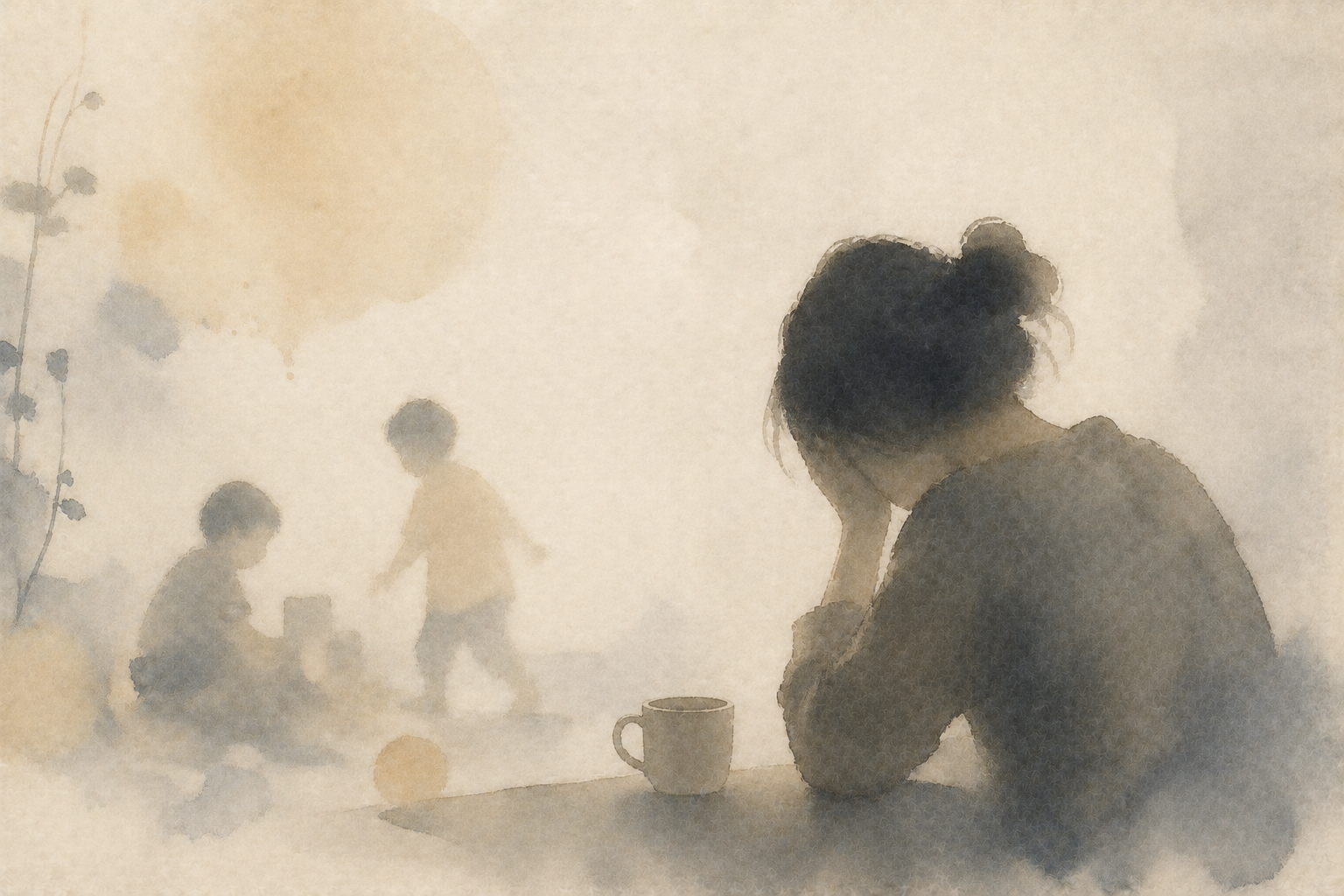
Loneliness can feel confusing because you can be surrounded by people, messages, and plans—and still feel like you’re on the outside of life looking in. The problem usually isn’t a lack of contact; it’s a repeating set of inner moves that quietly turn connection into performance, caution, or distance, even with people you genuinely like. At Gassho, we write about these patterns in a grounded way that respects both psychology and lived experience.
When you start noticing what your mind does right before you pull back, go numb, get “busy,” or decide it’s not worth reaching out, loneliness becomes less mysterious. It becomes understandable: a signal that something in you is trying to stay safe, avoid rejection, or protect a tender part that doesn’t want to be exposed.
A Clear Lens on What Loneliness Is
A useful way to understand loneliness is to treat it as a mismatch between the connection you need and the connection you believe is available. That mismatch can happen even when you have friends, a partner, or a busy social calendar, because the felt sense of connection depends on trust, emotional access, and the ability to be real.
From a Zen-friendly perspective, loneliness isn’t a personal defect; it’s an experience arising from conditions. Those conditions include your history, your current stress load, your environment, and—most importantly—your moment-to-moment habits of attention and protection. When the mind is scanning for threat, judging your own worth, or rehearsing what could go wrong, it becomes hard to actually receive warmth, even if it’s present.
Disconnection often forms through patterns that once made sense. If you learned that needing people led to disappointment, you may have become self-sufficient. If you learned that being “too much” caused conflict, you may have become easygoing. These strategies can look like maturity from the outside, while inside they can feel like isolation.
This lens matters because it shifts the question from “What’s wrong with me?” to “What conditions are shaping my experience right now?” That shift is not philosophical—it’s practical. It gives you something workable: you can change conditions, interrupt patterns, and build connection in small, repeatable ways.
GASSHO
Ask and learn about Buddhism in daily life.
GASSHO is a Buddhist community app where you can learn Buddhist teachings and ask questions to the head priest of Kongosanmaiin Temple on Mount Koya.
How Disconnection Shows Up in Everyday Moments
Loneliness often begins as a subtle tightening in the body: a small drop in energy when you see a group chat, a heaviness when you think about reaching out, a quiet assumption that others are closer to each other than they are to you. Nothing dramatic happens, but the mind starts narrating: “They’re busy,” “I’ll bother them,” “They don’t really want me there.”
Then attention narrows. Instead of noticing signs of welcome—someone’s warmth, a genuine question, a shared laugh—you track evidence of exclusion. A delayed reply becomes a verdict. A short message becomes disinterest. This isn’t irrational; it’s a protective system trying to predict pain before it arrives.
Next comes self-editing. You choose the “safe” version of yourself: agreeable, competent, funny, low-maintenance. You avoid the topics that feel tender. You don’t ask for support. You keep the conversation on the surface, and you may even do it skillfully. But afterward, you feel emptier, because the part of you that needed contact never actually showed up.
Sometimes the pattern flips into comparison. You scroll, you see other people’s closeness, and your mind concludes that you missed a lesson everyone else learned. Comparison turns connection into a status contest, and status contests make vulnerability feel dangerous. You might still “interact,” but you’re no longer meeting people; you’re measuring yourself against them.
Another common move is pre-emptive withdrawal. You tell yourself you’re tired, busy, or “not in the mood,” and sometimes that’s true. But sometimes it’s a way to avoid the risk of being disappointed. The nervous system chooses the certainty of solitude over the uncertainty of reaching out.
Even in close relationships, loneliness can appear as a lack of repair. A small misunderstanding happens, and instead of naming it, both people move on. The surface stays polite, but the sense of being known fades. Over time, unspoken moments accumulate, and the relationship can feel strangely far away while still intact.
What changes things is not forcing yourself to be more social. It’s noticing the exact moment the pattern starts—tightening, predicting, self-editing, comparing, withdrawing—and gently choosing one different action: one honest sentence, one small request, one check-in, one boundary stated without apology.
Common Misunderstandings That Keep Loneliness Stuck
One misunderstanding is thinking loneliness means you’re failing at life. In reality, loneliness is a human signal: it points to a need for contact, safety, or belonging. Treating it as shame-worthy often adds a second layer of pain that makes reaching out even harder.
Another is assuming the solution is simply “more people.” More contact can help, but if your inner pattern is self-protection through performance, you can feel lonely in a crowd. The deeper lever is the quality of connection: honesty, mutuality, and the ability to be affected by each other.
It’s also easy to confuse independence with disconnection. Healthy independence includes the capacity to rely on others when needed. When independence becomes a rule—“I handle everything alone”—it can quietly block intimacy and make support feel undeserved or unsafe.
Finally, many people believe they must fix themselves before they can belong. But connection is often part of what heals. You don’t need a perfect personality to be close to others; you need enough willingness to be present, to listen, and to let yourself be seen in small, manageable doses.
Why These Patterns Matter in Daily Life
Loneliness affects more than mood. It shapes how you interpret neutral events, how quickly you assume rejection, and how much energy you have for ordinary tasks. When the mind expects disconnection, it often behaves in ways that create it—less reaching out, less honesty, less repair.
Seeing the pattern gives you options that are small enough to use on a normal Tuesday. You can practice “micro-connection”: sending a message that includes one real detail, asking one sincere question, or naming one feeling without turning it into a dramatic confession. These are modest actions, but they change the conditions that loneliness depends on.
It also helps you set cleaner boundaries. Many people become lonely because they over-give, over-accommodate, or stay in relationships where they can’t be themselves. A calm “no” and a clear “this matters to me” can protect connection better than endless niceness.
And it supports compassion without passivity. You can understand why you disconnect without excusing patterns that keep you isolated. The point isn’t to judge yourself; it’s to stop abandoning your own need for contact.
Conclusion
What causes loneliness is rarely one thing. It’s usually a set of conditions and habits that make connection feel risky: attention that scans for rejection, self-editing that hides what’s real, comparison that turns people into measurements, and withdrawal that protects you from disappointment while also cutting you off from warmth.
The most workable step is to identify your most common “disconnection move” and experiment with one small alternative. Not a reinvention—just a different next action that invites contact: a message, a question, a repair, a boundary, or a moment of honest presence.
Ask a Buddhist priest
Have a question about Buddhism?
In the GASSHO app, you can ask questions about Buddhist teachings, daily concerns, and how to understand Buddhism in everyday life.
Frequently Asked Questions
- FAQ 1: What causes loneliness even when you have friends or a partner?
- FAQ 2: What are the most common patterns behind disconnection?
- FAQ 3: Is loneliness caused more by being alone or by feeling unseen?
- FAQ 4: How does self-protection create loneliness?
- FAQ 5: Can social media cause loneliness, and if so, how?
- FAQ 6: Why does loneliness make you want to withdraw from people?
- FAQ 7: What role does attention play in the experience of loneliness?
- FAQ 8: How do unspoken expectations contribute to disconnection?
- FAQ 9: Can perfectionism cause loneliness?
- FAQ 10: Why do some people feel lonely after socializing?
- FAQ 11: How do small conflicts turn into long-term loneliness?
- FAQ 12: Is loneliness always a sign that something is wrong with your relationships?
- FAQ 13: What causes loneliness during major life transitions?
- FAQ 14: How can you tell the difference between solitude and loneliness?
- FAQ 15: What is one small step that interrupts the pattern behind loneliness?
FAQ 1: What causes loneliness even when you have friends or a partner?
Answer: Loneliness can come from a lack of emotional safety and felt understanding, not a lack of people. If you can’t share what’s real, can’t relax into being received, or expect rejection, connection stays “thin,” and loneliness persists.
Takeaway: Loneliness often reflects the quality of connection, not the quantity.
FAQ 2: What are the most common patterns behind disconnection?
Answer: Frequent patterns include self-editing (performing a safe self), mind-reading (assuming others’ negative judgments), comparison (turning relationships into status), withdrawal (avoiding risk), and lack of repair (not addressing small ruptures).
Takeaway: Disconnection is often a repeatable pattern you can learn to notice.
FAQ 3: Is loneliness caused more by being alone or by feeling unseen?
Answer: For many people, loneliness is driven more by feeling unseen, unheard, or emotionally unsafe than by physical aloneness. You can be alone without loneliness, and you can feel lonely in company if you don’t feel met.
Takeaway: The felt sense of being “met” is central to loneliness.
FAQ 4: How does self-protection create loneliness?
Answer: Self-protection can limit vulnerability, honesty, and asking for support. When you hide needs or feelings to avoid rejection, others can’t respond to the real you, and connection becomes less nourishing.
Takeaway: Protection can reduce pain short-term while increasing isolation long-term.
FAQ 5: Can social media cause loneliness, and if so, how?
Answer: It can, especially when it increases comparison, replaces deeper contact with shallow interaction, or keeps you consuming others’ lives instead of participating in your own relationships. It may reduce solitude while still reinforcing disconnection.
Takeaway: Digital contact helps most when it leads to real mutual exchange.
FAQ 6: Why does loneliness make you want to withdraw from people?
Answer: Loneliness often activates threat sensitivity: you anticipate rejection, feel exposed, or assume you don’t belong. Withdrawal becomes a way to avoid the risk of another painful moment, even though it also reduces chances for connection.
Takeaway: Withdrawal is often a safety strategy, not a true preference.
FAQ 7: What role does attention play in the experience of loneliness?
Answer: Attention can lock onto cues of exclusion—delayed replies, neutral expressions, small changes in tone—while missing cues of care. This selective focus shapes your interpretation of relationships and can intensify loneliness.
Takeaway: What you track becomes your social reality.
FAQ 8: How do unspoken expectations contribute to disconnection?
Answer: When you expect others to “just know” what you need, you may feel repeatedly disappointed and unseen. Meanwhile, others may not realize anything is wrong, so the gap grows without repair or clarity.
Takeaway: Clear requests often reduce loneliness more than silent hoping.
FAQ 9: Can perfectionism cause loneliness?
Answer: Yes. Perfectionism can make you hide struggles, avoid asking for help, and present only a polished version of yourself. That can attract approval while blocking intimacy, which depends on being human together.
Takeaway: Intimacy grows through honesty, not flawlessness.
FAQ 10: Why do some people feel lonely after socializing?
Answer: If you socialize while masking feelings, staying on the surface, or trying to be liked, you may leave without feeling known. The body registers effort, but the heart registers little contact.
Takeaway: Feeling connected depends on being present, not just being included.
FAQ 11: How do small conflicts turn into long-term loneliness?
Answer: When minor misunderstandings aren’t addressed, people often become cautious, less open, and less trusting. Over time, the relationship can remain functional while emotional closeness fades, creating a quiet loneliness.
Takeaway: Repair keeps closeness alive; avoidance slowly erodes it.
FAQ 12: Is loneliness always a sign that something is wrong with your relationships?
Answer: Not always. Loneliness can reflect stress, grief, transitions, burnout, or an inner habit of disconnection even in decent relationships. It can also be a signal that you need different kinds of connection than you’re currently getting.
Takeaway: Loneliness is information—about needs, conditions, and patterns.
FAQ 13: What causes loneliness during major life transitions?
Answer: Transitions change routines, identity, and access to familiar people. Even positive changes can reduce casual contact and increase uncertainty, which can trigger protective patterns like withdrawal or self-editing.
Takeaway: Transitions disrupt the conditions that made connection effortless.
FAQ 14: How can you tell the difference between solitude and loneliness?
Answer: Solitude tends to feel chosen and nourishing, even if it’s quiet. Loneliness tends to feel constricting, unwanted, and preoccupied with disconnection or not belonging. The difference is often the felt sense in the body.
Takeaway: Solitude is aloneness with ease; loneliness is aloneness with threat.
FAQ 15: What is one small step that interrupts the pattern behind loneliness?
Answer: Make a “micro-bid” for real connection: send a message that includes one honest detail, ask one sincere question, or name one feeling without overexplaining. Small, repeatable bids often rebuild trust in connection better than big gestures.
Takeaway: Tiny acts of honesty can change the conditions that sustain loneliness.