



How to Group Buddhist Symbols by Wisdom, Compassion, and Protection
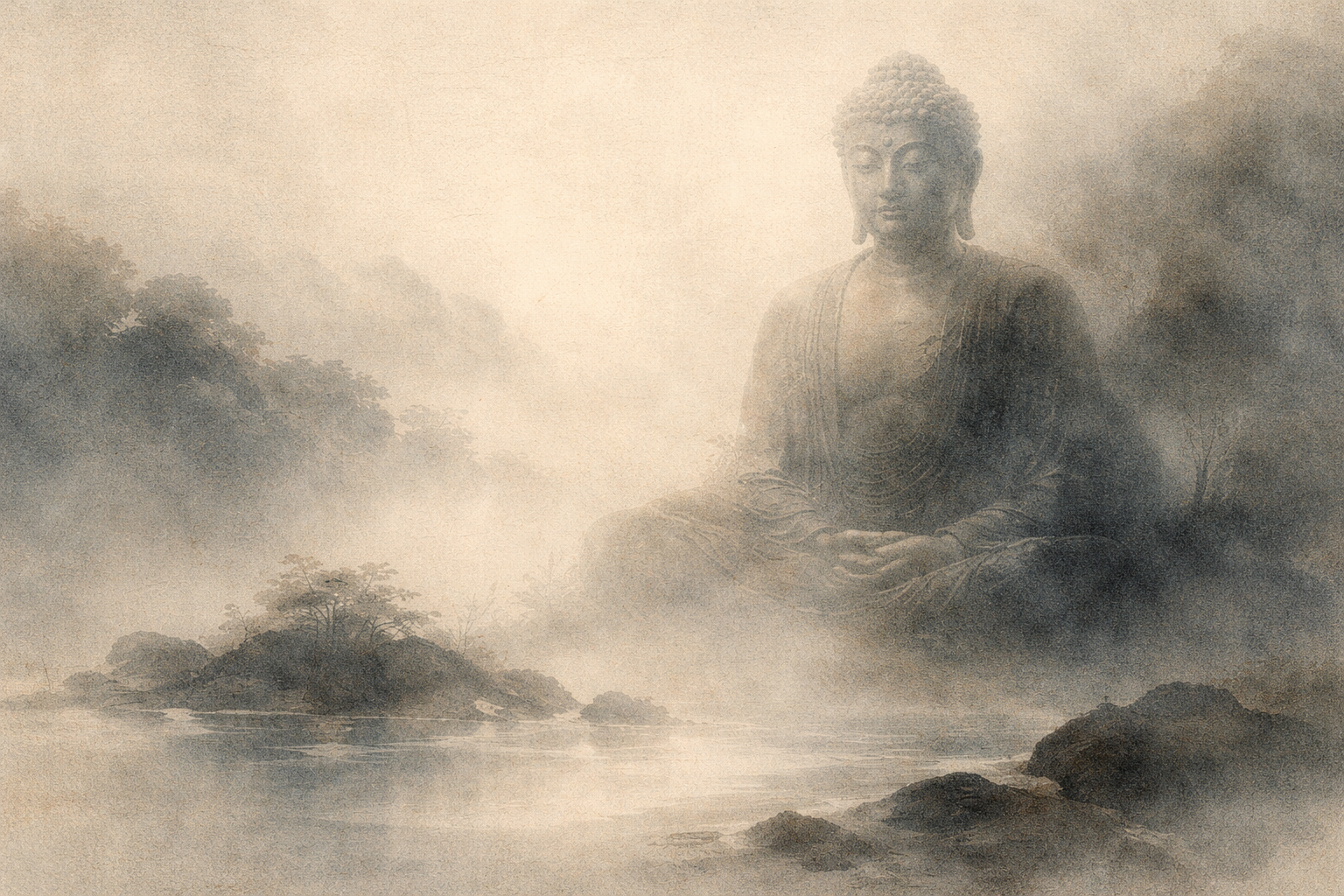
Quick Summary
- Grouping Buddhist symbols by wisdom, compassion, and protection is a practical way to understand what a symbol is “pointing to” in your mind and behavior.
- Wisdom symbols emphasize clarity, insight, and seeing things as they are (not just what you feel).
- Compassion symbols emphasize care, connection, and reducing harm (starting with your next choice).
- Protection symbols emphasize steadiness, boundaries, and courage in the face of fear and confusion.
- Many symbols can fit more than one group; the best category depends on the context and your intention.
- A simple method: identify the symbol’s felt effect (clarify, soften, or steady), then place it accordingly.
- Use the groups to build a balanced set for your space, study, or reflection: one for seeing clearly, one for caring well, one for staying grounded.
Introduction
You’re looking at Buddhist symbols—lotus, wheel, mudras, vajra, endless knot, guardian figures—and the confusion is real: they’re beautiful, but the meanings blur together, and every source seems to explain them differently. A clean way through the noise is to group symbols by what they train in you: wisdom (clear seeing), compassion (warm responsiveness), and protection (steadiness against fear and harmful impulses). At Gassho, we focus on practical, experience-based ways to understand Buddhist imagery without turning it into superstition or trivia.
When you group symbols this way, you stop asking “What does this symbol mean in general?” and start asking “What does this symbol help me remember right now?” That shift makes symbols useful rather than merely decorative.
This approach also respects the fact that symbols travel across cultures and time. Meanings overlap, evolve, and sometimes contradict—so a functional grouping gives you a stable map even when details vary.
A Clear Lens for Sorting Symbols
Think of Buddhist symbols as attention tools. They don’t exist to “prove” anything; they exist to shape what you notice, how you interpret it, and what you do next. Grouping them by wisdom, compassion, and protection is a way of naming three common directions that attention can be trained to move.
Wisdom points to discernment: seeing causes and effects, noticing impermanence, recognizing when the mind is adding extra stories, and returning to what’s actually happening. Symbols in this group tend to feel clarifying, simplifying, or illuminating—like they cut through fog.
Compassion points to relationship: how you meet yourself and others, how you respond to suffering, and how you choose actions that reduce harm. Symbols in this group tend to feel softening, connecting, or heart-opening—like they make room for more patience and care.
Protection points to stability: guarding the mind from being dragged around by fear, anger, craving, or confusion. Protection here doesn’t mean magical shielding; it means strengthening boundaries, courage, and steadiness. Symbols in this group tend to feel grounding, bracing, or empowering—like they help you stand your ground without becoming harsh.
GASSHO
Ask and learn about Buddhism in daily life.
GASSHO is a Buddhist community app where you can learn Buddhist teachings and ask questions to the head priest of Kongosanmaiin Temple on Mount Koya.
How the Three Groups Show Up in Everyday Moments
Wisdom shows up when you notice you’re reacting to a thought as if it were a fact. A wisdom symbol—like a wheel, a book, a lamp, an eye motif, or a gesture associated with teaching—can function as a reminder to pause and ask, “What am I assuming?” The inner movement is from automatic interpretation to simple seeing.
Compassion shows up when you feel the urge to win, correct, or withdraw. A compassion symbol—like a lotus, a heart-centered gesture, or imagery associated with care—can remind you to include the human reality in front of you. The inner movement is from self-protection through control to responsiveness through understanding.
Protection shows up when your nervous system is loud: anxiety, anger, or a sense of threat. A protection symbol—like a vajra, a protective hand gesture, a guardian figure, or a fierce expression—can remind you to stabilize your posture, your breath, and your boundaries. The inner movement is from being pushed around by fear to being steady enough to choose.
In practice, you may notice that wisdom without compassion can feel cold. You “see clearly,” but you don’t know how to meet what you see. Compassion without wisdom can feel messy. You care, but you get tangled in rescuing, guilt, or burnout.
Protection is often misunderstood as aggression, but in lived experience it can be very quiet: not replying immediately, not escalating, not feeding an addictive loop, not saying yes when you mean no. A protection symbol can be a cue for that kind of calm firmness.
And sometimes a single symbol shifts groups depending on what you need. The lotus can be wisdom when it reminds you that clarity can arise from difficulty; it can be compassion when it reminds you to stay tender; it can even be protection when it reminds you not to identify with the mud.
So the point isn’t to “get the right answer” once. The point is to build a habit of asking: does this image help me see more clearly, care more wisely, or stand more steadily?
Common Mistakes When Categorizing Buddhist Symbols
One common misunderstanding is treating protection symbols as superstition—either believing they are magical shields or dismissing them as meaningless. A more grounded view is that “protection” often refers to protecting the mind from unskillful reactions and protecting others from the harm those reactions can cause.
Another mistake is forcing every symbol into only one box. Many Buddhist symbols are intentionally layered: they can teach insight, evoke care, and strengthen courage at the same time. Your grouping can be flexible as long as your reasoning is clear.
People also confuse emotion with compassion. If a symbol makes you feel tender, that’s not automatically compassion; compassion is tenderness that can act wisely. When you group symbols, look for what they encourage you to do, not only what they make you feel.
Finally, it’s easy to over-focus on “official” definitions and miss the lived function. If a symbol reliably helps you pause, soften, or steady yourself, that practical effect matters—especially when you’re using the grouping as a personal study tool.
Why This Three-Part Map Helps in Real Life
Grouping Buddhist symbols by wisdom, compassion, and protection gives you a balanced way to work with imagery without getting lost in endless interpretations. Instead of collecting symbols like trivia, you build a small “toolkit” for the mind: one set that clarifies, one set that softens, and one set that steadies.
It also helps you notice what you’re overusing. If you’re drawn only to wisdom symbols, you may be leaning toward analysis and distance. If you’re drawn only to compassion symbols, you may be avoiding hard boundaries. If you’re drawn only to protection symbols, you may be bracing against life instead of meeting it.
For a home altar, a study corner, or even a single piece of art, this map makes selection simpler: choose imagery that supports the quality you most need right now, and add a second symbol that balances it. The goal is not aesthetic perfection; it’s a gentle, repeated reminder that changes how you respond.
And if you’re learning Buddhist symbolism across cultures, this grouping gives you a shared language. Even when names and stories differ, the three functions—clarify, care, steady—remain easy to recognize.
Conclusion
To group Buddhist symbols by wisdom, compassion, and protection, focus less on “What is the one true meaning?” and more on “What does this symbol train in me?” Wisdom symbols point to clear seeing; compassion symbols point to responsive care; protection symbols point to steady boundaries and courage. Many symbols belong to more than one group, and that’s not a problem—it’s a sign that the imagery is doing real work.
If you want a simple practice, pick three symbols you already like and assign each one a primary role: one for wisdom, one for compassion, one for protection. Then watch, over a week, which reminder you actually need most often.
Ask a Buddhist priest
Have a question about Buddhism?
In the GASSHO app, you can ask questions about Buddhist teachings, daily concerns, and how to understand Buddhism in everyday life.
Frequently Asked Questions
- FAQ 1: What does it mean to group Buddhist symbols by wisdom, compassion, and protection?
- FAQ 2: How do I decide whether a symbol belongs to wisdom, compassion, or protection?
- FAQ 3: Can one Buddhist symbol fit into more than one of the three groups?
- FAQ 4: Which types of Buddhist symbols are commonly grouped under wisdom?
- FAQ 5: Which types of Buddhist symbols are commonly grouped under compassion?
- FAQ 6: Which types of Buddhist symbols are commonly grouped under protection?
- FAQ 7: How should I group mudras by wisdom, compassion, and protection?
- FAQ 8: How do I group the lotus symbol within wisdom, compassion, and protection?
- FAQ 9: How do I group the Dharma Wheel when using the wisdom-compassion-protection framework?
- FAQ 10: Where does the vajra (dorje) fit when grouping Buddhist symbols by wisdom, compassion, and protection?
- FAQ 11: How do I group fierce or wrathful-looking Buddhist symbols without misunderstanding them?
- FAQ 12: What if I disagree with a source about whether a symbol is wisdom, compassion, or protection?
- FAQ 13: How can I use the wisdom-compassion-protection grouping to choose symbols for a personal space?
- FAQ 14: Is “protection” in Buddhist symbols about spiritual defense or psychological steadiness?
- FAQ 15: What is a simple step-by-step method to group any Buddhist symbol by wisdom, compassion, and protection?
FAQ 1: What does it mean to group Buddhist symbols by wisdom, compassion, and protection?
Answer: It means sorting symbols by the primary quality they help you cultivate: wisdom (clear seeing and discernment), compassion (care that reduces harm), or protection (steadiness and boundaries against fear and unskillful impulses). It’s a functional method focused on how a symbol works on your attention rather than a single “official” definition.
Takeaway: Group symbols by the inner skill they strengthen—clarify, soften, or steady.
FAQ 2: How do I decide whether a symbol belongs to wisdom, compassion, or protection?
Answer: Ask what the symbol most reliably prompts in you: does it help you see more clearly (wisdom), care more wisely (compassion), or feel grounded and courageous (protection)? If you’re unsure, use the context: teaching imagery often leans wisdom, heart-centered imagery leans compassion, and boundary/steadiness imagery leans protection.
Takeaway: Use the symbol’s practical effect on your mind as the deciding factor.
FAQ 3: Can one Buddhist symbol fit into more than one of the three groups?
Answer: Yes. Many symbols are layered and can be grouped differently depending on intention. For example, a lotus can support wisdom (clarity arising from difficulty) and compassion (gentleness toward suffering). Choose a “primary” category for your current use, while acknowledging secondary meanings.
Takeaway: Multiple categories are normal—pick the primary role based on your present need.
FAQ 4: Which types of Buddhist symbols are commonly grouped under wisdom?
Answer: Wisdom-group symbols are those that emphasize insight, learning, and clear seeing—often teaching-related imagery (like wheels, texts, lamps, or gestures associated with instruction). The common thread is that they point you back to discernment and cause-and-effect rather than impulse.
Takeaway: Wisdom symbols function like reminders to pause, look, and understand.
FAQ 5: Which types of Buddhist symbols are commonly grouped under compassion?
Answer: Compassion-group symbols emphasize care, connection, and relieving suffering—often imagery that evokes tenderness, openness, and responsiveness (such as heart-centered gestures, nurturing motifs, or symbols associated with mercy and kindness). They remind you to include others in your choices.
Takeaway: Compassion symbols cue warmth that can act, not just sentiment.
FAQ 6: Which types of Buddhist symbols are commonly grouped under protection?
Answer: Protection-group symbols emphasize steadiness, courage, and guarding the mind—often strong, boundary-setting imagery (like protective hand gestures, guardian figures, or symbols associated with indestructibility and resolve). Interpreted practically, they support stability under stress and help interrupt harmful reactions.
Takeaway: Protection symbols are about inner steadiness and ethical boundaries, not fear-based magic.
FAQ 7: How should I group mudras by wisdom, compassion, and protection?
Answer: Group a mudra by what it communicates as a mental cue: teaching/clarifying gestures often fit wisdom, giving/receiving or reassurance gestures often fit compassion, and fearlessness or warding-off gestures often fit protection. If you don’t know the traditional name, use the felt message: “clarify,” “soften,” or “steady.”
Takeaway: With mudras, the gesture’s message matters more than memorizing labels.
FAQ 8: How do I group the lotus symbol within wisdom, compassion, and protection?
Answer: The lotus can be grouped by emphasis: as wisdom when it points to clarity emerging from confusion, as compassion when it points to tenderness amid difficulty, and as protection when it reminds you not to identify with the “mud” of reactive states. Pick the category that matches what you want to remember today.
Takeaway: The lotus is flexible—assign it based on the lesson you need most.
FAQ 9: How do I group the Dharma Wheel when using the wisdom-compassion-protection framework?
Answer: The Dharma Wheel is most often grouped under wisdom because it points to guidance, understanding, and the “turning” of insight into daily conduct. In some contexts it can support compassion (ethical direction that reduces harm), but its primary function is usually clarifying and orienting.
Takeaway: Place the Dharma Wheel in wisdom first, then note any compassion overlap.
FAQ 10: Where does the vajra (dorje) fit when grouping Buddhist symbols by wisdom, compassion, and protection?
Answer: The vajra is commonly grouped under protection because it suggests firmness, resilience, and an unshakable quality of mind. It can also support wisdom (cutting through confusion), but as a practical reminder it often functions as “stay steady; don’t break under pressure.”
Takeaway: Use the vajra primarily as a protection symbol, with a secondary wisdom meaning if helpful.
FAQ 11: How do I group fierce or wrathful-looking Buddhist symbols without misunderstanding them?
Answer: In this framework, fierce imagery is usually grouped under protection because it represents strong energy applied to cutting through fear, confusion, and harmful impulses. The key is interpretation: it’s not a license for anger; it’s a reminder to be unwavering and clear when harm is at stake.
Takeaway: Fierce imagery typically signals protection—firmness in service of clarity and care.
FAQ 12: What if I disagree with a source about whether a symbol is wisdom, compassion, or protection?
Answer: Treat the three groups as a practical map, not a final verdict. If two interpretations are reasonable, keep both and choose based on context: what are you using the symbol for—study (wisdom), relationship and care (compassion), or steadiness and boundaries (protection)? Consistency in your own use matters more than winning the definition.
Takeaway: When meanings conflict, choose the category that best matches your intention and context.
FAQ 13: How can I use the wisdom-compassion-protection grouping to choose symbols for a personal space?
Answer: Choose one symbol that primarily supports wisdom (clarity), one that supports compassion (kindness in action), and one that supports protection (steadiness and boundaries). If you prefer minimalism, choose a single symbol and write down how it can serve all three roles depending on your need.
Takeaway: Aim for balance—clarify, soften, and steady—rather than collecting many items.
FAQ 14: Is “protection” in Buddhist symbols about spiritual defense or psychological steadiness?
Answer: In a grounded reading, protection is mainly about psychological and ethical steadiness: protecting the mind from being hijacked by fear, anger, or craving, and protecting others from the consequences of those states. Some traditions may speak in more spiritual terms, but the grouping still works best when tied to observable shifts in attention and behavior.
Takeaway: Read protection as steadiness and boundary-keeping you can actually practice.
FAQ 15: What is a simple step-by-step method to group any Buddhist symbol by wisdom, compassion, and protection?
Answer: Use a three-step check: (1) Name the symbol’s immediate cue in one verb—clarify, soften, or steady. (2) Match the verb to the group: clarify = wisdom, soften = compassion, steady = protection. (3) Add a one-sentence “use case” (when you’ll look at it and what you’ll remember). If it fits two groups, assign a primary and a secondary role.
Takeaway: Clarify/soften/steady is a fast, reliable way to categorize symbols by function.