



Is It Okay to Feel Drawn to One Buddhist Figure More Than Others?
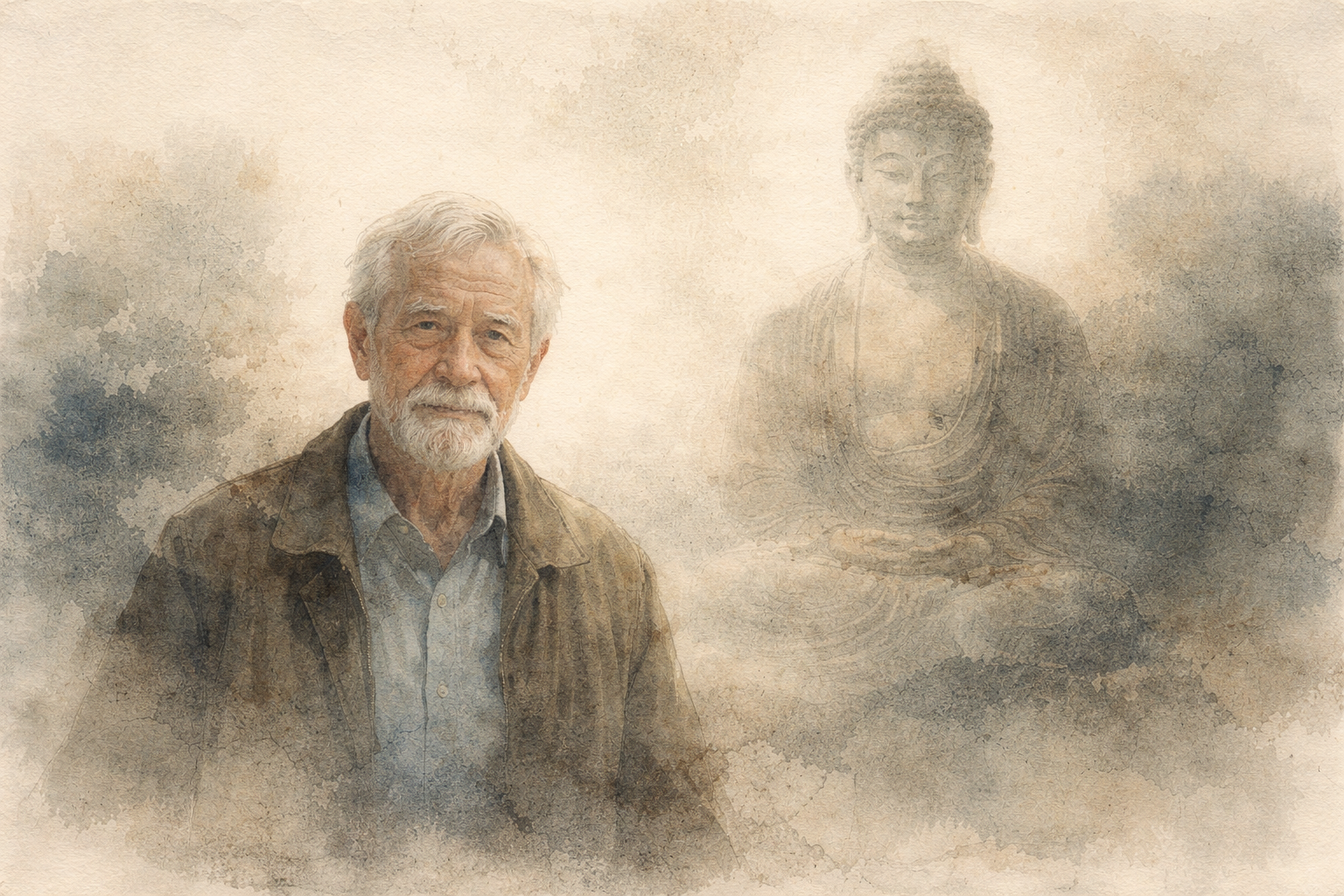
Quick Summary
- Yes, it’s okay to feel drawn to one Buddhist figure more than others; it’s a normal way the heart and attention learn.
- A “favorite” figure can function like a clear mirror for your values—compassion, courage, steadiness, wisdom—rather than a badge of identity.
- The main risk isn’t preference itself, but clinging: turning inspiration into superiority, rigidity, or avoidance of what challenges you.
- You can keep devotion healthy by checking your motivation: does it soften you, or tighten you?
- It’s possible to honor one figure deeply while still respecting other figures as skillful supports for different temperaments.
- If your attraction becomes obsessive, fearful, or isolating, treat that as a signal to return to balance and grounded practice.
- A simple approach: let one figure be your “home base,” and let other figures be “helpers” when specific qualities are needed.
Introduction
Feeling strongly drawn to one Buddhist figure can be oddly uncomfortable: part of you feels helped and steadied, and another part worries you’re doing Buddhism “wrong,” being biased, or disrespecting other figures. That tension is understandable—and it’s also usually unnecessary, because preference is not the same thing as attachment, and inspiration is not the same thing as exclusion. At Gassho, we write about Buddhist practice in a grounded, non-sectarian way that stays close to everyday experience.
Sometimes the pull is emotional (a sense of warmth or protection), sometimes it’s aesthetic (imagery, stories, chants), and sometimes it’s practical (a figure seems to “say” exactly what you need right now). Rather than judging the pull, it helps to ask what it’s doing inside you: is it opening your life, or narrowing it?
This question matters because spiritual preference can quietly turn into spiritual identity—“I’m this kind of person”—and identity tends to harden. But it can also become a stable support that makes practice simpler, kinder, and more consistent.
A Helpful Lens: Inspiration Without Clinging
A useful way to understand being drawn to one Buddhist figure is to treat it as a form of orientation. The mind and heart often learn through relationship: we gravitate toward a symbol, story, or presence that makes certain qualities feel real and reachable. In that sense, a Buddhist figure can function like a compass—pointing you toward compassion, clarity, courage, patience, or humility.
The key distinction is between inspiration and clinging. Inspiration tends to soften the body and mind: it makes you more willing to practice, more willing to apologize, more willing to be patient. Clinging tends to tighten: it makes you defensive, special, anxious, or dismissive of other paths and people. The same figure can be held in either way, so the “rightness” isn’t in the object—it’s in the quality of your holding.
It also helps to remember that Buddhist figures are often skillful supports for different human temperaments. One person needs tenderness to heal self-hatred; another needs fierce honesty to stop rationalizing; another needs steadiness to endure grief. Being drawn to one figure can simply mean that a particular medicine matches your current condition.
Seen this way, you don’t have to force yourself into equal feelings for every figure. Respect can be broad, while intimacy can be specific. You can honor many expressions of awakening while letting one become your main doorway into practice.
GASSHO
Ask and learn about Buddhism in daily life.
GASSHO is a Buddhist community app where you can learn Buddhist teachings and ask questions to the head priest of Kongosanmaiin Temple on Mount Koya.
What It Feels Like in Real Life
You notice it in small moments: you’re stressed, and one image or name comes to mind naturally, like a hand reaching for a familiar railing. The relief isn’t dramatic; it’s more like a slight drop in pressure. Your breathing changes. Your shoulders unclench. You remember what matters.
You may also notice selectivity in your attention. When you read teachings or listen to talks, your mind “lights up” when a certain figure is mentioned. It’s not necessarily a belief; it’s a felt sense of recognition—like hearing a language you understand without translating.
Sometimes the draw is situational. During conflict, you might feel pulled toward a figure associated with compassion and listening. During procrastination or self-deception, you might feel pulled toward a figure associated with discipline and clear seeing. The attraction shifts because your needs shift, not because you’re inconsistent.
There can also be a subtle shadow side: you might use your favorite figure to avoid discomfort. For example, you might lean into soothing imagery when what you actually need is to face a hard conversation, admit a mistake, or set a boundary. This isn’t a moral failure; it’s just the mind trying to stay comfortable.
You might compare yourself to others without meaning to. If a friend resonates with a different figure, a small part of you may feel suspicious, superior, or insecure. That reaction is valuable data. It shows where devotion has started to fuse with identity.
At times, the draw becomes very personal. You may feel accompanied in grief, steadied in anxiety, or guided when you feel lost. The practical question isn’t whether that’s “allowed,” but whether it makes you more present and ethical in your actual relationships.
And sometimes, the attraction simply fades. A figure that once felt central may become quieter in your life. That can feel like loss, but it can also be a sign that the quality you needed has become more integrated—or that a different quality is now calling for attention.
Common Misunderstandings That Create Unnecessary Guilt
Misunderstanding 1: “If I prefer one figure, I’m disrespecting the others.” Respect doesn’t require equal emotional intensity. You can bow to the breadth of the tradition while still having one figure that feels like home. In ordinary life, you can respect many good people without feeling equally close to all of them.
Misunderstanding 2: “Being drawn to a figure means I’m being irrational or superstitious.” Sometimes it’s cultural or devotional, sometimes it’s psychological, sometimes it’s simply aesthetic. But even at the most practical level, a figure can be a training tool for attention and intention: a way to remember your deepest aims when you’re reactive.
Misunderstanding 3: “A strong pull must mean I’m ‘meant’ for something special.” A strong pull can be meaningful without being grand. It may just mean your nervous system relaxes around certain qualities, or that your life history makes a particular kind of compassion or strength feel especially necessary.
Misunderstanding 4: “If I’m sincere, I should never feel conflicted.” Mixed feelings are normal. The mind can be grateful and doubtful at the same time. Rather than trying to eliminate doubt, you can use it to refine your relationship: keep what makes you kinder and clearer, and loosen what makes you rigid.
Misunderstanding 5: “Devotion means constant intensity.” Healthy devotion is often quiet. It shows up as consistency, ethical restraint, and a willingness to begin again. If your relationship to a figure becomes performative or emotionally demanding, it may be time to simplify.
Why This Preference Can Support Your Daily Practice
Having one primary Buddhist figure can reduce friction. Instead of constantly searching for the “perfect” inspiration, you return to a familiar reference point. That steadiness can make daily practice more realistic—especially when life is busy and your mind is scattered.
A single figure can also help you train specific qualities with more continuity. Repeatedly returning to the same symbol of compassion or wisdom can shape your habits over time, not through force, but through repetition. You start to recognize the moment you’re about to speak harshly, the moment you’re about to hide, the moment you’re about to blame.
Preference becomes a problem only when it narrows your humanity. If devotion makes you less curious, less humble, or less able to learn from others, it’s worth adjusting. But if it makes you more patient with your family, more honest at work, and more willing to repair harm, then it’s doing what practice is meant to do.
A simple balancing move is to treat your favorite figure as your “home base,” while allowing other figures to be occasional supports. Home base gives stability; variety prevents fixation. You don’t have to force variety, but you can stay open to it.
Conclusion
Yes, it’s okay to feel drawn to one Buddhist figure more than others. Let the draw be a doorway into practice, not a wall that separates you from other people or other forms of wisdom. The most reliable test is simple: does this relationship make you more awake in daily life—more compassionate, more honest, more steady—or does it make you tighter and more self-protective?
If you keep returning to that test, preference becomes less of a problem to solve and more of a gentle guide. You can appreciate the figure that speaks to your heart while staying respectful, flexible, and grounded.
Ask a Buddhist priest
Have a question about Buddhism?
In the GASSHO app, you can ask questions about Buddhist teachings, daily concerns, and how to understand Buddhism in everyday life.
Frequently Asked Questions
- FAQ 1: Is it okay to feel drawn to one Buddhist figure more than others?
- FAQ 2: Does favoring one Buddhist figure mean I’m disrespecting other figures?
- FAQ 3: How can I tell the difference between healthy devotion and unhealthy attachment to one Buddhist figure?
- FAQ 4: Why do I feel emotionally connected to one Buddhist figure even if I’m not “religious”?
- FAQ 5: Is it a problem if I only want to focus on one Buddhist figure and ignore the rest?
- FAQ 6: Can being drawn to one Buddhist figure change over time?
- FAQ 7: What if I feel guilty for not connecting with other Buddhist figures?
- FAQ 8: Is it okay to pray to or chant for one Buddhist figure more than others?
- FAQ 9: Does being drawn to one Buddhist figure mean I’m choosing a “side”?
- FAQ 10: What if my attraction to one Buddhist figure feels intense or obsessive?
- FAQ 11: Can I be drawn to one Buddhist figure for personal reasons, like comfort during grief?
- FAQ 12: Is it okay if I don’t intellectually understand the figure I feel drawn to?
- FAQ 13: How do I stay respectful of other Buddhist figures while keeping one as my main focus?
- FAQ 14: What if my friends or family think it’s weird that I’m drawn to one Buddhist figure?
- FAQ 15: Is it okay to have one “home” Buddhist figure and still learn from others?
FAQ 1: Is it okay to feel drawn to one Buddhist figure more than others?
Answer: Yes. It’s common for one figure to feel more resonant because it highlights qualities you currently need—like compassion, courage, or clarity. The important part is whether the connection supports kindness and wise action rather than turning into rigid attachment.
Takeaway: Preference is normal; watch whether it softens you or tightens you.
FAQ 2: Does favoring one Buddhist figure mean I’m disrespecting other figures?
Answer: Not necessarily. Respect doesn’t require equal emotional closeness. You can honor many figures while feeling a special connection to one, the way you can respect many mentors while learning best from one.
Takeaway: Broad respect and specific devotion can coexist.
FAQ 3: How can I tell the difference between healthy devotion and unhealthy attachment to one Buddhist figure?
Answer: Healthy devotion tends to increase humility, patience, and ethical behavior. Unhealthy attachment often shows up as anxiety, superiority, possessiveness, or hostility toward other practices. A practical test is whether the devotion helps you meet real life more honestly.
Takeaway: If it makes you kinder and steadier, it’s likely healthy.
FAQ 4: Why do I feel emotionally connected to one Buddhist figure even if I’m not “religious”?
Answer: A Buddhist figure can work as a symbol that organizes your intentions and attention. Even without religious belief, imagery and stories can evoke qualities you value and help you remember them under stress.
Takeaway: Connection can be practical and psychological, not only doctrinal.
FAQ 5: Is it a problem if I only want to focus on one Buddhist figure and ignore the rest?
Answer: Focusing on one figure can be a stable, effective approach. It becomes a problem only if “ignoring the rest” turns into contempt, closed-mindedness, or fear of learning. If your focus supports ethical living and openness, it can be perfectly workable.
Takeaway: Single-focus is fine; narrow-mindedness is the real risk.
FAQ 6: Can being drawn to one Buddhist figure change over time?
Answer: Yes. Your life conditions and inner needs change, so what resonates can change too. Sometimes the shift is gradual; sometimes it happens after a loss, a new responsibility, or a period of stress.
Takeaway: Changing resonance is normal and doesn’t mean you failed.
FAQ 7: What if I feel guilty for not connecting with other Buddhist figures?
Answer: Guilt often comes from the idea that spirituality must be evenly distributed. Instead, treat your connection as a doorway: let it support practice, and let respect for other figures be simple and sincere without forcing feelings you don’t have.
Takeaway: Don’t force equal feelings; cultivate simple respect.
FAQ 8: Is it okay to pray to or chant for one Buddhist figure more than others?
Answer: Yes, if the practice helps you become more compassionate, grounded, and responsible in daily life. Repetition can deepen sincerity and stability. Just keep an eye on whether it becomes a way to avoid necessary action or difficult emotions.
Takeaway: Repetition is fine; avoidance is what to watch for.
FAQ 9: Does being drawn to one Buddhist figure mean I’m choosing a “side”?
Answer: Not inherently. Many people relate to one figure as a primary support without turning it into an identity or a faction. Problems arise when preference becomes a reason to judge others or to feel spiritually superior.
Takeaway: Let it be support, not a badge.
FAQ 10: What if my attraction to one Buddhist figure feels intense or obsessive?
Answer: Treat intensity as information. Ask whether it’s bringing calm and ethical clarity, or feeding anxiety and compulsion. If it feels obsessive, simplify your practice, ground yourself in ordinary routines, and consider talking with a trusted teacher or mental health professional if it’s disrupting your life.
Takeaway: Intensity isn’t wrong, but obsession is a cue to rebalance.
FAQ 11: Can I be drawn to one Buddhist figure for personal reasons, like comfort during grief?
Answer: Yes. Many people connect with a figure because it helps them hold grief, fear, or loneliness with more tenderness. The key is to let comfort support wise engagement with life, not replace it.
Takeaway: Comfort can be skillful when it leads back to presence.
FAQ 12: Is it okay if I don’t intellectually understand the figure I feel drawn to?
Answer: Yes. Connection often begins as a felt sense before it becomes conceptual. You can keep learning at a gentle pace while focusing on the practical effect: does the relationship encourage patience, honesty, and compassion?
Takeaway: Understanding can grow later; start with what supports practice now.
FAQ 13: How do I stay respectful of other Buddhist figures while keeping one as my main focus?
Answer: You can acknowledge that different figures emphasize different qualities and meet different needs. Keep your language humble, avoid comparing in a way that ranks or insults, and remain open to learning when another figure or teaching is helpful for a specific situation.
Takeaway: Humility and openness keep devotion from becoming divisive.
FAQ 14: What if my friends or family think it’s weird that I’m drawn to one Buddhist figure?
Answer: You don’t need to persuade anyone. If it helps, describe it in simple terms: it’s a reminder of the qualities you’re trying to live by. Let your behavior—more patience, less reactivity—be the clearest explanation.
Takeaway: You can keep it simple and let your life show the value.
FAQ 15: Is it okay to have one “home” Buddhist figure and still learn from others?
Answer: Yes, and this is often a balanced approach. One figure can provide continuity and emotional steadiness, while other figures can offer complementary reminders when you need a different quality—like courage, forgiveness, or clear seeing.
Takeaway: A home base plus flexibility is a stable, healthy middle way.