



Hanamatsuri vs Vesak: What Is the Difference?
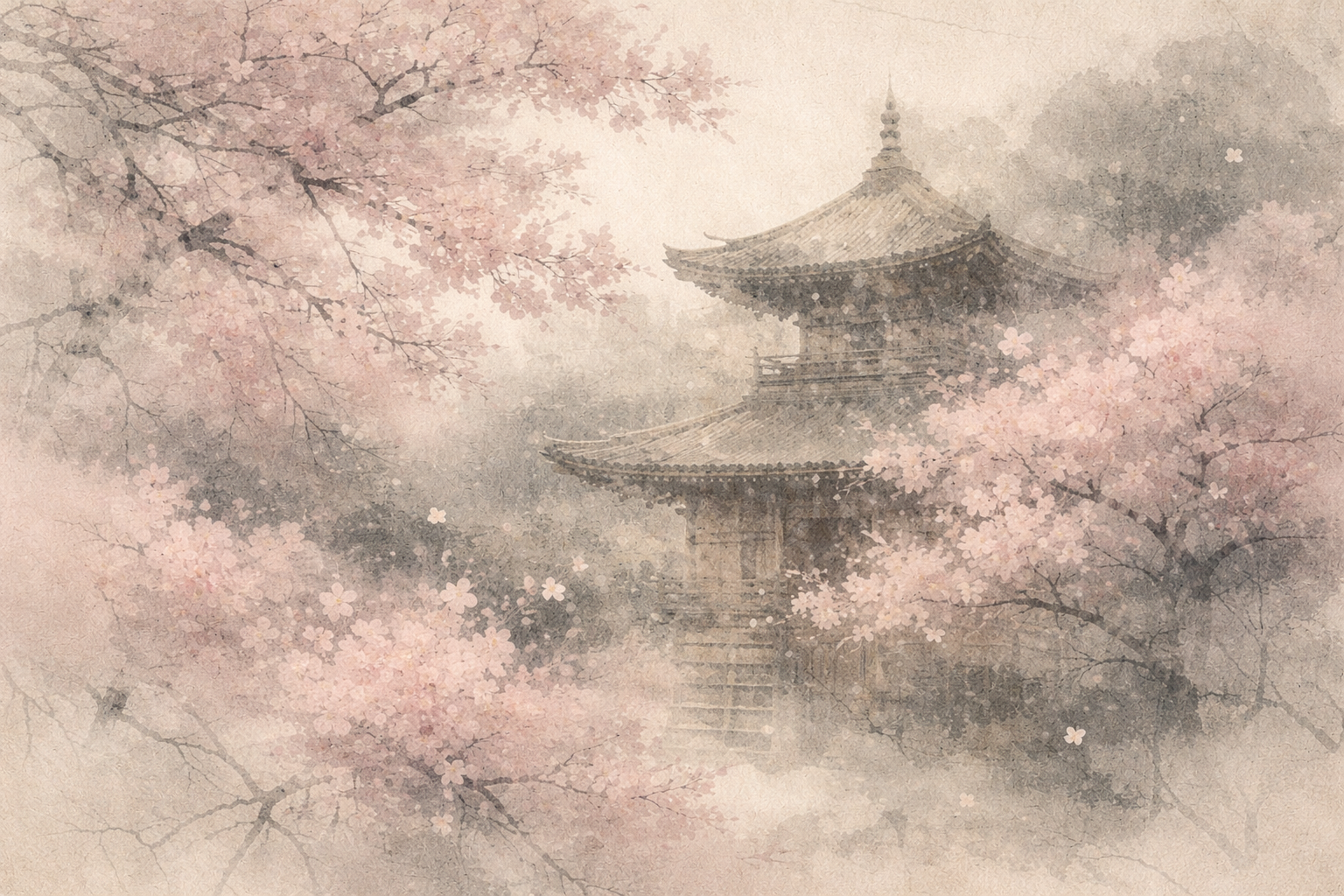
Quick Summary
- Hanamatsuri is Japan’s “Flower Festival” celebrating the Buddha’s birth, typically on April 8.
- Vesak (Wesak) is widely observed across Asia and globally, often in May, and commonly commemorates the Buddha’s birth, awakening, and passing.
- Hanamatsuri’s signature ritual is pouring sweet tea (amacha) over a small “baby Buddha” statue.
- Vesak often features lanterns, temple offerings, chanting, and acts of generosity, with dates set by lunar calendars.
- The biggest difference is scope: Hanamatsuri is a specific Japanese birth celebration; Vesak is a broader, pan-Buddhist holy day (or season) with regional variations.
- Both festivals point to the same human themes: gratitude, ethical living, and remembering what matters.
Introduction
You’ve probably seen “Hanamatsuri” and “Vesak” used as if they’re interchangeable—both linked to the Buddha’s birthday—yet the details don’t line up: different dates, different rituals, and different emphasis depending on where you look. At Gassho, we focus on clear, practice-friendly explanations of Buddhist culture without turning it into trivia.
Once you see Hanamatsuri and Vesak as two different lenses on the same life story—one local and specific, the other widely shared and multi-layered—the confusion drops away and the meaning becomes easier to carry into daily life.
A Clear Lens for Comparing Hanamatsuri and Vesak
A helpful way to understand Hanamatsuri vs Vesak is to treat them less like “competing holidays” and more like two cultural frames around remembrance. Both are ways communities keep the Buddha’s life close, but they highlight different moments and express them through different symbols.
Hanamatsuri is focused: it centers on birth. The mood is springlike and intimate—flowers, a small pavilion, a small statue, a simple act of pouring sweet tea. The point isn’t to prove history; it’s to enact gratitude and tenderness toward the possibility of awakening in human life.
Vesak is often broader: in many places it gathers multiple key events—birth, awakening, and passing—into one sacred period. That breadth naturally invites more communal forms: processions, lamps, offerings, chanting, and public generosity. It can feel less like one scene and more like a whole story told at once.
Seen this way, the “difference” is not about which is correct. It’s about what each festival is trying to bring forward in people’s hearts: Hanamatsuri emphasizes beginnings and innocence; Vesak often emphasizes the full arc of a life dedicated to clarity and compassion.
GASSHO
Ask and learn about Buddhism in daily life.
GASSHO is a Buddhist community app where you can learn Buddhist teachings and ask questions to the head priest of Kongosanmaiin Temple on Mount Koya.
How the Difference Shows Up in Real Life
In ordinary life, we tend to look for the “right label” first: Is this the Buddha’s birthday or not? That impulse is understandable, but it can flatten what festivals are actually doing—shaping attention.
With Hanamatsuri, attention is guided toward something small and immediate. You notice the flowers, the gentle setup, the sweetness of amacha, the careful movement of pouring. The mind naturally slows down because the ritual is simple and close-up.
That simplicity can reveal a familiar inner pattern: the urge to rush past the moment and “get it done.” When you pour tea slowly, you can feel impatience arise, then soften. The ritual becomes a mirror for how you handle tenderness—whether you can stay present without turning it into a task.
Vesak, especially in communities where it’s a major public holiday, often shifts attention outward. You might find yourself among many people, lights, sounds, and shared movement. The inner experience becomes less about quiet focus and more about how you relate to collective energy.
In that setting, you may notice different reactions: comparison (“Am I doing this right?”), self-consciousness, or the desire to belong. Vesak can gently expose how quickly the mind separates into “me” and “others,” and how relieving it is to participate without overthinking your role.
Acts of giving are common around Vesak—donations, food offerings, volunteering, kindness in public. This can highlight another everyday process: the mind’s bargaining habit. You might catch yourself wanting credit, wanting certainty that your help “counts,” then noticing that generosity feels cleaner when it’s not a transaction.
Whether the ritual is small (Hanamatsuri) or expansive (Vesak), the lived difference often comes down to what you’re practicing: intimate presence with a single gesture, or steady openness within a larger communal field.
Common Mix-Ups About Hanamatsuri vs Vesak
One common misunderstanding is assuming Hanamatsuri is simply “Japan’s word for Vesak.” Hanamatsuri is specifically a Japanese celebration of the Buddha’s birth, traditionally observed on April 8, and it has its own distinctive customs.
Another mix-up is thinking Vesak always means “Buddha’s birthday only.” In many countries and communities, Vesak includes multiple events—birth, awakening, and passing—so it can function like a single annual remembrance of the whole path rather than one date on a biography.
People also get stuck on the calendar and conclude one festival must be “wrong.” In practice, dates vary because different regions use different lunar calculations, local traditions, and public-holiday schedules. The point of the day is not precision; it’s recollection and practice.
Finally, it’s easy to treat the rituals as decorative: flowers here, lanterns there. But the forms are doing psychological work—training attention, gratitude, restraint, and generosity—so the “outer” differences matter because they shape the “inner” experience.
Why This Comparison Matters Beyond the Festival Day
Understanding Hanamatsuri vs Vesak helps you participate without second-guessing. If you’re in Japan in early April, you’ll know why flowers and sweet tea are central. If you’re joining a Vesak event elsewhere, you’ll understand why the day may feel like a full-life commemoration rather than a birthday party.
It also helps you avoid a subtle kind of spiritual consumerism: collecting “the correct version” of a tradition. When you see that both festivals are skillful cultural containers, you can respect the form you’re in and let it do its job—softening self-centeredness and strengthening care.
On a practical level, the comparison offers two complementary reminders. Hanamatsuri points to beginnings: start again, keep it simple, protect what is tender. Vesak points to the whole arc: live in a way that makes sense from start to finish, not just when it’s convenient.
And if you’re practicing in a multicultural community, clarity prevents awkwardness. You can ask better questions, show up with better manners, and appreciate why someone else’s “Buddha Day” looks different from yours without turning it into a debate.
Conclusion
Hanamatsuri and Vesak overlap in spirit but differ in focus and expression. Hanamatsuri is a Japanese celebration centered on the Buddha’s birth, marked by flowers and the gentle act of bathing a baby Buddha statue with sweet tea. Vesak is a widely observed holy day (or season) that often holds birth, awakening, and passing together, expressed through communal rituals, offerings, lights, and generosity.
If you remember one thing, let it be this: Hanamatsuri is a close-up reminder of beginnings; Vesak is often a wide-angle reminder of the whole path. Both are invitations to live with a little more clarity and kindness.
Ask a Buddhist priest
Have a question about Buddhism?
In the GASSHO app, you can ask questions about Buddhist teachings, daily concerns, and how to understand Buddhism in everyday life.
Frequently Asked Questions
- FAQ 1: Is Hanamatsuri the same holiday as Vesak?
- FAQ 2: What does Hanamatsuri celebrate compared to Vesak?
- FAQ 3: Why is Hanamatsuri on April 8 while Vesak is often in May?
- FAQ 4: What is the “bathing the baby Buddha” ritual in Hanamatsuri, and does Vesak have it too?
- FAQ 5: What is amacha, and is it unique to Hanamatsuri vs Vesak?
- FAQ 6: Why is Hanamatsuri called the “Flower Festival,” and does Vesak use flowers the same way?
- FAQ 7: Is Vesak always a single day, and how does that compare to Hanamatsuri?
- FAQ 8: Do Hanamatsuri and Vesak commemorate different “Buddha birthdays”?
- FAQ 9: Which countries mainly observe Hanamatsuri vs Vesak?
- FAQ 10: Are lanterns and light displays part of Vesak, and are they part of Hanamatsuri too?
- FAQ 11: If Vesak includes awakening and passing, why do some people call it “Buddha’s birthday”?
- FAQ 12: Can I celebrate both Hanamatsuri and Vesak, or is that inconsistent?
- FAQ 13: What is the simplest way to explain Hanamatsuri vs Vesak to a friend?
- FAQ 14: Do temples celebrate Hanamatsuri and Vesak differently in terms of rituals and offerings?
- FAQ 15: When people say “Wesak” instead of “Vesak,” does that change the meaning compared to Hanamatsuri?
FAQ 1: Is Hanamatsuri the same holiday as Vesak?
Answer: No. Hanamatsuri is a Japanese festival primarily celebrating the Buddha’s birth (commonly April 8), while Vesak is a widely observed Buddhist holy day that often commemorates birth, awakening, and passing together, depending on the country and tradition.
Takeaway: Hanamatsuri is specific and birth-focused; Vesak is broader and more widely shared.
FAQ 2: What does Hanamatsuri celebrate compared to Vesak?
Answer: Hanamatsuri centers on the Buddha’s birth. Vesak commonly includes the Buddha’s birth and, in many places, also the awakening and passing, making it a more comprehensive annual remembrance.
Takeaway: Hanamatsuri highlights one event; Vesak often holds the whole life arc.
FAQ 3: Why is Hanamatsuri on April 8 while Vesak is often in May?
Answer: Hanamatsuri is typically fixed to April 8 in Japan, while Vesak dates are often set by lunar calendars and differ by country, sometimes falling in May or early June. Public holiday schedules can also influence the observed date.
Takeaway: Different calendar systems and local customs create different dates.
FAQ 4: What is the “bathing the baby Buddha” ritual in Hanamatsuri, and does Vesak have it too?
Answer: Hanamatsuri often features a small “baby Buddha” statue that participants pour sweet tea (amacha) over. Some Vesak celebrations in certain regions also include bathing rituals, but it is especially characteristic and widely recognized as part of Hanamatsuri in Japan.
Takeaway: Bathing the baby Buddha is strongly associated with Hanamatsuri, though similar rites may appear in some Vesak contexts.
FAQ 5: What is amacha, and is it unique to Hanamatsuri vs Vesak?
Answer: Amacha is a sweet herbal tea traditionally used in Hanamatsuri for the bathing ritual. Vesak practices vary widely, but amacha is not generally a defining feature of Vesak outside Japan.
Takeaway: Amacha is a hallmark of Hanamatsuri rather than a standard Vesak element.
FAQ 6: Why is Hanamatsuri called the “Flower Festival,” and does Vesak use flowers the same way?
Answer: Hanamatsuri is closely tied to spring imagery and floral decorations, often featuring a small flower pavilion for the baby Buddha statue. Vesak also uses flowers in many places, but it is not as specifically defined by the “flower festival” theme as Hanamatsuri is in Japan.
Takeaway: Flowers appear in both, but Hanamatsuri is especially identified with them.
FAQ 7: Is Vesak always a single day, and how does that compare to Hanamatsuri?
Answer: Vesak can be a single day, a weekend, or a longer festival period depending on the country and community. Hanamatsuri is more commonly observed as a specific day (April 8) with related events held around that date.
Takeaway: Vesak’s duration is flexible; Hanamatsuri is usually anchored to a set date.
FAQ 8: Do Hanamatsuri and Vesak commemorate different “Buddha birthdays”?
Answer: They refer to the same Buddha, but traditions differ on how the commemoration is dated and what else is included in the observance. The variation is cultural and calendrical rather than implying different historical figures.
Takeaway: Same figure, different ways of marking the remembrance.
FAQ 9: Which countries mainly observe Hanamatsuri vs Vesak?
Answer: Hanamatsuri is primarily observed in Japan. Vesak is observed widely across many Asian countries and by Buddhist communities worldwide, often as a major public holiday in some places.
Takeaway: Hanamatsuri is Japan-centered; Vesak is globally widespread.
FAQ 10: Are lanterns and light displays part of Vesak, and are they part of Hanamatsuri too?
Answer: Lanterns and light displays are common in many Vesak celebrations, symbolizing clarity and remembrance. Hanamatsuri is more strongly associated with flowers and the sweet tea bathing ritual; lanterns are not typically its defining feature.
Takeaway: Lights are more characteristic of Vesak than Hanamatsuri.
FAQ 11: If Vesak includes awakening and passing, why do some people call it “Buddha’s birthday”?
Answer: In some communities, Vesak is popularly explained through the birth aspect because it’s easy to communicate, especially in multicultural settings. But many observances intentionally hold multiple life events together, so “birthday” can be an oversimplification.
Takeaway: “Buddha’s birthday” is a common shorthand for Vesak, not always a complete description.
FAQ 12: Can I celebrate both Hanamatsuri and Vesak, or is that inconsistent?
Answer: You can celebrate both. They emphasize different aspects and use different cultural forms, and participating respectfully in each can deepen appreciation rather than create conflict.
Takeaway: Observing both is usually complementary, not contradictory.
FAQ 13: What is the simplest way to explain Hanamatsuri vs Vesak to a friend?
Answer: You can say: “Hanamatsuri is Japan’s flower festival for the Buddha’s birth (April 8). Vesak is a widely celebrated Buddhist holy day, often in May, that may include birth, awakening, and passing depending on the country.”
Takeaway: One is a specific Japanese birth festival; the other is a broader international observance.
FAQ 14: Do temples celebrate Hanamatsuri and Vesak differently in terms of rituals and offerings?
Answer: Often, yes. Hanamatsuri commonly centers on the flower pavilion and sweet tea bathing rite. Vesak frequently includes chanting services, offerings, community gatherings, and acts of generosity, with details varying widely by region.
Takeaway: The ritual “center of gravity” differs: tea-and-flowers vs broader communal observances.
FAQ 15: When people say “Wesak” instead of “Vesak,” does that change the meaning compared to Hanamatsuri?
Answer: “Vesak” and “Wesak” are variant spellings used in different places and languages; they refer to the same general observance. The comparison to Hanamatsuri stays the same: Hanamatsuri is Japan’s birth-focused festival, while Vesak/Wesak is the broader international holy day with regional variations.
Takeaway: Vesak and Wesak are spelling variants; the Hanamatsuri vs Vesak distinction remains unchanged.