



Why Do People Pray to Yakushi Nyorai for Healing and Protection?
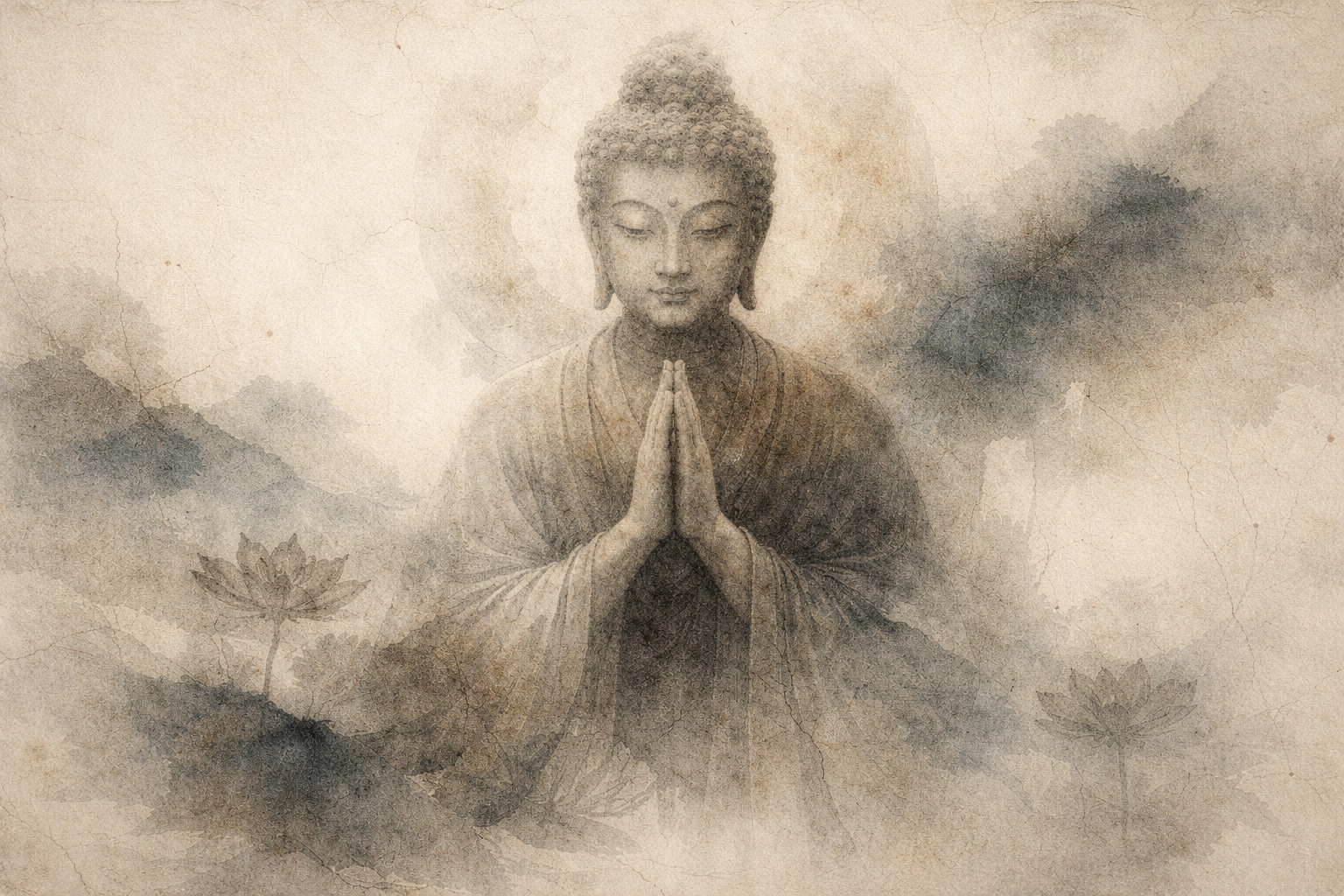
Quick Summary
- People pray to Yakushi Nyorai because “healing” includes body, mind, and the conditions that support recovery.
- Protection in this context often means steadiness, clarity, and fewer harmful reactions—not a guarantee that nothing bad happens.
- Praying can be a practical way to focus intention, soften fear, and remember what matters during illness or uncertainty.
- Yakushi Nyorai is commonly associated with medicine, care, and relief from suffering, which makes the prayer feel concrete.
- A simple routine (bow, name, short vow, dedication) is usually more effective than complicated wording.
- You can pray for yourself and others without “perfect faith”; sincerity and consistency matter more than intensity.
- Prayer works best alongside real-world support: doctors, rest, boundaries, and compassionate action.
Why Yakushi Nyorai feels like the “right” Buddha to turn to
You’re dealing with something that doesn’t feel negotiable—pain, diagnosis, anxiety, a loved one’s fragility—and you want to pray to Yakushi Nyorai without pretending you’re certain what prayer “does.” People turn to Yakushi because the symbolism is direct: medicine, relief, and protection that meets you where you actually are, not where you wish you were. At Gassho, we write about Buddhist practice in plain language, grounded in everyday experience rather than grand claims.
When life gets medically or emotionally complicated, prayer can become a way to stop spiraling and start relating to the situation with steadiness. Yakushi Nyorai is often approached not as a distant figure who fixes everything, but as a mirror for the qualities you most need: care, clarity, patience, and the courage to keep going.
GASSHO
Ask and learn about Buddhism in daily life.
GASSHO is a Buddhist community app where you can learn Buddhist teachings and ask questions to the head priest of Kongosanmaiin Temple on Mount Koya.
A grounded way to understand healing and protection
A helpful lens is to treat “pray to Yakushi Nyorai” as a way of orienting the heart and mind toward healing conditions. Healing, in this view, isn’t only the disappearance of symptoms. It includes the support that makes recovery possible: timely help, wise decisions, calmer nervous system responses, and the willingness to accept care.
Protection can be understood similarly. Rather than imagining a magical shield, protection can mean fewer self-destructive reactions when fear hits: less catastrophizing, less isolation, less harshness toward yourself or others. It’s the kind of protection that keeps you from making the situation worse, and sometimes that’s the most immediate form of safety available.
Yakushi Nyorai is associated with medicine because medicine is both practical and compassionate. Medicine is not only pills and procedures; it’s also the steady attention that notices what’s happening, responds appropriately, and doesn’t abandon the person who is suffering. When you pray, you’re aligning with that attitude.
This lens doesn’t require you to force belief. You can pray as a practice of remembering: remembering your wish to heal, your wish not to harm, and your wish to meet uncertainty with a clearer mind. Over time, that remembering can shape what you do next—how you speak, rest, ask for help, and follow through.
What praying to Yakushi looks like in ordinary moments
Often it starts when you notice the body tightening: a test result is coming, a symptom flares, or you’re waiting for a call back. The mind tries to time-travel into worst-case scenarios. Praying to Yakushi Nyorai can be the moment you stop feeding that loop and choose a steadier object of attention.
You might simply say the name—slowly, a few times—while feeling your feet on the floor. The point isn’t to “perform” devotion. It’s to interrupt the reflex of panic and return to something stable and compassionate.
In caregiving situations, prayer can function like a reset. You realize you’re becoming impatient, numb, or controlling because you’re scared. You pray to Yakushi and let the fear be there without letting it drive the whole interaction. Then you can do the next small helpful thing: refill water, schedule the appointment, ask a clearer question.
When you’re sick yourself, prayer can soften the inner commentary that says you “should” be stronger. You can pray for relief, but also for the ability to rest without guilt. That shift—less self-attack—often changes how the day goes.
Sometimes the lived experience is simply emotional containment. You still have the same diagnosis, the same uncertainty, the same responsibilities, but the mind is less scattered. You’re more able to hear what the doctor actually said, more able to follow instructions, more able to ask for support.
Praying can also bring up grief. You might realize how much you want control, how tired you are, or how lonely this feels. In that moment, Yakushi Nyorai can be a symbol of not being abandoned by compassion—even when the outcome is unknown.
And sometimes it’s very simple: you pray before taking medicine, before sleep, or before entering a hospital. These small rituals can make the day feel less like a series of threats and more like a series of steps you can actually take.
Misunderstandings that make Yakushi prayer feel confusing
“If I pray correctly, I’ll be guaranteed a cure.” This expectation sets people up for disappointment and self-blame. Many practitioners treat prayer as support for healing conditions—clarity, resilience, wise action—rather than a contract for a specific outcome.
“If I still feel anxious, the prayer isn’t working.” Anxiety can still arise, especially around health. Prayer can be working precisely when you notice anxiety sooner, relate to it more gently, and avoid being dragged into unhelpful behaviors.
“I need special knowledge, perfect faith, or the right words.” Simplicity is often the point. A sincere intention, a steady repetition of Yakushi Nyorai’s name, and a dedication for the well-being of yourself and others can be enough.
“Praying means I’m avoiding medical care.” For many people, it’s the opposite: prayer helps them face reality and follow through. You can pray to Yakushi Nyorai while also getting treatment, asking questions, and taking practical steps.
“Protection means nothing bad will happen.” A more workable meaning is protection from what suffering can do to the mind: bitterness, panic, cruelty, hopelessness. That kind of protection is relevant no matter what happens next.
How Yakushi prayer supports daily decisions
When you pray to Yakushi Nyorai, you’re not only asking for healing—you’re training your attention to stay close to what helps. That can change small decisions that add up: going to bed earlier, taking symptoms seriously, keeping appointments, and not “toughing it out” out of pride.
Prayer can also support boundaries. If you’re caring for someone, you may need to say no, ask siblings to help, or request clearer information from professionals. Yakushi practice can remind you that care is not the same as self-erasure.
In relationships, health stress often turns into blame or withdrawal. A brief prayer before difficult conversations can reduce reactivity. You may still say hard things, but with less heat and more precision.
Finally, praying for others can widen the heart. Even when you’re scared, you remember that many people are dealing with illness, aging, and uncertainty. That widening doesn’t erase your pain, but it can reduce the sense of being singled out by life.
Conclusion: healing as a direction you can keep choosing
People pray to Yakushi Nyorai for healing and protection because the practice speaks to real needs: fear, pain, uncertainty, and the wish to care well. If you treat prayer as a steadying relationship with compassion and clarity, it becomes less about forcing outcomes and more about supporting the conditions that make healing possible—inside you and around you.
If you want to begin simply, choose a short daily moment, say Yakushi Nyorai’s name with sincerity, name the healing you’re seeking, and dedicate any benefit to others as well. Then take the next practical step you already know you need to take.
Ask a Buddhist priest
Have a question about Buddhism?
In the GASSHO app, you can ask questions about Buddhist teachings, daily concerns, and how to understand Buddhism in everyday life.
Frequently Asked Questions
- FAQ 1: What does it mean to pray to Yakushi Nyorai?
- FAQ 2: Why do people pray to Yakushi Nyorai specifically for healing?
- FAQ 3: What kind of “protection” do people ask for when they pray to Yakushi Nyorai?
- FAQ 4: How do I start if I want to pray to Yakushi Nyorai but don’t know the “right” way?
- FAQ 5: Can I pray to Yakushi Nyorai for someone else’s illness?
- FAQ 6: Do I need to believe literally in Yakushi Nyorai for the prayer to be meaningful?
- FAQ 7: What should I say when I pray to Yakushi Nyorai for healing?
- FAQ 8: Is it okay to pray to Yakushi Nyorai while also seeing a doctor and taking medicine?
- FAQ 9: How often should I pray to Yakushi Nyorai?
- FAQ 10: Can I pray to Yakushi Nyorai for mental health, anxiety, or depression?
- FAQ 11: What if I pray to Yakushi Nyorai and nothing changes?
- FAQ 12: Is there a best time of day to pray to Yakushi Nyorai?
- FAQ 13: Can I pray to Yakushi Nyorai without an altar or statue?
- FAQ 14: What is a simple dedication I can use after I pray to Yakushi Nyorai?
- FAQ 15: Can I pray to Yakushi Nyorai for protection during travel, surgery, or hospitalization?
FAQ 1: What does it mean to pray to Yakushi Nyorai?
Answer: To pray to Yakushi Nyorai is to turn your attention toward healing and protection by invoking Yakushi’s compassionate presence and your own intention to respond wisely to suffering. Many people use it as a steady practice during illness, caregiving, or anxiety, alongside practical medical and emotional support.
Takeaway: Praying to Yakushi Nyorai is an orientation toward healing conditions, not just a request for a miracle.
FAQ 2: Why do people pray to Yakushi Nyorai specifically for healing?
Answer: Yakushi Nyorai is widely associated with medicine and relief from suffering, so the symbolism matches what people are facing: pain, diagnosis, recovery, and the need for supportive conditions. Praying can help someone stay calm, consistent, and compassionate while navigating treatment and uncertainty.
Takeaway: Yakushi prayer feels practical because it’s closely linked with care and healing.
FAQ 3: What kind of “protection” do people ask for when they pray to Yakushi Nyorai?
Answer: Protection is often understood as protection from harmful spirals—panic, despair, reckless choices, or harsh speech—especially under stress. Some also pray for safety in travel to hospitals, protection for caregivers, and protection from complications, while holding outcomes with humility.
Takeaway: Protection can mean steadiness and fewer harmful reactions, even in difficult circumstances.
FAQ 4: How do I start if I want to pray to Yakushi Nyorai but don’t know the “right” way?
Answer: Start simple: pause, take a breath, bow if you like, say “Yakushi Nyorai” slowly a few times, then state your intention (for example, “May I meet this illness with clarity and receive the right help”). End by dedicating the benefit to others who are suffering too.
Takeaway: A short, sincere routine is enough to begin praying to Yakushi Nyorai.
FAQ 5: Can I pray to Yakushi Nyorai for someone else’s illness?
Answer: Yes. Many people pray to Yakushi Nyorai for family, friends, and even people they don’t know, focusing on relief, good care, wise decisions, and emotional support. You can name the person, describe the situation briefly, and dedicate the prayer to their well-being and the well-being of caregivers and clinicians.
Takeaway: Praying for others is a common and meaningful way to pray to Yakushi Nyorai.
FAQ 6: Do I need to believe literally in Yakushi Nyorai for the prayer to be meaningful?
Answer: Not necessarily. Some people relate to Yakushi Nyorai as a living presence; others relate to Yakushi as a symbol of compassion and medicine-like clarity. In both cases, the prayer can be meaningful as a practice that steadies attention, softens fear, and supports helpful action.
Takeaway: You can pray to Yakushi Nyorai as devotion, symbolism, or both.
FAQ 7: What should I say when I pray to Yakushi Nyorai for healing?
Answer: Keep it direct: invoke the name, name the suffering, and name the intention. For example: “Yakushi Nyorai, please support healing for my body and mind. Help me find the right care, follow through, and meet this with patience.” Then dedicate the benefit outward.
Takeaway: Clear, plain language works well when you pray to Yakushi Nyorai.
FAQ 8: Is it okay to pray to Yakushi Nyorai while also seeing a doctor and taking medicine?
Answer: Yes. Many people see prayer and medical care as complementary: prayer supports calm, courage, and consistency, while medicine and clinicians address the physical condition directly. If anything, prayer can help you show up more clearly for appointments and decisions.
Takeaway: Praying to Yakushi Nyorai can go hand-in-hand with treatment and practical care.
FAQ 9: How often should I pray to Yakushi Nyorai?
Answer: Consistency matters more than intensity. Some people pray briefly each morning and night; others pray before taking medication, before sleep, or when fear spikes. Choose a rhythm you can keep, especially during stressful periods.
Takeaway: A small daily habit is a sustainable way to pray to Yakushi Nyorai.
FAQ 10: Can I pray to Yakushi Nyorai for mental health, anxiety, or depression?
Answer: Yes, many people pray to Yakushi Nyorai for healing that includes the mind—relief from anxiety, steadier sleep, and kinder self-talk. It’s also wise to seek appropriate professional support when needed, using prayer as an additional source of steadiness and care.
Takeaway: Praying to Yakushi Nyorai can include mental and emotional healing, not only physical illness.
FAQ 11: What if I pray to Yakushi Nyorai and nothing changes?
Answer: Sometimes the most noticeable change is subtle: less reactivity, more willingness to ask for help, or more patience with the process. If you’re measuring prayer only by immediate external outcomes, it can feel like “nothing happened.” Try also noticing whether your relationship to the situation becomes steadier or kinder over time.
Takeaway: When you pray to Yakushi Nyorai, changes may show up as resilience and clarity, not instant results.
FAQ 12: Is there a best time of day to pray to Yakushi Nyorai?
Answer: There’s no single best time. Morning prayer can set a calm direction for the day; evening prayer can help release worry and rest. Many people also pray right before medical appointments or difficult conversations to reduce reactivity and focus on what matters.
Takeaway: The best time to pray to Yakushi Nyorai is the time you can reliably keep.
FAQ 13: Can I pray to Yakushi Nyorai without an altar or statue?
Answer: Yes. You can pray anywhere—at a bedside, in a hospital hallway, on a walk, or sitting quietly at home. An image can help focus attention, but it isn’t required for sincerity or steadiness.
Takeaway: You can pray to Yakushi Nyorai with nothing more than your intention and attention.
FAQ 14: What is a simple dedication I can use after I pray to Yakushi Nyorai?
Answer: You can say: “May any benefit from this prayer support the healing and protection of all who are ill, afraid, or caring for others.” This keeps the prayer from becoming only self-focused and connects your wish to a wider compassion.
Takeaway: Dedicating the prayer widens the heart after you pray to Yakushi Nyorai.
FAQ 15: Can I pray to Yakushi Nyorai for protection during travel, surgery, or hospitalization?
Answer: Yes. Many people pray to Yakushi Nyorai for protection in high-stress medical situations—safe travel, skilled care, clear communication, and a calm mind before and after procedures. You can be specific about what you’re facing while also wishing well for everyone involved in the care.
Takeaway: Praying to Yakushi Nyorai can support steadiness and care during vulnerable medical moments.