



How Ritual Helps When the Mind Feels Scattered
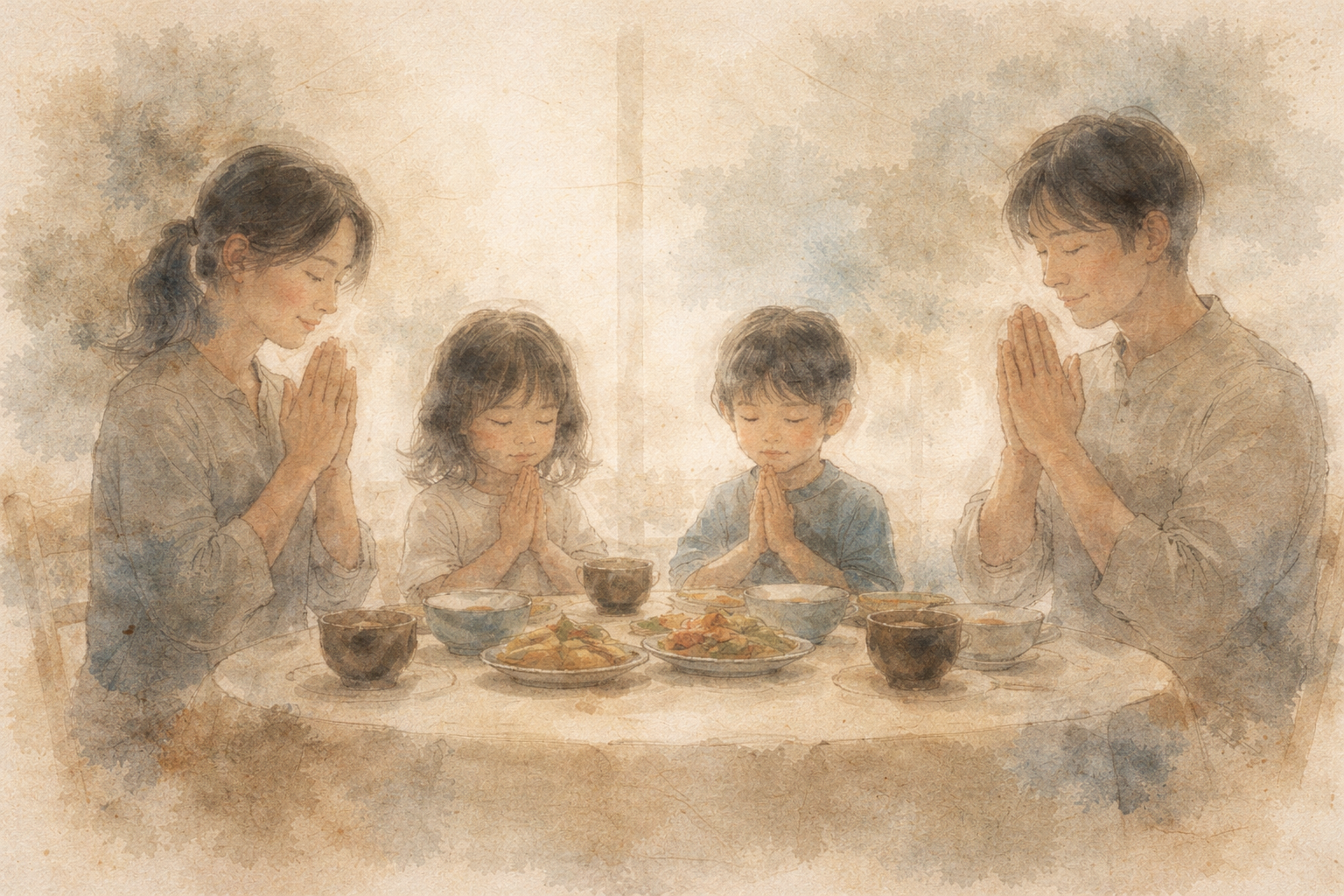
How Ritual Helps When the Mind Feels Scattered
Quick Summary
- Ritual gives your attention a simple track to follow when thoughts are jumping.
- Small, repeatable actions reduce decision fatigue and make “starting” easier.
- Structure creates a gentle boundary: for a few minutes, you don’t have to solve your life.
- Ritual uses the body (breath, posture, hands, voice) to steady the mind from the outside in.
- Meaningful gestures can soften self-criticism and bring you back to what matters.
- Consistency matters more than intensity; a “small ritual” can be enough.
- The goal isn’t to stop thoughts—it’s to relate to them with less scrambling.
Introduction
When your mind feels scattered, advice like “just focus” can feel almost insulting—because the problem isn’t that you don’t know what to do, it’s that your attention won’t stay put long enough to do it. Ritual helps precisely here: it gives you a pre-made path to walk for a few minutes, so you’re not negotiating with every thought, urge, and worry as they arise. At Gassho, we write about practical Buddhist-inspired ways to work with attention and stress in ordinary life.
A ritual doesn’t need to be religious, elaborate, or time-consuming. It can be as simple as lighting a candle, washing your hands slowly, bowing your head, reciting a short phrase, or taking three deliberate breaths before opening your laptop. What makes it a ritual is not the props—it’s the intention plus repetition: “When my mind is scattered, I do this.”
And importantly, ritual isn’t a trick to force calm. It’s a container that makes room for whatever is already happening—restlessness, doubt, irritation—without letting those states run the whole show.
GASSHO
Ask and learn about Buddhism in daily life.
GASSHO is a Buddhist community app where you can learn Buddhist teachings and ask questions to the head priest of Kongosanmaiin Temple on Mount Koya.
A Grounded Lens: Ritual as a Container for Attention
When the mind feels scattered, it’s often because attention is being pulled in multiple directions at once: unfinished tasks, emotional residue, notifications, bodily tension, and the mind’s habit of forecasting outcomes. From this lens, “scattered” isn’t a personal failure—it’s what happens when the system is overloaded and uncontained.
Ritual works by providing containment. A container is something with clear edges: a beginning, a middle, and an end. Those edges matter because they reduce the number of choices you have to make in the moment. Instead of asking, “What should I do to fix my mind?” you follow a sequence you already know.
Ritual also recruits the body. The mind can argue with itself endlessly, but the body responds to concrete cues: standing up, placing hands together, exhaling slowly, speaking a line out loud. These actions don’t erase thoughts; they give thoughts less control over the steering wheel.
Finally, ritual offers a gentle kind of meaning. Not meaning as a grand philosophy, but meaning as orientation: “This moment matters enough to meet it deliberately.” That orientation can be stabilizing when the mind is spinning stories about what’s urgent, what’s wrong, and what must be solved immediately.
What It Feels Like in Real Life When You Use Ritual
You notice the scattered feeling most clearly at transitions: waking up, starting work, switching tasks, coming home, getting ready for sleep. The mind is already moving, and the transition adds friction—so attention splinters into planning, remembering, and resisting all at once.
A small ritual changes the first few seconds. Instead of immediately chasing the loudest thought, you do something specific: you stand still, feel your feet, and take three slower breaths. The mind may still chatter, but now there is a “track” underneath the chatter.
Then you see how repetition helps. The second time you do the ritual, it’s a little less awkward. The tenth time, the body starts to recognize it as a cue: “We’re entering a different mode.” That recognition can be subtle—more like a slight settling than a dramatic calm.
You also begin to notice that the ritual doesn’t need to win against distraction. If you light a candle and your mind immediately jumps to an email, the ritual still did something: it created a moment where you saw the jump. That moment of seeing is already a form of gathering.
On harder days, the ritual can feel almost comically small compared to the chaos in your head. But that’s part of its value: it’s a non-negotiable “one small thing” you can do without waiting to feel ready. You’re not trying to become a different person; you’re just placing one steady stone in a rushing stream.
Over time, you may find that the scattered mind becomes less threatening. Thoughts still multiply, but you’re less convinced you must follow each one. The ritual teaches a practical lesson: you can act with care even while the mind is noisy.
And because rituals have endings, they prevent the common trap of turning “self-regulation” into an endless project. You do the steps, you finish, and you return to your day—slightly more collected, or at least less yanked around.
Common Misunderstandings About Ritual and a Scattered Mind
Misunderstanding: “If my mind is still scattered, the ritual didn’t work.” Ritual isn’t a guarantee of immediate calm. It’s a way to relate to scattering with more structure. Sometimes “working” looks like noticing distraction sooner, or returning once instead of spiraling for twenty minutes.
Misunderstanding: “Ritual is superstition or empty performance.” A ritual can be empty if it’s done mechanically, but it can also be deeply practical. The point is not magical thinking; it’s training attention through consistent cues, like how athletes use warm-ups to enter a focused state.
Misunderstanding: “I need a perfect setup and lots of time.” When the mind is scattered, complexity backfires. A good ritual is small enough that you’ll actually do it on messy days: 30 seconds to 3 minutes is often more realistic than a long session you keep postponing.
Misunderstanding: “Ritual should feel peaceful.” Sometimes it will. Sometimes it will feel restless, impatient, or emotional. The ritual is still doing its job if it helps you stay present with what’s here without immediately escaping into compulsive thinking.
Misunderstanding: “Ritual is only for spiritual people.” Anyone can use ritual as a stabilizing practice. You can treat it as a mental hygiene habit: a brief, repeatable sequence that supports clarity and reduces reactivity.
Why This Matters in Daily Life (Not Just Quiet Moments)
A scattered mind doesn’t only feel unpleasant—it affects how you speak, decide, and relate. You interrupt more, forget what you were doing, over-check your phone, or jump between tasks without finishing. Ritual matters because it interrupts that momentum without requiring you to “solve” your mind first.
Ritual also protects your values. When attention is fragmented, the urgent tends to dominate the important. A short ritual—before work, before a difficult conversation, before eating—can reintroduce a simple question: “What am I doing, and why?” That question alone can change the next choice.
It can improve relationships in small ways. If you do a ten-second ritual before responding to a tense message—one breath, feel your shoulders, soften your jaw—you may still say what needs to be said, but with less edge. The mind may be scattered, yet your response can be less scattered.
And it supports consistency. Many people wait for the “right mood” to practice anything that helps. Ritual flips that: you practice because it’s the ritual. The mood can come along later—or not. Either way, you showed up.
Conclusion
When the mind feels scattered, ritual helps by reducing choices, giving attention a clear sequence, and using the body as an anchor. It doesn’t demand that you become calm first; it offers a simple way to begin while you’re still messy, distracted, and human.
If you want to try this today, pick one tiny ritual you can repeat for a week: three breaths before opening your phone, a short phrase before starting work, or a deliberate hand-washing before meals. Keep it small, keep it consistent, and let the ritual do what it does best—gather you, one moment at a time.
Ask a Buddhist priest
Have a question about Buddhism?
In the GASSHO app, you can ask questions about Buddhist teachings, daily concerns, and how to understand Buddhism in everyday life.
Frequently Asked Questions
- FAQ 1: How does ritual help when the mind feels scattered in the moment?
- FAQ 2: Why does repetition matter for how ritual helps when the mind feels scattered?
- FAQ 3: What kind of ritual works best when the mind feels scattered—short or long?
- FAQ 4: How can ritual help when the mind feels scattered if I still feel anxious afterward?
- FAQ 5: How does ritual help when the mind feels scattered at the start of the workday?
- FAQ 6: How does ritual help when the mind feels scattered during transitions, like coming home?
- FAQ 7: Can ritual help when the mind feels scattered even if I don’t feel spiritual?
- FAQ 8: How does ritual help when the mind feels scattered compared to “just trying to focus”?
- FAQ 9: What if ritual becomes mechanical—does it still help when the mind feels scattered?
- FAQ 10: How does ritual help when the mind feels scattered because of too many tasks?
- FAQ 11: How does ritual help when the mind feels scattered at night and I can’t wind down?
- FAQ 12: How does ritual help when the mind feels scattered in social situations?
- FAQ 13: How can I choose a ritual that helps when the mind feels scattered without overcomplicating it?
- FAQ 14: How does ritual help when the mind feels scattered if I keep forgetting to do it?
- FAQ 15: How do I know ritual is helping when the mind feels scattered if nothing feels “calm”?
FAQ 1: How does ritual help when the mind feels scattered in the moment?
Answer: Ritual helps by giving you a fixed sequence to follow (beginning, middle, end), which reduces mental branching. Instead of chasing every thought, you place attention on a few repeatable cues—breath, posture, words, or a small gesture—so the mind has something stable to organize around.
Takeaway: A simple sequence can “gather” attention without forcing thoughts to stop.
FAQ 2: Why does repetition matter for how ritual helps when the mind feels scattered?
Answer: Repetition builds familiarity, and familiarity lowers the effort needed to begin. When you repeat the same small ritual, your body-mind starts to recognize it as a cue for settling and orienting, even if your thoughts are still busy.
Takeaway: Repetition reduces startup friction when attention is fragmented.
FAQ 3: What kind of ritual works best when the mind feels scattered—short or long?
Answer: Short rituals usually work best because scattering often comes with low bandwidth and impatience. A 30-second to 3-minute ritual is easier to do consistently and less likely to become another task you avoid.
Takeaway: When scattered, smaller rituals are often more effective than ambitious ones.
FAQ 4: How can ritual help when the mind feels scattered if I still feel anxious afterward?
Answer: Ritual isn’t only about removing anxiety; it’s about changing your relationship to it. Even if anxiety remains, ritual can reduce scrambling by giving you a steady reference point and a clear end point, so anxiety doesn’t automatically dictate your next action.
Takeaway: Ritual can create steadiness even when anxiety doesn’t disappear.
FAQ 5: How does ritual help when the mind feels scattered at the start of the workday?
Answer: A brief starting ritual (one breath, a phrase of intention, then choosing one next task) reduces decision overload. It turns “everything I should do” into “the next right step,” which is often what a scattered mind can actually handle.
Takeaway: Ritual can convert overwhelm into a single workable next action.
FAQ 6: How does ritual help when the mind feels scattered during transitions, like coming home?
Answer: Transitions are when attention is most likely to fragment. A small ritual—pause at the door, exhale, relax shoulders—marks a boundary between roles and reduces carryover stress, so you’re less likely to bring the day’s mental noise into the next moment.
Takeaway: Ritual creates a clean “edge” between one part of life and the next.
FAQ 7: Can ritual help when the mind feels scattered even if I don’t feel spiritual?
Answer: Yes. Ritual can be used as a practical attention tool: a consistent set of cues that stabilizes the nervous system and reduces mental switching. You don’t need spiritual beliefs for the structure and repetition to be helpful.
Takeaway: Ritual can be functional, not religious.
FAQ 8: How does ritual help when the mind feels scattered compared to “just trying to focus”?
Answer: “Trying to focus” often adds pressure and self-criticism, which can increase scattering. Ritual replaces effortful forcing with a guided process: you do the steps whether focus is strong or weak, and attention naturally gathers around the steps over time.
Takeaway: Ritual supports focus indirectly, with less strain.
FAQ 9: What if ritual becomes mechanical—does it still help when the mind feels scattered?
Answer: Even a mechanical ritual can help by reducing choices and creating a predictable pause. If it feels too automatic, add one small point of contact—feel the exhale, listen to the words, or notice your hands—to bring freshness without redesigning the whole ritual.
Takeaway: Keep the structure, add one moment of real attention.
FAQ 10: How does ritual help when the mind feels scattered because of too many tasks?
Answer: Ritual can interrupt task-panic by creating a brief container before planning. For example: pause, breathe, then write down the next three priorities. The ritual prevents your mind from trying to hold everything at once, which is a common cause of scattering.
Takeaway: Ritual makes space to choose, instead of mentally juggling.
FAQ 11: How does ritual help when the mind feels scattered at night and I can’t wind down?
Answer: A consistent evening ritual signals “ending” to the body-mind: dim lights, slower breathing, a short gratitude line, or a deliberate closing gesture for the day. This reduces mental switching and gives rumination fewer openings to keep restarting.
Takeaway: Night rituals help by marking closure and reducing stimulation.
FAQ 12: How does ritual help when the mind feels scattered in social situations?
Answer: A tiny internal ritual—feel your feet, soften your belly, take one quiet breath before speaking—can reduce reactive speech and bring you back to listening. It doesn’t make you perfect; it simply creates a beat of space inside the interaction.
Takeaway: Ritual can create a pause that improves presence with others.
FAQ 13: How can I choose a ritual that helps when the mind feels scattered without overcomplicating it?
Answer: Choose one action you can do anywhere, one anchor for attention (breath, touch, or a short phrase), and one clear ending. If you can’t describe it in one sentence, it’s probably too complex for scattered moments.
Takeaway: Simple, portable, and clearly bounded rituals work best.
FAQ 14: How does ritual help when the mind feels scattered if I keep forgetting to do it?
Answer: Tie the ritual to an existing trigger you already do daily—closing a door, making tea, sitting at your desk, brushing your teeth. The trigger becomes the reminder, so you don’t rely on a scattered mind to remember the solution.
Takeaway: Attach ritual to a reliable daily cue, not willpower.
FAQ 15: How do I know ritual is helping when the mind feels scattered if nothing feels “calm”?
Answer: Look for functional signs: you return to the task sooner, you react with slightly less sharpness, you notice distraction earlier, or you can choose one next step instead of spiraling. Ritual often helps by improving responsiveness, not by producing a particular feeling on demand.
Takeaway: Measure help by reduced scrambling and quicker returning, not perfect calm.